Every room has a natural focal point or desperately needs one. Without intention, the eye wanders without landing, the space feels undefined, and the room lacks character. With a well-executed ceiling focal point beam, the eye finds anchor, the space gains definition, and the room transforms from generic to memorable. This is the power of accent beam installations — a single element doing the work that dozens of decorative accessories cannot accomplish.
The accent approach differs fundamentally from full-ceiling beam treatments. Rather than distributing visual weight across multiple elements, accent beams concentrate attention on one carefully positioned feature. The result is dramatic, intentional, and economical. One well-placed beam accomplishes what multiple elements cannot, while costing less than comprehensive treatment.
The focal point principle
Design theory explains why focal points matter:
Visual hierarchy — eyes need somewhere to land; without hierarchy, spaces feel chaotic
Orientation anchor — focal points provide reference points for spatial understanding
Character definition — single dramatic elements define room personality
Emotional impact — strong focal points create memorable impressions
Design efficiency — one effective element accomplishes more than many competing ones
A ceiling beam serves as a particularly effective focal point because it draws the eye upward, expanding perceived space while commanding attention.
Choosing focal point locations
Strategic placement maximizes impact:
Above functional centers
Beams above key functional elements:
- Kitchen islands
- Dining tables
- Conversation areas
- Bed positions
- Home office desks
These locations naturally draw attention and benefit from overhead emphasis.
At room transitions
Beams marking spatial transitions:
- Between living and dining areas
- Marking entry sequences
- Defining open-plan zones
- Highlighting architectural transitions
Transitions provide natural focal opportunities.
Highlighting architectural features
Beams accentuating existing elements:
- Fireplaces
- Staircases
- Windows and window walls
- Built-in cabinetry
Existing features gain emphasis with overhead beams.
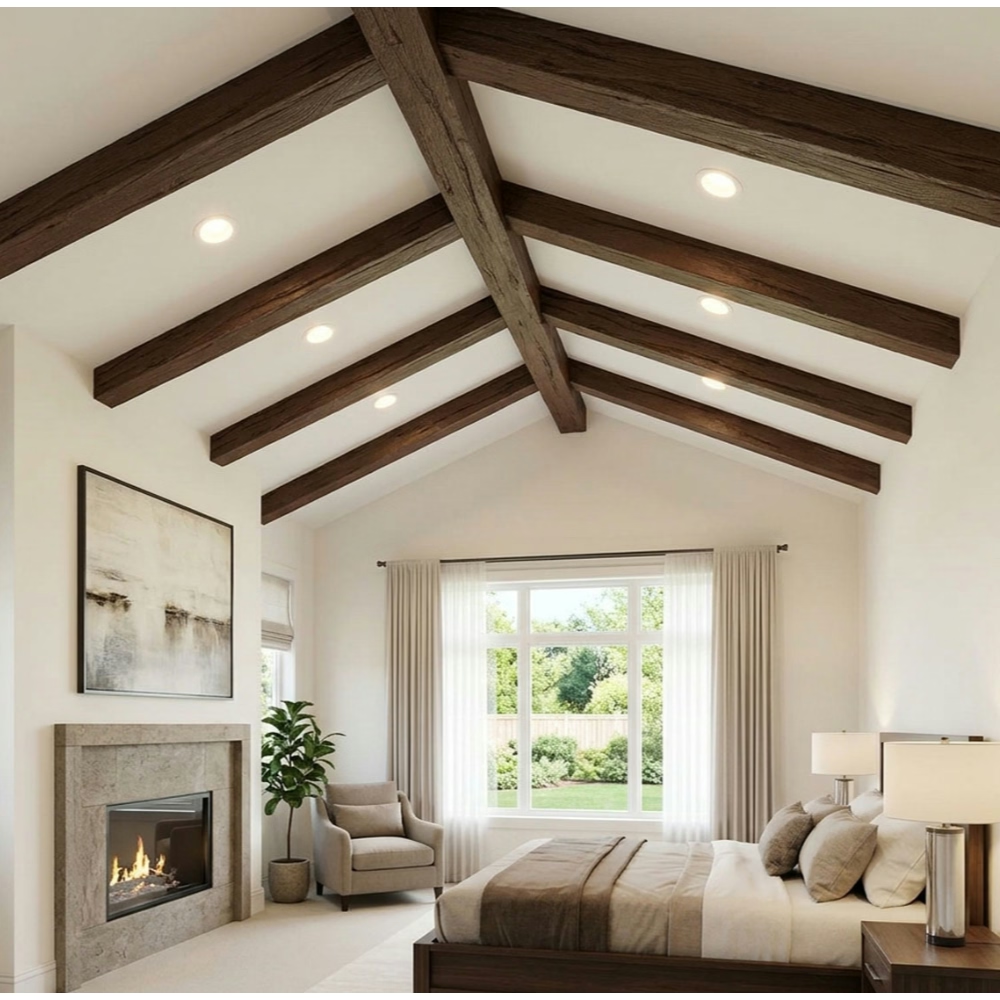
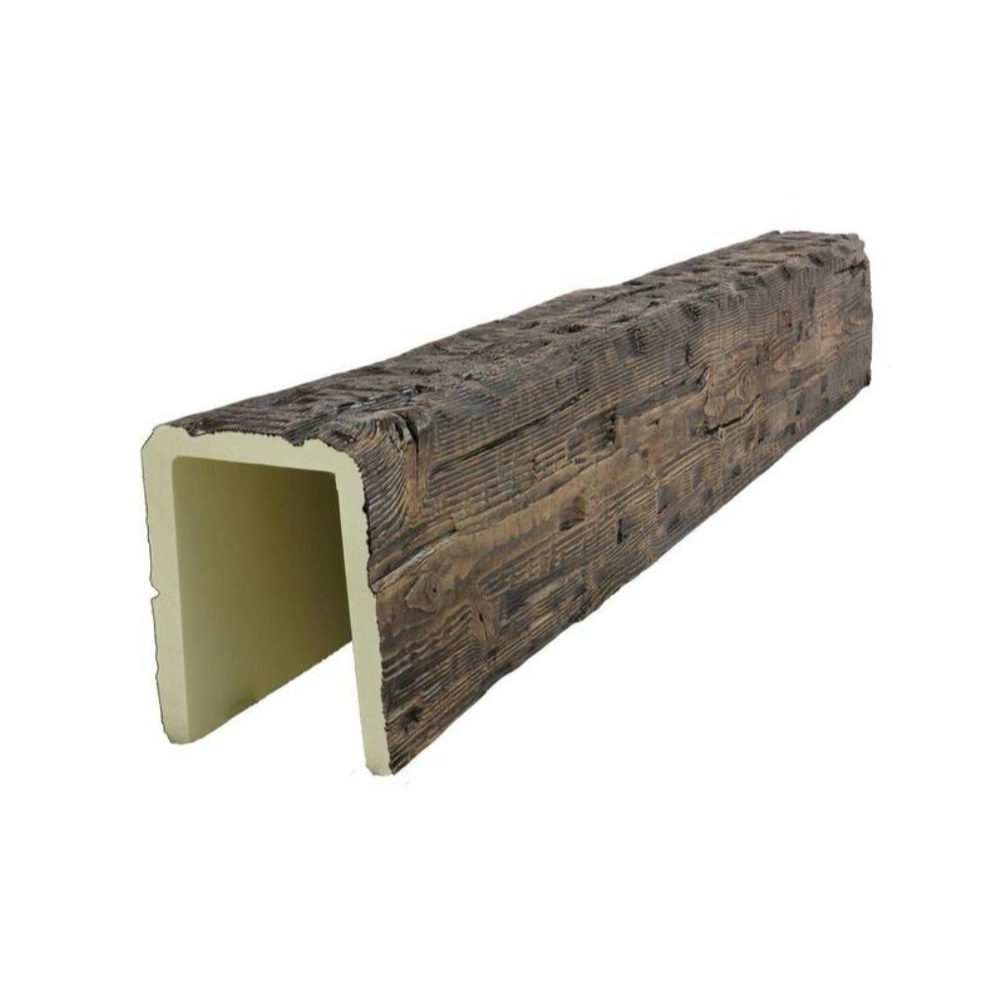
Profile selection for focal points
The right profile depends on ceiling and room scale:
Subtle focal points
Smaller profiles work for understated emphasis:
- 4x4 and 4x6 profiles
- Suitable for standard residential ceilings
- Provides emphasis without overwhelming
- Works in smaller rooms
Moderate focal points
Medium profiles create confident statements:
- 6x6 and 6x8 profiles
- Appropriate for 9-10 foot ceilings
- Strong visual emphasis
- Works in most residential rooms
Bold focal points
Larger profiles command attention:
- 8x8 and 8x10 profiles
- Appropriate for 10+ foot ceilings
- Maximum dramatic emphasis
- Works in larger rooms and great rooms
Profile selection should match ceiling height and room scale.
Length considerations for focal points
Focal point length serves specific design purposes:
Span the entire ceiling — beams running wall-to-wall create strong horizontal lines
Frame specific elements — beams positioned to bracket kitchen islands or dining tables
Intersect with walls — beams that terminate at walls suggest extension beyond visible space
Return into walls — beams appearing to enter wall surfaces create architectural continuity
Length selection depends on the specific design intention.
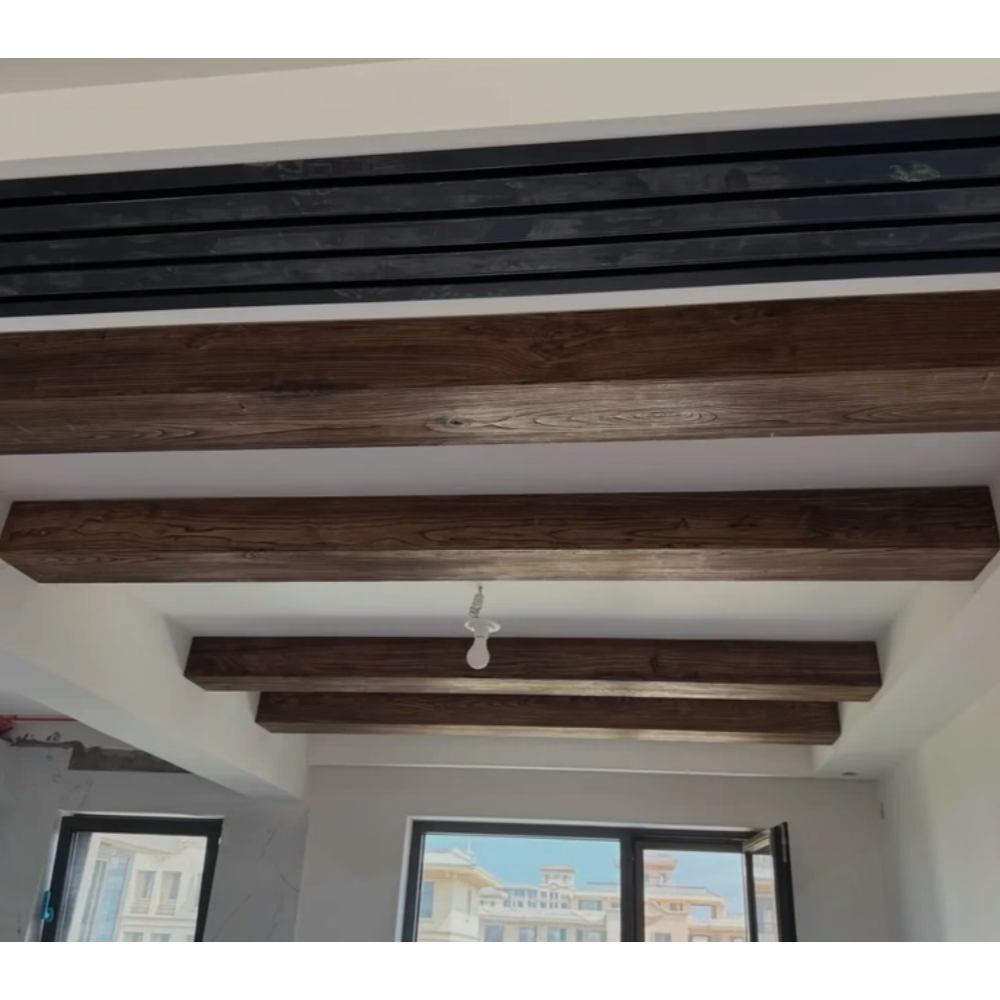
Texture and finish for focal points
Single beams display finishes prominently:
Natural wood appearance
Traditional timber character:
- Highlighted grain textures
- Natural stain colors
- Hand-finished appearance
- Authentic character details
Natural finishes emphasize the timber aesthetic.
Painted focal points
Bold color statements:
- Contrast with ceiling color
- Create deliberate visual pop
- Modern farmhouse aesthetic
- Contemporary accent colors
Painted beams become deliberate design statements.
Specialty finishes
Distinctive treatments:
- Distressed or weathered appearance
- Metallic accent treatments
- Custom color matching
- Mixed media combinations
Specialty finishes create unique focal points.
Common focal point installations
Single beam placements create distinctive spaces:
Kitchen island ceiling
One beam directly above island:
- Creates visual anchor for kitchen
- Defines island as primary workspace
- Coordinates with pendant lighting
- Works in most kitchen sizes
The kitchen island beam is one of the most popular focal point applications.
Dining table ceiling
Beam above the dining table:
- Frames the dining experience
- Coordinates with chandelier placement
- Creates intimate dining atmosphere
- Marks dining as special function
Dining focal points elevate everyday meals to occasions.
Bedroom statement
Beam above the bed:
- Creates romantic bedroom atmosphere
- Frames the bed as primary element
- Replaces traditional headboard emphasis
- Defines sleep zone in studio layouts
Bedroom beams create distinctive sleeping environments.
Entry sequence
Beam in foyer or entry:
- Marks home entry as significant space
- Creates welcoming atmosphere
- Provides spatial definition
- Sets tone for rest of home
Entry beams create strong first impressions.
Living room centerpiece
Beam in main living area:
- Defines conversation zone
- Creates visual organization
- Establishes room as primary social space
- Provides architectural interest
Living room beams anchor primary social spaces.
Installation efficiency
Focal point installations offer efficiency advantages:
Single beam ordering — simpler than multi-beam projects
Lower total cost — one beam versus grid installations
Faster installation — single beam mounts in 1-2 hours
Minimal site disruption — limited scope simplifies logistics
Easier permitting — focal points typically don't require permits
The efficiency makes focal point installations accessible to any renovation project.
Maximum impact per beam
Accent ceiling focal point beams elevate plain interior spaces through concentrated visual impact. Single well-placed beams accomplish more than distributed installations while costing less and installing faster. For renovation projects seeking maximum visual impact with minimal investment, focal point beam installations deserve serious consideration.
Choose focal point beams when one dramatic element better serves the design than distributed ceiling treatments.
Technical References
ASTM standards cited in every specification
Test Data
Lab results from internal testing program
Updated 2026
Reviewed against current product specs


