The Coffered Ceiling Revival
Coffered ceilings—grids of recessed panels—have decorated grand spaces for centuries. Traditional coffering requires substantial structure: deep wooden members, elaborate joinery, significant weight.
Modern faux beams make coffering achievable without structural compromise.
Understanding Coffering
What Coffering Creates
Coffering adds depth and dimension:
- Recessed panels create shadow
- Grid patterns organize large ceilings
- Traditional craftsmanship appearance
The effect transforms flat planes into architectural surfaces.
Traditional vs. Modern
Traditional coffering:
- Deep structural members
- Complex joinery
- Substantial weight requiring structural support
Modern faux coffering:
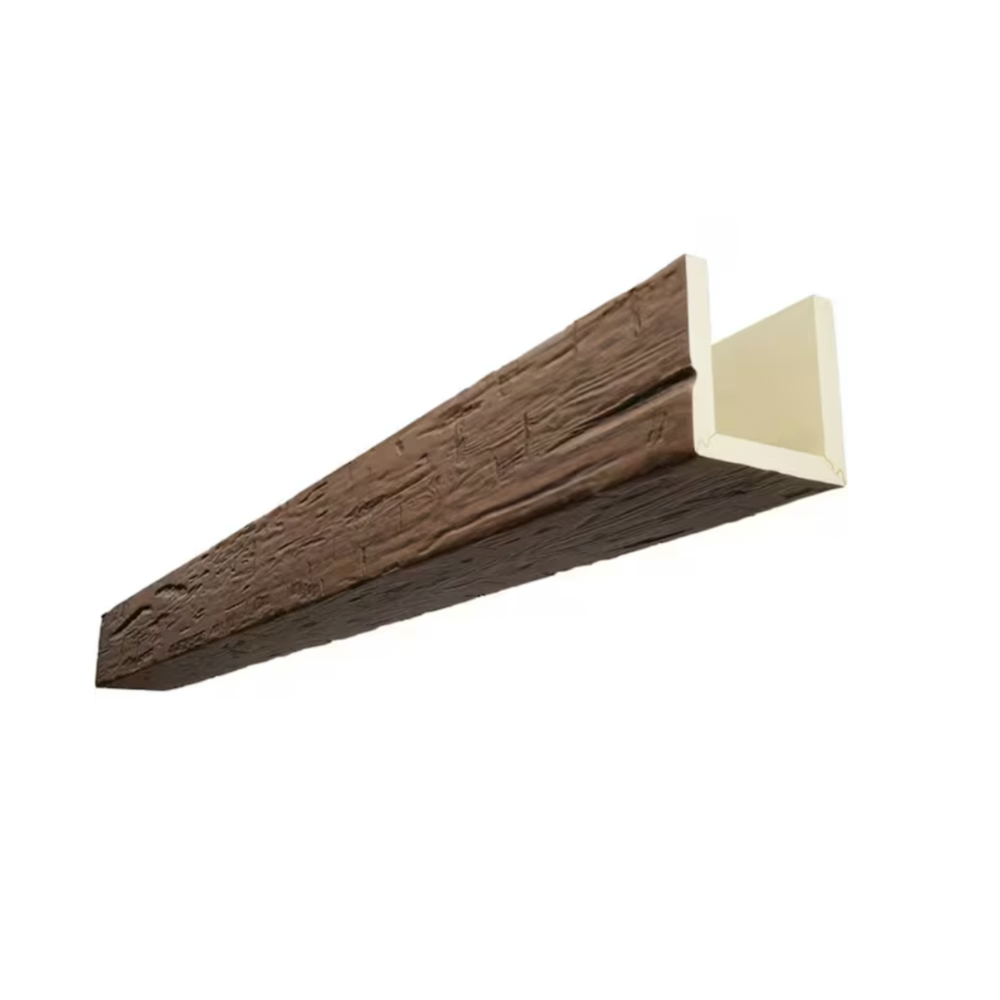
- Shallow faux beams create the grid
- Lightweight construction
- No structural requirements
The visual effect is similar; the construction is not.
Design Approaches
Full Coffering
Complete grid coverage:
- Beams at regular intervals in both directions
- Creates comprehensive ceiling transformation
- Works best in rooms with generous ceiling height
Partial Coffering
Selective treatment:
- Grid in specific ceiling zones
- Creates focus without full coverage
- More affordable than comprehensive treatment
Accent Coffering
Minimal intervention:
- Single coffered section
- Framing a specific area
- Creates focal point without full commitment
Beam Selection
Profile Considerations
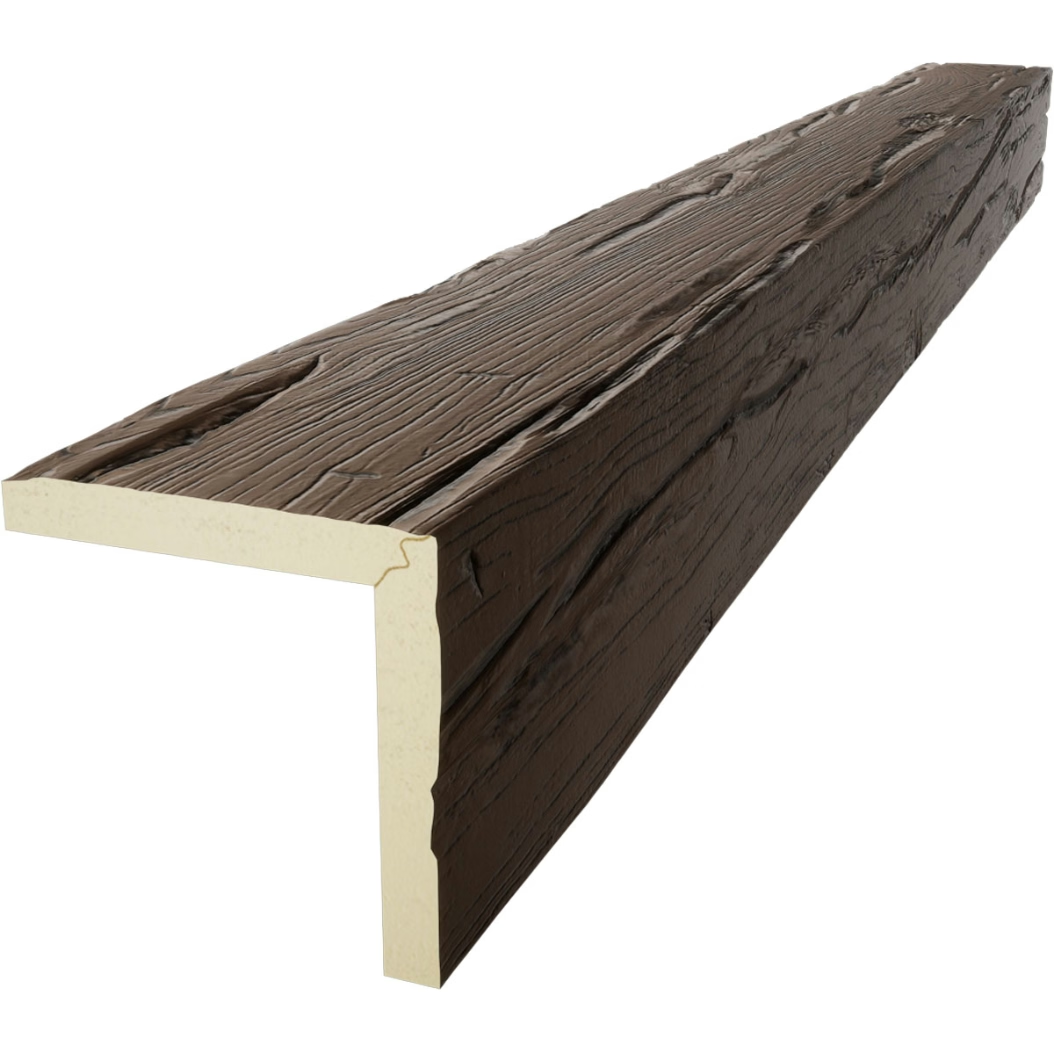
For coffering, beam profile affects shadow:
- Deeper profiles create more dramatic coffering
- Shallower profiles create subtle depth
- The 6×8 range works for most contemporary applications
Spacing Strategy
Coffer dimensions depend on:
- Room size and ceiling height
- Desired coffer proportion
- Overall design aesthetic
Larger coffers for grand spaces; smaller coffers for intimate rooms.
Modern Coffering Advantages
Weight Savings
Faux beams eliminate structural requirements:
- No engineering for load-bearing
- No structural support modifications
- Installation on standard blocking
Cost Efficiency
Modern coffering costs less:
- Material costs lower than timber coffering
- Installation simpler without structural demands
- No custom millwork required
Design Flexibility
Modern coffering allows:
- Custom grid dimensions
- Non-traditional spacing
- Creative geometric patterns
Common Mistakes
Proportion Disconnect
Coffer sizing errors:
- Coffers too small for the room
- Grid appearing busy rather than refined
- The effect diminishes rather than enhances
Pattern Uniformity
Always identical spacing:
- Creates mechanical rather than designed appearance
- Doesn't acknowledge room architecture
- Variation creates more refined results
Heavy Handedness
Too much coffering:
- The ceiling competes with everything else
- Visual overwhelm rather than enhancement
- Restraint serves better than abundance
Modern coffered ceilings with faux beams create traditional elegance without traditional weight and cost. The key is proportion—coffers sized appropriately for the space, creating depth without overwhelming. When executed well, faux beam coffering transforms ordinary ceilings into architectural features.
Technical References
ASTM standards cited in every specification
Test Data
Lab results from internal testing program
Updated 2026
Reviewed against current product specs