Ceilings represent the largest uninterrupted surface in most rooms. Left untreated, they fail as design elements — providing necessary shelter but contributing nothing to aesthetic character. The same surface, treated with strategically placed accent beams, becomes an active participant in the room's visual story. The difference between passive and active ceiling treatment is the difference between a room that merely exists and a room that makes a statement.
Accent styling focuses on strategic beam placement rather than comprehensive coverage. This approach concentrates visual attention where it best serves the design, creates emphasis on important room elements, and guides the eye through carefully composed visual journeys. The technique works across design styles, room sizes, and budget levels because it focuses on strategic impact rather than material quantity.
Principles of visual highlighting
Ceiling accents work through several visual mechanisms:
Directional emphasis
Beams create directional visual lines:
- Horizontal beams create calm, stable emphasis
- Diagonal beams generate dynamic energy
- Curved beams introduce organic movement
- Vertical beams draw eye upward
Direction choice affects emotional impact.
Scale reference
Beam scale provides visual reference:
- Larger beams feel more permanent and significant
- Smaller beams feel lighter and more contemporary
- Scale relationships communicate importance
- Proportion to room size affects perception
Scale selection shapes room character.
Light interaction
Beams interact with available light:
- Cast shadows create visual depth
- Highlight areas gain emphasis
- Texture becomes visible in raking light
- Beam surfaces reflect or absorb light
Light interaction enhances beam presence.
Material emphasis
Beam materials gain visual emphasis:
- Wood character becomes apparent
- Texture depth becomes visible
- Color relationships emerge
- Surface quality displays prominently
Material qualities become design features.
Strategic placement approaches
Accent styling considers both location and purpose:
Above focal elements
Beams above important room features:
- Kitchen islands become clear centers
- Dining tables gain dining room identity
- Bed positions create bedroom emphasis
- Conversation areas establish gathering points
Placing beams above focal elements reinforces room hierarchy.
Along transition lines
Beams marking room transitions:
- Between living and dining areas
- Marking entry sequences
- Defining open-plan zones
- Indicating functional boundaries
Transition beams create spatial organization without walls.
Framing key views
Beams creating view emphasis:
- Window views gain framing
- Architectural features receive emphasis
- Artwork placement benefits
- Garden views receive visual weight
Framing beams direct attention to important views.
Creating ceiling moments
Beams establishing ceiling focal points:
- Vaulted peak emphasis
- Tray ceiling definition
- Coffered pattern creation
- Distinctive ceiling geometry
Ceiling moments transform passive overhead surfaces.

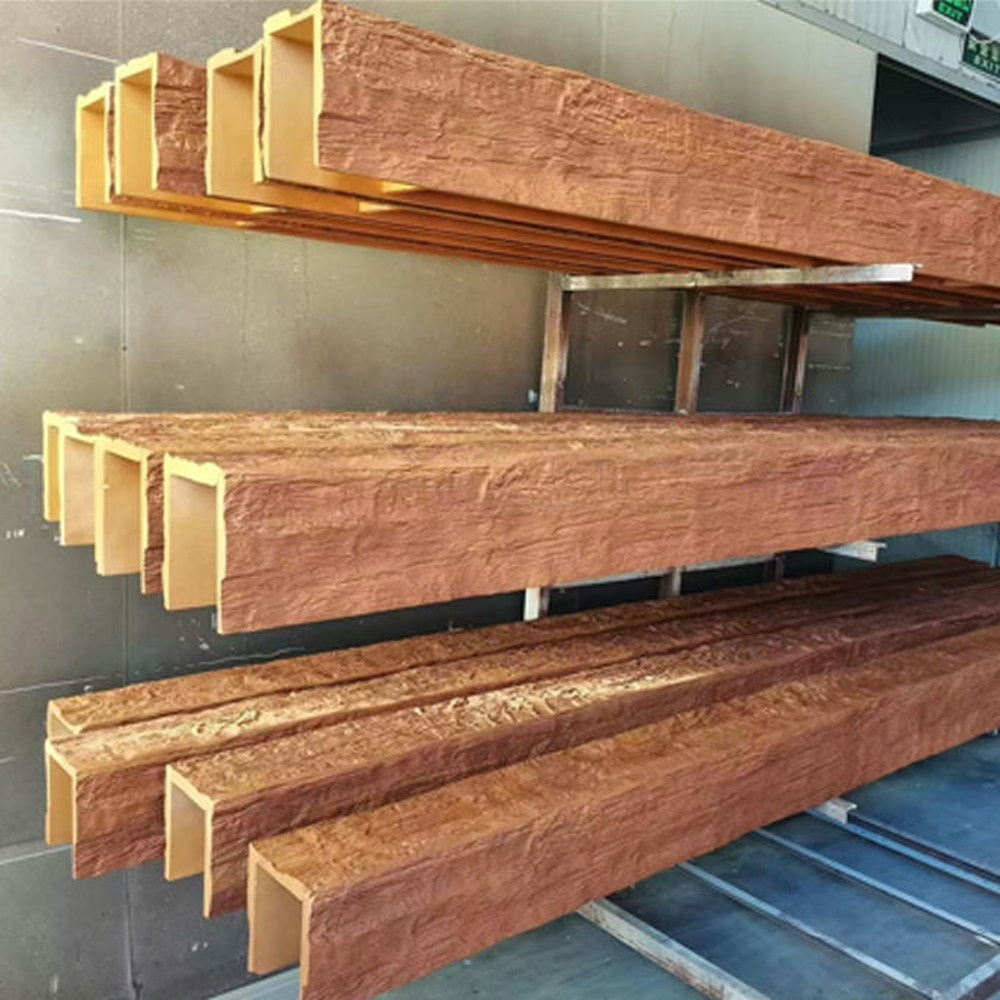
Profile selection for accent purposes
Profile choice affects accent impact:
Slim accent profiles
Subtle visual emphasis:
- 4x4 and 4x6 profiles
- Contemporary restraint
- Works in lower ceilings
- Less material investment
Slim profiles create modern accent effects.
Moderate accent profiles
Balanced visual emphasis:
- 6x6 and 6x8 profiles
- Standard visual presence
- Works in most applications
- Versatile across design styles
Moderate profiles offer design flexibility.
Bold accent profiles
Strong visual emphasis:
- 8x8 and 8x10 profiles
- Maximum accent impact
- Works in higher ceilings
- Creates strong visual statements
Bold profiles command attention.
Single beam versus multiple beam approaches
Accent styling considers beam count:
Single dramatic beam
Maximum impact with minimum elements:
- One carefully placed beam
- Strong visual statement
- Lower cost
- Easier installation
- Clear design focus
Single beams excel for focused accent applications.
Paired beam configurations
Two beams creating layered emphasis:
- Symmetrical or asymmetrical placement
- Reinforced visual emphasis
- Frame specific elements
- Create more substantial presence
Paired beams provide stronger emphasis than single installations.
Multiple coordinated beams
Multiple beams working together:
- Consistent spacing or pattern
- Comprehensive ceiling treatment
- Strongest visual presence
- Higher material and installation investment
Multiple beams serve projects requiring comprehensive ceiling character.
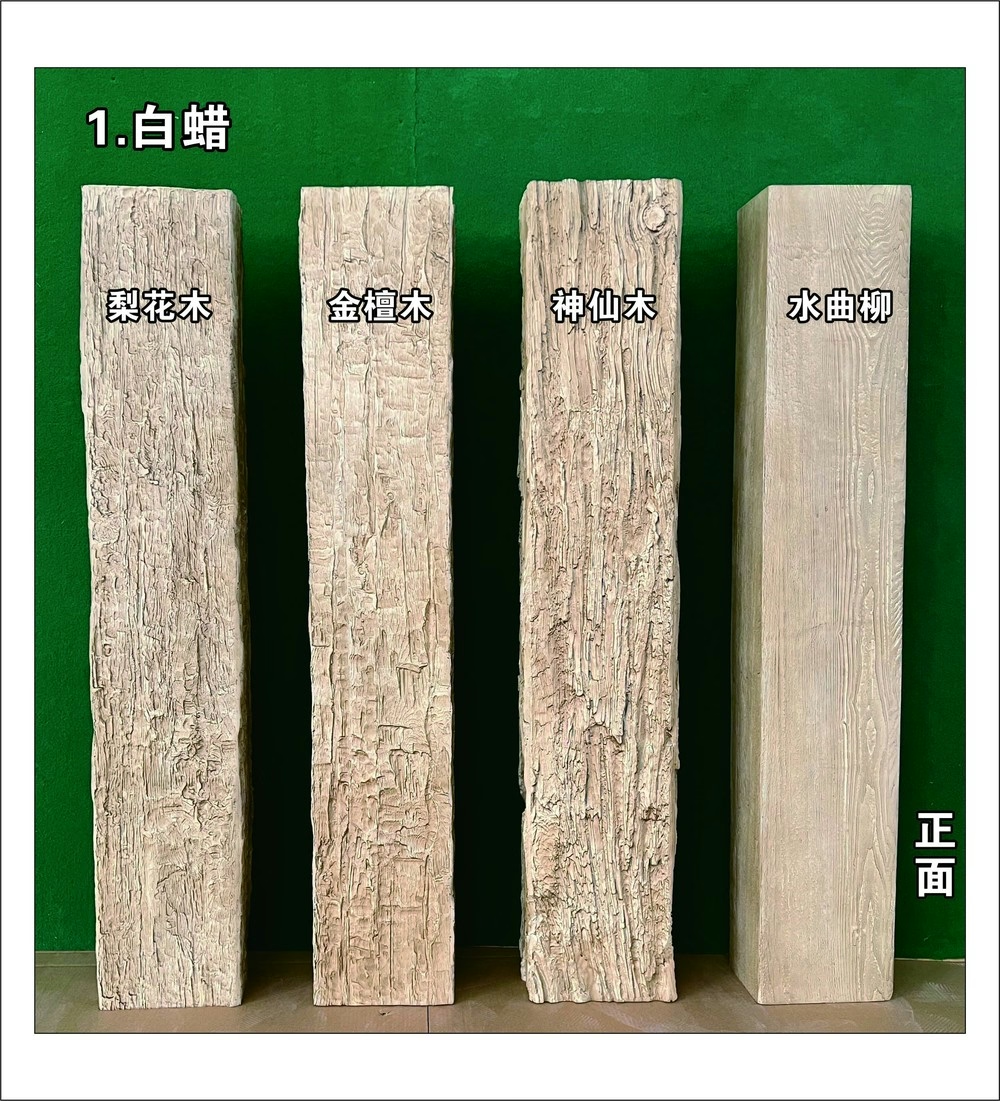
Texture and finish for accent impact
Surface treatment affects accent effectiveness:
Natural grain emphasis
Visible grain texture:
- Authentic timber character
- Traditional aesthetic emphasis
- Strong visual presence
- Works with natural finishes
Natural grain creates strong accent impact.
Refined texture
Smooth or subtle grain:
- Contemporary restraint
- Modern aesthetic emphasis
- Sophisticated visual presence
- Works with painted finishes
Refined texture creates modern accent effects.
Heavy texture
Deep grain or tool marks:
- Rustic accent character
- Lodge and farmhouse aesthetics
- Maximum visual interest
- Strong shadow play
Heavy texture creates dramatic accent impact.
Custom finishes
Project-specific treatments:
- Color-matched accents
- Specialty finishing techniques
- Coordinated with room palette
- Distinctive appearance
Custom finishes create unique accent character.
Specific ceiling configurations
Accent styling serves various ceiling types:
Flat ceilings
Standard residential ceiling treatment:
- Beams mounted directly to flat surface
- Simple installation approach
- Most common residential application
- Wide profile compatibility
Flat ceilings accept any accent beam configuration.
Vaulted ceilings
Sloped or cathedral ceilings:
- Beams follow ceiling slope
- Perpendicular beams create perpendicular emphasis
- Peak beams emphasize highest point
- Strategic placement manages proportions
Vaulted ceilings benefit from thoughtful beam placement.
Tray ceilings
Stepped or recessed ceiling features:
- Beams defining tray edges
- Inside tray beam treatments
- Outside perimeter beam framing
- Layered ceiling emphasis
Tray ceilings gain additional dimension from beam treatments.
Coffered ceilings
Pre-existing coffered patterns:
- Beam emphasis within coffers
- Perimeter beam reinforcement
- Pattern enhancement
- Character reinforcement
Coffered ceilings benefit from accent beam additions.
Integration with other design elements
Accent beams coordinate with room elements:
Lighting coordination
Beams interact with light fixtures:
- Position beams to complement chandeliers
- Recess lighting within beam areas
- Coordinate pendant placements
- Beam-mounted lighting options
Lighting coordination enhances both elements.
Furniture relationship
Beams relate to furniture arrangements:
- Position above bed, table, or island
- Coordinate with seating arrangements
- Frame furniture groupings
- Support room function definition
Furniture coordination reinforces room purpose.
Architectural feature integration
Beams work with existing architecture:
- Coordinate with window placement
- Complement door and opening locations
- Relate to fireplace positioning
- Support built-in millwork
Architectural integration creates unified design.
Practical implementation
Accent styling projects benefit from:
Clear design intention — understand what the accent beam should emphasize
Strategic placement planning — consider sight lines and focal points
Appropriate profile selection — match profile to ceiling and room scale
Finish coordination — ensure beam finish supports overall design
Quality installation — accent beams demand precise execution
These implementation factors determine accent styling success.
Strategic ceiling enhancement
Accent styling PU faux beams for ceiling visual highlighting transform ordinary ceilings into design features that actively contribute to room character. The combination of strategic placement, appropriate profile selection, and considered finish choices creates ceiling treatments that direct attention, establish emphasis, and support overall design intentions. For projects seeking ceiling sophistication without comprehensive coverage, accent styling offers focused, efficient, and impactful solutions.
Use accent styling when beam placement serves specific design purposes rather than comprehensive coverage.
Technical References
ASTM standards cited in every specification
Test Data
Lab results from internal testing program
Updated 2026
Reviewed against current product specs

