Accent walls command attention through bold color or distinctive texture. Ceiling beams command attention through architectural presence. When these elements work together rather than competing, the result is sophisticated interior composition with strong visual impact. Coordinated beam and accent wall design creates unified focal points that exceed what either element achieves alone.
The coordination requires understanding how beam placement, finish selection, and accent wall treatment interact. Done well, the combination creates architectural moments that define room character. Done poorly, the elements compete for attention and create visual confusion. Understanding the principles of complementary design ensures successful integration.
Why beam and accent wall coordination matters
Interior design principles explain the importance:
Visual hierarchy — competing focal points weaken room definition; coordinated elements strengthen it
Design unity — related elements create cohesive compositions; unrelated elements feel arbitrary
Spatial definition — beam-wall relationships establish spatial organization
Emotional impact — sophisticated combinations create memorable environments
Design efficiency — coordination accomplishes more than either element independently
The integration of beams and accent walls produces spaces with greater impact than either treatment alone.
Coordination strategies
Multiple approaches create beam and accent wall relationships:
Beam above accent wall
Beam mounted directly above accent wall:
- Reinforces accent wall as primary focus
- Creates vertical alignment of visual weight
- Defines wall-ceiling relationship
- Strong design statement
Above-wall placement establishes strong focal emphasis.
Beam perpendicular to accent wall
Beam running perpendicular to accent wall:
- Creates cross-axis visual interest
- Frames accent wall from perpendicular angle
- Establishes room-wide design relationship
- Dynamic spatial composition
Perpendicular placement creates dynamic relationships.
Beams surrounding accent wall
Multiple beams framing accent wall:
- Creates complete architectural enclosure
- Maximum focal emphasis on wall
- Defines specific room zone
- Sophisticated design composition
Surrounding placement creates complete architectural moments.
Beam and accent wall as parallel features
Beam and accent wall as separate but coordinated features:
- Two related but distinct focal points
- Distributes visual interest
- Creates sophisticated balance
- Works in larger rooms
Parallel placement creates sophisticated distributed emphasis.
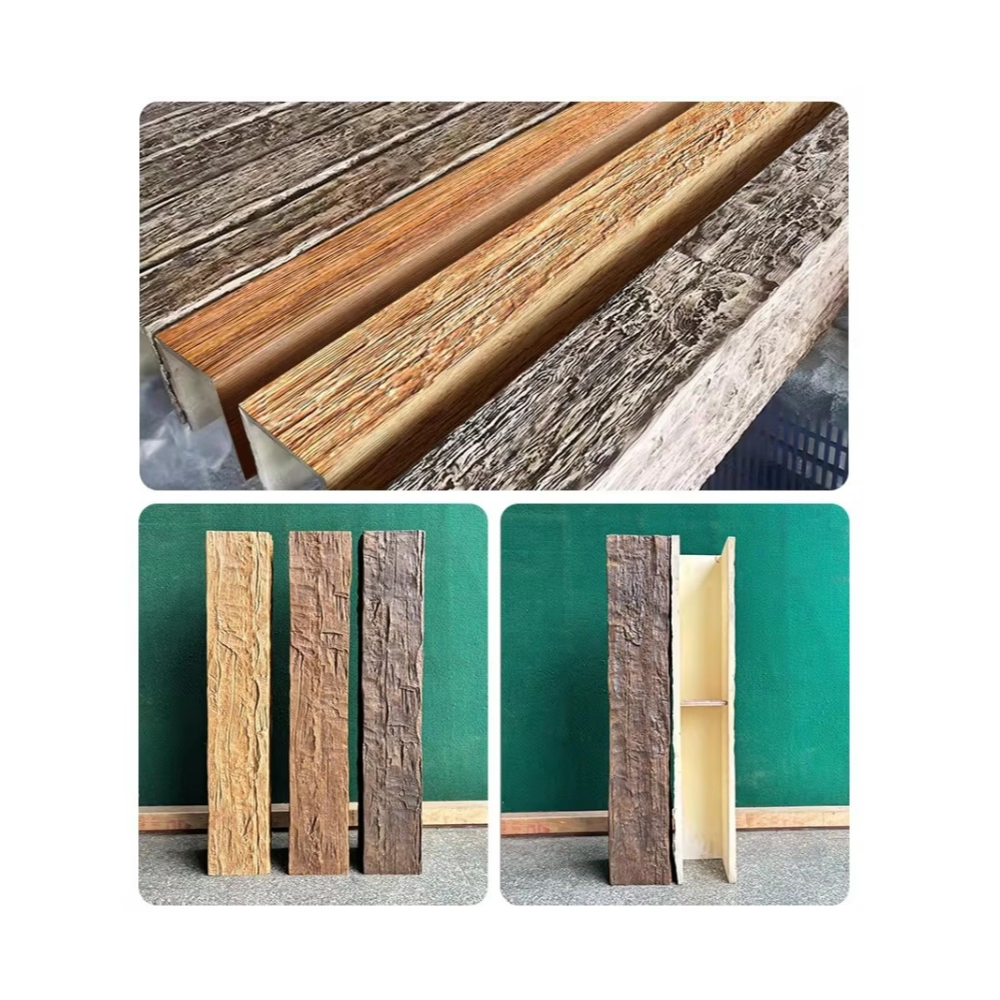
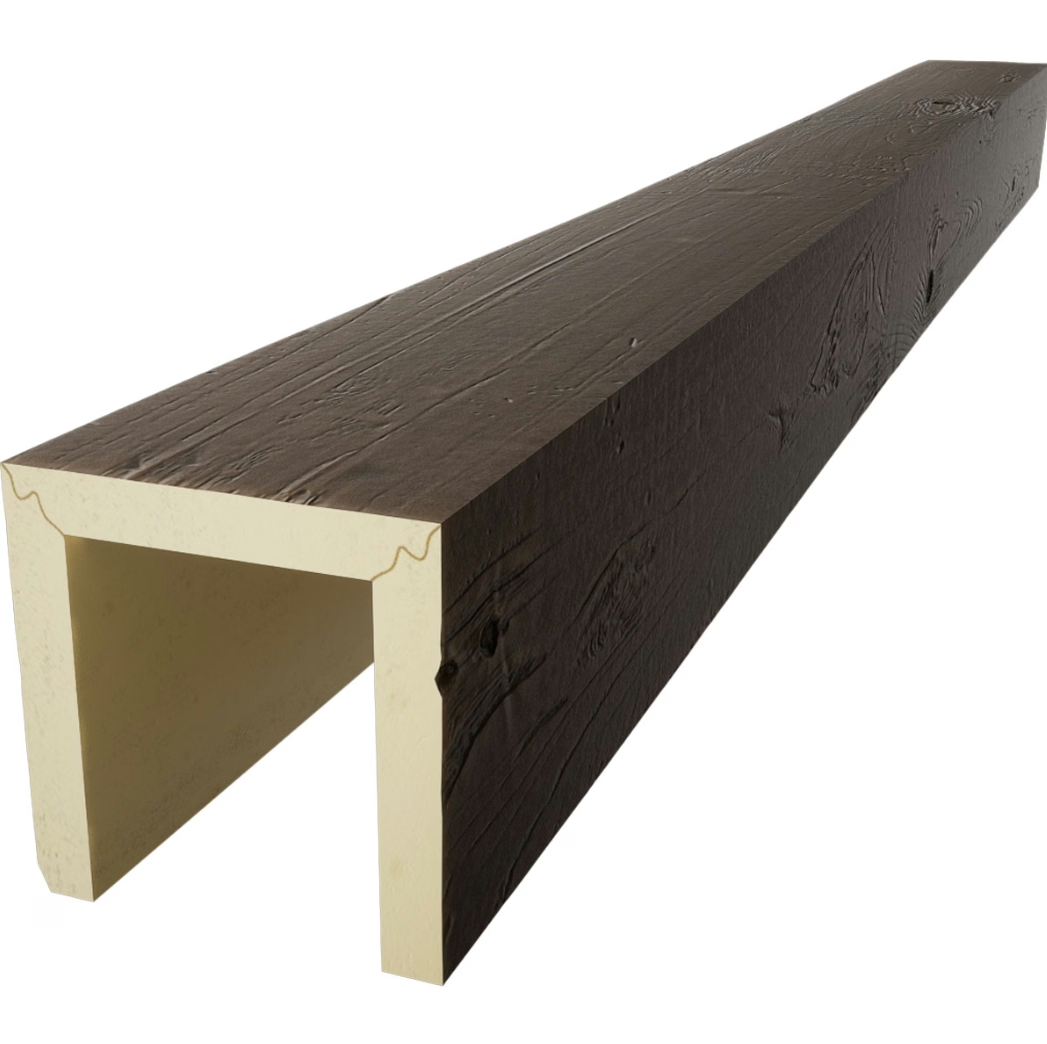
Material and finish coordination
Beam and wall treatments should relate through:
Color family relationships
Coordinated color approaches:
- Beam stain matching accent wall undertone
- Complementary contrast between beam and wall
- Monochromatic sophistication with tonal variation
- Bold color statements with beam support
Color relationships create visual coherence.
Texture interplay
Surface texture relationships:
- Smooth beam against textured accent wall
- Heavy beam texture against smooth wall
- Mixed textures creating interest
- Consistent textures creating unity
Texture interplay adds visual sophistication.
Material echo
Similar material appearance:
- Wood beam against wood-accented wall
- Beam texture echoing wall paneling
- Material continuity through design
- Subtle material relationships
Material echo creates refined design connections.
Contrast strategy
Deliberate contrast for emphasis:
- Light beam against dark accent wall
- Natural beam against painted wall
- Heavy beam against minimal wall treatment
- Strong contrast creating visual punch
Contrast creates strong design moments.
Common application patterns
Several configurations appear frequently in successful designs:
Fireplace accent wall with overhead beam
Traditional fireplace wall treatment:
- Fireplace wall as accent
- Beam serving as mantel or above mantel
- Coordinated finish treatments
- Classic sophisticated composition
Fireplace-beam combinations represent enduring design patterns.
TV accent wall with complementary beam
Modern entertainment wall design:
- TV wall with treatment
- Beam providing framing or above-position emphasis
- Coordinated with media design
- Contemporary focal composition
TV wall combinations address modern living room requirements.
Bed wall accent with ceiling beam
Master bedroom sophisticated design:
- Headboard wall as accent
- Beam above bed creating vertical composition
- Coordinated bedroom design
- Romantic and sophisticated atmosphere
Bed wall combinations create bedroom focal moments.
Dining wall accent with parallel beam
Dining room sophisticated treatment:
- Feature wall behind dining furniture
- Beam parallel creating dining zone
- Coordinated dining atmosphere
- Architectural dining room definition
Dining wall combinations create formal dining character.
Entry accent wall with framing beam
Foyer architectural moment:
- Entry wall as first impression
- Beam providing architectural framing
- Coordinated welcoming composition
- Strong home identity establishment
Entry combinations create strong first impressions.
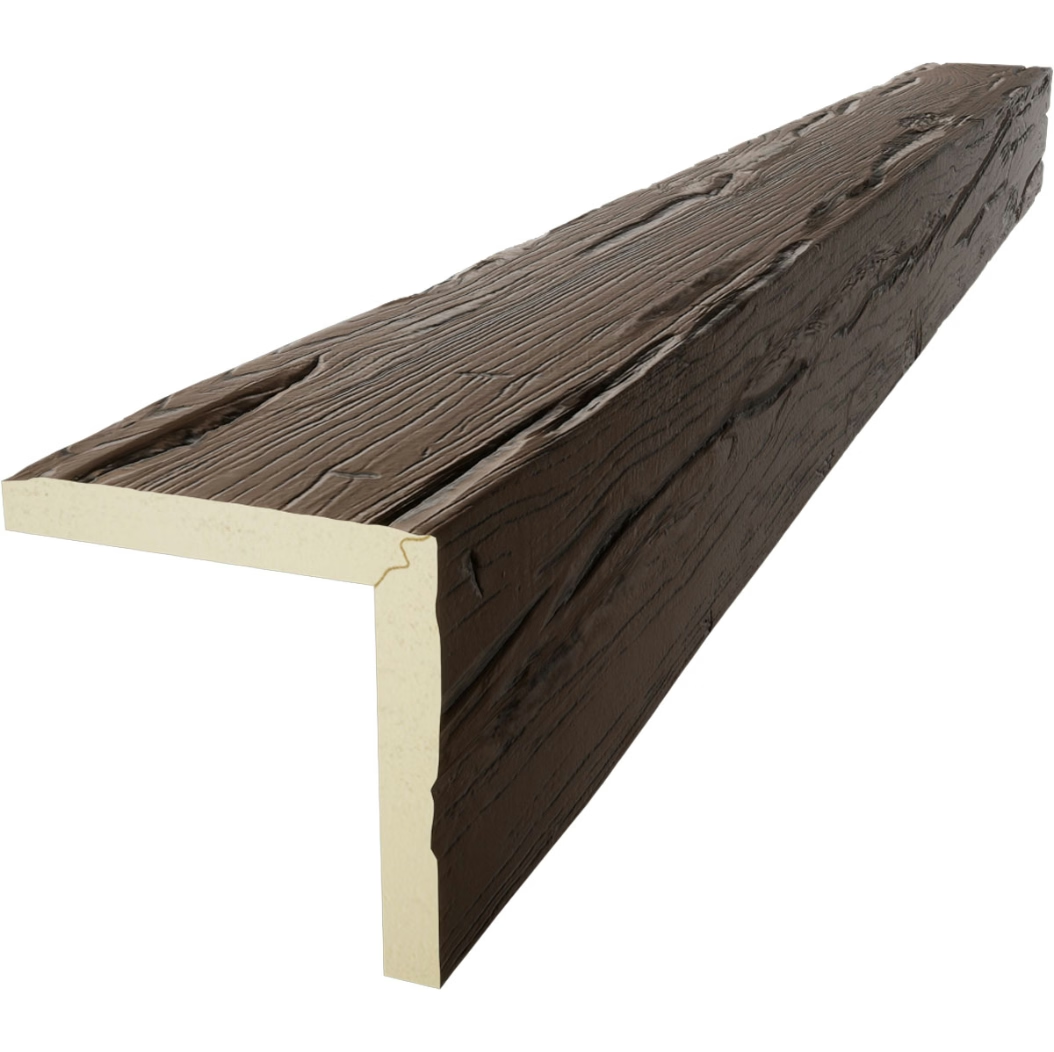
Profile selection for accent wall coordination
Beam profile affects accent wall relationships:
Subtle profiles for wall emphasis
Smaller profiles let walls remain primary:
- 4x4 and 4x6 profiles
- Beam as supporting element
- Wall maintains focal dominance
- Refined design relationship
Subtle profiles create sophisticated supporting roles.
Moderate profiles for balanced emphasis
Mid-range profiles create balanced emphasis:
- 6x6 and 6x8 profiles
- Beam and wall share focal weight
- Balanced design relationship
- Most versatile approach
Moderate profiles serve most coordination requirements.
Bold profiles for dominant beam
Larger profiles emphasize beam alongside wall:
- 8x8 and 8x10 profiles
- Beam gains equal or greater emphasis
- Creates powerful combinations
- Strong architectural statements
Bold profiles create powerful accent wall relationships.
Lighting integration
Coordinated lighting enhances beam and wall relationships:
Wall washing
Light emphasizing accent wall:
- Wall washer fixtures
- Recessed lighting angled toward wall
- Beam-mounted lights directed at wall
- Highlighted wall surfaces
Wall washing creates dramatic wall emphasis.
Beam highlighting
Light emphasizing beam presence:
- Directional lighting on beam surfaces
- Raking light creating texture shadows
- Beam-mounted accent lighting
- Architectural lighting on beam elements
Beam highlighting draws attention to beam character.
Combined lighting
Coordinated lighting supporting both elements:
- Balanced lighting across wall and beam
- Layered lighting design
- Architectural lighting integration
- Comprehensive illumination plan
Combined lighting creates sophisticated compositions.
Accent lighting
Targeted lighting for specific effects:
- Picture lights on wall art
- Display lighting on featured objects
- Beam-integrated lighting
- Decorative fixture contributions
Accent lighting enhances specific design moments.
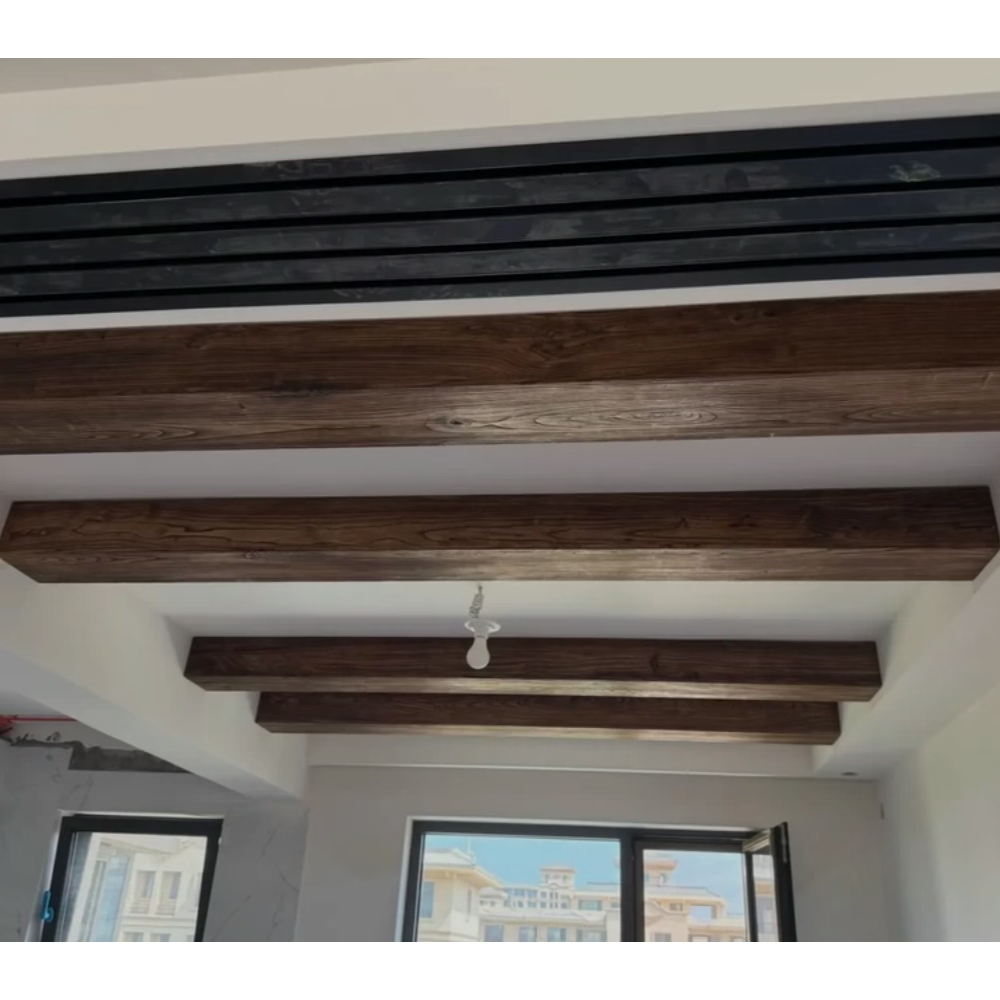
Design composition principles
Successful beam-wall coordination follows design principles:
Clear hierarchy — determine which element is primary and which is supporting
Intentional relationship — every beam should relate to wall treatment deliberately
Material integrity — beam and wall finishes should feel honest together
Proportional balance — visual weight should distribute appropriately
Lighting integration — lighting should support both elements appropriately
These principles guide successful coordination.
Common coordination mistakes
Avoid these frequent errors:
Unrelated finishes — beam and wall finishes with no relationship create confusion
Competing emphasis — both elements demanding primary attention without resolution
Scale mismatch — beam and wall proportions that don't relate appropriately
Lighting neglect — failing to integrate lighting with the composition
Placement coincidence — beams placed without intentional wall relationship
Avoiding these mistakes produces successful compositions.
Coordinated sophistication
Accent wall complementary faux wood decorative ceiling beams create sophisticated interior compositions when properly coordinated. The combination of strategic placement, finish coordination, and design intention produces spaces with strong visual impact and refined character. For projects seeking focal moment sophistication, beam and accent wall coordination delivers design quality that exceeds either treatment alone.
Coordinate beam and accent wall treatments when seeking sophisticated interior focal moments with strong visual impact.
Technical References
ASTM standards cited in every specification
Test Data
Lab results from internal testing program
Updated 2026
Reviewed against current product specs


