Accent walls work harder when paired with dedicated beam treatments. The wall provides color and texture interest; the beams provide architectural presence and structural suggestion. Together, they create compositions with more impact than either element delivers alone. Dedicated means intentional — the beams exist specifically to support and enhance the accent wall rather than serving separate design purposes.
The dedication shows in placement precision, finish coordination, and proportional relationships. Generic ceiling beam treatments don't qualify. Walls treated as afterthoughts don't qualify. True dedicated beam-wall design requires integration from initial planning through final execution.
What makes beams "dedicated" to accent walls
Several characteristics distinguish dedicated beam treatments:
Placement directly related to wall
Beam position specifically responds to wall:
- Directly above wall as visual cap
- Perpendicular to wall for cross-axis relationship
- Framing wall for architectural enclosure
- Returning into wall for structural suggestion
Placement shows intentional relationship.
Finish specifically coordinated
Beam finish selected to complement wall:
- Color matching or intentional contrast
- Texture relationships considered
- Material echo or deliberate opposition
- Coordinated aging and patina
Finish coordination shows integrated design thinking.
Profile chosen for wall scale
Beam dimensions appropriate to wall:
- Profile size related to wall dimensions
- Beam scale supporting rather than competing
- Proportional relationships considered
- Architectural balance achieved
Profile selection shows wall-aware specification.
Lighting integrated with both
Lighting design serves both elements:
- Wall washing and beam highlighting
- Combined illumination strategies
- Coordinated fixture selections
- Architectural lighting integration
Lighting integration shows comprehensive design.
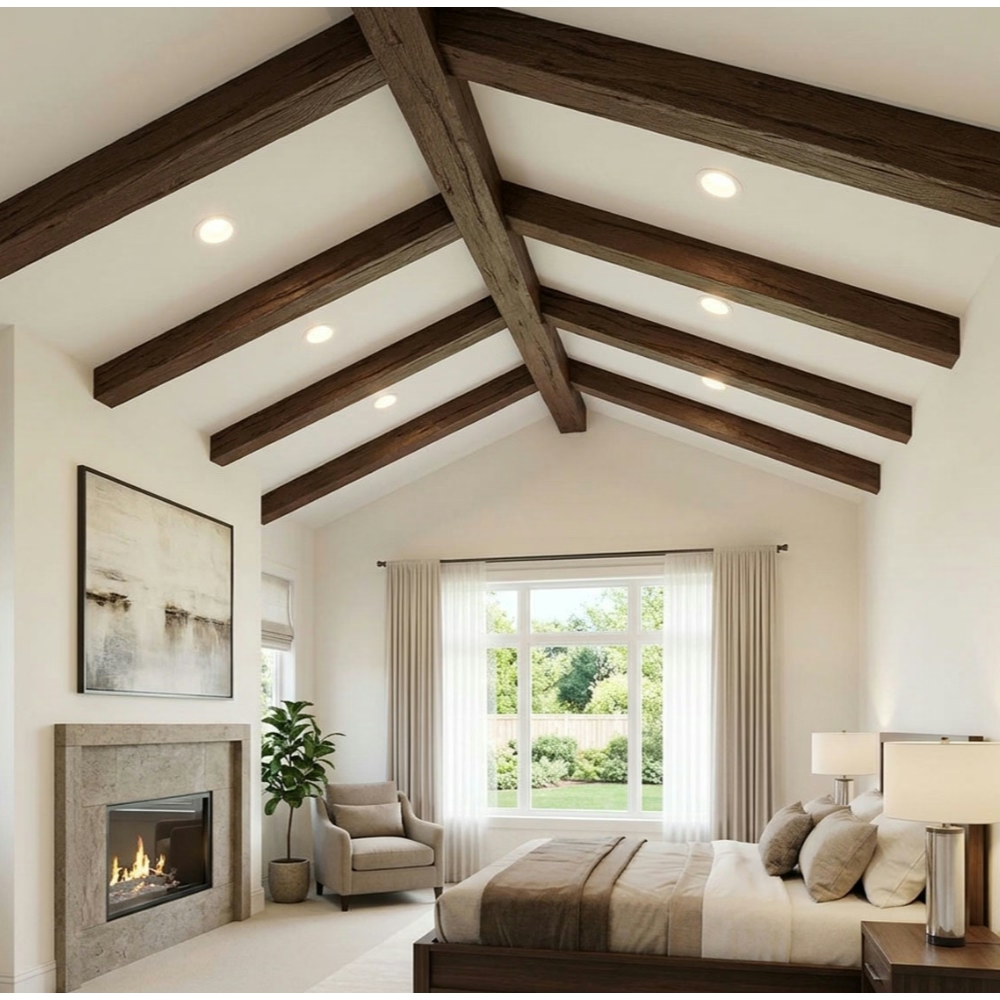
Design strategies for dedicated beam-wall treatments
Multiple approaches serve dedicated relationships:
Cap beam above wall
Single beam directly above accent wall:
- Creates visual completion
- Frames wall from above
- Establishes vertical composition
- Most common dedicated approach
Cap beams create clear architectural moments.
Perimeter beam framing
Beams on multiple sides of accent wall:
- Beam above (cap)
- Beam to one side (return)
- Beam to other side (return)
- Possible beam below (base)
Perimeter framing creates complete architectural enclosure.
Return beam from wall
Beam appearing to emerge from wall:
- One end terminates into wall
- Other end extends into room
- Creates structural suggestion
- Architectural connection with wall
Return beams create architectural continuity.
Cantilevered beam from wall
Beam projecting from wall without visible support:
- Creates dramatic visual effect
- Requires careful structural consideration
- Modern architectural statement
- Distinctive contemporary character
Cantilevered beams create dramatic contemporary moments.
Beam continuing across wall
Beam running horizontally across accent wall:
- Visual interruption of wall surface
- Strong horizontal emphasis
- Architectural rhythm across wall
- Sophisticated design relationship
Continuing beams create sophisticated wall relationships.
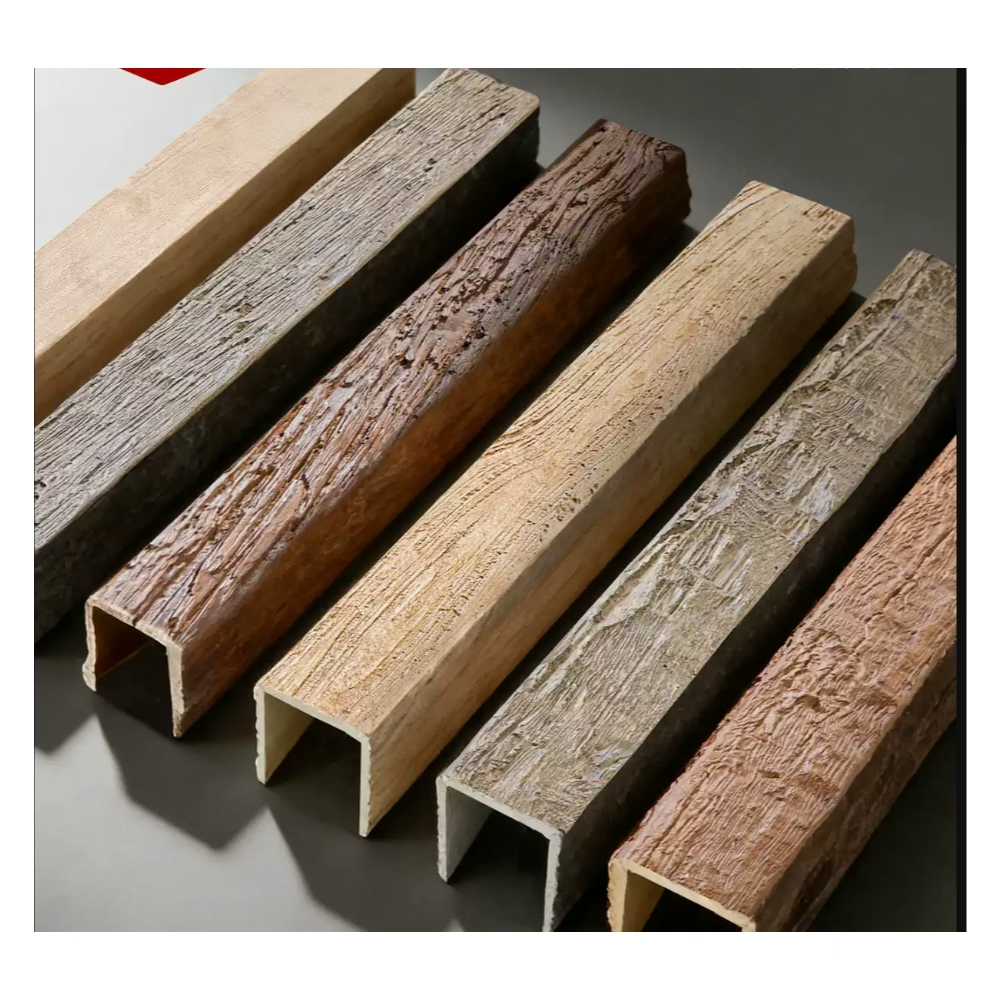
Finish coordination specifics
Beam and wall finishes require careful selection:
Stain matching wall undertone
Beam stain echoing accent wall color:
- Creates color harmony
- Subtly reinforces wall color
- Sophisticated coordination
- Works with neutral and colored walls
Stain matching creates refined color harmony.
Contrast strategy
Beam contrasting with wall:
- Dark beam against light wall
- Light beam against dark wall
- Natural beam against painted wall
- Bold contrast creating visual punch
Contrast creates strong design statements.
Neutral beam approach
Beam in neutral finish:
- White beam for subtle support
- Gray beam for sophisticated neutrality
- Natural clear finish for organic presence
- Allows wall color to dominate
Neutral beams let walls remain primary focus.
Textural coordination
Beam and wall texture relationships:
- Smooth beam against textured wall
- Heavy beam texture against smooth wall
- Mixed textures creating interest
- Coordinated textures creating unity
Texture coordination adds design sophistication.
Application examples
Dedicated beam-wall treatments serve various rooms:
Living room fireplace wall
Traditional fireplace as accent with dedicated beam:
- Fireplace wall with stone or treatment
- Beam serving as mantel or above mantel
- Coordinated finish treatments
- Architectural fireplace composition
Fireplace walls represent the most common dedicated beam-wall application.
Master bedroom headboard wall
Bed wall with overhead beam treatment:
- Headboard wall as accent
- Beam above creating vertical composition
- Coordinated bedroom atmosphere
- Romantic focal moment
Bedroom walls benefit from dedicated beam coordination.
Dining room feature wall
Dining wall with parallel beam:
- Feature wall behind dining table
- Beam parallel creating dining zone
- Coordinated formal atmosphere
- Architectural dining definition
Dining walls gain sophistication from dedicated beams.
Home office focus wall
Office wall with framing beam:
- Office wall with treatment
- Beam framing work environment
- Professional atmosphere creation
- Sophisticated workspace definition
Office walls benefit from dedicated beam support.
Entry sequence focal wall
Entry wall with architectural beam:
- Entry wall as first impression
- Beam providing architectural framing
- Welcoming sophisticated composition
- Home identity establishment
Entry walls create strong first impressions with dedicated beams.
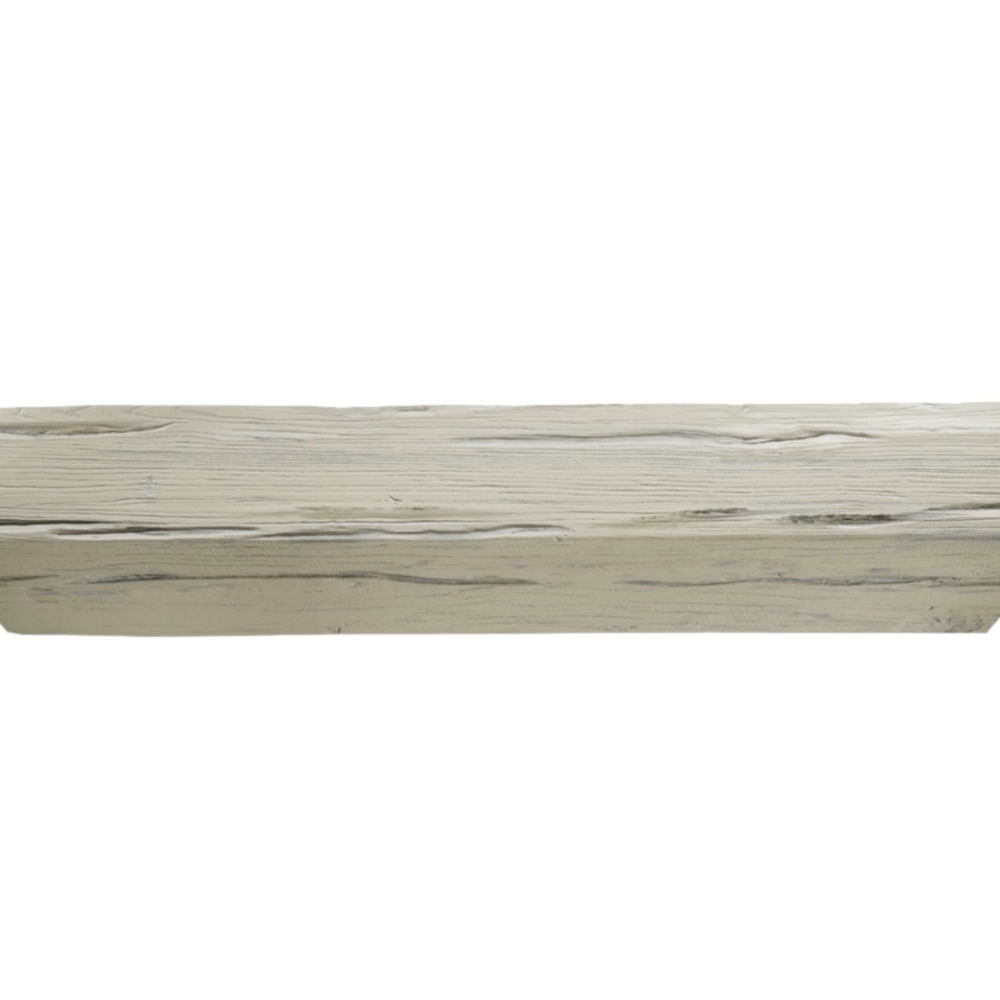
Construction and installation considerations
Dedicated beam-wall installations require:
Coordination during design phase
- Wall treatment planned with beam in mind
- Beam specifications developed alongside wall
- Lighting integrated from initial planning
- Proportional relationships established early
Early coordination prevents later compromises.
Precision during installation
- Beam placement verified against wall treatment
- Alignment with wall features confirmed
- Finish coordination verified before completion
- Lighting integration confirmed
Installation precision maintains design intention.
Sequencing between trades
- Wall treatment completed before beam installation
- Beam installation before lighting integration
- Final finish coordination after all elements complete
- Quality verification at each stage
Sequencing prevents coordination problems.
Profile selection for dedicated applications
Beam profile choice affects dedicated relationships:
Smaller profiles for subtle dedication
Subtle beam-wall relationships:
- 4x4 and 4x6 profiles
- Beam as refined support element
- Wall maintains primary emphasis
- Sophisticated restraint
Smaller profiles create refined supporting relationships.
Medium profiles for balanced dedication
Balanced beam-wall emphasis:
- 6x6 and 6x8 profiles
- Beam and wall share focal weight
- Balanced design relationship
- Most versatile approach
Medium profiles serve most dedicated applications.
Larger profiles for dominant dedication
Beam gaining prominence alongside wall:
- 8x8 and 8x10 profiles
- Strong architectural relationship
- Powerful design compositions
- Statement-making combinations
Larger profiles create strong beam-wall statements.
Lighting strategies for dedicated treatments
Lighting integration serves dedicated compositions:
Wall washing with beam accent
Primary wall illumination with beam support:
- Wall-focused lighting as primary
- Beam lighting as secondary accent
- Coordinated illumination hierarchy
- Comprehensive lighting design
Wall washing with beam accent creates balanced illumination.
Beam highlighting with wall support
Primary beam illumination with wall context:
- Beam-focused lighting primary
- Wall lighting providing context
- Dramatic beam emphasis
- Sophisticated lighting approach
Beam highlighting creates dramatic compositions.
Combined dramatic lighting
Bold illumination for both elements:
- Coordinated dramatic lighting
- Both elements strongly illuminated
- Architectural drama throughout
- Strong design moment creation
Combined dramatic lighting creates powerful compositions.
Subtle ambient coordination
Restrained lighting for sophisticated mood:
- Low-level ambient lighting
- Both elements softly illuminated
- Sophisticated atmosphere
- Refined design mood
Ambient coordination creates sophisticated environments.
Dedicated design excellence
Accent wall dedicated PU faux beams for interior visual highlighting represent the integration of architectural beam elements with accent wall treatments in purposefully designed relationships. The combination of strategic placement, coordinated finishes, and integrated lighting creates interior compositions with strong visual impact and refined character. For projects seeking accent wall treatment with architectural reinforcement, dedicated beam-wall design delivers sophisticated results.
Specify dedicated beam-wall coordination when seeking maximum impact from accent wall treatments with architectural support.
Technical References
ASTM standards cited in every specification
Test Data
Lab results from internal testing program
Updated 2026
Reviewed against current product specs


