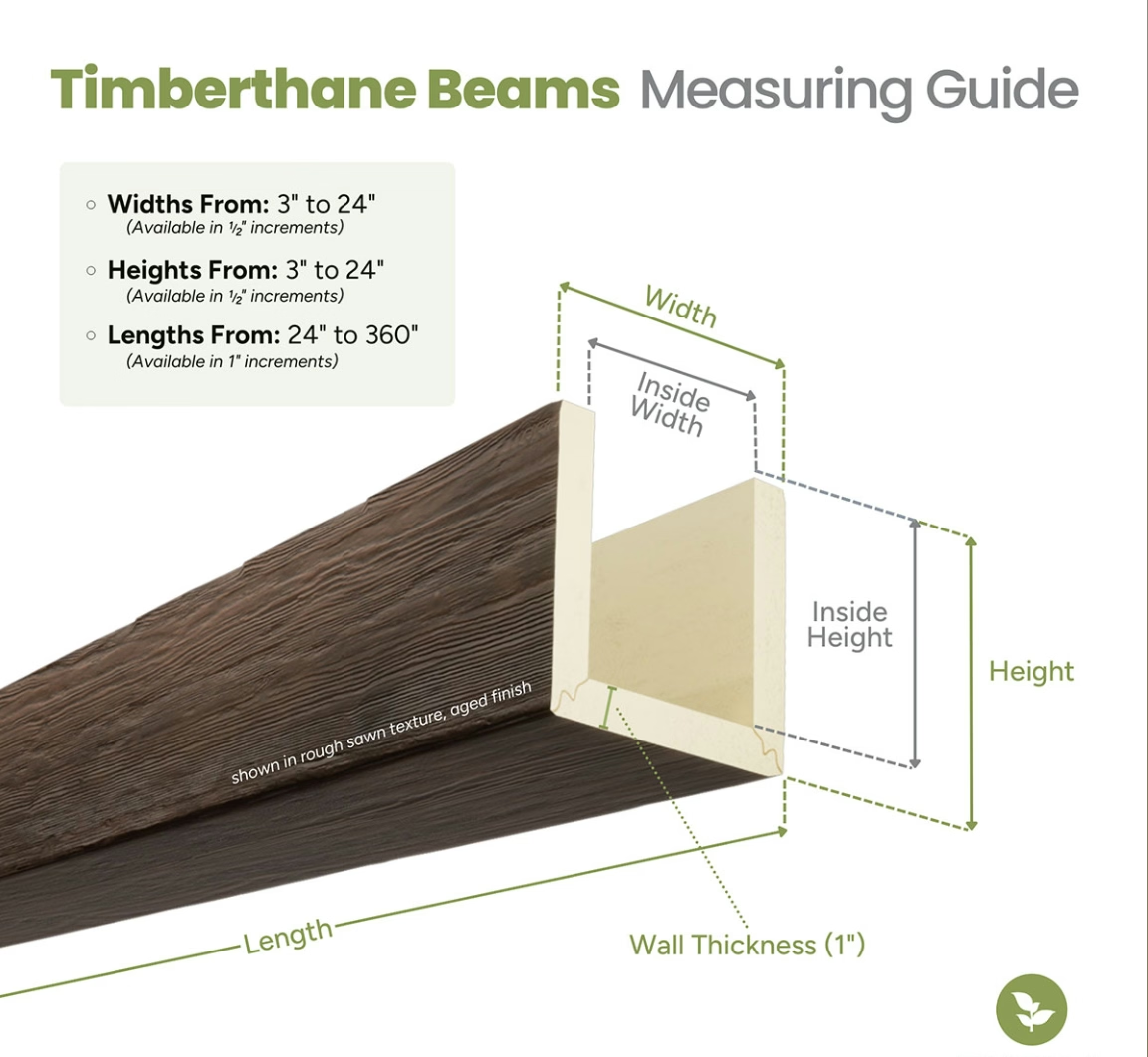
The Church Ceiling Challenge
Churches present unique design challenges:
- High ceilings create echo and reverberation
- Traditional aesthetics demand timber character
- Modern acoustic performance is essential for intelligibility
- Budget constraints often limit options
Faux beams offer one solution to these challenges.
Understanding Church Acoustics
The Reverberation Problem
Large church volumes generate:
- Long reverberation times
- Reduced speech intelligibility
- Music that overwhelms rather than supports
Contemporary worship styles amplify these challenges.
Traditional Appearance
Churches often feature:
- Timber roof structures
- Exposed beams and trusses
- Warm wood aesthetics
Modern construction often doesn't include these traditional elements.
Beam-Based Solutions
Full Ceiling Treatment
Comprehensive beam installation:
- Grid pattern across entire ceiling
- Maximum surface area for absorption
- Creates traditional appearance
This approach addresses both aesthetics and acoustics.
Selective Treatment
Strategic beam placement:
- Above congregational seating
- Around speaker locations
- Where traditional structure suggests beams
Less coverage, still effective.
Hybrid Approaches
Beams combined with other treatment:
- Acoustic panels between beams
- Sound-absorbing materials behind beam grid
- Modern performance with traditional appearance
This combination often works best.

Design Considerations
Scale and Proportion
Church ceilings are typically:
- Very high (30-60+ feet)
- Large span without intermediate support
- Visible from throughout the space
Beams must scale appropriately:
- Larger profiles for larger spaces
- Closer spacing for visual proportion
- Substantial presence that matches traditional timber
Finish Selection
Church beam finishes often:
- Suggest aged timber
- Complement traditional architecture
- Coordinate with existing woodwork
Natural stains and medium tones work well.
Acoustic Integration
Speaker Coordination
Beam placement must coordinate with:
- Loudspeaker positions
- Coverage patterns
- Acoustic treatment needs
Early coordination prevents problems.
Music vs. Speech
Church acoustics serve different purposes:
- Contemporary music needs moderate reverb
- Speech intelligibility needs controlled reflections
- Traditional music may need more sustain
Beam treatment should balance these needs.
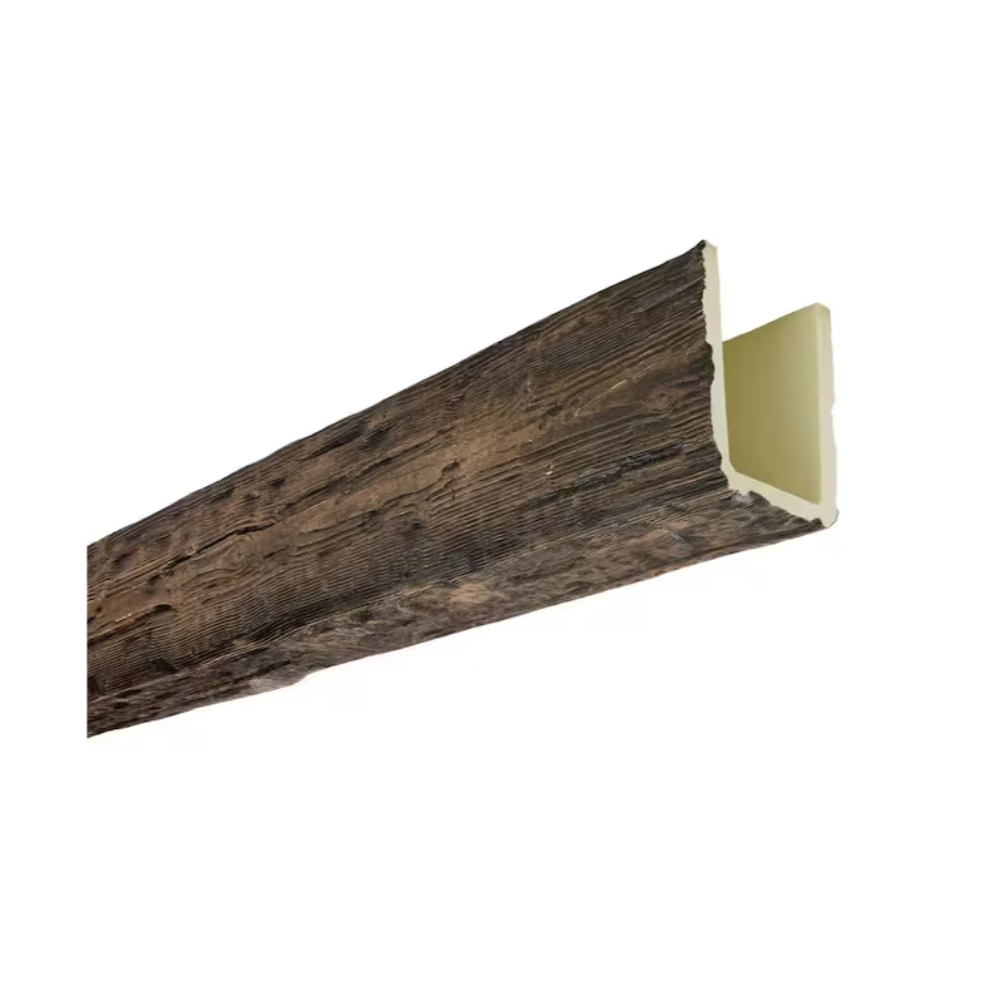
Budget Considerations
Comprehensive Treatment Cost
Full ceiling treatment:
- Significant material investment
- Substantial installation labor
- Ongoing maintenance
Budget accordingly.
Phased Implementation
Alternative approach:
- Initial beam installation for appearance
- Acoustic treatment added as budget allows
- Gradual improvement over time
This spreads cost across years.
Church ceiling beams address the authentic challenge of combining traditional aesthetics with modern acoustic requirements. The key is scale appropriate to vast volumes, strategic placement for acoustic benefit, and realistic expectations about what beam treatment alone can achieve. For significant acoustic problems, complementary treatment is essential.
Technical References
ASTM standards cited in every specification
Test Data
Lab results from internal testing program
Updated 2026
Reviewed against current product specs