Acoustic Performance Impact of Hollow vs. Foam-Filled Faux Beams
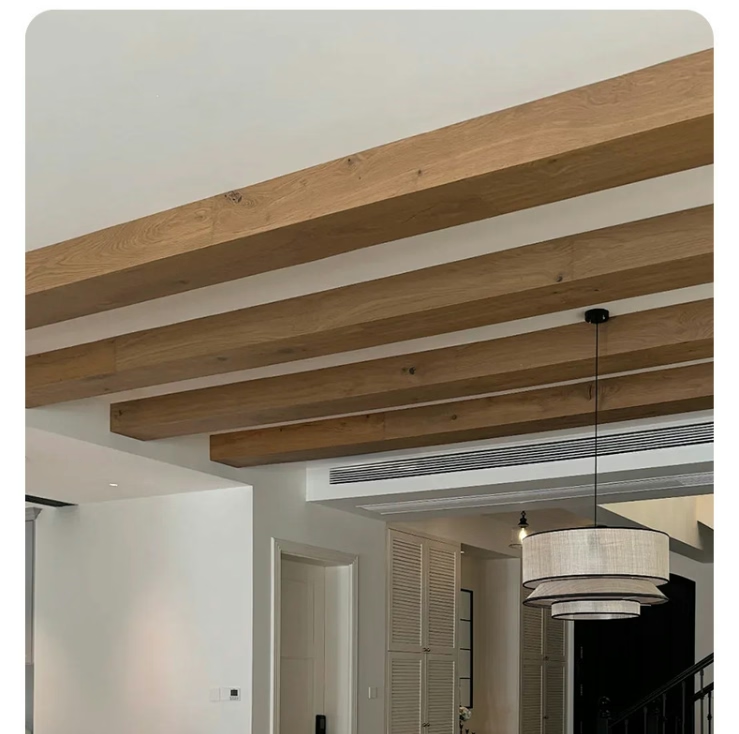
Faux beam internal structure significantly affects room acoustics, with hollow and foam-filled designs producing different sound reflection and absorption characteristics. Understanding these acoustic differences enables informed specification for sound-sensitive applications.
Hollow Beam Acoustic Characteristics
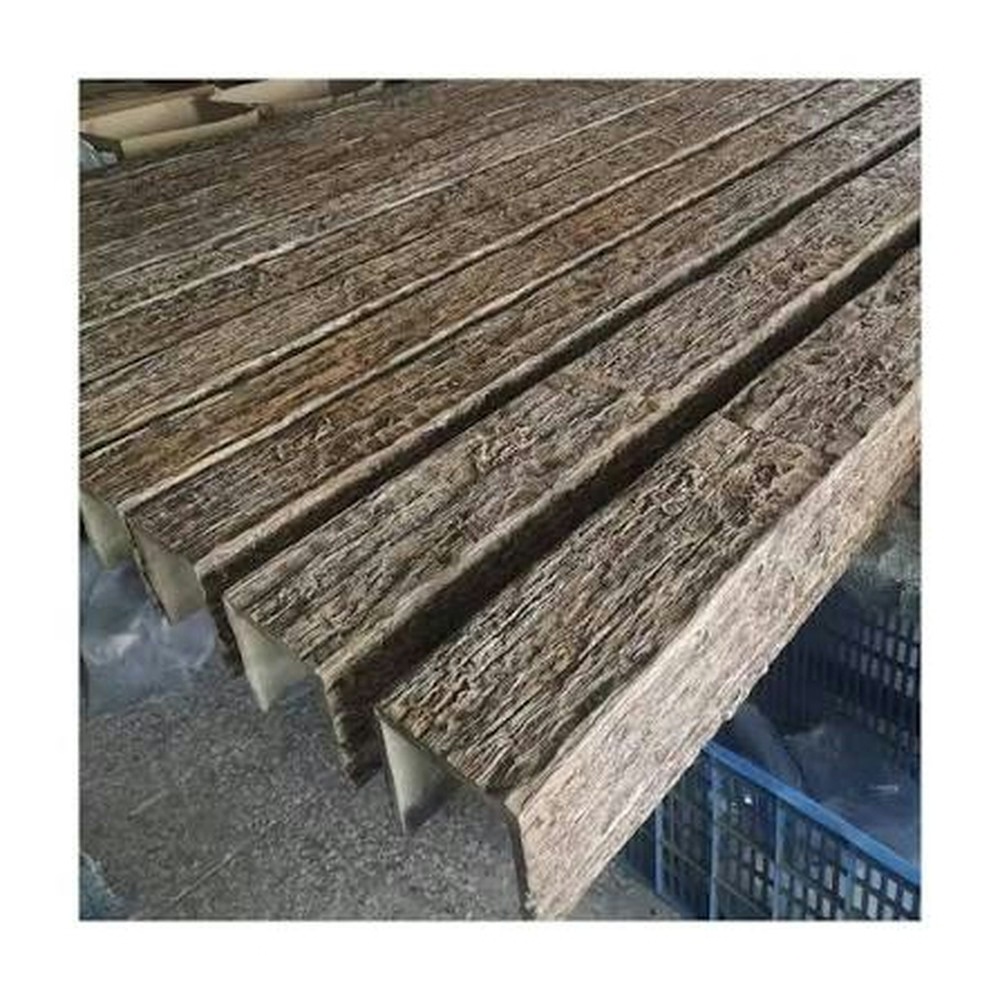
Hollow polyurethane beams create small resonant chambers that can amplify certain frequencies. These cavities may produce subtle echo effects in large rooms with minimal soft furnishings, though impacts are typically minor in residential applications.
Foam-Filled Beam Advantages
Internal foam filling adds mass and dampens resonance within beam cavities. This reduces potential echo amplification and provides modest sound absorption, improving overall room acoustic quality.
Frequency Response Differences
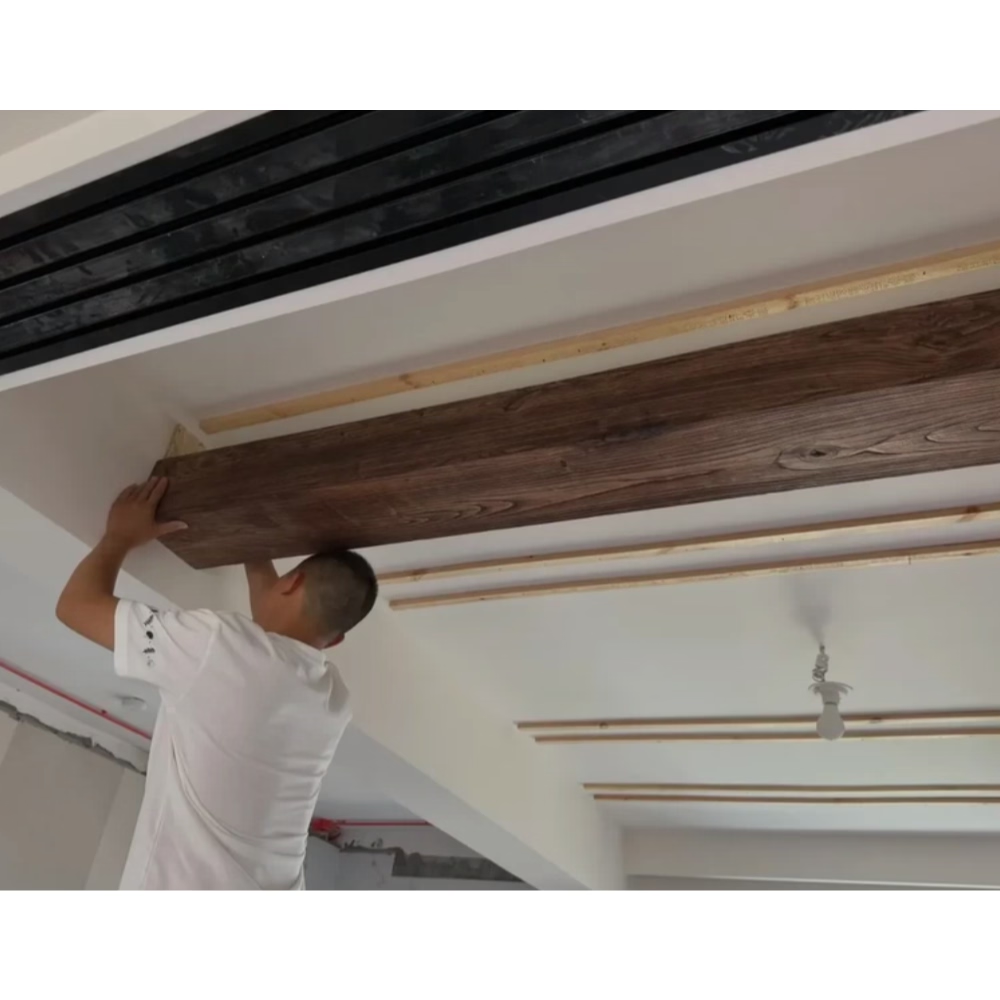
Hollow beams reflect mid-to-high frequencies more readily than foam-filled versions. In home theaters or music rooms, this increased reflection may require additional acoustic treatment for optimal sound quality.
Installation Density Effects
Rooms with extensive beam coverage (30%+ ceiling area) show more pronounced acoustic differences between hollow and filled designs. Sparse beam layouts minimize acoustic performance variations between beam types.

Combination Acoustic Strategies
Pair faux beams with acoustic ceiling panels, sound-absorbing materials, or strategic soft furnishings to manage room acoustics comprehensively. Beams alone rarely determine overall acoustic performance in furnished spaces.
Commercial Application Considerations
Open office environments, restaurants, or retail spaces benefit from foam-filled beams' modest sound dampening properties. The incremental absorption helps reduce ambient noise levels in high-occupancy spaces.
Testing and Measurement
Formal acoustic testing rarely justifies cost for residential faux beam projects. Commercial installations in sound-critical environments may warrant acoustic consultant involvement to model beam impact on room performance.
Weight and Cost Trade-Offs
Foam-filled beams add weight and material cost compared to hollow versions. Acoustic benefits must justify these increases for project-specific requirements and budget constraints.
Conclusion
While hollow and foam-filled faux beams produce measurable acoustic differences, practical impact in typical residential settings remains modest. Sound-sensitive commercial applications may justify specifying foam-filled beams for incremental acoustic performance improvements.
Technical References
ASTM standards cited in every specification
Test Data
Lab results from internal testing program
Updated 2026
Reviewed against current product specs