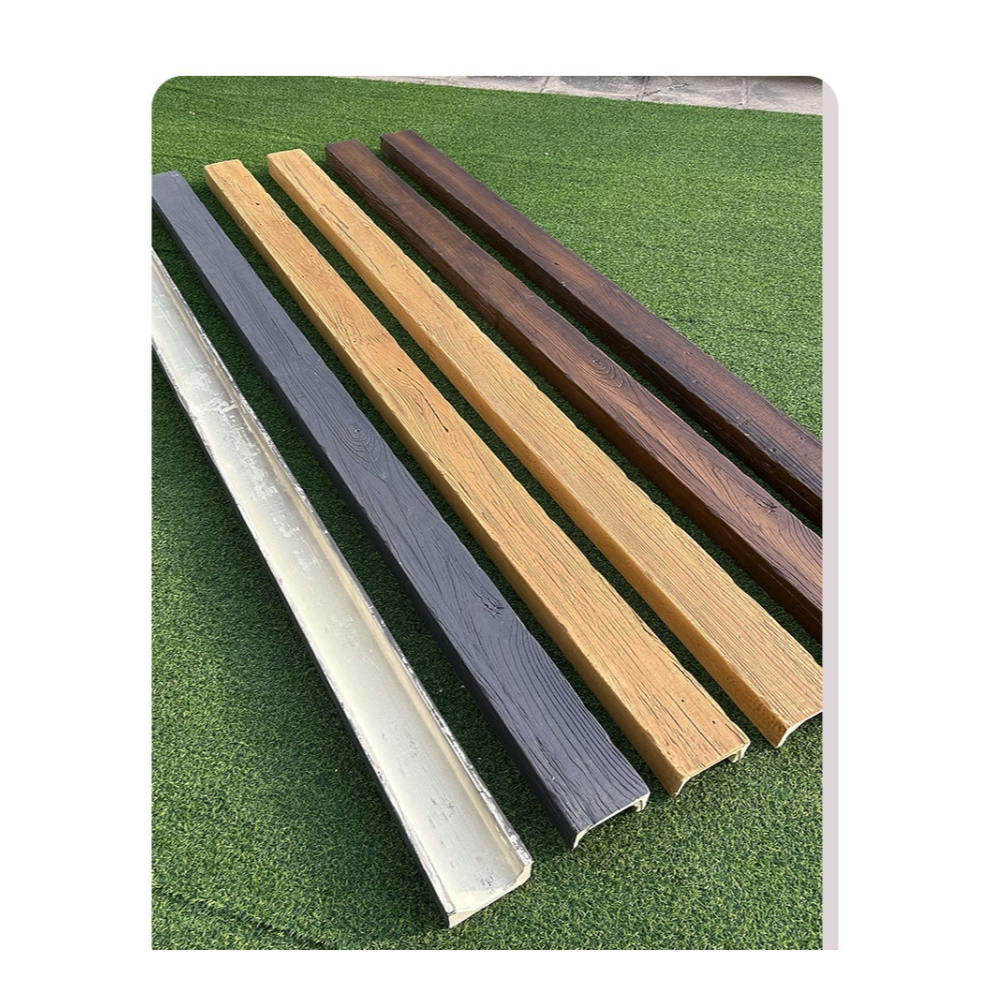
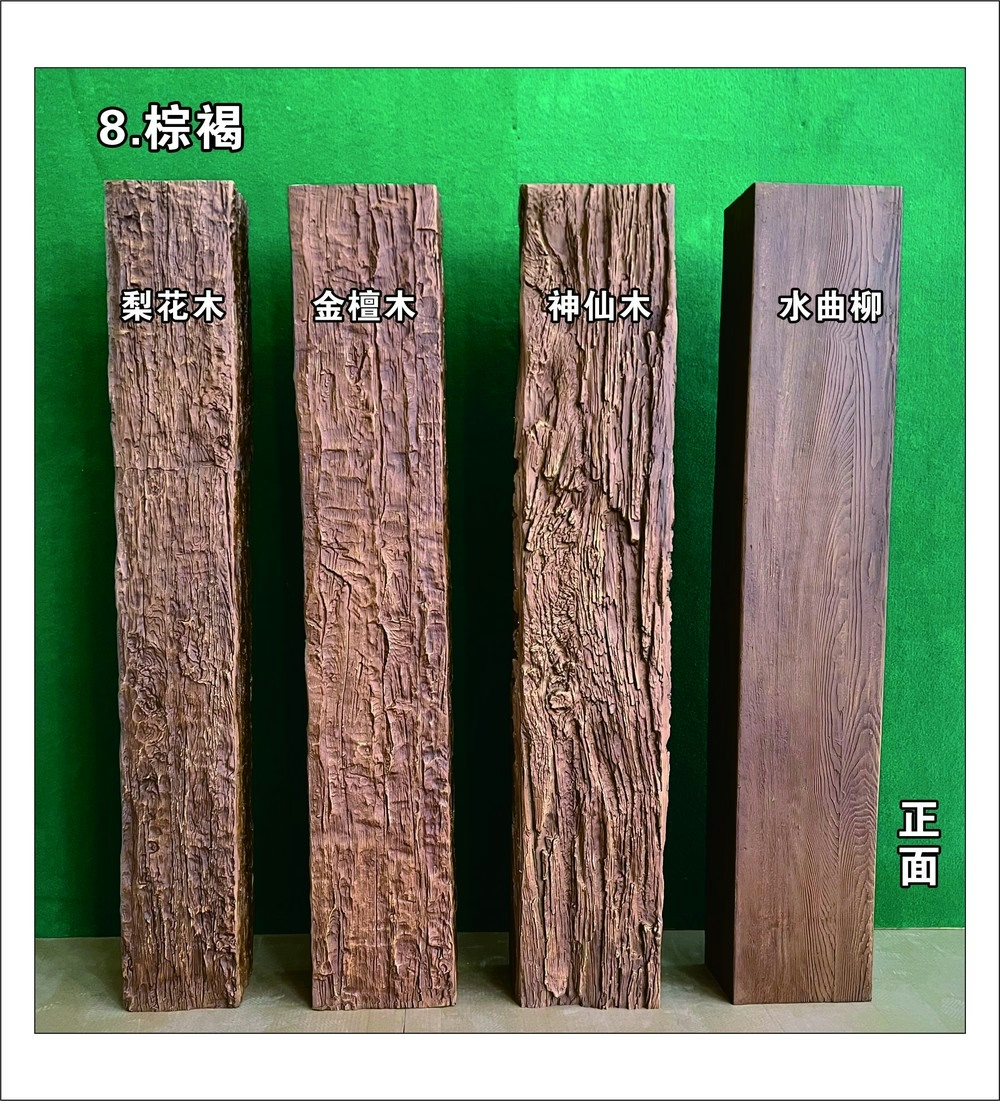
The adhesive you choose matters more than most installers realize. Construction adhesives vary enormously in chemistry, strength, flexibility, and compatibility with specific materials. Polyurethane beams present particular challenges — the smooth, non-porous surface doesn't bond well with all adhesive types, and the material's slight flexibility demands adhesives that move with the beam rather than cracking away. Selecting incorrectly produces installations that look fine initially but fail prematurely.
This guide provides the information needed to choose adhesives confidently for any faux beam installation. The right adhesive, properly applied, produces bonds that outlast the building.
Adhesive chemistry types
Construction adhesives fall into several chemistry categories:
Polyurethane (PU) adhesives
The most versatile option for faux beam work:
- Excellent bonding to most substrates
- Stays flexible after curing (accommodates beam movement)
- Water-resistant formulations available
- Paintable when cured
- Higher VOC content requires ventilation
Hybrid polymer adhesives
Premium performance for demanding applications:
- Low odor compared to polyurethane
- Excellent bond strength
- Remains flexible permanently
- Paintable
- Works in broader temperature ranges
Acrylic latex adhesives
Economy option for non-critical applications:
- Low odor and easy cleanup
- Water-based and low VOC
- Slower curing than solvent adhesives
- Less water resistance than PU or hybrid
- May not bond well to polyurethane without primer
Solvent-based adhesives
Traditional heavy-duty bonding:
- Very fast initial grab
- High strength when cured
- Strong odor and VOC concerns
- Flammable — ventilation essential
- May attack some polyurethane surfaces
Matching adhesive to substrate
Different substrates require different approaches:
Drywall or plaster — polyurethane or hybrid polymer works well; ensure surface is clean and dry
Wood sheathing — most construction adhesives bond adequately; sand glossy surfaces
Concrete or masonry — use PU or hybrid specifically formulated for masonry; allow concrete to cure fully
Metal surfaces — hybrid polymer or specialized metal-bonding adhesive; clean thoroughly
Plastic or foam — test adhesion carefully; many adhesives do not bond to plastics
Painted surfaces — sand or degloss before bonding; paint may delaminate with beam weight
When in doubt, test adhesive bond on a small, inconspicuous area before full installation.
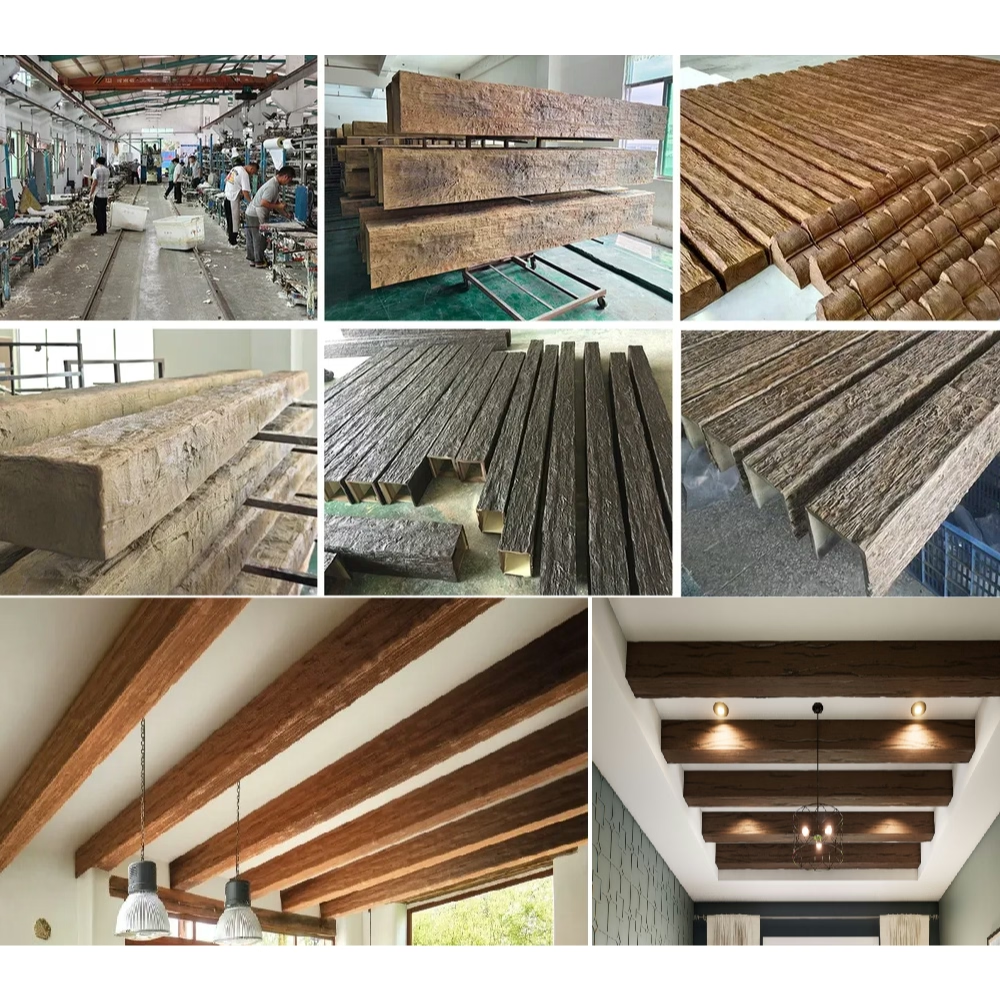
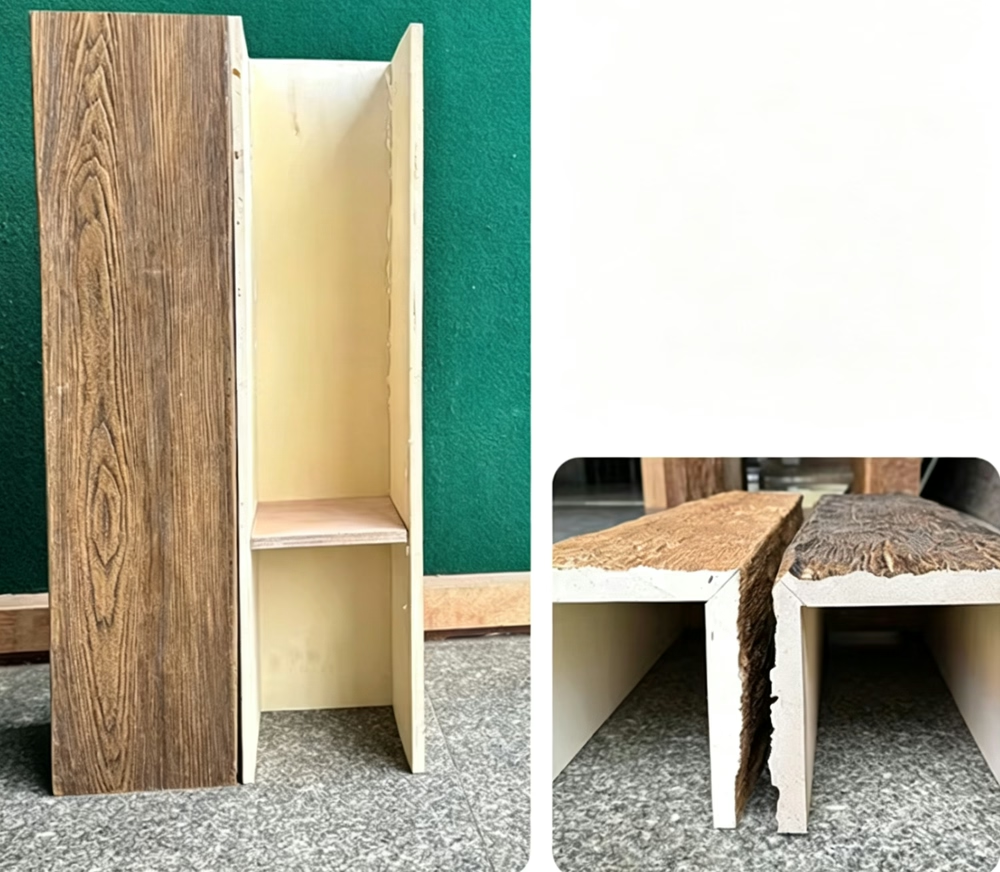
Adhesive performance characteristics
Evaluate adhesives on these characteristics:
| Characteristic | PU Adhesive | Hybrid Polymer | Acrylic Latex | Solvent |
|---|---|---|---|---|
| Bond Strength | Excellent | Excellent | Good | Excellent |
| Flexibility | Excellent | Excellent | Good | Poor |
| Cure Speed | 24-48 hrs | 24-48 hrs | 48-72 hrs | 6-12 hrs |
| Temperature Range | 40-100°F | 0-120°F | 50-90°F | 40-100°F |
| Water Resistance | Excellent | Excellent | Moderate | Excellent |
| VOC Level | High | Low | Low | High |
| Paintable | Yes | Yes | Yes | Sometimes |
For most faux beam installations, polyurethane or hybrid polymer adhesives provide the best balance of performance and practicality.
Product recommendations
Specific products consistently perform well:
Premium tier
For professional installations requiring maximum reliability:
- SikaBond construction adhesive
- Bostik Chem-Calk Premium
- PL Premium 3X (hybrid polymer)
Professional tier
For quality-conscious installers:
- Liquid Nails Fuze\*It
- Loctite PL Premium
- DAP dynaflex Ultra
Economy tier
For budget-conscious projects:
- Liquid Nails Original
- DAP Alex Plus
- Loctite Power Grab
Premium products cost more per tube but produce more reliable bonds. The small additional investment prevents callbacks.
Specialty adhesive situations
Certain conditions require specialized products:
Exterior installations
Choose adhesives rated for exterior use:
- Verify water resistance claims
- Check temperature service range
- Confirm UV resistance if exposed to sunlight
- Look for lifetime durability ratings
High-humidity environments
Bathrooms, pools, and spas need water-resistant adhesives:
- PU or hybrid polymer required
- Verify mold and mildew resistance
- Check cure time in humid conditions
Cold weather installation
Temperature-sensitive projects require appropriate products:
- Hybrid polymers tolerate lower temperatures
- Some PU adhesives formulated for cold application
- Allow extended cure time in cold conditions
Fire-rated assemblies
Some building codes require fire-rated adhesive:
- Look for adhesives with fire ratings
- Verify with local building department
- Document ratings for inspection
Application technique
Even the best adhesive fails with poor application:
Continuous bead — never skip sections; continuous adhesive line is essential
Proper spread — adhesive should contact full bonding surface when beam is pressed
Bead placement — place beads where they contact substrate when beam is positioned
Open time — don't apply adhesive and wait; position beam within open time window
Press firmly — full surface contact is essential for maximum bond strength
Follow manufacturer instructions for specific products. Application requirements vary.
A foundation for lasting installation
Adhesive selection for polyurethane faux beam installations determines long-term reliability. Choose premium products from established manufacturers, match adhesive chemistry to substrate conditions, and apply with discipline. The small additional cost of quality adhesive and careful application prevents callbacks, complaints, and reinstallations. Your clients deserve installations that last.
Technical References
ASTM standards cited in every specification
Test Data
Lab results from internal testing program
Updated 2026
Reviewed against current product specs