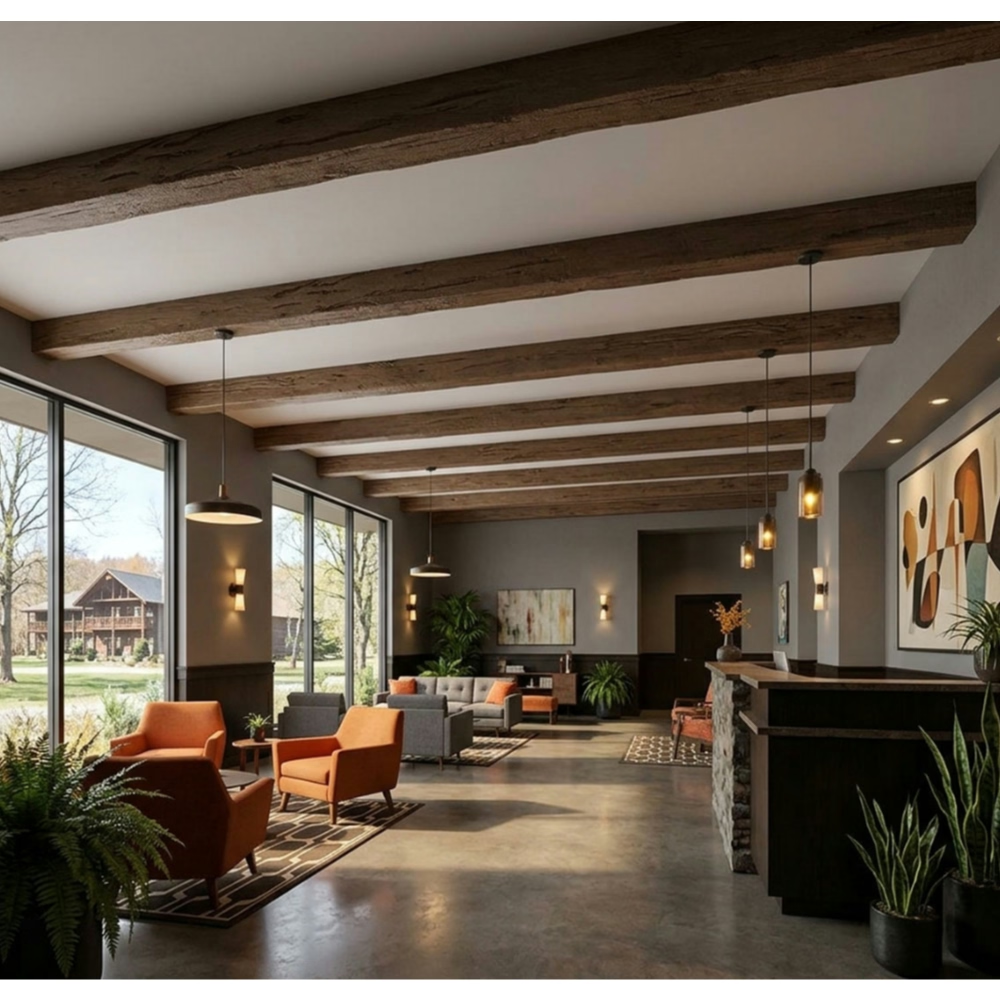
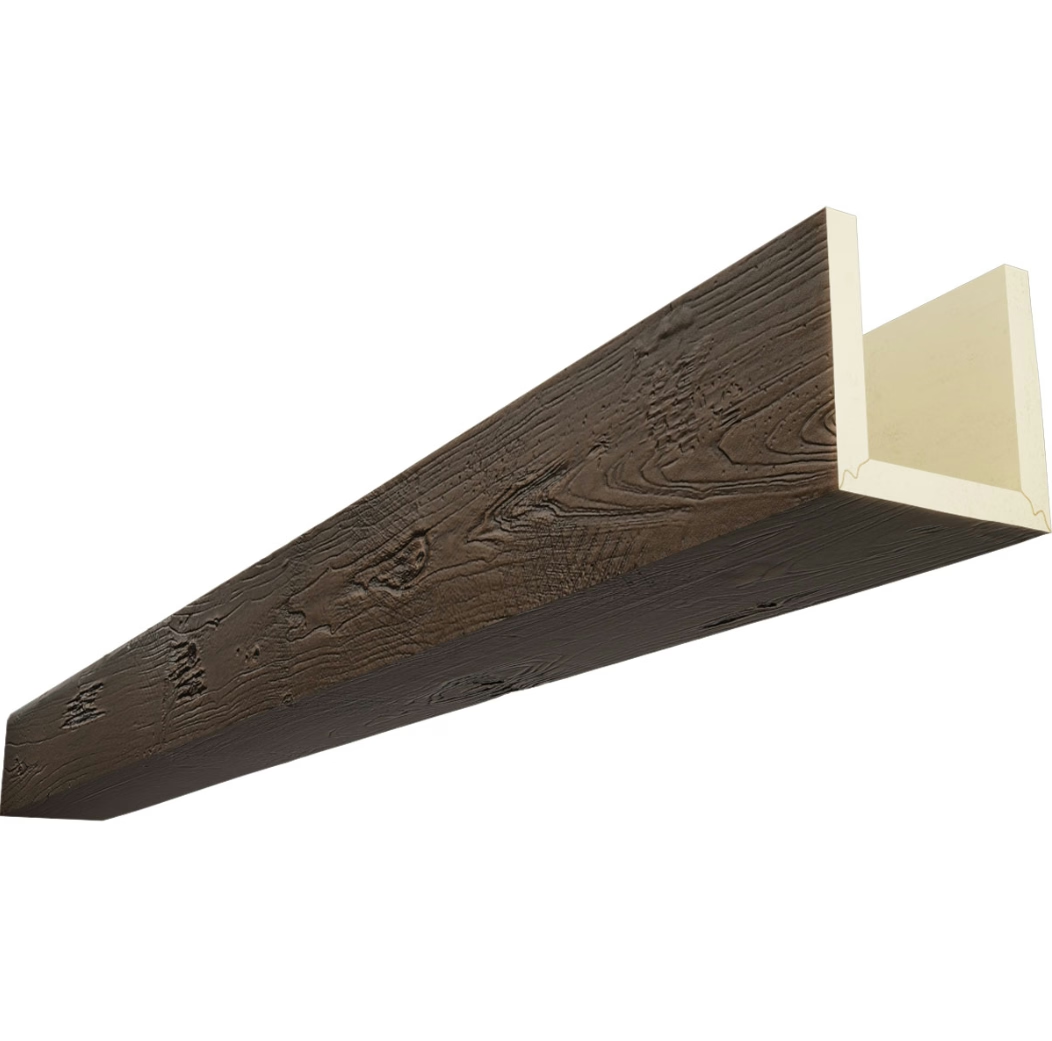
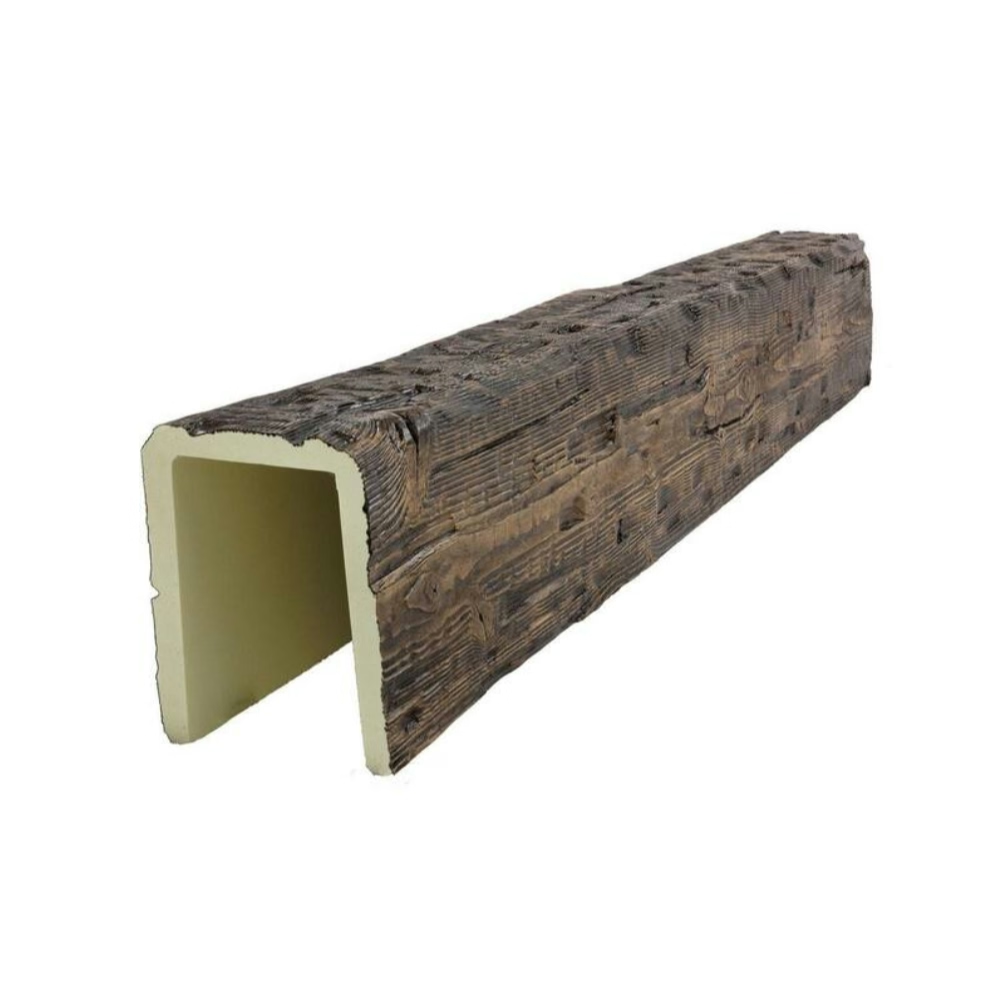
The adze-marked surface carries centuries of craftsmanship in every groove. Before power planers and sanders, timber framers shaped beams with handheld adzes — curved blades swung with controlled force to smooth rough-sawn surfaces. The result was a distinctive texture: rhythmic arc marks, slight hollows between strikes, and the subtle irregularity that marks authentic handmade work. This texture communicates age, authenticity, and the human element in construction.
Replicating adze-marked texture in polyurethane demands sophisticated manufacturing that captures the hand tool's characteristic patterns. The irregularity is the point — perfectly regular tool marks announce themselves as machine-made rather than hand-worked. Premium manufacturers solve this through careful pattern development and skilled finishing that preserves the authenticity buyers expect.
Understanding adze tool marks
Authentic adze texture exhibits specific characteristics:
Arc-shaped marks — each adze strike creates a curved groove
Variable depth — lighter cuts between heavy strikes create rhythm
Directional consistency — experienced workers created consistent patterns
Hammer-like rebounds — the handle impact leaves subtle secondary marks
Grain following — marks flow with wood grain, not across it
These characteristics distinguish genuine adze work from imitations that attempt to approximate the look without understanding the source.
Why adze texture endures
Hand-tooled surfaces remain popular for good reasons:
Authenticity — genuine antique timber beams display this character naturally
Craft connection — visible handwork links contemporary projects to historical traditions
Age indication — adze marks signal timber maturity and character
Visual warmth — the irregularity creates interest that perfect surfaces lack
Design flexibility — rustic, farmhouse, lodge, and cabin aesthetics all embrace hand-tooled character
The texture works across diverse design vocabularies while maintaining its distinctive identity.
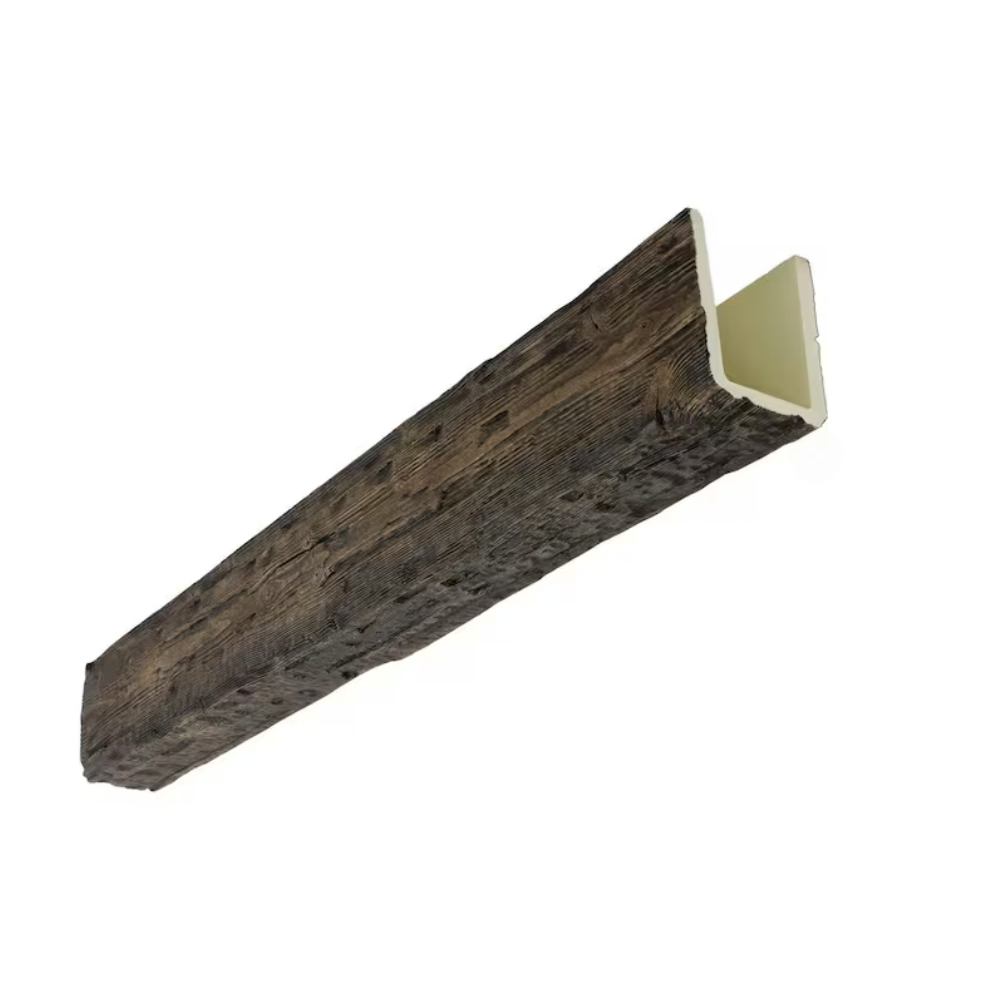
Texture reproduction methodology
Premium manufacturers capture adze character through careful process:
Master pattern creation
Authentic adze texture starts with genuine specimens:
- Reclaimed beams with proven adze work
- Museum-quality historical examples
- Contemporary craftsmen who work in traditional style
- Composite patterns assembled from best features
The master pattern determines ultimate texture quality.
Mold capture technology
Precise reproduction requires careful molding:
- Flexible silicone captures minute surface variations
- Multiple mold sections handle complex geometry
- Careful venting prevents air trapping in deep marks
- Durable materials withstand production demands
Mold quality determines texture fidelity across production.
Skilled finishing
Some character requires human attention:
- Trained finishers evaluate each beam
- Hand application of selective highlighting
- Variable pressure finishing mimics natural variation
- Quality verification against reference standards
Automation cannot replicate the judgment required for authentic texture.
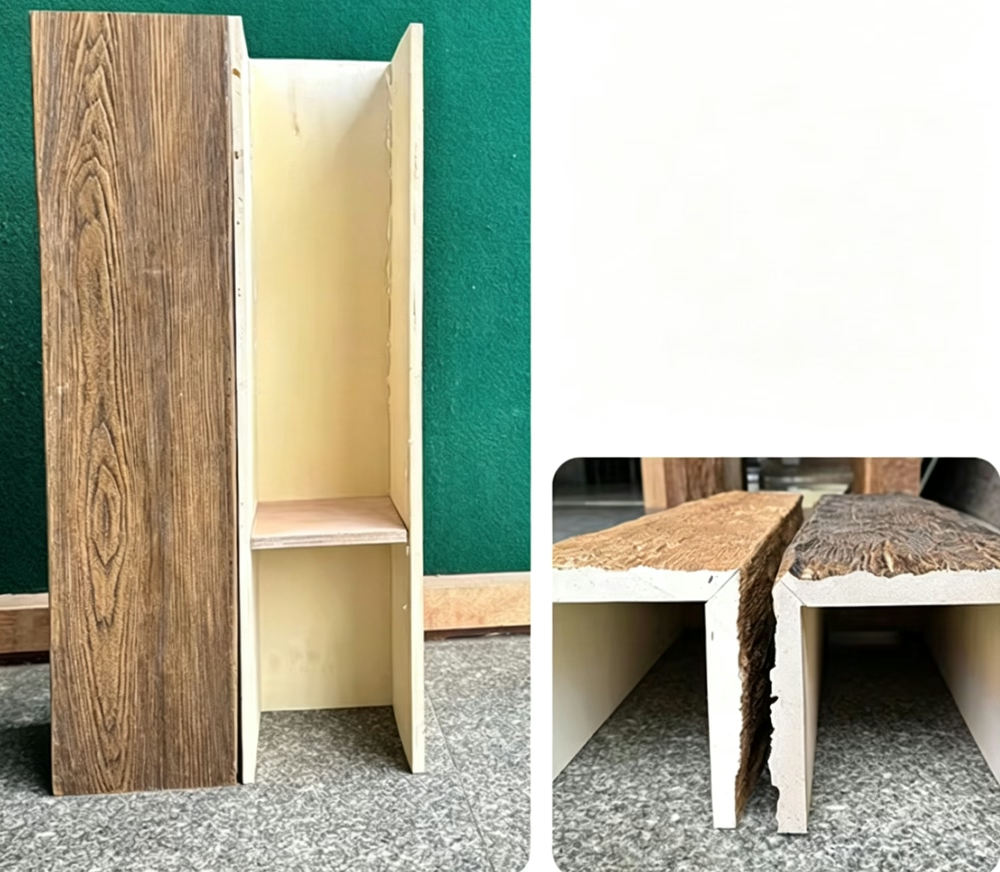
Profile and size recommendations
Adze texture reads best at certain scales:
Larger profiles
Substantial beams showcase texture effectively:
- 6x8 and 8x8 profiles — texture visible from normal viewing distances
- 8x10 and 10x10 — deep marks create dramatic shadow patterns
- Oversized beams — maximum texture display for grand spaces
Larger surfaces provide room for the rhythmic strike patterns to develop visually.
Standard profiles
Moderate texture also works well:
- 4x6 and 6x6 — texture visible but may read busy at close range
- Appropriate for smaller rooms or accent applications
- Can be painted to soften texture if desired
Standard profiles with adze texture work best where the texture is a highlight rather than the primary design element.
Smaller profiles
Full adze texture may overwhelm:
- 4x4 and narrower — marks very close together visually
- Better suited to lighter textures
- Consider alternative hand-worked treatments
Match texture intensity to profile scale.
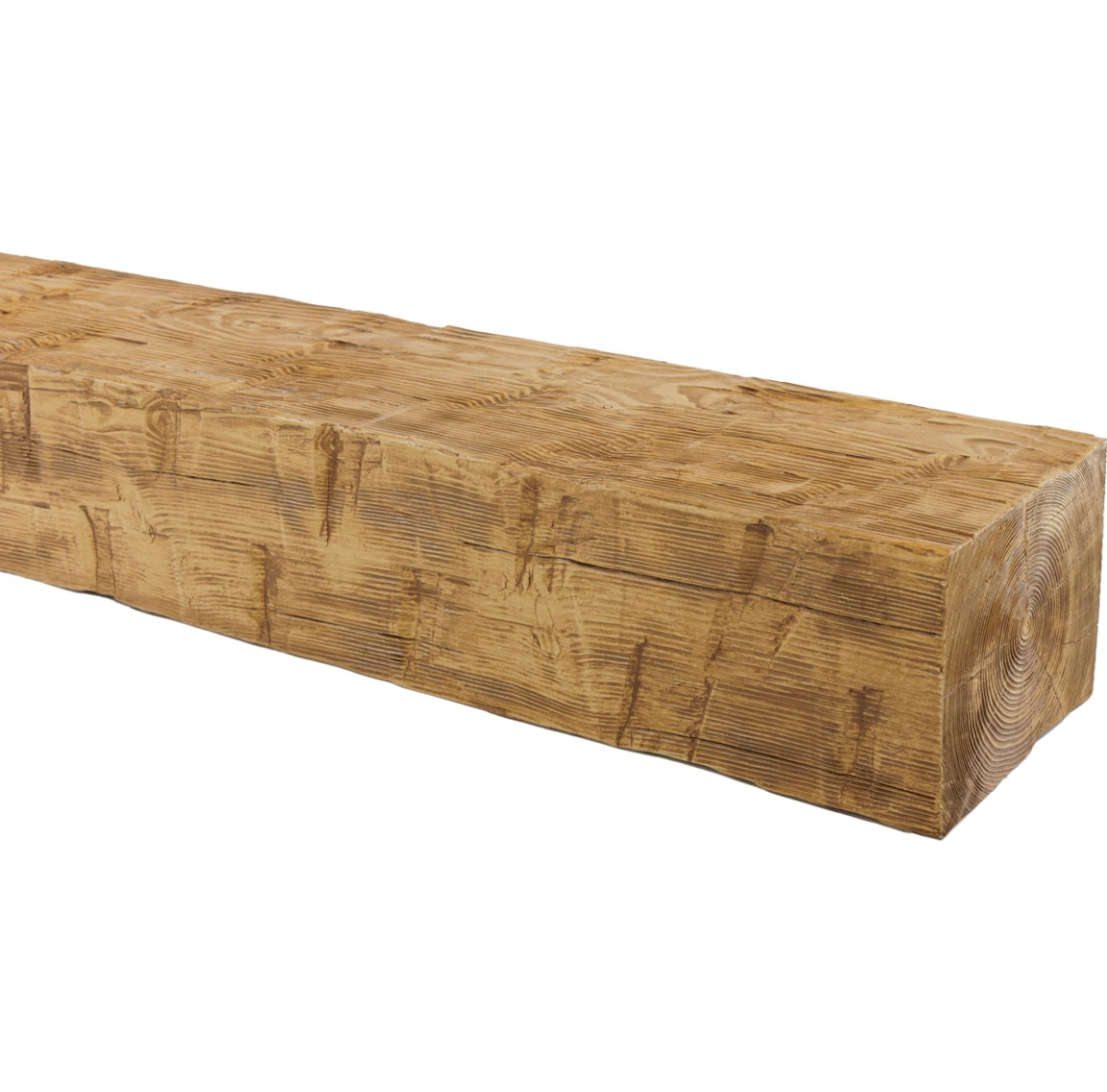
Finish color options
Adze-marked texture accepts various finish treatments:
Natural wood tones
The texture complements natural finishes:
- Golden oak with grain highlighting
- Warm walnut tones
- Honey maple with subtle color variation
- Natural pine with clear coat protection
Natural finishes emphasize the wood character that adze texture represents.
Stained finishes
Color can enhance texture depth:
- Dark walnut stains collect in tool marks
- Weathered gray tones suggest aged authenticity
- Whitewash fills marks partially while preserving them
- Custom staining matches existing period elements
Staining options enable coordination with diverse color schemes.
Painted finishes
Full paint treatment softens but preserves texture:
- White and cream for farmhouse aesthetics
- Bold colors for accent applications
- Chalk paint for distressed appearance
- Matte finish reduces texture visibility if desired
Painted adze beams still communicate handwork character despite reduced textural depth.
Design applications
Adze-marked texture suits various architectural styles:
Timber frame homes
Natural fit for exposed timber construction:
- Support beams with authentic handwork
- Dormers and gable ends
- Great room and great room features
Adze texture reinforces the traditional character these structures demand.
Rustic lodge design
Mountain and wilderness aesthetics embrace handwork:
- Cathedral ceilings with exposed beams
- Fireplace surrounds and mantels
- Entry features and transitions
Hand-tooled texture communicates the craft tradition lodge design celebrates.
Farmhouse renovations
Modern farmhouse embraces rustic character:
- Kitchen beam accents over islands
- Dining room ceiling treatments
- Living room statement beams
Adze texture adds authenticity to the reclaimed aesthetic.
Historic restoration
Period-appropriate texture for renovation:
- Matching original hand-tooled beams
- Supplementing surviving historical elements
- Creating new construction with period character
Careful texture selection enables seamless integration with existing architecture.
Authentic character through technology
Adze-marked texture PU faux beams prove that modern manufacturing can capture traditional craftsmanship. The combination of authentic pattern development, careful mold production, and skilled finishing produces textures that communicate genuine handwork character. For projects requiring rustic authenticity, adze-marked beams deliver the appearance that distinguishes premium work from ordinary imitation.
Technical References
ASTM standards cited in every specification
Test Data
Lab results from internal testing program
Updated 2026
Reviewed against current product specs