The Solid Wood Comparison
Solid timber beams carry romantic appeal—but carry heavy costs too. Understanding the true comparison helps make informed decisions.
Real comparison requires real numbers.
Material Cost Comparison
Solid Wood Pricing
Real timber costs more:
- Oak: $8-15 per board foot
- Pine: $4-8 per board foot
- Cedar: $6-12 per board foot
- Douglas fir: $5-10 per board foot
Plus waste and premium for clear grades.
Faux Beam Pricing
PU beams cost less:
- Standard profiles: $3-8 per linear foot
- Premium textures: $6-12 per linear foot
- Fire-rated options: $8-15 per linear foot
Includes material savings.
True Cost Analysis
Real comparison requires calculation:
| Factor | Solid Wood | Faux Beams |
|---|---|---|
| Material per ft | $8-20 | $3-12 |
| Weight per ft | 8-15 lb | 3-7 lb |
| Finishing | Stain + sealer | Paint or prime |
| Installation | 2-3× labor | Standard labor |
Total: solid wood 2-4× cost.
Installation Complexity
Solid Wood Challenges
Real timber complicates installation:
- Heavy weight requires equipment
- Structural engineering often needed
- Multiple installers mandatory
- Specialized hardware
Professional required.
Faux Beam Simplicity
PU simplifies installation:
- Lightweight handles easily
- Standard tools sufficient
- Two-person teams adequate
- Basic skills sufficient
DIY feasible.
Blocking Requirements
Both require blocking:
- Solid wood needs robust support
- PU beams need standard blocking
- Structural requirements same
- Support system cost similar
Blocking adds similar cost.
Long-Term Value
Durability Comparison
Solid wood durability:
- Lasts generations
- Can be refinished
- Ages authentically
- Damage repairable
Positive durability.
Faux Beam Durability
PU beam durability:
- 15-25 year lifespan
- No refinishing possible
- Replacement eventually needed
- Colors can be repainted
Adequate durability.
Maintenance Reality
Ongoing care comparison:
- Solid wood: refinishing needed
- Faux beams: occasional cleaning
- Solid wood: repairable damage
- Faux beams: replacement if damaged
Different maintenance.
Aesthetic Comparison
Authentic Appearance
Solid wood provides:
- Genuine material
- Natural aging
- Real patina development
- Value perception
Authentic character.
Faux Appearance
Modern faux provides:
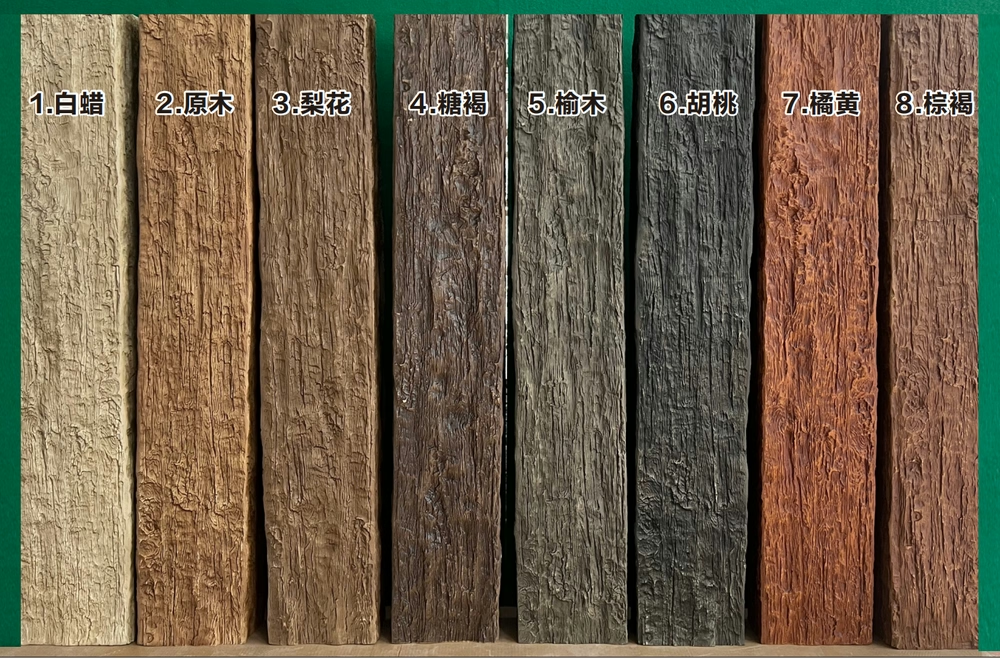
- Convincing simulation
- Consistent quality
- No defects or rot
- Clean appearance
Quality simulation.
Quality Perception
Visitors notice:
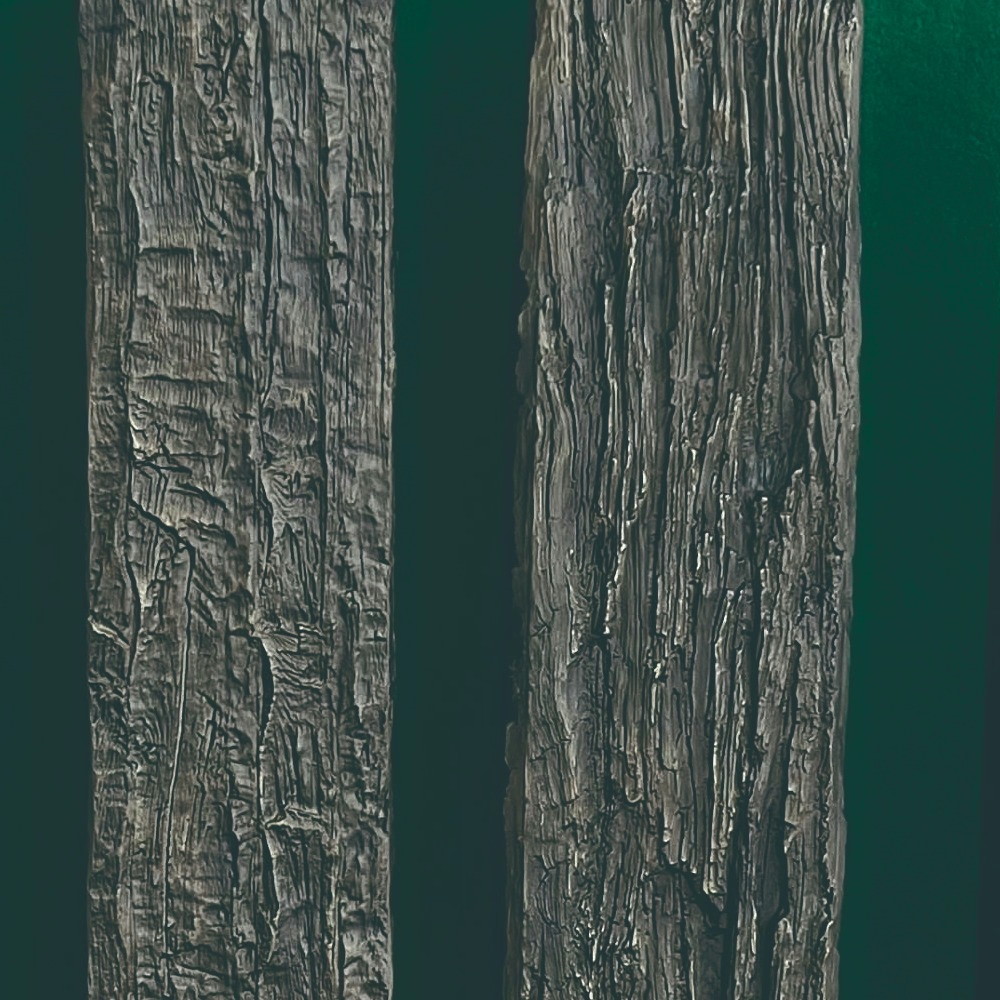
- Close inspection reveals differences
- Normal viewing distance often indistinguishable
- Texture quality matters
- Installation quality matters
Both can satisfy.
Application Suitability
When Solid Wood Wins
Real timber appropriate when:
- Structural load needed
- Historical authenticity critical
- Long-term investment property
- Traditional requirements
Structural and historical uses.
When Faux Wins
PU appropriate when:
- Budget constraints exist
- Installation access limited
- Quick results needed
- Rental properties
Budget and access situations.
Hybrid Approaches
Combine materials:
- Faux beams throughout
- Real wood accents
- Mixed approach
- Strategic selection
Hybrid maximizes benefits.
Value Assessment
Total Cost of Ownership
Calculate true cost:
- Initial investment
- Installation costs
- Maintenance expenses
- Replacement timeline
- Repair costs
Complete comparison.
Return on Investment
Investment analysis:
- Solid wood: higher resale value
- Faux beams: lower initial cost
- Quality appearance similar
- Buyer perception varies
Market-dependent value.
Application-Specific Value
Different applications:
- Primary residence: solid wood justifiable
- Rental property: faux practical
- Investment property: calculate return
- Temporary use: faux sensible
Application determines value.
PU faux beams provide genuine value as solid wood alternatives. Lower initial cost, simpler installation, and adequate durability make them sensible choices for most applications. Solid wood retains advantages for structural uses and long-term heritage properties. Choose based on application, not ideology.
Technical References
ASTM standards cited in every specification
Test Data
Lab results from internal testing program
Updated 2026
Reviewed against current product specs