Retro Revival
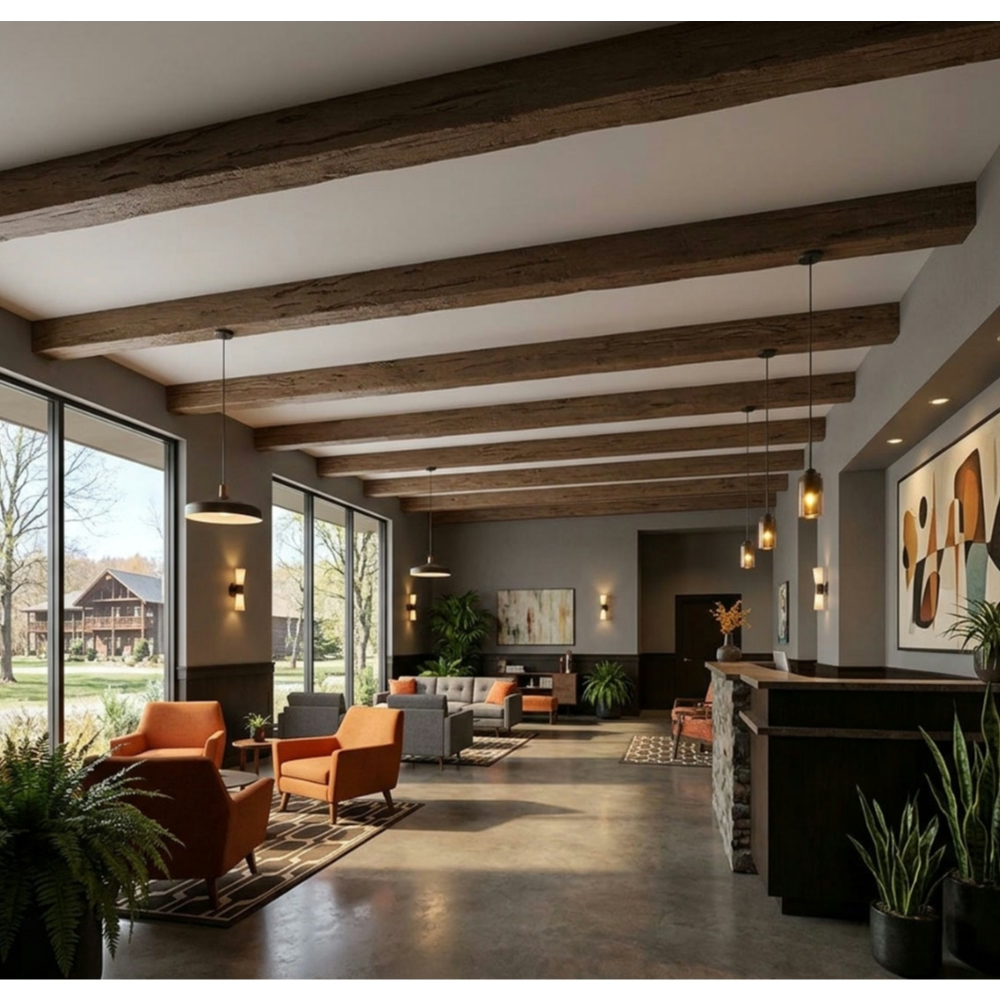
Every generation rediscovers past styles. Today's retro aesthetic draws from mid-century modern through 70s warmth, reinterpreted for contemporary living.
Vintage beams support retro revival.
Retro Period Styles
Mid-Century Modern (1950s-1960s)
Mid-century characteristics:
- Clean geometric forms
- Warm wood tones
- Minimal ornamentation
- Functional simplicity
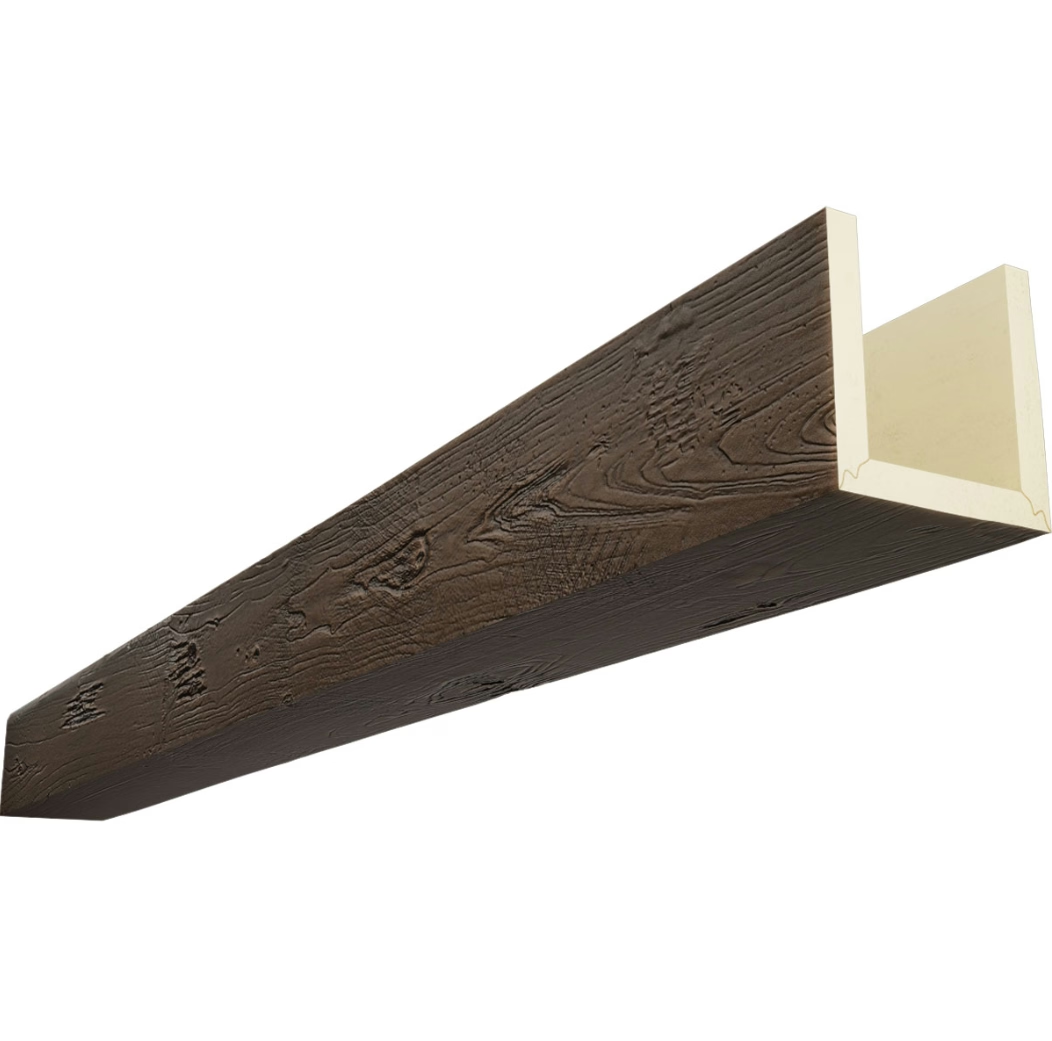
Mid-century beams: simple profiles, warm stains.
1970s Warmth
Seventies characteristics:
- Rich wood tones
- Groovy curves possible
- Earth tones dominant
- Natural materials
70s beams: warm stains, substantial presence.
Vintage Farmhouse
Farmhouse characteristics:
- Rustic authenticity
- Hand-hewn marks
- Weathered appearance
- Country comfort
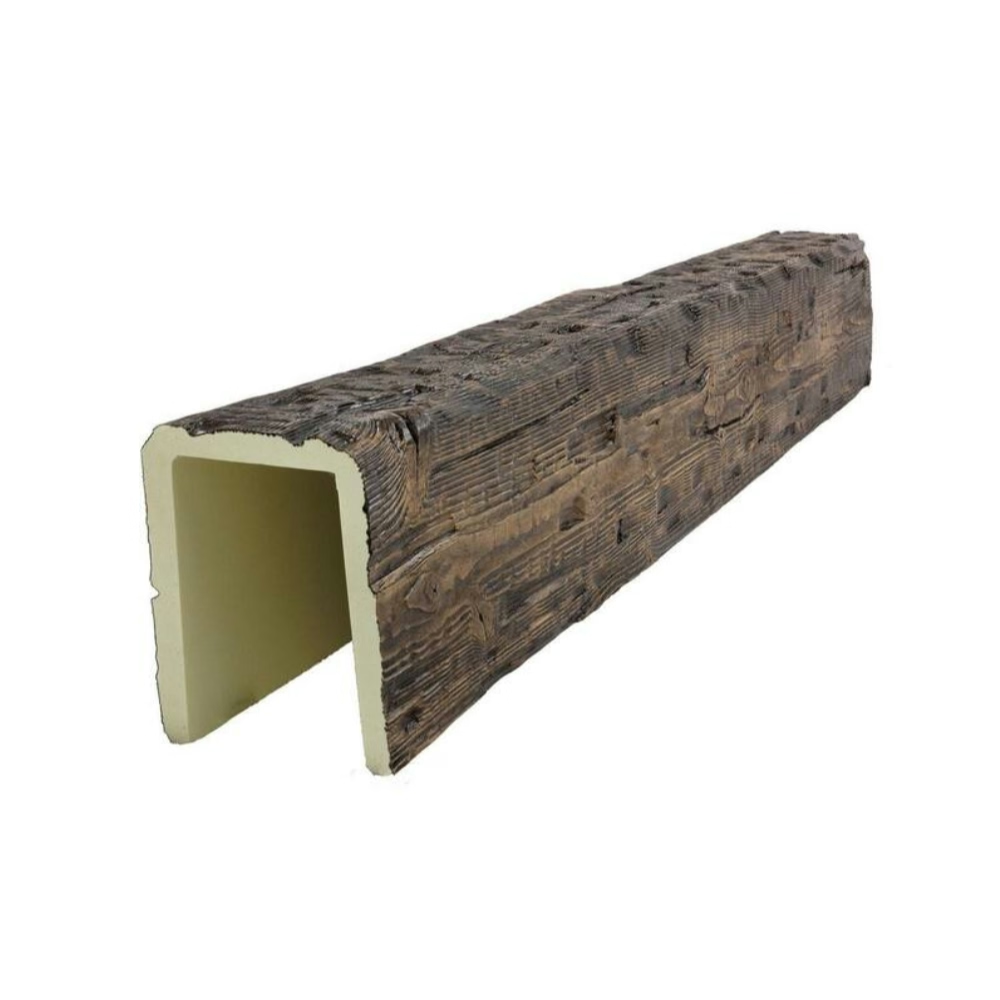
Farmhouse beams: heavy texture, aged character.
Retro Texture Treatment
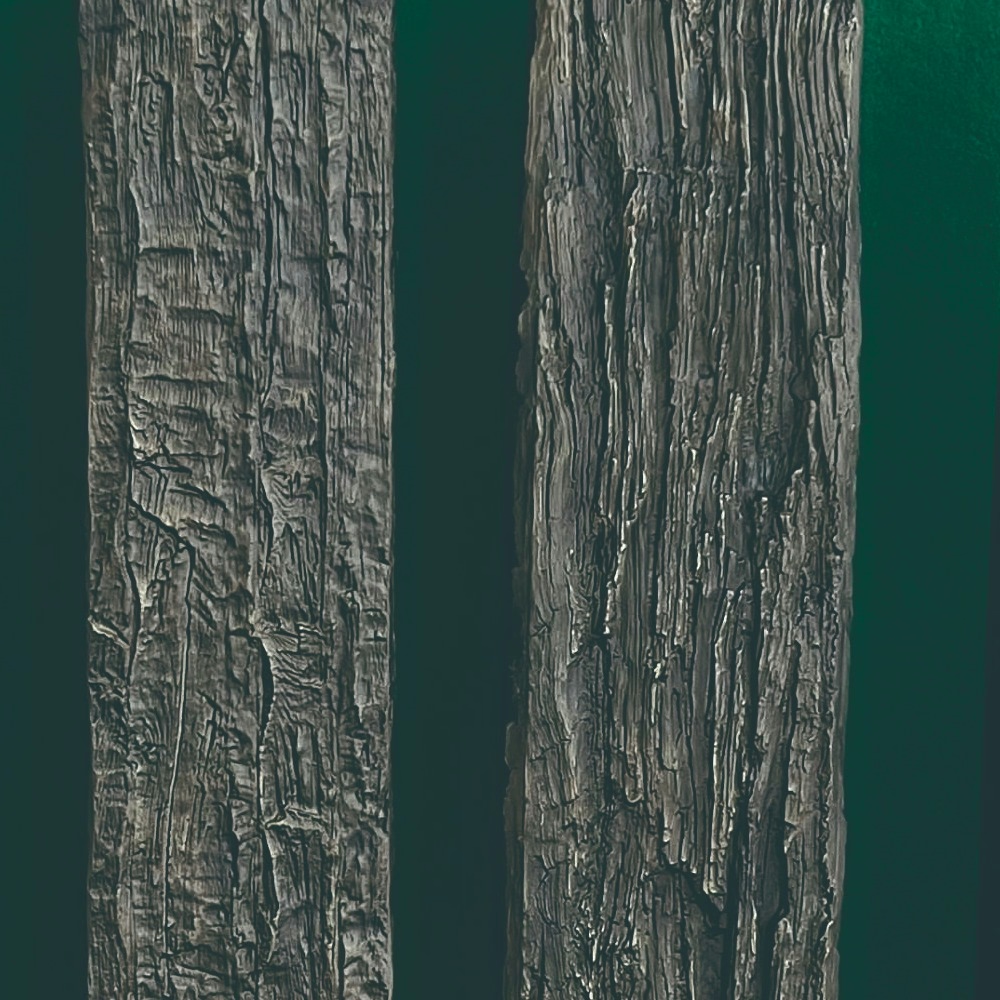
Period-Appropriate Grain
Texture matching:
- 1950s: subtle, refined grain
- 1960s: warm oak patterns
- 1970s: rich walnut tones
- Farmhouse: heavy rustic marks
Period authenticity.
Patina Development
Retro aging effects:
- Warm color development
- Natural wear patterns
- Sun-faded areas
- Character accumulation
Aging creates credibility.
Edge Treatment
Period edge styles:
- Clean 1950s edges
- Softened 1960s details
- Weathered 1970s corners
- Rustic farmhouse edges
Edges complete authenticity.
Color Palette
Mid-Century Colors
Period-appropriate tones:
- Natural oak
- Honey maple
- Warm cherry
- Clean walnut
Mid-century palette.
70s Palette
Seventies colors:
- Rich walnut
- Dark mahogany
- Orange-toned oak
- Harvest gold accent
70s warmth.
Vintage Neutrals
Retro neutral options:
- Cream and ivory
- Soft avocado
- Dusty rose
- Mustard yellow
Period color inspiration.
Retro Style Application
Complete Rooms
Retro room approach:
- Beams coordinate with all elements
- Furniture style compatibility
- Accessory coordination
- Overall cohesion
Retro requires commitment.
Accent Approach
Modern with retro accents:
- Contemporary room
- One vintage beam
- Period-inspired detail
- Subtle retro feeling
Accents work in modern spaces.
Mixing Eras
Retro mixing:
- Mid-century with industrial
- 70s warmth with modern
- Farmhouse with contemporary
- Intentional combination
Retro becomes versatile.

Quality Matters
Texture Depth
Retro authenticity requires:
- Deep, varied texture
- Natural-looking patterns
- Period-appropriate marks
- Realistic aging
Quality creates credibility.
Color Consistency
Retro color requires:
- Rich, warm tones
- Consistent application
- Natural variation
- Appropriate intensity
Color creates atmosphere.
Finish Quality
Retro finish requires:
- Period-appropriate sheen
- Durable protection
- Authentic appearance
- Long-term stability
Finish protects character.
Common Mistakes
Generic "Old" Look
Avoiding failure:
- Not just any weathering
- Period-specific character
- Context-appropriate aging
- Authentic style
Retro requires specificity.
Over-Retro Treatment
Too much retro:
- Cluttered appearance
- Competition with décor
- Dated rather than vintage
- Lost sophistication
Restraint maintains elegance.
Ignoring Quality
Low-quality retro:
- Obvious artificiality
- Cheap appearance
- Fails authenticity
- Wastes investment
Quality essential.
Retro aesthetic beams create nostalgic atmospheres through period-appropriate styling. Understanding eras—mid-century clean lines, 70s warmth, farmhouse rustic—enables authentic treatment. Quality distressing, warm color palettes, and period coordination create spaces that feel genuinely vintage, not artificially old.
Technical References
ASTM standards cited in every specification
Test Data
Lab results from internal testing program
Updated 2026
Reviewed against current product specs