The aesthetic of natural wood grain has been a design constant across centuries and cultures. From the exposed timber frames of medieval Europe to the modern farmhouse movement, wood grain carries associations with warmth, craftsmanship, natural beauty, and human scale that no synthetic material has historically matched. The challenge has always been that natural timber's virtues come bundled with practical limitations: weight, cost, maintenance, and availability constraints that make timber an impractical choice for many applications and budgets.
Faux beams with ultra-realistic natural wood grain represent a genuine breakthrough in resolving this tension. They deliver the aesthetic that designers and homeowners seek — the characteristic warmth, organic texture, and timeless character of natural wood grain — while eliminating the practical constraints that have historically limited timber's accessibility. This is not a compromise product or a lesser alternative; it is a solution that succeeds on its own terms, providing authentic décor results that meet or exceed the visual standard set by natural timber.
Wood Grain as Design Language
Understanding why wood grain resonates so deeply in human perception helps illuminate why its authentic reproduction matters so much. Wood grain is not merely a visual pattern; it is a record of organic growth, carrying the invisible history of the tree's response to sunlight, rainfall, soil conditions, and the passage of years. When we see wood grain, our visual system recognizes it not just as a surface pattern but as evidence of natural process, of time made visible, of something grown rather than manufactured. This recognition triggers aesthetic responses that are rooted in human evolutionary experience with natural environments.
The specific character of grain patterns varies dramatically between species, and this variation carries distinct design associations. Oak's bold, open grain suggests solidity, tradition, and formality; it is the wood of heritage paneling and distinguished furniture. Pine's fine, even grain evokes simplicity, informality, and rustic comfort; it is the wood of farmhouse ceilings and cozy mountain retreats. Walnut's rich, flowing grain communicates luxury, sophistication, and contemporary elegance. Cherry's warm, reddish tones age to a deep amber that speaks of refined, settled spaces. Each species tells a different story, and selecting the appropriate grain character is as important a design decision as the selection of beam profile or room color.
Premium faux beam manufacturers offer wood grain reproductions across this full spectrum of species and characters, with grain patterns carefully engineered to capture the defining visual qualities of each. The goal is not merely to create a surface that looks like wood in general but to create beams that look like specific woods with specific grain characters — oak with its characteristic ring-porous pattern, pine with its subtle tangential lines, walnut with its flowing, dramatic figuring. This species-specific accuracy is what elevates premium faux beams above generic wood-textured products.
Reproducing Grain Complexity Across Species
The complexity of wood grain varies significantly between species, and the manufacturing approach to grain reproduction must adapt accordingly. Oak, with its pronounced distinction between earlywood and latewood, requires a deep, bold embossing pattern that captures the characteristic gap between annual ring zones. The grain lines are not merely visual patterns but actual physical differences in surface elevation that affect how light scatters across the beam. Premium oak-grain faux beams replicate this physical depth, creating surface relief of several millimeters that produces convincing shadow and highlight patterns under directional lighting.
Pine and other softwoods present subtler challenges. The grain is fine and consistent, with none of the dramatic relief of ring-porous woods. Reproduction focuses on capturing the fine, almost textile-like surface texture that distinguishes softwood surfaces from hardwoods. This is a challenge of precision rather than depth: the mold surface must include fine fiber-level detail that is easily lost in the molding process if the master pattern or molding compound is not of sufficient quality.
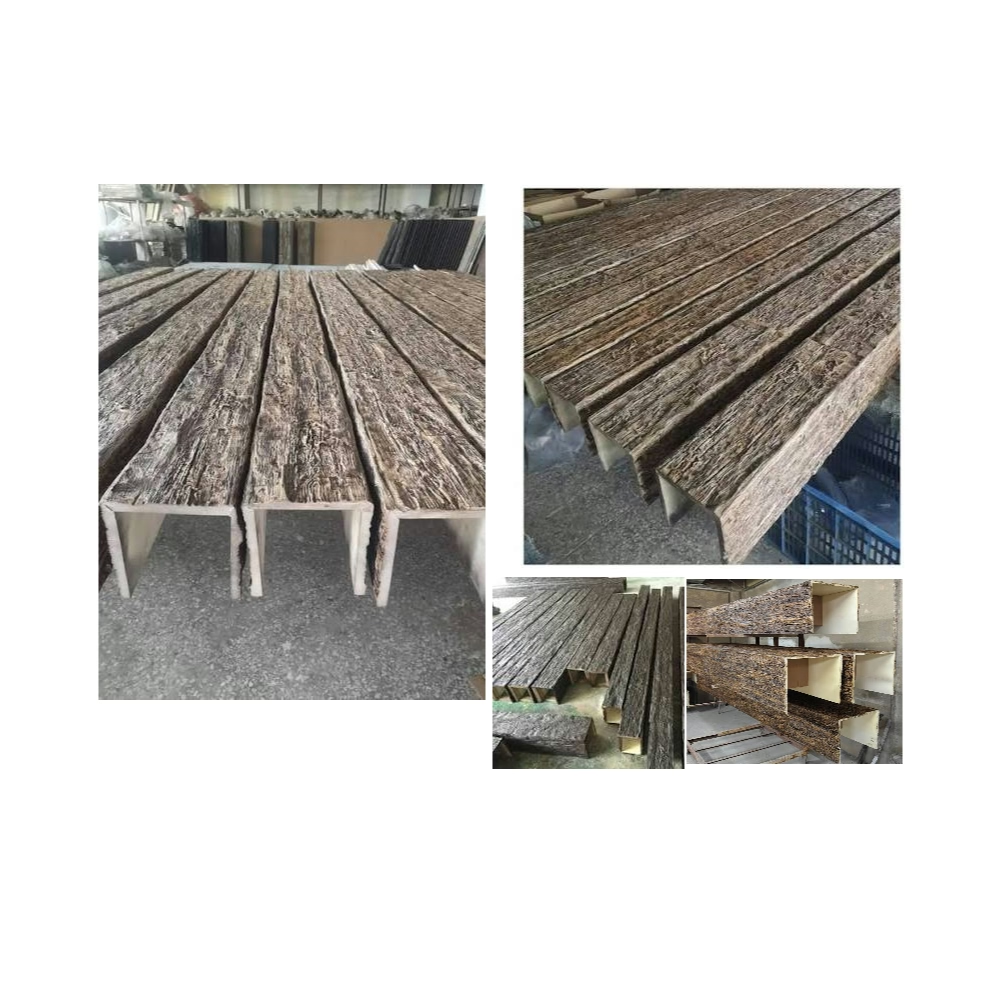
Reclaimed and rustic timber reproductions require yet another approach, combining species-appropriate grain patterns with secondary texturing that simulates weathering, aging, and use. These effects include the subtle surface checking that develops in aged timber, the softening of edges and corners from years of handling, and the patina accumulation that changes the wood's surface coloration over time. Premium manufacturers create these effects through layered texturing processes that add secondary surface treatments over the base grain embossing, producing results that capture the character of timber that has lived rather than timber that is newly milled.
Integration with Interior Design Schemes
Natural wood grain faux beams integrate most naturally with interior design schemes that embrace natural materials and organic color palettes. The warm browns, amber tones, and honey highlights characteristic of wood grain coordinate with stone, brick, linen, leather, and other natural materials that appear frequently in residential and hospitality interiors. These complementary pairings reinforce the organic, grounded character that wood grain beams provide, creating cohesive design environments where the ceiling treatment feels like a natural extension of the room's material palette.
In contemporary and minimalist interiors, wood grain beams serve a different but equally valuable function: they introduce natural warmth and organic texture into spaces that might otherwise feel cold or overly geometric. A room with polished concrete floors, white walls, and modern furniture can be transformed by the addition of wood grain ceiling beams, which introduce warmth and texture without disrupting the clean, spare aesthetic that defines the space. The grain pattern provides visual interest at the ceiling plane, drawing the eye upward and adding a layer of complexity that enriches the room without cluttering it.
The choice of wood grain species within the broader category of natural-wood reproduction should be guided by the room's existing material palette and the mood the design intends to create. Warm-toned rooms with golden lighting and amber-toned furnishings benefit from beams in warm species like cherry, oak, or honey pine. Cool-toned spaces with gray, blue, or white color schemes can be grounded and warmed by beams in cooler species like white oak or ash. Dark, dramatic spaces with charcoal walls and brass or black metal accents are elevated by beams in rich, dark walnut or ebonized finishes that reinforce the sophisticated, dramatic character of the space.
For designers committed to authentic décor — spaces that feel genuinely warm, natural, and human in scale — wood grain faux beams are not a fallback option but a first-choice solution. The premium quality available in contemporary products delivers the aesthetic they seek with practical advantages that make the choice easy: consistent quality, accessible pricing, straightforward installation, and maintenance-free long-term performance that keeps the space beautiful without ongoing effort.
Technical References
ASTM standards cited in every specification
Test Data
Lab results from internal testing program
Updated 2026
Reviewed against current product specs


