
A ceiling medallion beneath a chandelier is one of the oldest architectural devices in residential design, dating back centuries to the plaster rosettes of European manor houses. Pairing one with a faux wood beam installation elevates that tradition into something tailored to modern construction budgets. Polyurethane medallions in particular have made this combination accessible to projects at every scale, from a single dining room to an entire hotel lobby.
The Visual Argument for Medallions
When a chandelier hangs from a flat ceiling, the eye reads it as a fixture suspended in empty space. The same chandelier centered on a medallion becomes the focal point of a deliberate composition. Add a faux wood beam crossing the ceiling behind it and the composition locks into a classical visual rhythm: structural beam, central rosette, hanging fixture.
This three-element formula appears throughout traditional architecture because it works. The beam establishes the architectural language. The medallion provides a transition between the beam plane and the hanging element. The chandelier supplies scale and a finishing touch. Replicating the formula in polyurethane allows modern designers to deploy it without committing to the weight and labor of plaster or carved stone.
How Polyurethane Compares to Traditional Materials
Plaster medallions remain a benchmark for craftsmanship but require skilled installation, careful handling, and an on-site finishing schedule. They also crack under impact and are unforgiving during transport. Cast stone medallions carry serious weight, often demanding additional ceiling support.
Polyurethane medallions resolve these issues:
- Weight typically between 1 and 8 pounds depending on diameter
- Closed-cell foam that resists moisture, mold, and insects
- Factory primer ready for paint or stain
- Flexibility that absorbs minor impacts without cracking
- Pre-attached mounting hardware on most quality models
For installers, the difference is dramatic. A 24-inch plaster medallion may require two workers and a temporary support structure during adhesive cure. The same medallion in polyurethane is a one-person installation hung with adhesive and a few finishing nails.
Sizing the Medallion to the Beam and the Room
The single most common specification error with medallions is choosing a size that fights the beam rather than complements it. A 12-inch medallion disappears against an 8-inch beam. A 48-inch medallion overwhelms a modest dining room.
A workable rule of thumb used by many designers:
| Ceiling Height | Beam Width | Recommended Medallion Diameter |
|---|---|---|
| 8 ft | 5–6 in | 16–20 in |
| 9 ft | 6–8 in | 20–28 in |
| 10 ft | 8–10 in | 28–36 in |
| 12 ft+ | 10 in and up | 36–48 in |
These are starting points, not rules. In a compact dining room with a substantial beam crossing the ceiling, going up one size in medallion diameter often improves the composition. In a voluminous great room, staying closer to the lower end keeps the chandelier from looking oversized.
Matching Profile and Depth
Medallions come in a wide range of profiles, from simple flat discs with a beveled edge to deeply carved rosettes with multiple concentric rings. The depth of the carving should echo the depth of the beam. A flat, low-relief medallion pairs better with a smooth contemporary beam. A deeply carved rosette pairs better with a rough-sawn or hand-hewn beam. Mismatched depth creates visual tension that the eye reads as accidental rather than designed.
Color coordination matters too. Most designers either match the medallion to the beam for a continuous look or hold it strictly white for a classical contrast. Mixing tones works in eclectic interiors but requires confidence to execute.
Cross-Selling Medallions in a Beam Program
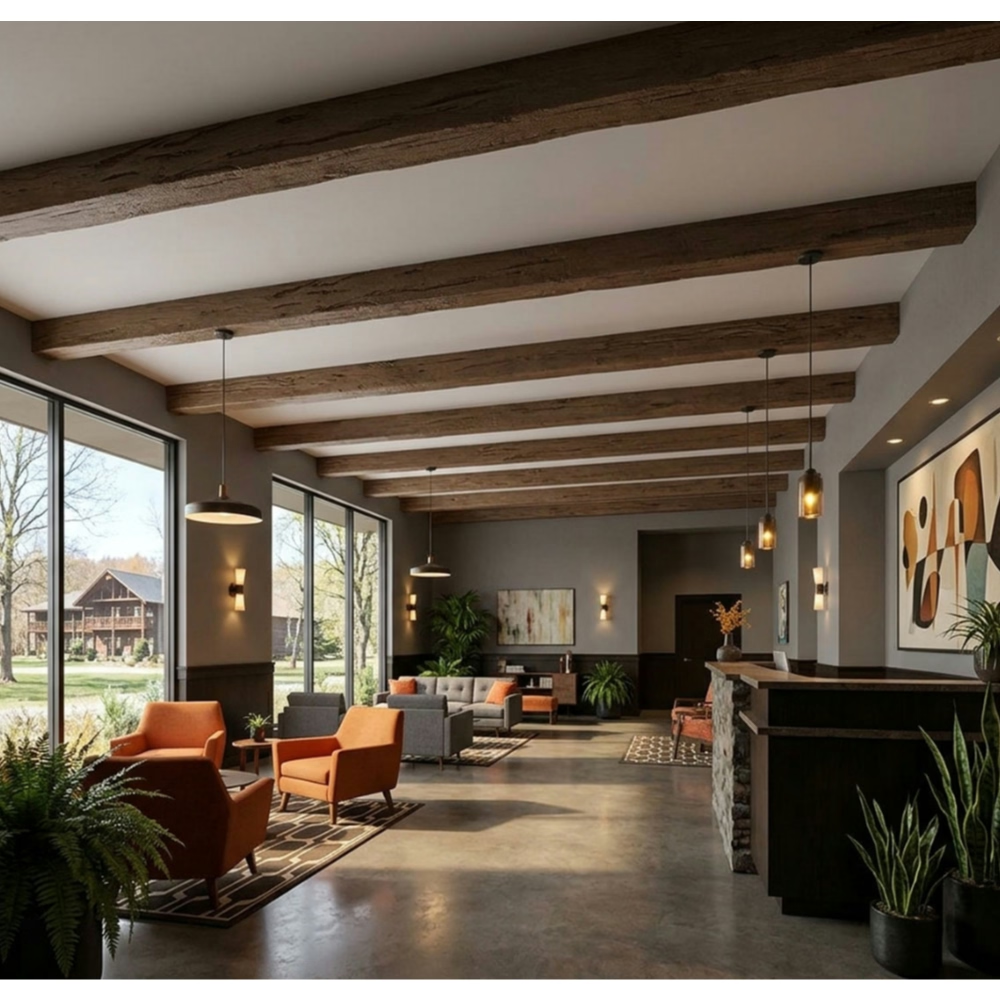
For importers and distributors carrying polyurethane faux beams, medallions are a natural adjacent category. The customer base overlaps almost completely: designers specifying beams for ceiling treatments are exactly the designers specifying medallions for chandelier installations. Adding 8 to 12 medallion SKUs to a beam program covers most of the demand without straining inventory.
Stocking strategy should follow the bell curve of demand:
- 16-inch, 20-inch, and 24-inch diameters in two profiles
- White primed finish for fastest turnover
- One or two paintable textured profiles for higher-end projects
Most distributors find that medallion attachment rates on beam orders run between 12 and 20 percent when actively merchandised. A simple countertop display, a printed catalog page, or a website cross-reference drives most of that lift.
Installation Methods That Save Crew Time
Most quality polyurethane medallions arrive with one of several mounting systems:
- Pre-drilled back flange for screw mounting
- Recessed center for electrical box alignment
- Adhesive-ready back surface with light texture for grip
- Integrated hanger ring for chandelier support on smaller diameters
For larger diameters, installers often combine construction adhesive with a few finishing nails driven into blocking. The adhesive handles shear load while the nails hold the medallion in position during cure. After 24 hours the nails can be pulled and the holes filled, leaving a clean painted surface.
When a chandelier exceeds 25 pounds, supplemental support is required regardless of medallion material. Most polyurethane medallions are rated for fixtures up to 50 pounds when properly mounted, but anything heavier should be supported independently from a fan-rated brace box in the ceiling framing.
Applications Beyond the Dining Room
Medallions are not limited to chandeliers. Designers and contractors find creative applications throughout interior projects:
- Beneath ceiling fans in primary bedrooms
- Around smoke detectors that cannot be relocated
- As decorative rosettes at beam-to-wall transitions
- Around recessed lights in formal living rooms
- Over kitchen island pendants in open-plan layouts
In commercial work, medallions appear above dining room chandeliers in restaurants, at lobby pendants in boutique hotels, and around statement fixtures in conference rooms. The adaptability makes them a small but consistent performer in inventory.
Trends in Finish and Detail
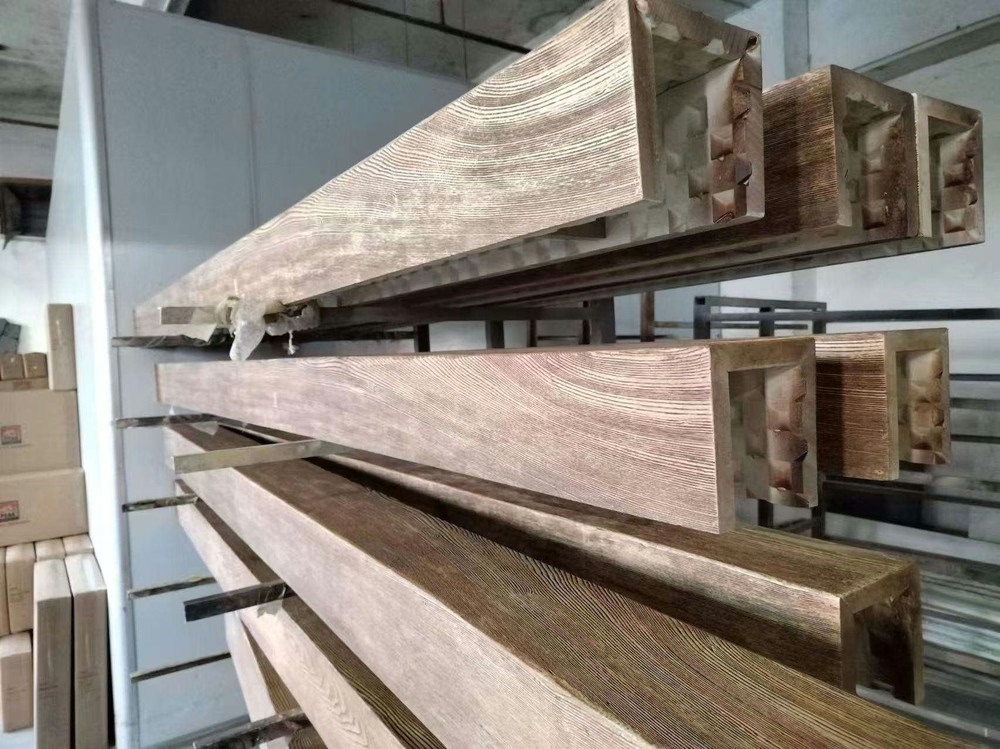
Current design trends have moved away from ultra-ornate Victorian profiles toward cleaner geometric shapes. Square and rectangular medallions with stepped profiles are increasingly common in modern and transitional interiors. Manufacturers have responded with broader catalogs that include:
- Stepped concentric squares in matte white
- Smooth roundels in soft taupe and greige tones
- Black medallions for industrial and contemporary projects
- Custom finishes including metallic gold and aged copper
For B2B buyers serving design-forward markets, stocking a small selection of contemporary profiles alongside the traditional rosettes captures both ends of the demand curve.
Quality Indicators When Sourcing
When evaluating polyurethane medallion suppliers, a few details separate premium programs from commodity offerings:
- Consistent wall thickness throughout the casting
- Sharp detail in the relief without flashing or mold lines
- Pre-primed with a sandable primer that holds topcoat evenly
- Documented fire ratings, particularly for commercial installations
- Accessories like ceiling fan medallion conversions and split medallions for retrofit work
Split medallions are particularly valuable. They allow installers to add a medallion to an existing chandelier without disconnecting the fixture, which can save an hour or more of electrical labor on retrofit projects.
Practical Specification Advice
For project managers specifying medallions for new construction, the easiest path is to identify chandelier locations during framing and have the electrician install a fan-rated brace box at each location. This provides the structural support for both the medallion and the fixture. The medallion is then installed by the finishing crew along with the beam package.
For renovation work, the timing is slightly different. The medallion install happens after ceiling repairs are complete and after any new beam installation, but before final paint. This sequence lets the painter blend the medallion into the surrounding ceiling without lap marks.
When a beam and medallion arrive from the same manufacturer, color matching is essentially automatic. When sourcing separately, request finish samples and compare them in the actual room lighting. Factory finishes can shift noticeably between showroom and jobsite conditions.
Closing Thoughts on Composition
The beam-medallion-fixture formula has survived centuries because it solves a real visual problem: how to anchor a hanging element to a ceiling without leaving it floating in space. Polyurethane medallions let designers and contractors deploy that formula on projects where plaster would be impractical and where cast stone would be impossible.
For importers, the category offers steady turnover, predictable lead times, and excellent container utilization. For designers, it provides a tool for adding classical depth without sacrificing modern installation efficiency. For contractors, it reduces labor hours and eliminates callbacks from cracked plaster or sagging stone.
A modest investment in stocking polyurethane medallions alongside a faux beam program typically pays for itself within the first few cross-sold orders.
Custom Medallion Options
For high-end projects, custom medallions offer unique design opportunities:
Custom sizing: Non-standard diameters for unique fixture sizes or proportions.
Bespoke profiles: Custom mold creation for unique architectural details or brand logos.
Special finishes: Custom staining, metallic finishes, or specialty coatings for distinctive appearances.
Lead times for custom medallions typically run 8 to 14 weeks for tooling, with minimum order quantities that vary by manufacturer.
Seasonal Considerations
Medallion installations may be affected by seasonal conditions:
Humidity: High humidity during installation can affect adhesive cure times. Plan installations accordingly.
Temperature: Extreme temperatures affect both adhesive performance and material handling. Most installations perform best between 50 and 90 degrees Fahrenheit.
New construction timing: Medallions installed before a building is fully conditioned may experience different conditions than expected.
Technical References
ASTM standards cited in every specification
Test Data
Lab results from internal testing program
Updated 2026
Reviewed against current product specs


