
The ceiling is the most underutilized surface in most interior spaces. Walls get the attention: paint colors, wallpaper, paneling, and art. Floors get investment: hardwood, tile, carpet. But the ceiling is often left as a blank plane, which is a missed opportunity of significant scale. Polyurethane faux beams change this equation by offering a practical way to transform the ceiling into a premium ornamental feature.
The Value of Ceiling Ornament
Ceiling ornament does something that wall and floor treatments cannot: it adds three-dimensional architectural interest to the highest surface in the room. A well-designed beam ceiling creates shadow lines, establishes rhythm, and adds visual weight that makes a room feel more substantial and considered.
This is not merely aesthetic indulgence. Research in environmental psychology suggests that ceiling height affects how people perceive space and even how they think. Higher or more interestingly designed ceilings correlate with feelings of openness, creativity, and freedom. A ceiling that does nothing cannot contribute to this effect. A ceiling with ornamental beams can.
For homeowners upgrading their living spaces, a beam ceiling is one of the most dramatic changes available. It does not require moving walls, changing flooring, or replacing fixtures. It simply adds a new layer of architectural interest to the existing space.
For designers working on commercial projects, beam ceilings differentiate a space in ways that are visible in photographs and experienced in person. A restaurant with an interesting ceiling becomes a destination. A hotel lobby with a dramatic beam installation becomes a signature space.
Polyurethane as the Modern Medium for Ceiling Ornament
The concept of ceiling ornament is old. The material for executing it efficiently is relatively new. Polyurethane faux beams represent the convergence of traditional aesthetics with modern manufacturing and materials science.
Traditional ceiling ornament was executed in plaster, carved wood, or cast stone. Each material has advantages and serious drawbacks:
- Plaster requires skilled craftspeople, is heavy, and cracks under movement
- Carved wood is expensive, requires expert joinery, and demands maintenance
- Cast stone is extremely heavy, requires structural support, and is costly
Polyurethane addresses these drawbacks while maintaining the visual effect:
- Lightweight: Installs without structural reinforcement on standard ceiling framing
- Consistent: Factory production ensures every piece matches the specification
- Durable: Closed-cell composition resists moisture, insects, and decay
- Adaptable: Available in virtually any profile and finish
- Affordable: Cost per linear foot is a fraction of equivalent carved timber
This combination of practical advantages has made polyurethane the dominant material for decorative ceiling elements in new construction and renovation at every scale.
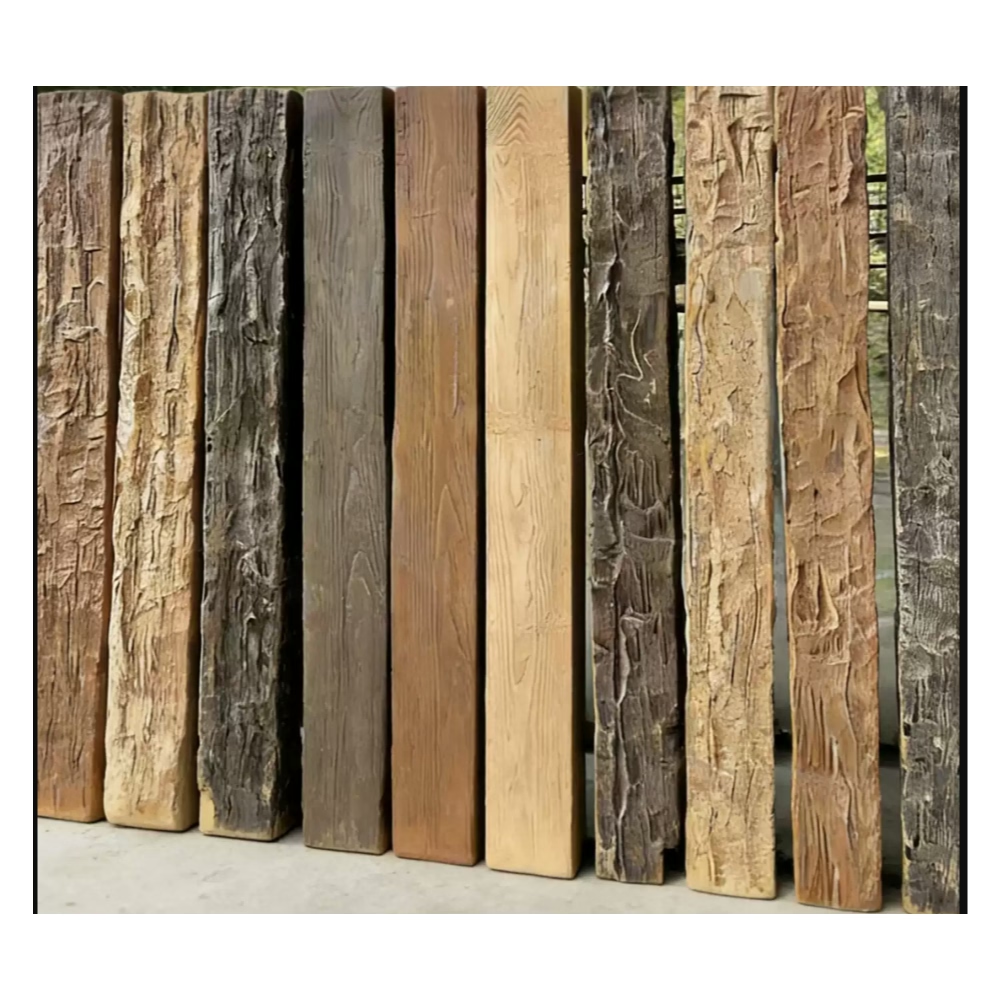
Design Philosophies for Beam Ceilings
Designers approach beam ceiling installations with different philosophies depending on the project type and the desired effect.
The Accent Approach
A single beam or a pair of beams crossing the ceiling creates an accent that draws the eye upward without dominating the room. This approach works when:
- The room has other strong design elements
- The ceiling height is modest
- A subtle architectural touch is preferred over a dramatic one
- Budget is limited to a focused statement
The accent approach is forgiving. Even modest beam installations read as intentional and add value. They are the right starting point for homeowners new to ceiling treatments.
The Composition Approach
Multiple beams arranged as a deliberate composition create a ceiling that is the dominant design element in the room. This approach works when:
- The room is large enough to support the scale
- The ceiling height is substantial
- The design intent calls for a dramatic ceiling statement
- Other design elements can complement rather than compete with the beams
Composition installations require more design skill to execute well. Beam spacing, proportions, and the relationship to other ceiling elements must be carefully considered. When done well, the result is transformative.
The Integrated Approach
Beams integrated with other ceiling treatments, such as coffers, medallions, crown moulding, or tongue-and-groove panels, create the most elaborate ceiling compositions. This approach works when:
- The room demands a high level of architectural detail
- The budget supports comprehensive ceiling design
- The building's style calls for period-appropriate ornament
- The space is formal rather than casual
Integrated treatments are the most expensive and the most impactful. They are appropriate for primary living spaces, formal dining rooms, and commercial spaces where the ceiling is a major element of the brand experience.
Choosing the Right Beam Profile
The profile of the beam determines its visual character and how it reads in the space.
Contemporary profiles feature clean lines, smooth surfaces, and simple geometries. They suit modern and transitional interiors. Box beams, shallow stepped beams, and slim profiles are contemporary options.
Traditional profiles include more complex shapes, deeper relief, and surface textures that reference historical construction. Hand-hewn beams, chamfered beams, and beams with visible grain texture are traditional options.
Transitional profiles occupy the middle ground, offering some traditional detail in proportions and profiles that remain contemporary. These are the most versatile profiles, suitable for a wide range of interior styles.
The choice of profile should be informed by the other elements in the room. A contemporary beam in a traditionally furnished room creates visual tension. A traditional beam in a contemporary room can feel like a costume rather than an authentic architectural element.
Color and Finish Considerations
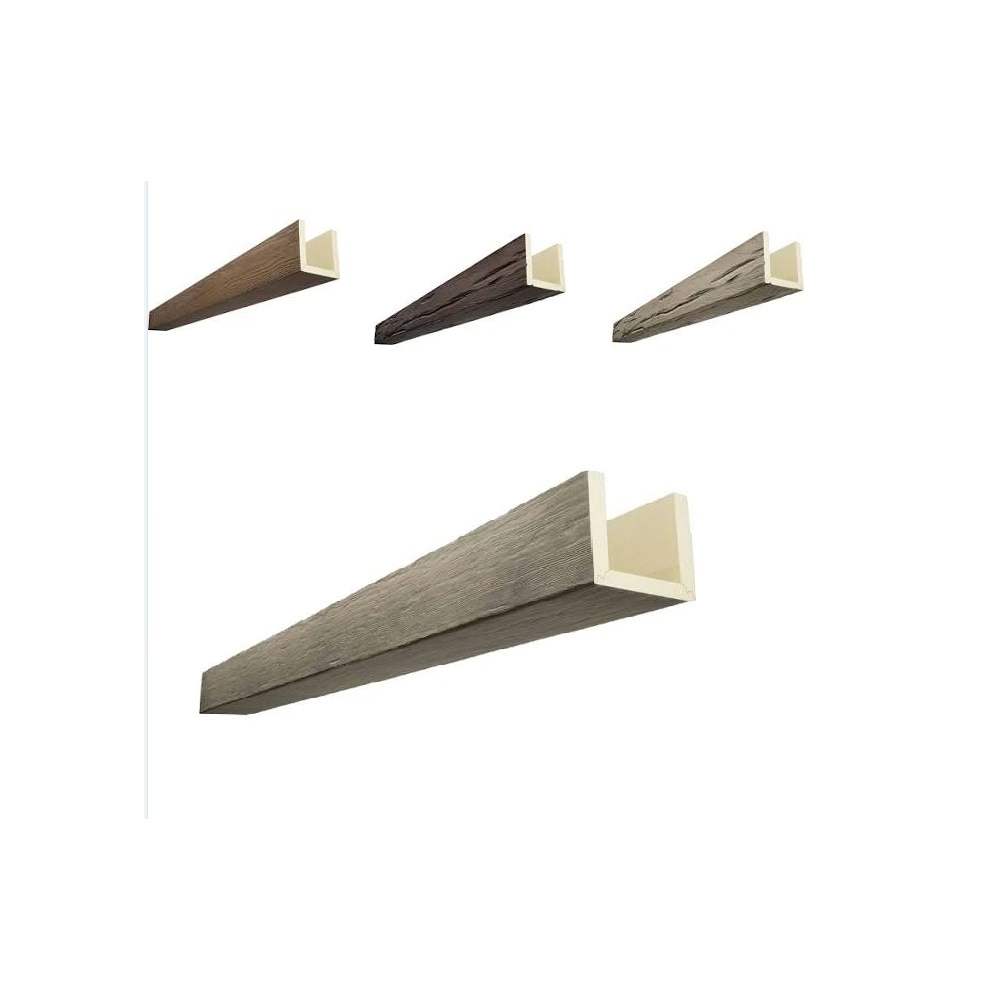
The finish of a beam ceiling is as important as its profile. The finish determines whether the beam recedes into the ceiling, matches existing wood elements, or stands out as a focal point.
Light finishes make the beam feel lighter and smaller. They work in rooms with light color palettes and in contemporary spaces. White-washed oak and soft grey tones are popular light finishes.
Medium finishes are the most versatile. Warm oak, honey maple, and natural pine finishes complement most wood-toned interiors without overwhelming them. These finishes read as wood without demanding attention.
Dark finishes create strong visual weight and drama. Walnut, espresso, and ebony finishes work in rooms with dark trim, rich upholstery, or where a bold ceiling statement is desired. Dark beams against a light ceiling is a classic high-contrast combination.
Painted finishes allow complete customization. White beams on a white ceiling add dimension without color. Bold painted beams in navy, black, or even metallic finishes create statement ceilings.
The finish should be specified with reference to physical samples viewed in the actual room lighting. Photographs and digital representations can be misleading. Physical samples eliminate ambiguity.
Premium Applications in Different Spaces
Great Rooms and Living Rooms
The great room is the natural home for premium beam ceilings. These spaces typically have the height, scale, and function to support substantial ceiling treatments.
A beam ceiling in a great room organizes the space, defines the seating area, and adds the warmth that large open rooms sometimes lack. The beams create a sense of enclosure within the larger volume.
Primary Bedrooms
Bedrooms benefit from the warmth and character that beam ceilings add. A beam ceiling over the bed creates a sense of canopy and shelter that enhances the room's function.
The beam installation in a bedroom should be scaled to the room. A bedroom ceiling that is too heavily treated can feel oppressive rather than cozy. Subtle treatments often work better than dramatic ones in private sleeping spaces.
Kitchens
Kitchen beam ceilings are increasingly popular as open-plan layouts blur the boundary between kitchen and living areas. A beam ceiling in a kitchen ties the kitchen visually to adjacent living spaces and adds warmth to a room that is often dominated by hard surfaces.
Beams over kitchen islands are a particularly effective application. The beams create a sense of enclosure over the food preparation and dining zone without physical barriers.
Commercial Spaces
The commercial applications for premium beam ceilings span retail, hospitality, food service, and office sectors. In each case, the beam ceiling serves both aesthetic and functional purposes.
A restaurant with a beam ceiling creates an atmosphere that supports the dining experience. A hotel lobby with a dramatic beam installation becomes a memorable arrival moment. A retail showroom with interesting ceiling treatment stands out from competitors.
Premium beam installations in commercial spaces also serve as photography opportunities. The ceiling often appears prominently in marketing images, making the investment in ceiling treatment a marketing asset as well as a design element.
Return on Investment
For homeowners, a premium beam ceiling adds value in several ways:
- Immediate enjoyment: The aesthetic improvement is experienced daily
- Perceived home value: Architectural details contribute to perceived home value
- Differentiation: A distinctive ceiling makes a home memorable to visitors and potential buyers
- Durability: Unlike many design trends, beam ceilings age well and do not date
For commercial properties, the return on investment manifests differently:
- Customer experience: An interesting ceiling enhances the guest experience
- Social sharing: Photo-worthy ceilings generate organic marketing
- Brand perception: Premium details signal quality and attention to design
- Rental rates: Well-designed commercial spaces command higher rents
The material cost of polyurethane beams is modest compared to the perceived value they add. This is why the category continues to grow in both residential and commercial segments.
Making the Decision
Choosing a premium beam ceiling for an interior upgrade is a commitment to a design direction. The beams become a permanent part of the space. They affect how furniture is arranged, how the room is used, and how it is perceived.
For homeowners and designers considering this upgrade, the process should begin with physical samples. Hold beam samples in the actual room. Consider them in different lighting conditions. Imagine living with them.
The decision should also consider the broader design context. Beams that complement existing trim, architectural details, and furniture read as authentic. Beams that conflict with these elements read as additions.
When the decision is made, the investment in quality pays dividends. Better profiles, better finishes, and better installation produce results that look architectural rather than decorative. They look like they belong to the building rather than like they were added to it.
A premium beam ceiling is not a small decision. It is a commitment to making the ceiling a designed surface rather than a neglected one. In spaces where this commitment is made, the results consistently exceed expectations.
Technical References
ASTM standards cited in every specification
Test Data
Lab results from internal testing program
Updated 2026
Reviewed against current product specs


