
Creative studios—whether for artists, designers, photographers, or craftspeople—are spaces where visual perception matters intensely. The people working in these spaces spend hours surrounded by their environment, and that environment affects how they think, create, and feel. A well-designed studio ceiling contributes to this environment by adding visual interest, architectural character, and a sense of place that supports rather than distracts from creative work.
The Studio Ceiling as Creative Canvas
Most studios treat their walls as the primary canvas for inspiration: pinned images, material samples, color references, and creative output cover vertical surfaces. The ceiling is often ignored, which is a missed opportunity of significant scale.
A beam ceiling in a studio adds a layer of visual complexity that the eye can rest on between tasks. It introduces shadow and texture that changes with the light throughout the day. It creates a sense of enclosure and purpose that helps separate studio time from other domestic activities.
For studios in open-plan homes or converted commercial spaces, beams provide an architectural cue that signals "creative work happens here." This environmental signal is valuable for establishing routines and boundaries, particularly for people working from home.
Acoustic Benefits in Studio Environments
Sound quality matters in creative studios for reasons beyond simple comfort. Artists listening to reference music, designers in video calls, photographers reviewing work with audio playback, and craftspeople using power tools all benefit from thoughtful acoustic treatment.
Faux beams contribute to acoustic quality in several ways:
Surface breaking: Beams installed on a ceiling break up what would otherwise be a large, flat, parallel surface. This disruption of parallel planes reduces flutter echo and standing waves that can color sound.
Shadow line absorption: The junction between beam and ceiling creates a shadow line where sound energy is partially absorbed. Multiple beams create multiple absorption zones.
Material combination: The beam material and the ceiling plane between beams create a combination of reflective and absorptive surfaces. This mix is more acoustically comfortable than either surface alone.
For studios with demanding acoustic requirements, beams alone are not sufficient. They are, however, a positive contribution to the overall acoustic environment and are compatible with additional acoustic treatment installed in the ceiling cavity or on the walls.
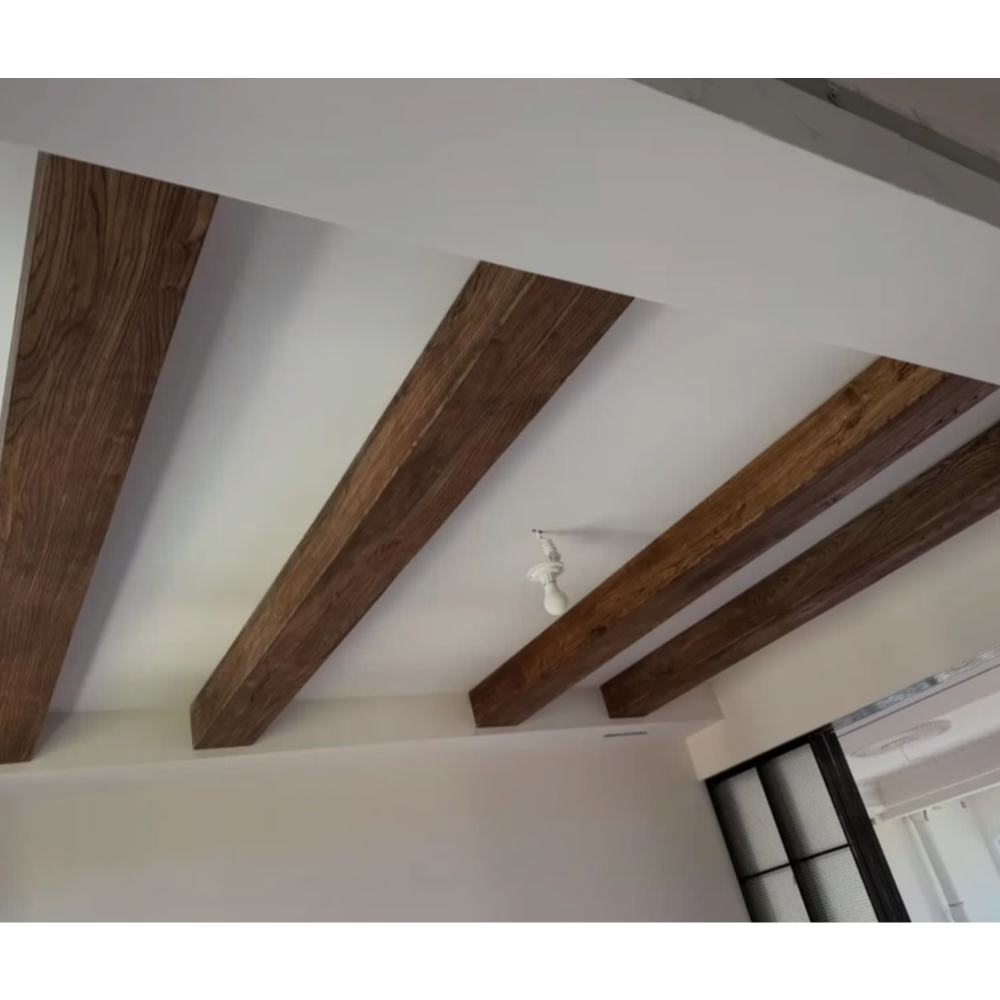
Design Approaches for Different Creative Disciplines
Different creative disciplines have different environmental needs. The beam ceiling should support the specific activities that take place in the studio.
Art Studios
Art studios need neutral, consistent lighting and a visually calm environment that does not compete with the artwork being created or displayed. Beams in neutral wood tones, installed in simple patterns, add warmth without distraction. Avoid high-contrast finishes or complex patterns that might compete with art on the walls.
Art studios also benefit from the ability to pin or hang work from beams. While polyurethane beams are not structural supports, they can hold lightweight display elements, exhibition hardware, and task lighting.
Design Studios
Design studios often embrace visual complexity and strong aesthetic statements. Beams can be a bold design element rather than a neutral background. Consider:
- High-contrast finishes that make the beams a focal point
- Complex patterns that add visual energy to the space
- Integrated lighting that creates dramatic effects
- Combined with other ceiling treatments for layered complexity
Design studios should use the ceiling as an expression of the firm's design philosophy. A distinctive beam ceiling becomes part of the firm's identity and a talking point for clients.
Photography Studios
Photography studios need controlled, even lighting without harsh shadows or color temperature variations. Beam ceilings can contribute to this environment when:
- Beams are finished in neutral tones that do not reflect color onto subjects
- Lighting is coordinated with beam placement to avoid unwanted shadows
- Beams are used to define zones for different shooting scenarios
Photography studios should coordinate beam specifications with the lighting designer or photographer to ensure the ceiling treatment supports rather than complicates the primary function.
Craft Studios
Craft studios for woodworking, ceramics, textiles, or similar hands-on disciplines benefit from the warmth and character that beams add. These studios often have industrial or utilitarian aesthetics that beams can complement rather than soften excessively.
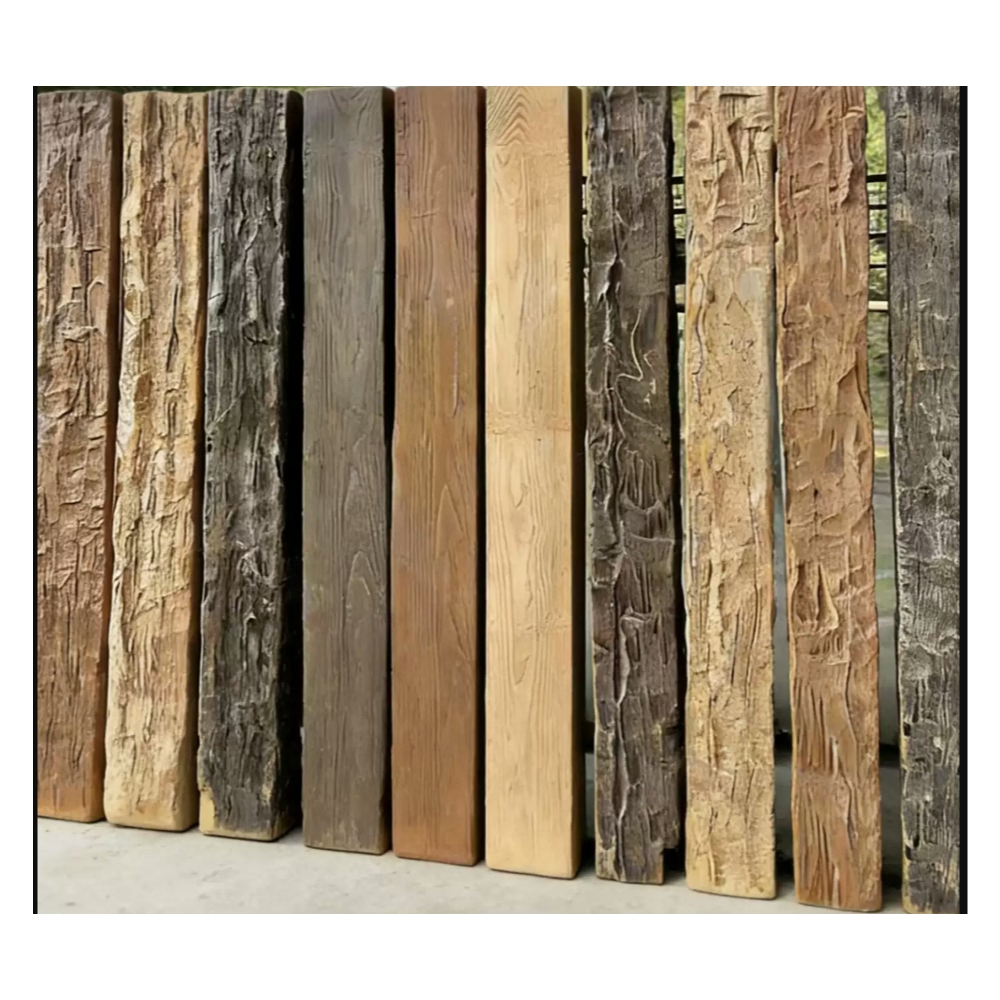
Consider beams in warm wood tones, possibly with a slightly rustic finish, that complement the materials and processes of the craft. The beams should feel compatible with sawdust, clay, and fabric rather than at odds with them.
Beam Styles and Studio Aesthetics
The style of beam should align with the overall aesthetic of the studio.
Industrial studios with exposed concrete, metal, and minimal finishes can accommodate beams in dark or painted finishes that maintain the industrial vocabulary. Black or charcoal beams create dramatic visual interest without softening the industrial character.
Minimalist studios with white walls, clean lines, and limited color benefit from beams in simple profiles with neutral finishes. The beams add dimension without introducing visual complexity.
Bohemian studios with eclectic furnishings, layered textiles, and collected objects can support beams in rich, varied finishes that complement the overall aesthetic. The beams become part of the collected, curated quality of the space.
Traditional studios with established furniture, architectural details, and formal arrangements can incorporate beams with classical profiles and rich wood finishes. The beams should feel like they belong to the building's original architecture.
Lighting Integration for Studios
Lighting is critical in creative studios and must be coordinated with beam installations.
Ambient lighting should be even and consistent across the studio. Beams should not create uneven pools of light or harsh shadows in work areas. If recessed lights are installed between beams, use fixtures with wide beam spreads to maintain even illumination.
Task lighting should be adjustable and positioned to avoid casting shadows on work surfaces. Beams can serve as mounting points for track lighting, pendant fixtures, or adjustable arm lamps.
Accent lighting aimed at beams creates dramatic visual effects during non-work hours. This lighting is optional but can transform the studio into an inspiring visual environment even when no work is being done.
Daylighting from skylights or windows should be coordinated with beam placement. Beams should not block or complicate natural light distribution. In studios with significant daylight, beams can add visual interest that the daylight animates throughout the day.
Layout Strategies for Studios
The layout of beams in a studio should respond to the studio's specific configuration and function.
Grid layouts work well in rectangular studios with consistent function across the space. A grid of beams creates even visual interest and defines zones without favoritism.
Linear layouts with beams running in one direction are appropriate for studios with a dominant orientation, such as a long, narrow space or a studio with a primary wall that draws attention.
Asymmetric layouts can work in studios with specific functional zones. A cluster of beams above the primary work area with minimal treatment elsewhere creates a sense of focus without treating the entire ceiling.
Partial treatments with beams only in specific zones allow the studio to maintain a clean ceiling in areas used for storage, client meetings, or other non-creative activities.
Practical Installation Considerations
Studio installations have some specific requirements that should be addressed during planning.
Ceiling height: Studios should maintain adequate headroom for standing work, camera equipment, and large-format displays. If ceiling height is limited, beams should be sized proportionally and installed with attention to sightlines.
Attachment points: Beams should be anchored to structural ceiling elements with adequate support. Studios with suspended ceiling systems may require additional blocking or structural reinforcement.
Flexibility: Studios change over time as creative practice evolves. Consider beam installations that can be modified or reconfigured if the studio function changes.
Maintenance: Studio environments can be dusty. Beams should have smooth surfaces that can be cleaned easily and finishes that do not show dust accumulation.
The Creative Investment
A creative studio is an investment in creative output. The environment should support that output by being visually stimulating, acoustically comfortable, and functionally appropriate.
Polyurethane faux beams contribute to all three requirements. They add visual interest to an otherwise neglected surface. They create acoustic texture that improves sound quality. They define the studio space architecturally.
For creative professionals building or renovating their studios, the ceiling is an opportunity that should not be overlooked. A beam ceiling is not a luxury—it is a practical investment in the environment where creative work happens.
Technical References
ASTM standards cited in every specification
Test Data
Lab results from internal testing program
Updated 2026
Reviewed against current product specs


