
Modern interior design has long been associated with clean lines, minimal ornament, and materials that reveal their essential nature. Wood, with its association with rustic tradition and historical architecture, has sometimes been treated with suspicion in modernist circles. This is changing. Contemporary polyurethane faux beams offer a way to introduce warmth and texture into modern interiors without compromising the principles that define the style.
The Modern Case for Beams
Modern interiors benefit from beams for several reasons that align with core modernist values:
Warmth without weight: Modern interiors can feel cool or austere. Beams add warmth and organic texture that soften the space without introducing clutter or ornament that contradicts modern principles.
Material honesty: Modern design celebrates materials for what they are. Polyurethane beams that honestly present themselves as reproductions of timber, rather than pretending to be solid wood, align with material honesty.
Structural expression: Modern architecture often exposes structural elements. Beams, even decorative ones, reference structural expression and add visual interest to the ceiling plane.
Craft and detail: Contemporary interiors increasingly embrace craft and detail as counterpoints to minimalism. Beams provide detail at the ceiling that the eye can appreciate without visual clutter at eye level.
The key is approaching beams as architectural elements rather than decorative props. When beams are integrated into the design from the beginning, they feel native to modern interiors rather than imported from a different vocabulary.
Profile Choices for Modern Spaces
Modern beam installations favor clean profiles that avoid historical ornamentation. Several profile types are particularly well-suited to contemporary interiors.
Box beams are the most modern option. A simple rectangular cross-section with clean edges, a box beam introduces substantial form without complex moldings or carved details. The profile reads clearly and cleanly at any distance.
Shallow coffered beams add a touch of detail through recessed panels on the visible face while maintaining overall simplicity. The panels create shadow and depth without ornamentation.
Stepped beams feature one or more horizontal ledges on the visible face. The stepped profile is geometric and contemporary, referencing architectural detail without historical reference.
Slender beams in widths of 3 to 5 inches bring the beam aesthetic to spaces where oversized beams would overwhelm. These slim elements add ceiling interest in contemporary proportion.
Floating beams are installed with a small gap between the beam and the wall, creating the impression that the beam is suspended. This detail adds visual lightness appropriate for modern spaces.
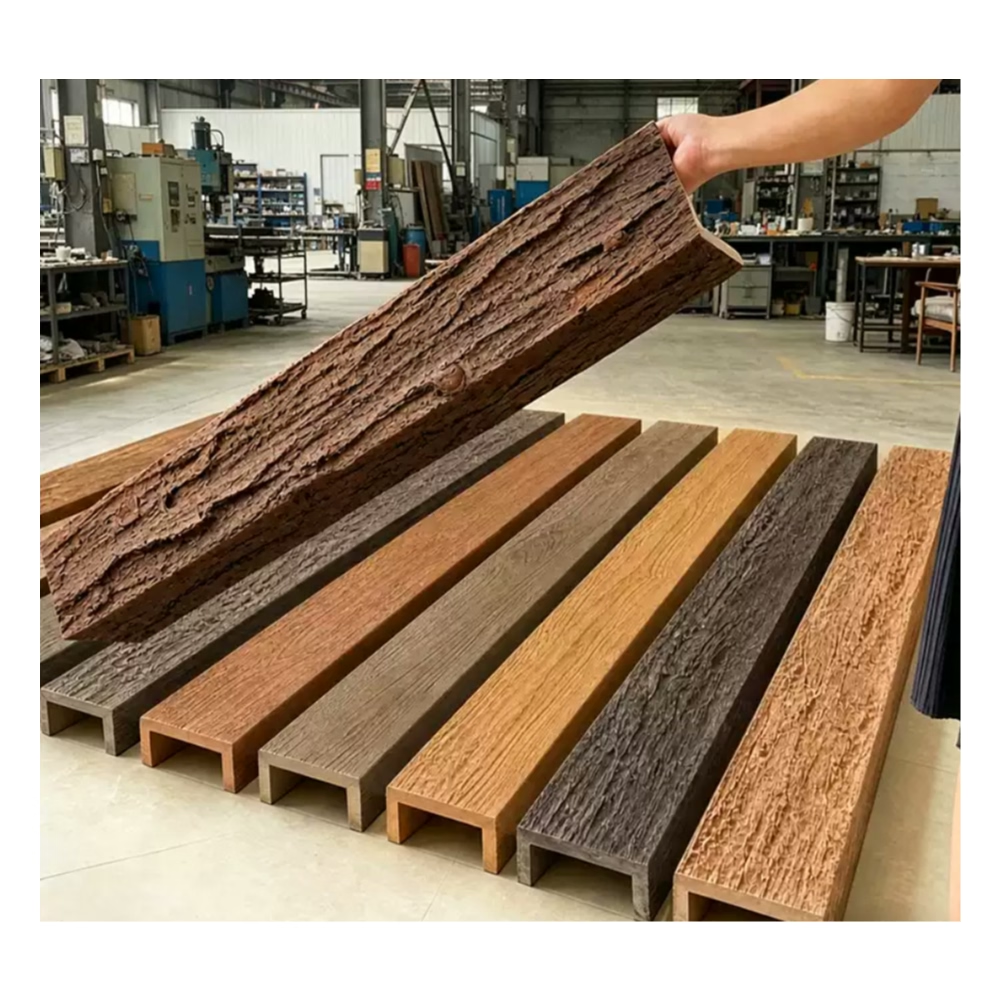
Color and Finish in Modern Interiors
Modern interiors use color differently than traditional spaces. The finishes for beams should align with this approach.
White and near-white: Beams painted to match the ceiling color, or in flat white, create a sculptural effect without color introduction. The beam form is visible through shadow and depth rather than color contrast.
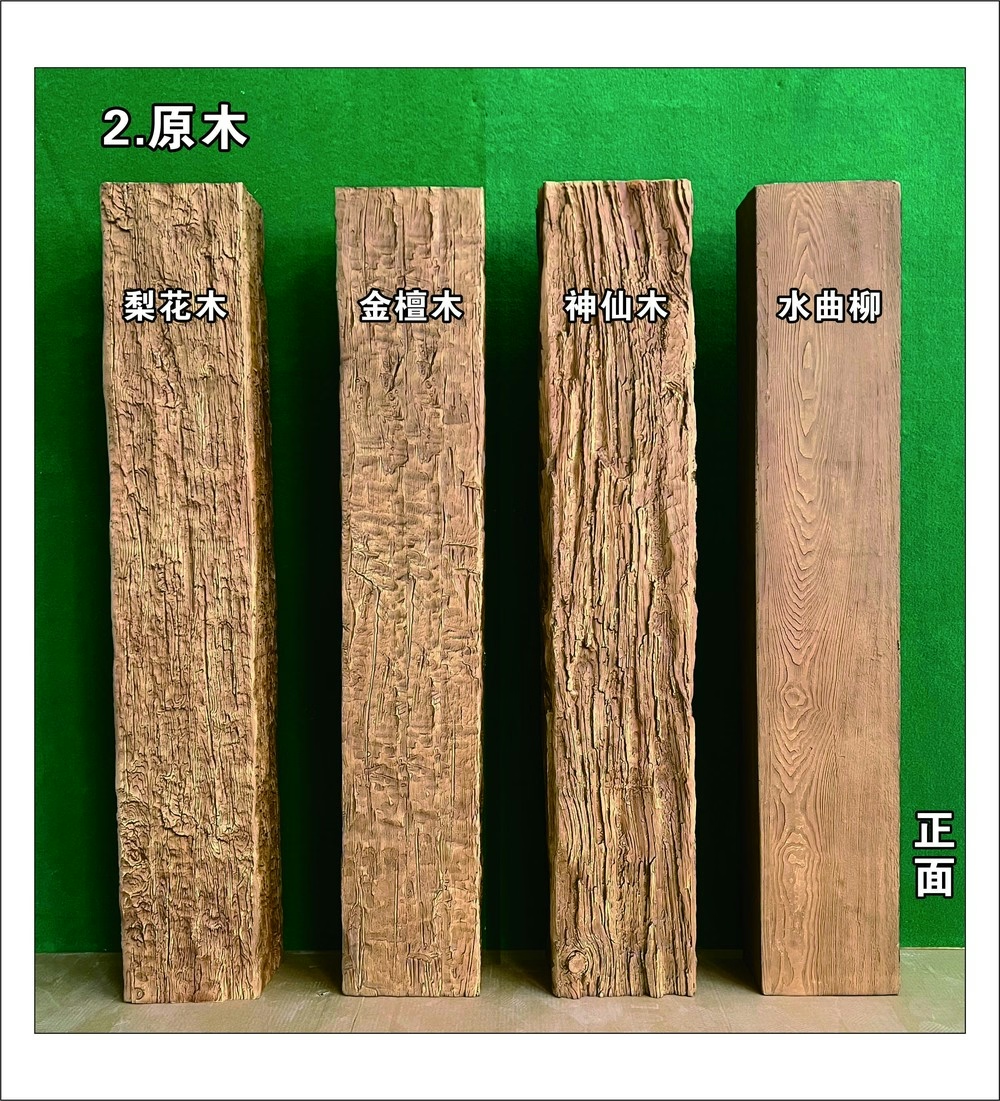
Light wood tones: White oak, natural maple, and similar light wood tones add warmth without strong color. These finishes work in Scandinavian-inspired interiors and spaces with light, neutral palettes.
Charcoal and black: Dark charcoal or black beams create strong contrast against light ceilings. This high-contrast approach is dramatic and contemporary, often used in industrial and minimalist interiors.
Raw concrete tones: Beams finished in grey tones that reference concrete or stone add texture without introducing wood color. These finishes work in lofts and spaces with industrial materials.
Single accent color: One beam or one section of beams in a bold color—navy, forest green, or terracotta—creates a focal point. This approach uses the beam as a color vehicle rather than purely a textural element.
The finish choice should be made in the context of the entire room. A finish that looks perfect in isolation may not work with the existing palette, furniture, or lighting.
Placement Strategies for Modern Spaces
Modern beam placement often differs from traditional approaches. Several strategies work well:
Single accent beam: One beam crossing the ceiling in a dominant location creates focus without cluttering the design. This approach is particularly effective in spaces with strong existing architectural features.
Parallel pairs: Two or three parallel beams crossing the ceiling create rhythm and structure. The spacing should be generous, typically 36 to 48 inches on center, to maintain openness.
Asymmetric arrangements: Modern design embraces asymmetry. Beams can be arranged in non-uniform patterns that create dynamic visual interest while avoiding the rigid formality of symmetric layouts.
Floating endpoints: Beams that stop short of walls, or that appear to float without visible support, add contemporary edge. This detail requires careful planning of attachment points.
Integration with lighting: Modern beam installations often incorporate linear LED lighting in the beam-to-ceiling junction or recessed fixtures between beams. The lighting becomes part of the design vocabulary.
Room-by-Room Applications
Living Rooms
Modern living rooms benefit from beams that add warmth without competing with the living space. A single wide beam or a pair of parallel beams crossing the ceiling above the primary seating area creates a sense of canopy and focus.
The beam should be positioned in relation to the furniture layout. A beam crossing above a sofa or seating arrangement creates natural visual organization.
Kitchens
Modern kitchens with open plans benefit from beam ceilings that tie the kitchen visually to adjacent living spaces. Beams above the kitchen island create a sense of enclosure without physical barriers.
In modern kitchens with clean cabinetry and minimal ornament, beams add the warmth that prevents the space from feeling clinical. The beam finish can coordinate with the cabinet hardware or countertop material.
Bedrooms
Modern bedrooms can use beams to create a sense of canopy and intimacy. A beam crossing above the bed, or a pair of beams parallel to the bed, adds architectural presence to the sleeping area.
The beam finish should be calming rather than dramatic. Light wood or white finishes work better than dark or high-contrast options in bedrooms.
Home Offices
Home offices benefit from beams that create a sense of productive workspace. A beam crossing above the desk or work surface adds structure and visual interest without distraction.
In modern home offices with video call backgrounds, beams provide an interesting backdrop that looks professional and designed.
Coordinating with Other Modern Elements
Modern beam installations should coordinate with the other design elements in the space.
Minimalist trim: Modern interiors typically have minimal trim. Beams should feel consistent with this approach. Avoid crown moulding or elaborate trim packages that contradict the modern aesthetic.
Clean hardware: Door hardware, light fixtures, and furniture should have clean lines that complement the beam aesthetic. Busy hardware or traditional hardware creates visual conflict.
Simple window treatments: Modern interiors favor simple window treatments—roller shades, sheer curtains, or no window treatment at all. Heavy drapery or elaborate valances contradict both the beams and the modern aesthetic.
Material consistency: Materials used in the beams should be reflected elsewhere. A wood-tone beam should coordinate with wood flooring, furniture, or accent elements. A painted beam should coordinate with the wall color.
Lighting Integration
Modern interiors often use lighting as a key design element. Beams and lighting should be integrated thoughtfully.
Recessed lighting: Small recessed fixtures between beams provide general illumination without visible hardware. Use fixtures with consistent color temperature and appropriate beam spread.
Linear LED: LED strips installed in the beam-to-ceiling junction create a continuous light line. This effect is particularly dramatic in dark spaces or evening settings.
Track lighting: Modern track lighting systems can be mounted to beams, with fixtures positioned to illuminate specific areas. This approach allows flexibility in lighting layout.
Pendant fixtures: Single pendant fixtures or linear arrangements can be suspended from beams. The beam becomes the mounting point, and the fixture becomes part of the overall composition.
Wall washers: Lighting aimed at beams from below creates dramatic uplighting effects. This approach works in spaces where the ceiling is a focal point.
Material Combinations
Modern interiors often combine materials. Beams can be part of these combinations.
Wood and steel: Beams paired with steel mounting hardware, steel furniture, or exposed steel structure create a warehouse-industrial aesthetic that is thoroughly modern.
Wood and concrete: Beams in warm wood tones against grey concrete or polished concrete floors reference the contrast between organic and industrial that defines much contemporary design.
Wood and glass: Beams in spaces with large glass areas add warmth that prevents the space from feeling overly exposed. The wood tone grounds the transparency of the glass.
Wood and white: Light wood beams against white walls and ceilings create warmth without strong color. This combination is common in Scandinavian and Japanese-influenced modern interiors.
The Modern Beam as Design Element
The modern approach to beams treats them as integrated architectural elements rather than decorative additions. The beams should feel like they belong to the space, not like they were added as an afterthought.
This requires attention to proportion, finish, and placement. Beams that are too large feel clumsy. Beams with overly traditional profiles feel imported. Beams placed carelessly feel random.
When done well, modern beam installations add warmth, texture, and architectural interest to contemporary spaces. They demonstrate that timber aesthetics have a place in modern interiors, as long as they are executed with the same care and intentionality that characterizes good modern design.
The result is a space that feels both warm and contemporary—architecturally complete in a way that pure minimalism rarely achieves.
Technical References
ASTM standards cited in every specification
Test Data
Lab results from internal testing program
Updated 2026
Reviewed against current product specs


