
Accent walls have been a design tool since the first painter decided that one wall deserved different treatment than its companions. The principle remains valid: a single wall given special attention draws the eye, establishes focus, and adds visual interest to a room. Polyurethane faux wood beams bring this principle to new heights, creating accent walls with genuine three-dimensional presence rather than flat color or wallpaper.
Why Beams Work on Walls
Beams are inherently architectural elements. On a ceiling, they add dimension and shadow. On a wall, they add texture, pattern, and material warmth that flat surfaces cannot match.
Several characteristics make wall-mounted beams effective:
Three-dimensional presence: Unlike wallpaper or paint, beams project from the wall surface. They create real shadow and real depth that is visible from every angle.
Material warmth: Wood tones add organic warmth that cools a room visually. Even painted beams add texture that painted drywall lacks.
Visual weight: Beams add mass to the wall plane. This weight can anchor furniture groupings, define zones, or balance other visual elements.
Pattern potential: Multiple beams create patterns—horizontal bands, ladder configurations, chevrons—that introduce rhythm and structure.
Installation Orientations
Wall beams can be installed in several orientations, each creating different effects:
Horizontal Installation
Horizontal beams are the most common wall application:
- Create a sense of width and expansion
- Work well above beds, sofas, and mantels
- Establish visual grounding for furniture groupings
- Can extend across entire wall or partial segments
Horizontal installation is forgiving and works in most room configurations.
Vertical Installation
Vertical beams create different effects:
- Suggest height and expansion upward
- Work well in narrow spaces or beside tall furniture
- Can frame doorways or window openings
- Create contemporary, architectural aesthetic
Vertical installation requires more care to align properly with room proportions.
Ladder Configuration
Ladder configurations place horizontal beams between vertical rails:
- Create a structured, designed appearance
- Work well in transitional spaces and hallways
- Provide attachment points for additional accessories
- Suggest built-in architectural millwork
Chevron and Herringbone
Diagonal installations create dynamic visual interest:
- Add energy and movement to walls
- Work well in contemporary and eclectic interiors
- Require precise cutting and alignment
- Create focal points that demand attention
Common Applications
Behind the Bed
A beam installation behind the bed creates a headboard-like effect:
- Establishes the bed as the room's focal point
- Adds warmth to the sleeping environment
- Can incorporate sconces or integrated lighting
- Works with both upholstered and panel headboards
This application is particularly effective in primary bedrooms where the bed dominates the space.
Behind the Sofa
A wall-mounted beam treatment behind the sofa creates a backdrop:
- Anchors the seating arrangement
- Adds visual interest to the living room
- Can include integrated shelving or display ledges
- Works with both modern and traditional furniture
Above the Mantel
Beams above the fireplace mantel add presence:
- Frames the fireplace as the room's center
- Adds scale to fireplaces that feel undersized
- Can incorporate hidden lighting for dramatic effect
- Creates the appearance of exposed structure
In Entryways
Wall beams in entryways establish arrival:
- Create a welcoming architectural moment
- Can frame the entry door or passage
- Coordinate with any ceiling beam treatment
- Add presence to spaces that might otherwise feel small
Commercial Feature Walls
Commercial applications include:
- Restaurant walls behind dining seating
- Hotel lobby accent walls
- Office reception areas
- Retail display backdrops
Commercial installations should consider durability and maintenance requirements.
Sizing Guidelines
Wall beam sizing depends on the installation surface and the desired effect:
| Wall Width | Beam Width | Number of Beams | Spacing |
|---|---|---|---|
| 8–10 ft | 4–6 in | 3–5 | 12–18 in |
| 10–12 ft | 5–7 in | 4–6 | 14–20 in |
| 12–16 ft | 6–8 in | 5–8 | 16–24 in |
| 16+ ft | 7–10 in | 6–10 | 18–30 in |
These are starting points. The specific sizing depends on the room proportions, furniture arrangement, and design intent.
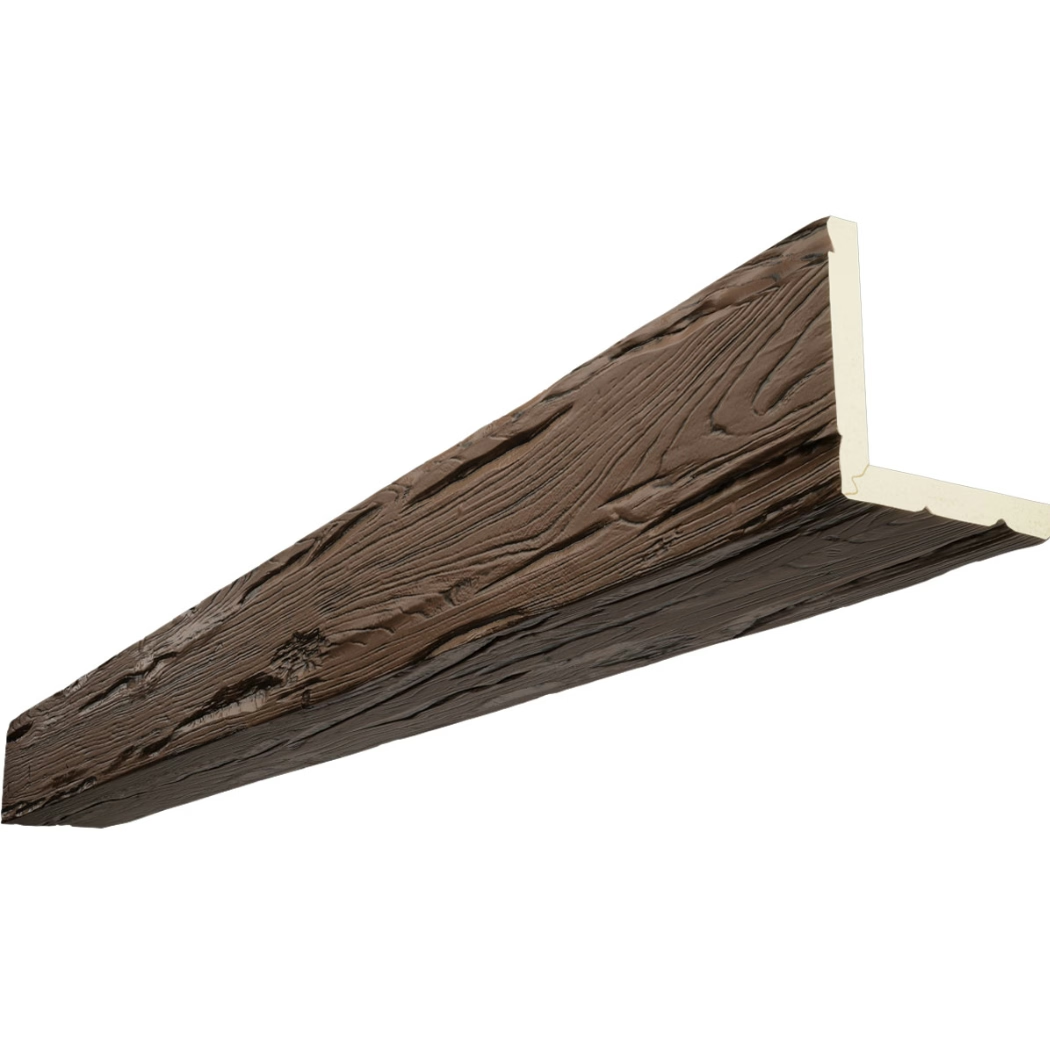
Beam projection from the wall is typically 2 to 4 inches. Greater projection creates stronger shadow but may interfere with wall decorations or furniture.
Wall Preparation
Wall beams require appropriate wall preparation:
Surface condition: The wall should be flat and in good repair. Beams amplify surface irregularities rather than hiding them.
Structural backing: Beams should be anchored to wall studs or structural backing. Drywall alone cannot support beam weight.
Electrical considerations: Any electrical boxes, switches, or outlets in the beam installation area should be relocated or incorporated into the design.
Finish coordination: The wall behind beams should be finished—painted or papered—before beam installation.
Installation Methods
Wall beam installation differs from ceiling installation:
Stud attachment: Locate wall studs with a stud finder. Mark stud positions before starting installation.
Level marking: Mark a level line for the first beam. Subsequent beams reference the first.
Adhesive plus fasteners: Apply construction adhesive to the beam back. Position the beam and secure with screws driven into studs.
Joint treatment: Beams that require joints should have joints positioned at natural visual breaks or hidden behind furniture.
Finish touch-up: Fill fastener holes and touch up any finish damage.
Coordination with Room Design
Wall beams should be integrated with the overall room design:
Furniture alignment: Beams should align with furniture elements—bed headboard, sofa back, mantel shelf. Misalignment is obvious.
Lighting coordination: Beam positions should consider existing lighting. Beams should not cast unwanted shadows or block light distribution.
Window coordination: Beams near windows should not interfere with window operation or obscure window frames.
Trim coordination: Beams should relate to existing trim and millwork. Consistent trim height and style creates unity.
Accessory Integration
Wall beams can incorporate accessories:
Display ledges: A narrow ledge on top of a beam provides display space for objects, photos, or lighting.
Hidden lighting: LED strips or low-voltage fixtures can be installed behind beam ledges for accent illumination.
Sconces: Wall sconces can be mounted to beams, using the beam as a mounting surface and visual anchor.
Floating shelves: Shelves can be installed between beams, using beams as support points.
These accessories add functionality while reinforcing the architectural character.
Maintenance and Care
Wall beam maintenance is straightforward:
- Dust regularly with a soft cloth or duster
- Clean marks with a damp cloth and mild detergent
- Avoid abrasive cleaners that may damage finish
- Inspect fastener attachment periodically
Damaged beams can be removed and replaced without disturbing adjacent beams if they were installed independently.
Making the Statement
A beam accent wall is a commitment to architectural interest. Unlike paint or wallpaper, beams add genuine dimension and material presence to the wall plane.
For designers and homeowners seeking a focal point that commands attention, wall beams deliver. The investment is modest, the installation is manageable, and the result is a wall that looks intentional and designed.
The key is proportion and placement. Beams that are correctly sized and thoughtfully positioned create the intended effect. Beams that are too small or carelessly placed look accidental.
When done well, a beam accent wall becomes a signature element—a wall that visitors notice, photograph, and remember.
Commercial Accent Wall Applications
Commercial spaces use wall beams for specific purposes:
Restaurant dining rooms: Beam accent walls behind dining seating create visual warmth and define the dining zone. The wall treatment photographs well for marketing materials.
Hotel lobbies: Large-scale accent walls establish brand identity and create arrival moments. The treatment should coordinate with the brand design standards.
Retail displays: Beam walls create distinctive display backdrops that differentiate the space from competitors. The texture adds interest without competing with merchandise.
Office meeting rooms: Beam accent walls in meeting rooms add visual interest to spaces that might otherwise feel generic. The treatment supports a sense of designed workspace.
Commercial applications require attention to durability, maintenance, and code compliance.
Design Styles for Wall Beams
Different interior design styles call for different beam treatments:
Farmhouse and rustic: Weathered wood beams, rough textures, and natural finishes. The beams should look like reclaimed timber with character and age.
Industrial and loft: Dark finishes, minimal ornamentation, and substantial beams. The treatment should feel honest and structural.
Modern and contemporary: Clean profiles, light or painted finishes, and minimal texture. The beams should add form without historical reference.
Traditional and classical: Rich wood tones, refined profiles, and coordinated accessories. The beams should reference established architectural traditions.
Transitional: Simplified traditional profiles in contemporary proportions. The beams bridge traditional and modern aesthetics.
Matching the beam treatment to the overall design style ensures a cohesive result.
Color Psychology and Wall Beams
The color of wall beams affects the mood of the space:
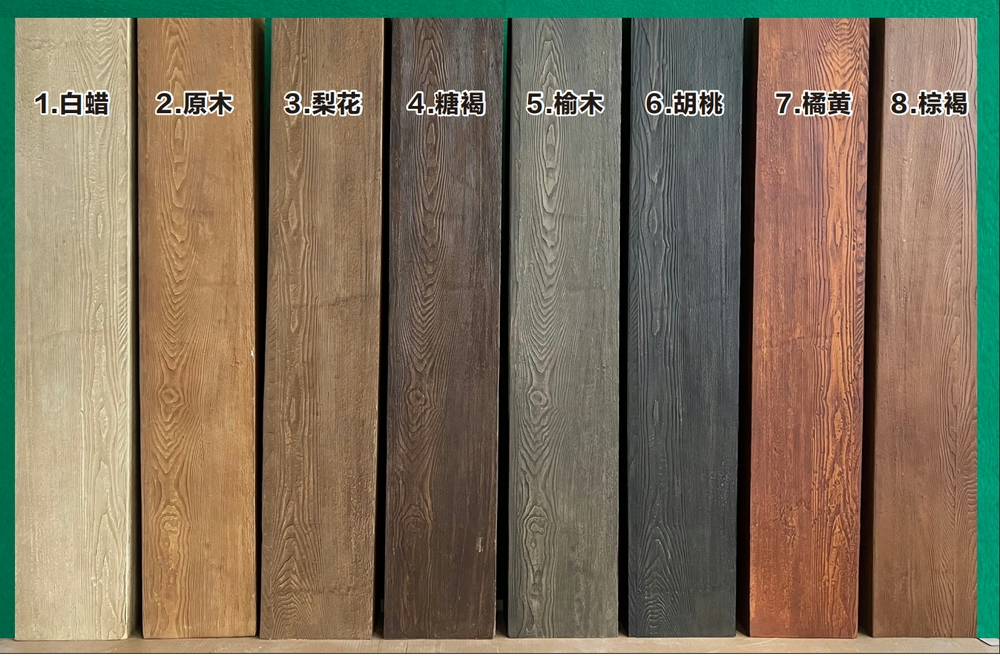
Warm wood tones: Create feelings of comfort, warmth, and welcome. Appropriate for living spaces and social areas.
Light natural finishes: Create openness and airiness. Appropriate for smaller spaces or rooms with limited natural light.
Dark dramatic finishes: Create drama and intimacy. Appropriate for entertainment spaces, dining rooms, and bedrooms.
White and painted finishes: Create clean, contemporary aesthetics. The beams recede visually while adding texture.
Bold accent colors: Create focal points and brand expression. Appropriate for commercial spaces and design-forward residential interiors.
Consider the psychological effect of beam color when selecting finishes.
Combining Wall and Ceiling Treatments
Wall beams can be combined with ceiling beams for comprehensive treatment:
Unified vocabulary: Wall and ceiling beams should share the same profile, finish, and style vocabulary. Inconsistency creates visual confusion.
Corner transitions: Where wall beams meet ceiling beams, plan the transition carefully. Consistent trim or seamless joints create clean visual connections.
Differential treatment: Alternatively, wall and ceiling beams can use different but complementary treatments. A wall accent in dark wood with a ceiling treatment in light wood creates visual interest.
Accent hierarchy: One treatment—wall or ceiling—should dominate. Equal emphasis on both creates visual competition.
The relationship between wall and ceiling treatments should be resolved during design rather than improvised during installation.
Budget Considerations for Wall Beams
Wall beam installations vary in cost based on scope and detail:
Partial wall treatment: Installing beams on a single wall section limits material costs while creating impact.
Full wall coverage: Covering an entire wall maximizes impact but increases material and installation costs proportionally.
DIY installation: Experienced DIYers can install wall beams independently, reducing labor costs.
Professional installation: Professional installation ensures quality results and may be required for commercial applications.
Budget constraints should inform the scope of treatment. Even a modest beam installation can create significant visual impact if well-designed.
The Lasting Appeal of Wall Beams
Wall beams have enduring appeal that transcends trends:
- They add genuine architectural interest rather than surface decoration
- They create three-dimensional presence that flat walls cannot achieve
- They introduce material warmth that enhances any interior style
- They age gracefully without the maintenance demands of real timber
For property owners seeking to elevate their interiors, wall beams offer a high-impact option with lasting appeal. The investment in thoughtful design and quality installation pays dividends in daily enjoyment and enhanced property value.
Technical References
ASTM standards cited in every specification
Test Data
Lab results from internal testing program
Updated 2026
Reviewed against current product specs


