
Plain ceilings—the default white or textured surface that occupies most residential and commercial interiors—are missed opportunities. These surfaces occupy a significant percentage of a room's visual field but contribute nothing to the space. Polyurethane faux wood beams transform plain ceilings by adding architectural interest, material warmth, and visual texture that turns the ceiling from neglected to designed.
The Case for Ceiling Enhancement
The ceiling is the most underutilized surface in most interiors. Attention goes to walls—paint, wallpaper, paneling—and to floors—hardwood, tile, carpet. The ceiling, high above and largely ignored, receives whatever came standard with the house.
This neglect is a mistake for several reasons:
Visibility: The ceiling is visible from every position in the room. Its condition and appearance affect the room's overall impression whether we consciously notice it or not.
Scale: The ceiling is the largest surface in most rooms. Its treatment has more visual impact than the treatment of any single wall.
Light interaction: The ceiling receives and reflects light. A textured or detailed ceiling interacts with light differently than a flat surface, creating depth and visual interest.
Architecture: The ceiling is where the room's structural system meets the finished interior. Treating the ceiling acknowledges this junction and makes it a design element.
Faux wood beams address all of these issues, transforming the ceiling from a forgotten surface to a designed feature.
What Beams Add to a Ceiling
Beams contribute several qualities to a ceiling:
Shadow and Depth
A flat ceiling reflects light evenly, creating a one-dimensional appearance. Beams introduce shadow lines at the beam edges and at beam-to-ceiling junctions. These shadows create the illusion of depth and dimension, making the ceiling feel more substantial.
Visual Rhythm
The spacing of beams creates visual rhythm across the ceiling. This rhythm organizes the ceiling plane and gives it structure. The eye can follow the beam lines, creating a sense of coherence and intentional design.
Material Warmth
Wood tones add organic warmth that white or textured ceilings lack. This warmth makes rooms feel more inviting and lived-in. Even painted beams add texture that contributes to warmth.
Scale and Proportion
Beams add visual weight to the ceiling. In rooms with high ceilings that feel empty, beams provide mass that makes the space feel more proportional. In rooms with low ceilings, carefully sized beams can create the illusion of height.
Architectural Character
Beams suggest architectural traditions—timber framing, classical design, rustic construction. Adding beams to a room connects it to these traditions and adds character that plain ceilings cannot provide.
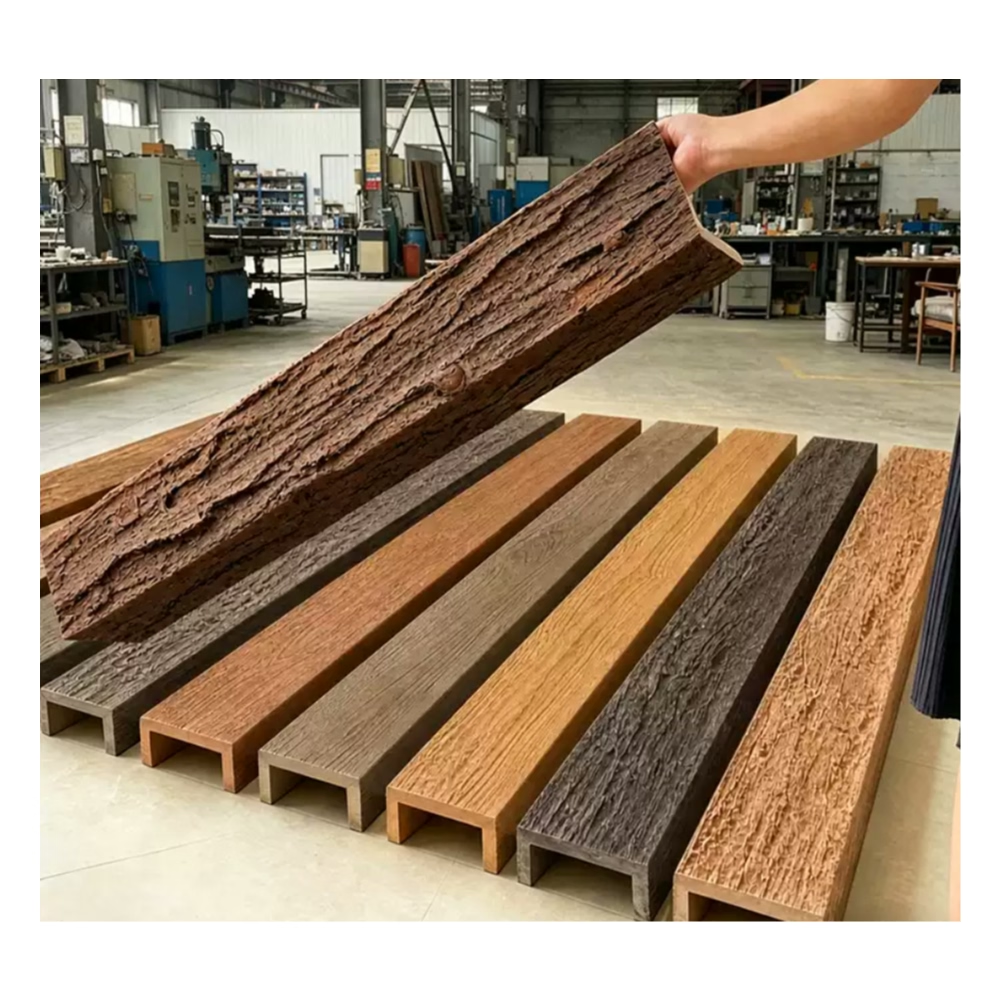
Assessing the Plain Ceiling
Before adding beams, assess the existing ceiling:
Height: Measure ceiling height at multiple points. Beams require adequate height to avoid making the room feel cramped.
Condition: Note any damage, staining, or irregularities. Beams will cover these but should not be installed over active problems.
Structure: Locate ceiling joists, beams, or other structural elements that affect beam positioning.
Mechanical systems: Identify any pipes, ducts, or conduit that cross the ceiling. These will need to be incorporated into the beam layout or concealed by it.
Light fixtures: Note the location of light fixtures, ceiling fans, and any attachments. Beams should coordinate with these elements.
This assessment informs beam selection, positioning, and installation approach.
Beam Configuration Options
Beams can be configured in several ways depending on the ceiling and the desired effect:
Single Beam Accent
One beam crossing the ceiling creates a focal point. This is the simplest treatment and works well in:
- Small rooms where multiple beams would be overwhelming
- Rooms with other strong architectural features
- Spaces where a subtle enhancement is desired
Parallel Beam Pair
Two or three parallel beams create stronger visual presence:
- Define zones within open-plan spaces
- Frame specific areas—seating, dining, bed
- Add rhythm without the density of multiple beams
Full Beam Grid
Beams arranged in a grid pattern create the most dramatic effect:
- Transform the ceiling into a designed architectural element
- Work best in larger rooms with adequate height
- Create visual structure that organizes the entire space
- May incorporate medallions or other accessories at intersections
Beam and Purlin System
Primary beams with perpendicular purlins create the most complex ceiling composition:
- Suggest authentic timber-frame construction
- Add multiple layers of visual interest
- Require more design coordination
- Produce the most impressive results
Selecting Beam Size and Proportion
Beam sizing affects the visual result:
Width: Wider beams make a stronger statement but require more ceiling height. Narrower beams are more subtle but may disappear in large rooms.
Depth: Deeper beams cast stronger shadows and add more apparent depth. Shallower beams are more subtle.
Spacing: Closer spacing creates denser rhythm. Wider spacing maintains openness.
The goal is proportion: beams that register visually without overwhelming the room.
| Ceiling Height | Recommended Beam Width | Typical Spacing |
|---|---|---|
| 8 ft | 4–6 in | 16–24 in |
| 9 ft | 5–7 in | 20–30 in |
| 10 ft | 6–9 in | 24–36 in |
| 12 ft+ | 8–12 in | 30–48 in |
These are general guidelines. The specific sizing depends on the room proportions and the design intent.
Finish Selection
The beam finish determines how the beams interact with the room:
Matching the ceiling: Beams finished to match the ceiling color recede into the ceiling plane while still adding shadow and dimension.
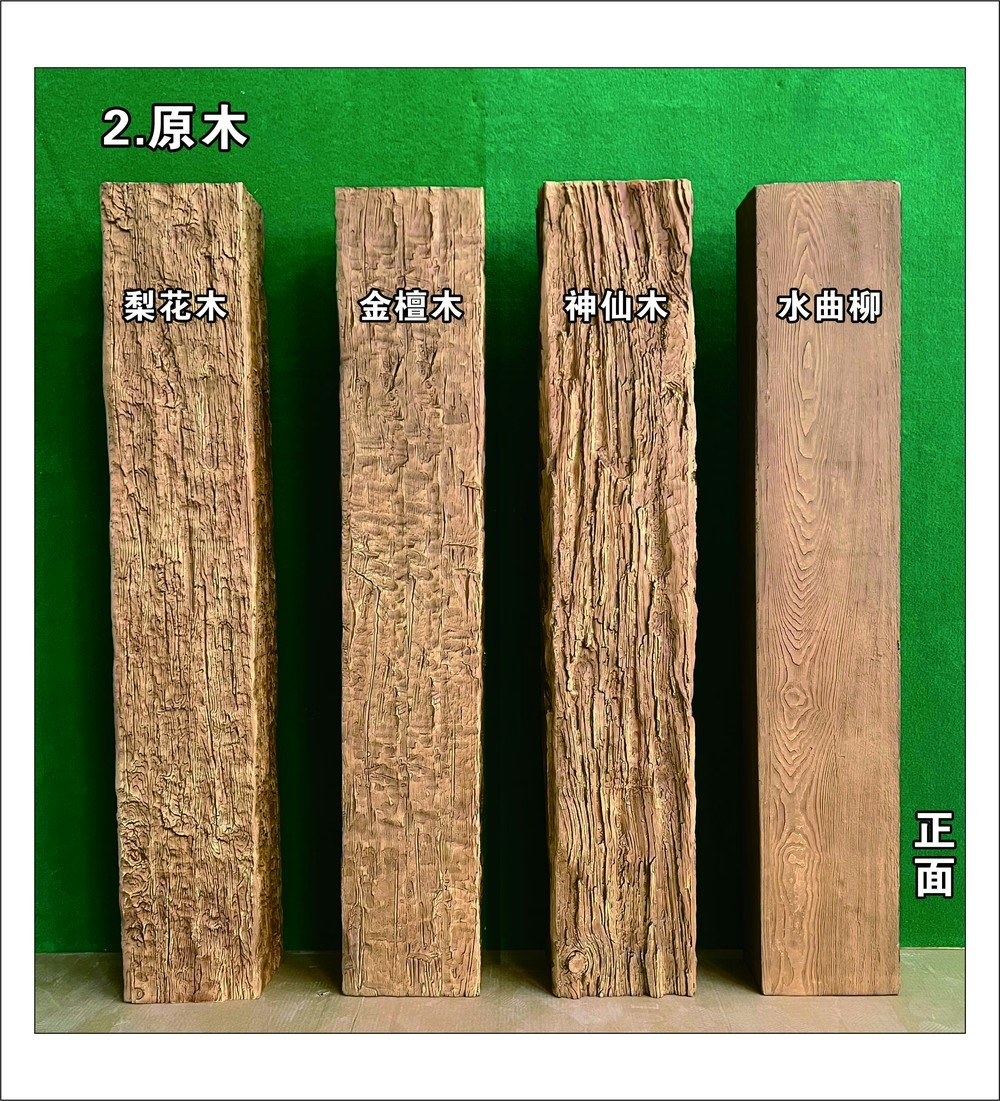
Wood tones: Natural wood finishes add warmth and material interest. The tone should coordinate with other wood elements in the room.
Contrasting: Beams in a contrasting color—dark against light, light against dark—make the beams a visual focus.
Painted: Beams can be painted any color to coordinate with the room's palette. This offers maximum design flexibility.
Room-Specific Enhancement
Living Rooms
Living rooms benefit from beam ceilings that organize the space and provide visual interest. Consider:
- Beams above the primary seating arrangement
- Integration with any fireplace or entertainment center
- Coordination with window locations and natural light patterns
Kitchens
Kitchens with beam ceilings add warmth to a space dominated by hard surfaces. Consider:
- Beams above the kitchen island or dining area
- Coordination with cabinetry and countertop materials
- Integration with kitchen lighting requirements
Bedrooms
Bedroom beam ceilings create a sense of canopy and shelter. Consider:
- Beams above the bed as a headboard element
- Proportion appropriate for the bedroom scale
- Lighting that complements the bed and seating areas
Commercial Spaces
Commercial beam ceilings support brand identity and customer experience. Consider:
- Consistent treatment across similar spaces
- Coordination with lighting and signage systems
- Durability for high-traffic conditions
The Transformation Effect
Adding beams to a plain ceiling is one of the most impactful interior upgrades available. The transformation is visible immediately and improves the room on every subsequent visit.
For homeowners, the upgrade adds perceived value to the home while providing daily aesthetic pleasure. For commercial spaces, beam ceilings differentiate the environment and support brand positioning.
The investment in beam installation pays dividends in the quality of the space, the satisfaction of the occupants, and the impression on visitors. A designed ceiling is a room that feels complete.
Making the Investment
Ceiling enhancement with faux wood beams is an investment in the quality of interior space. The cost is reasonable relative to the impact, and the installation is manageable for most projects.
The key is thoughtful specification: selecting beams that are appropriate for the room, positioning them for maximum effect, and finishing them to coordinate with the overall design.
When these decisions are made well, the result is a ceiling that deserves attention—a surface that contributes to rather than detracts from the room's character.
Technical References
ASTM standards cited in every specification
Test Data
Lab results from internal testing program
Updated 2026
Reviewed against current product specs


