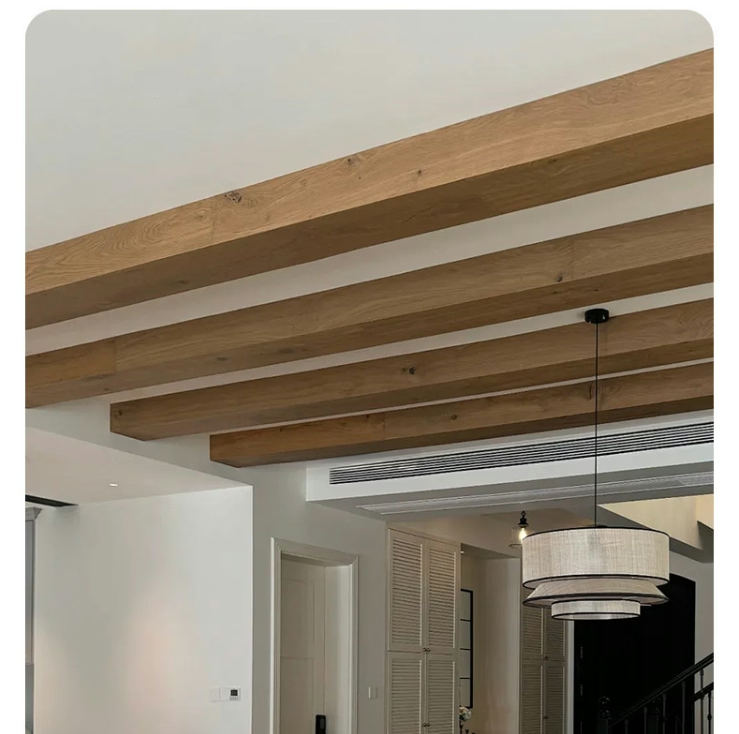
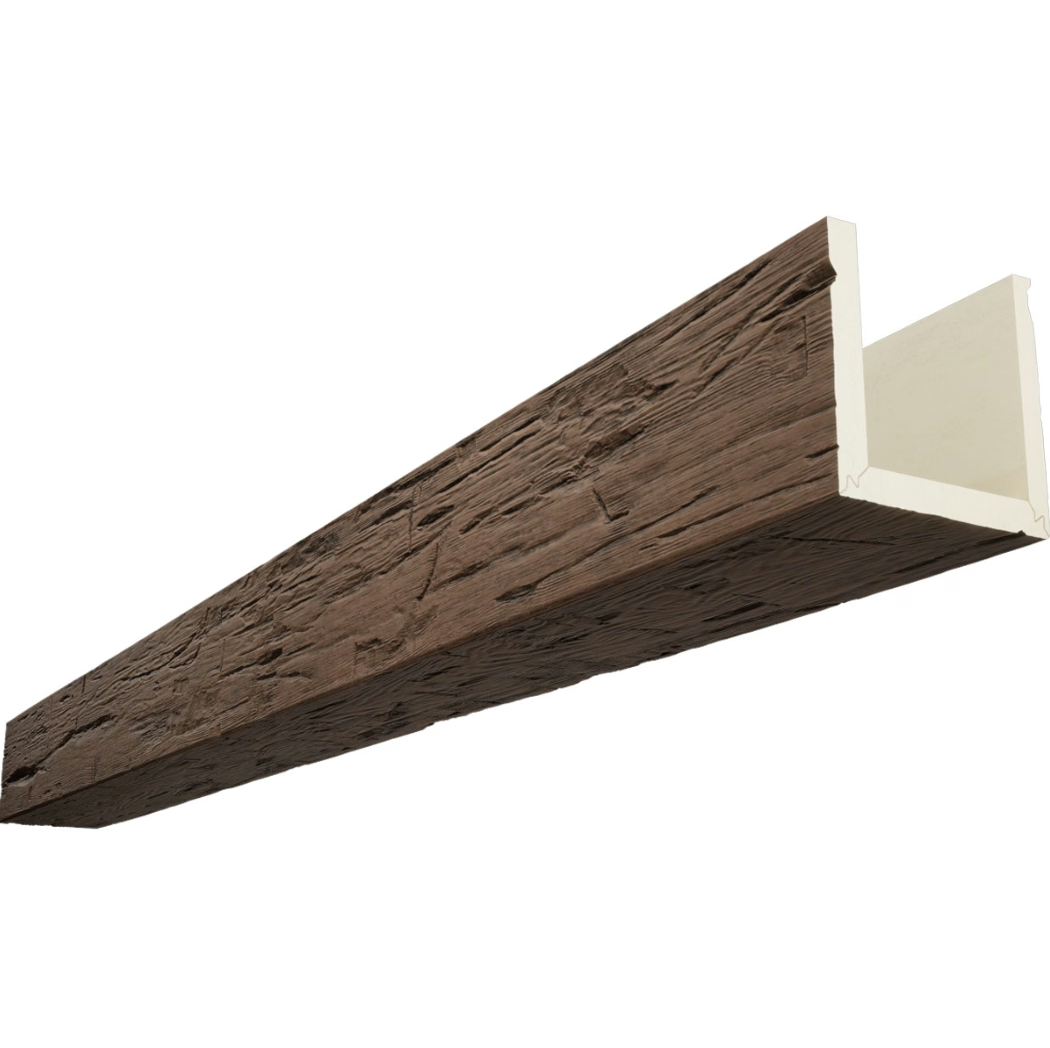
Outdoor dining and entertainment spaces occupy a growing segment of restaurant, hospitality, and residential design. Covered outdoor areas—verandas, patios, lanais, and outdoor dining rooms—extend usable space while connecting guests to natural environments. These spaces benefit from architectural treatment that makes them feel designed rather than leftover. Polyurethane faux wood beams add warmth, character, and visual coherence to covered outdoor spaces while withstanding the environmental challenges these locations present.
The Opportunity in Outdoor Spaces
Covered outdoor spaces present unique design opportunities:
Environmental connection: Outdoor spaces offer connection to nature—sky view, breeze, natural light—that enclosed spaces cannot match. Architectural treatment should enhance rather than block this connection.
Extended usability: Covered outdoor spaces can be used in weather that would drive guests indoors. This extends the usable season and increases the return on the space investment.
Differentiated experience: Guests seek outdoor dining and gathering for experiences that enclosed spaces cannot provide. The architecture should support this differentiation.
Photography and social sharing: Outdoor spaces photograph distinctively. Architectural elements that create visual interest contribute to organic marketing through social sharing.
Beams contribute to all of these goals while withstanding outdoor conditions.
Exterior Considerations
Outdoor beam installations face environmental challenges that interior installations do not:
UV exposure: Direct sunlight degrades many materials over time. Beams must be finished with UV-resistant coatings or replaced periodically.
Moisture: Rain, humidity, and condensation affect materials differently. Polyurethane resists moisture absorption but the finish system must be appropriate for exterior use.
Temperature extremes: Day-night temperature cycling causes expansion and contraction. Materials must accommodate movement without cracking or separating.
Wind exposure: Covered outdoor spaces may be exposed to wind. Beams must be securely attached against uplift forces.
Insects: Outdoor environments have higher insect populations. Polyurethane resists insect damage better than real timber.
Exterior-rated faux beams address these challenges through material selection and finish systems designed for outdoor use.
Beam Profiles for Outdoor Application
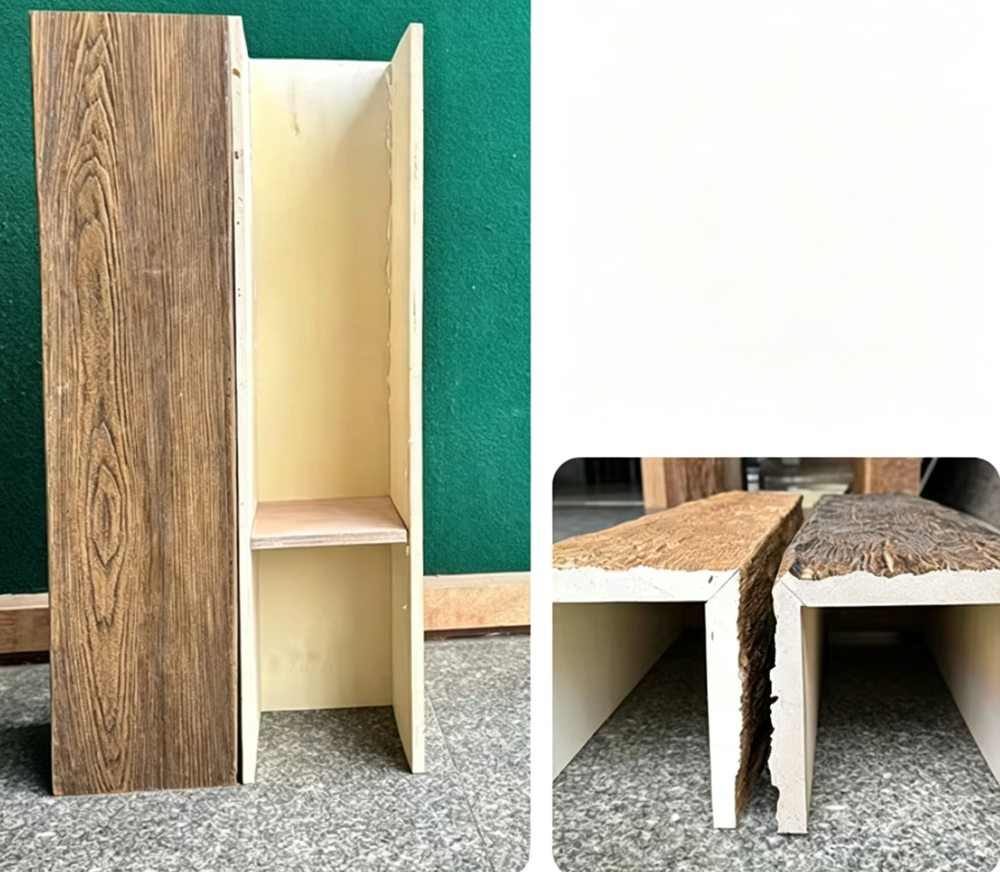
Outdoor beam installations benefit from profiles that shed water and minimize debris accumulation:
Box beams: Simple rectangular profiles with clean lines that shed water effectively. Contemporary and practical.
Sloped soffit beams: Beams with angled bottom faces that encourage water runoff and reduce debris accumulation.
Minimal texture: Deeply textured surfaces trap debris and moisture. Lighter texture is more practical for outdoor use.
Adequate overhang: Beams extending beyond support points shed water away from the structure below.
Profile selection should consider the climate and exposure conditions of the specific installation.
Covered Patio Applications
Restaurant Patios
Restaurant patios benefit from beam ceilings that create atmosphere and differentiate the dining experience:
- Beams establish visual separation from adjacent spaces
- Warm wood tones balance the natural surroundings
- Integrated lighting extends usability into evening hours
- The ceiling treatment photographs well for marketing
Restaurant patio beams should be durable enough for high-traffic commercial use and easy to clean.
Hotel Terraces
Hotel terraces and poolside bars use beam ceilings to create refined outdoor environments:
- Beams add luxury perception to outdoor spaces
- Coordination with pool, landscape, and interior design creates a unified experience
- Weather resistance ensures long-term appearance with minimal maintenance
Hotel terrace beams should coordinate with the brand's design standards and material specifications.
Residential Verandas
Homeowners use beam ceilings on covered porches, verandas, and lanais:
- Beams add architectural character to spaces that might otherwise feel utilitarian
- Warm wood tones complement outdoor furnishings and landscaping
- Integration with ceiling fans and lighting extends usability
Residential veranda beams should balance aesthetics with practical considerations for the home's exposure conditions.
Installation on Existing Structures
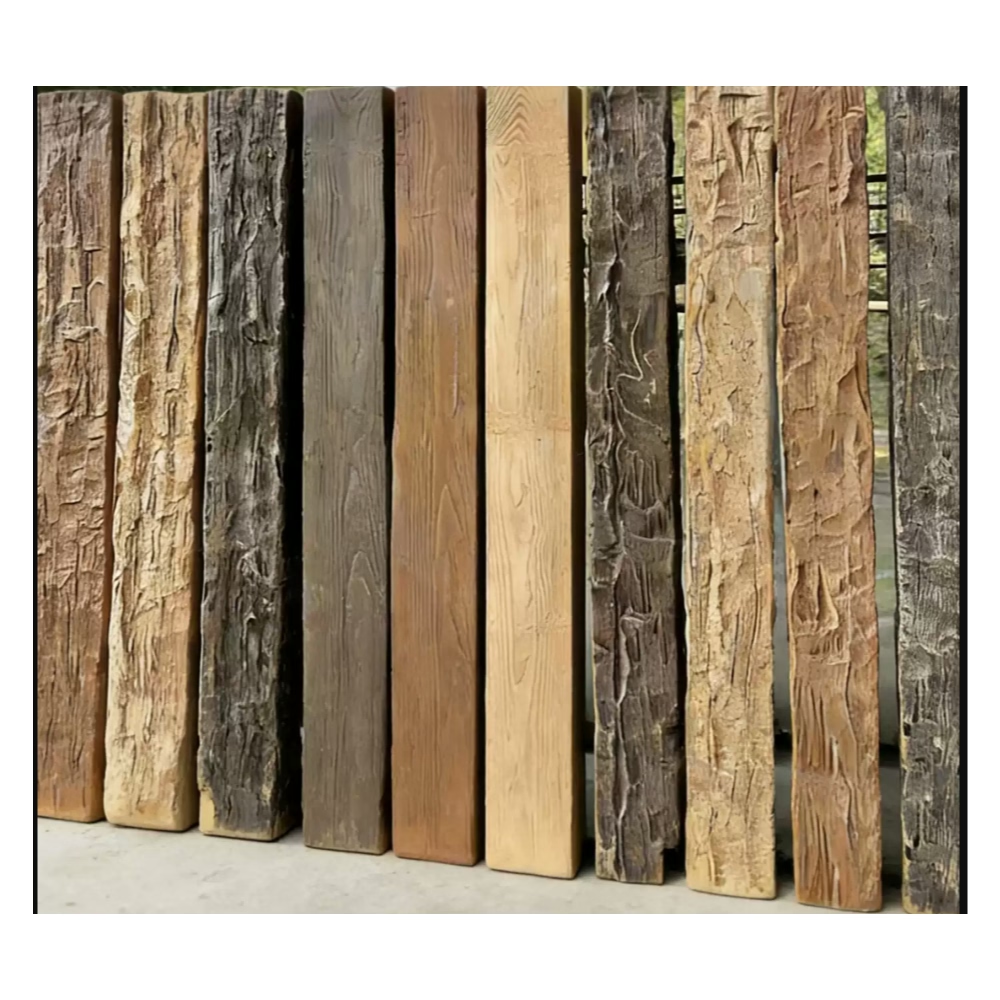
Outdoor beam installation typically occurs on existing overhead structures:
Existing roof structures: Beams can be installed parallel to or perpendicular to existing rafters, depending on the desired visual effect.
Pergola structures: beams installed on pergola frameworks add visual weight and shading to open-lattice structures.
Carport conversions: Covered carports converted to outdoor living spaces benefit from beam ceilings that make the space feel finished.
Ramada and pavilion structures: Beams on ramadas and pavilions complete the roof structure and add visual interest.
Installation must account for the attachment requirements of the existing structure.
Weather Resistance Features
Exterior-rated faux beams include features that improve outdoor performance:
UV-resistant finishes: Factory-applied finishes include UV inhibitors that resist chalking, fading, and degradation.
Moisture barriers: Some systems include backing materials or sealants that prevent moisture intrusion.
Proper drainage: Beam installation should include provisions for water drainage away from the beam ends and connections.
Ventilation: Beams should not trap moisture against adjacent materials. Adequate ventilation prevents moisture accumulation.
These features vary by manufacturer. Verify that the specified product is rated for the specific exposure conditions.
Maintenance Considerations
Outdoor beams require periodic maintenance to maintain appearance:
Cleaning: Remove debris, cobwebs, and accumulated dirt with periodic washing. Frequency depends on the environment.
Inspection: Check attachment annually to verify secure connection. Address any movement or loosening promptly.
Finish touch-up: Scuffs and minor finish damage should be touched up with compatible finishes before they worsen.
Component replacement: Individual beam sections can be replaced if damaged without replacing the entire installation.
Establishing a maintenance schedule extends the service life of outdoor beam installations.
Integration with Outdoor Design
Outdoor beams should be integrated with the overall outdoor design:
Material coordination: Beam material should coordinate with other outdoor materials—furniture, decking, planters.
Landscape integration: Beam color and texture should complement planting rather than competing with it.
Lighting integration: Outdoor lighting—string lights, sconces, landscape lighting—should coordinate with beam positioning.
Furniture arrangement: Beam layout should accommodate furniture positioning without awkward sightlines or headroom issues.
Climate-Specific Considerations
Different climates present different challenges:
Hot, dry climates: UV resistance is critical. Temperature extremes may require expansion accommodation.
Hot, humid climates: Moisture resistance is critical. Mold and mildew resistance is important.
Cold climates: Freeze-thaw cycling affects materials differently. Ice and snow load must be considered for roof structures.
Coastal climates: Salt air accelerates corrosion and degradation. Extra durability may be required.
Specify beams appropriate for the specific climate rather than generic exterior-rated products.
The Outdoor Investment
Outdoor beam installations represent an investment in usable space. A covered patio with beams is more valuable than the same space without them—more usable, more comfortable, and more attractive.
For restaurant operators, the investment returns through extended seating capacity, premium pricing for outdoor dining, and distinctive atmosphere that supports marketing.
For hospitality properties, the investment returns through enhanced guest experience, extended seasonal use, and differentiation from competing properties.
For homeowners, the investment returns through increased living space, enhanced property value, and daily enjoyment of a designed outdoor environment.
Restaurant-Specific Design Considerations
Restaurant outdoor spaces have specific requirements that influence beam specification:
Menu and cuisine alignment: The beam treatment should align with the restaurant's cuisine and brand. A farm-to-table restaurant benefits from rustic warmth. A contemporary seafood restaurant may prefer clean modern lines.
Service flow: Beam installations should not interfere with server traffic, dish clearance, or service station placement. Beam heights and spacing must accommodate service requirements.
Sound management: Outdoor restaurants face acoustic challenges. Beams can contribute to acoustic management when combined with appropriate absorption materials.
HVAC integration: Heated outdoor spaces extend the season. Beam installations should coordinate with radiant heating, outdoor heaters, or other climate control systems.
Addressing these restaurant-specific requirements during design ensures that the beam installation supports rather than hinders operations.
Hospitality Property Standards
Hospitality properties have brand standards that influence design decisions:
Consistent styling: Chain properties typically have standardized design approaches. Beam installations should meet brand standards while adapting to local conditions.
Durability requirements: Hospitality spaces see heavy use. Beam specifications should account for the wear and cleaning that commercial environments require.
Guest safety: Beam installations must meet safety standards. Attachment must be secure, and materials must meet fire code requirements.
Maintenance accessibility: Hospitality properties cannot close for extended maintenance periods. Beam systems should be designed for quick repair and minimal disruption.
These standards ensure that beam installations perform reliably in demanding commercial environments.
Permitting and Code Compliance
Outdoor beam installations may require permits and must meet building codes:
Structural permits: Depending on the scope, beam installation may require structural permits. Coordinate with local building departments.
Fire codes: Many jurisdictions have fire code requirements for outdoor structures. Verify that beam materials meet applicable requirements.
Zoning regulations: Some jurisdictions regulate outdoor structures. Verify that the installation complies with zoning requirements.
HOA restrictions: Residential properties in HOA communities may have design restrictions. Review association guidelines before installation.
Addressing permitting and code requirements early prevents delays and costly redesigns.
Making Outdoor Spaces Work
Outdoor spaces deserve the same design attention as interior spaces. The ceiling is a significant opportunity that is often overlooked.
Polyurethane faux wood beams make this opportunity accessible. Exterior-rated products withstand outdoor conditions while providing the warmth and character that outdoor spaces need.
For architects, designers, and property owners, outdoor beams are a practical way to elevate covered spaces from utility to experience.
The best outdoor spaces feel like extensions of the interior—comfortable, attractive, and designed. Beam ceilings help achieve this by adding the warmth and character that transforms an outdoor area into a destination.
Technical References
ASTM standards cited in every specification
Test Data
Lab results from internal testing program
Updated 2026
Reviewed against current product specs