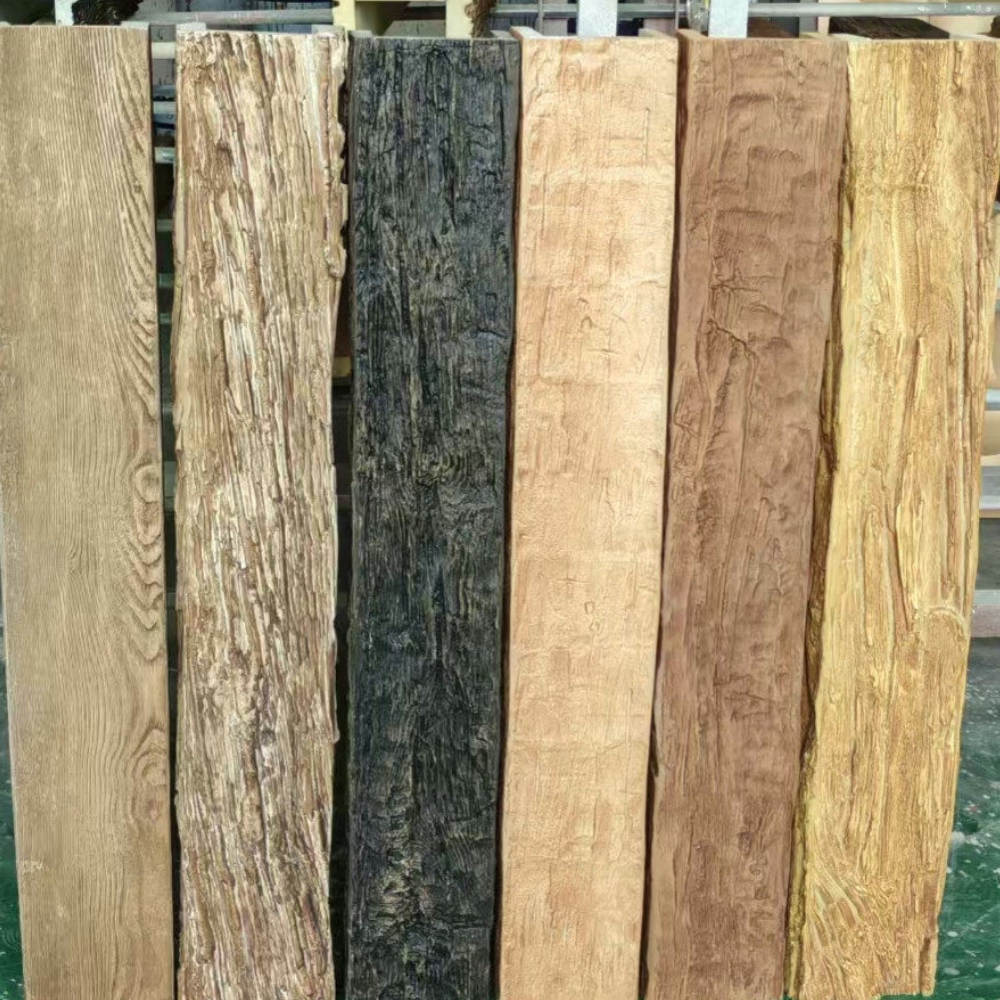
Header lintels sit above one of the most prominent elements in any interior: the openings that connect spaces. Doorways and windows define how people move through and experience a building. The header above these openings is a natural focal point that the eye follows. Polyurethane faux wood header lintel beams turn this structural necessity into an architectural opportunity.
The Header Lintel in Architecture
Headers have been architecturally significant since post-and-lintel construction began. The horizontal element above an opening carries the load that would otherwise stress the frame or wall above the opening. In traditional architecture, this structural element received decorative treatment:
- Stone lintels in classical buildings often featured carved details
- Timber headers were framed with chamfered edges or decorative ends
- Baroque and Renaissance architects treated headers with sculptural elements
Modern construction often ignores this opportunity, boxing headers in drywall and leaving them plain. Faux wood header lintels restore the architectural significance of this element.
What Header Lintel Beams Do
A faux wood header lintel beam serves multiple functions:
Architectural Weight
A substantial header above a door or window establishes visual importance. It says that this opening matters, that it was designed rather than simply cut.
Header Concealment
Most openings have structural headers that protrude below the ceiling plane. A faux header lintel covers this protrusion, creating a clean visual line.
Transition Definition
The header defines the top of the opening. A designed header creates a clear transition between wall and opening that plain frames cannot achieve.
Style Expression
The header style communicates the overall design direction. A simple box header suggests contemporary design. An ornate header suggests traditional formality.
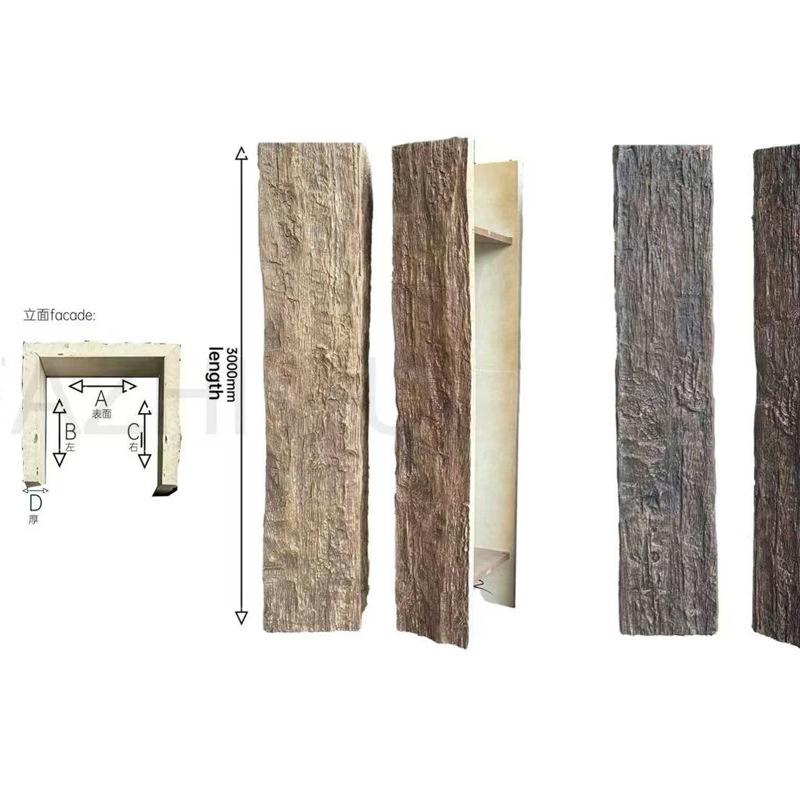
Sizing for Impact
Header lintel beams must be sized for visual impact:
Width
The header width should exceed the opening width by a meaningful margin:
| Opening Width | Header Overhang | Total Header Width |
|---|---|---|
| 36 inches | 4–6 inches each side | 44–48 inches |
| 48 inches | 6–8 inches each side | 60–64 inches |
| 60 inches | 6–8 inches each side | 72–76 inches |
| 72 inches | 8–10 inches each side | 88–92 inches |
The overhang creates visual weight and frames the opening appropriately.
Depth
Header depth affects both visual weight and proportional appearance:
- Depths of 6–10 inches work for most residential applications
- Commercial applications may require deeper headers for larger openings
- The depth should relate to the overall trim vocabulary of the space
Proportion
The header proportions should feel right in context:
- Deep, narrow headers look heavy and substantial
- Shallow, wide headers look light and contemporary
- The proportions should relate to window and door proportions
Profile Options
Header lintel profiles range from simple to elaborate:
Box Header
A rectangular profile with flat faces. The simplest option, appropriate for contemporary interiors. Easy to install and coordinate with other trim.
Stepped Header
A profile with one or more horizontal ledges. More traditional than a box header. Works well with stepped casings and traditional trim packages.
Chamfered Header
A rectangular profile with chamfered or beveled lower edges. Softens the transition from header to opening. Adds subtle detail.
Scrolled Header
A profile with curved or scrolled ends. Classical in character. Works in formal traditional interiors.
Scalloped Header
A profile with scalloped or curved bottom edge. Decorative without being formal. Works in transitional and cottage-style interiors.
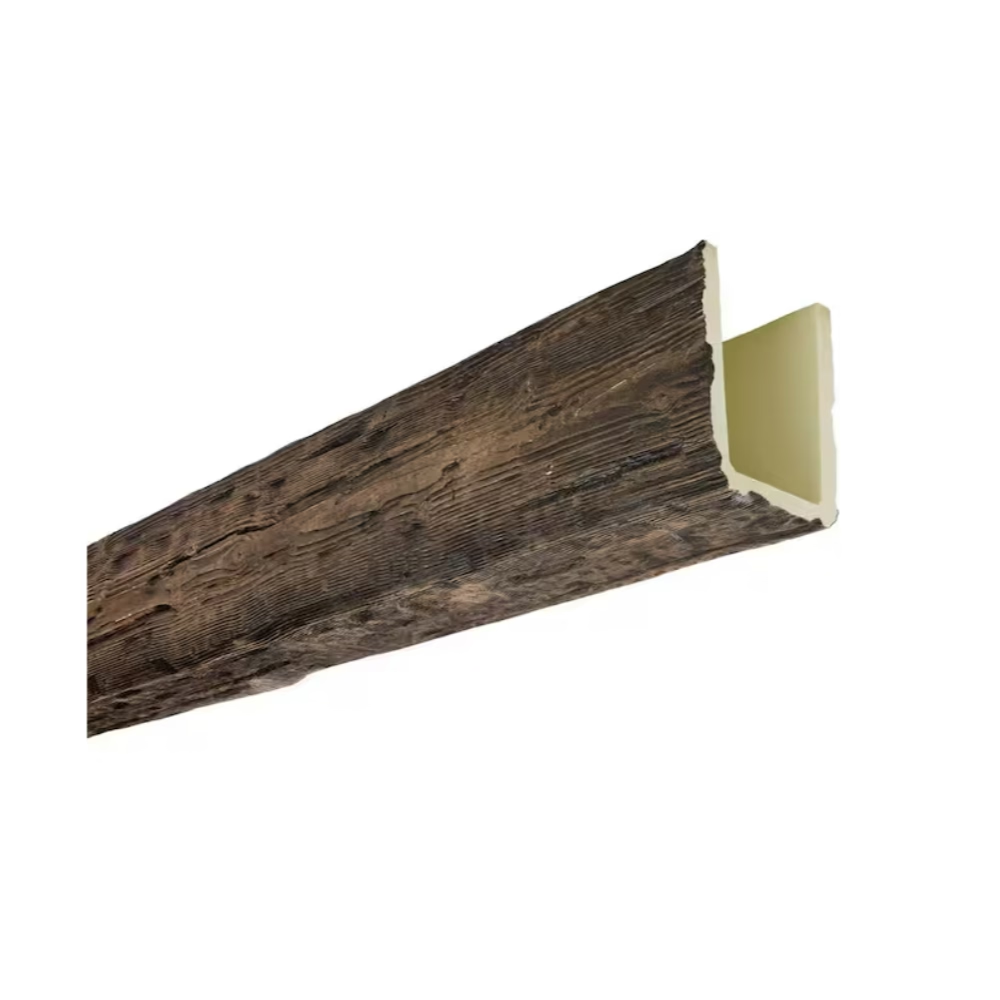
Installation Approaches
Header lintel installation follows one of several approaches:
Surface Mount
The lintel is installed on the surface of the wall above the opening. This is the most common approach and works with most wall conditions.
The lintel is:
- Positioned above the opening with appropriate overhang
- Adhered with construction adhesive
- Secured with finishing nails or trim screws
- Joints are filled and finished
- Touch-up finish is applied
Rabbeted Mount
The lintel is rabbeted—notched—to fit over existing trim or casings. This creates a flush transition between lintel and trim.
Full Wrap
For substantial headers, a wrap system encloses the existing structural header completely. The wrap provides the finished surface while covering all existing conditions.
Coordination with Trim Packages
Header lintels should be coordinated with the overall trim vocabulary:
Matching Casing Profile
If the room has traditional door and window casings, the header should relate to those profiles:
- Match the casing depth for visual consistency
- Coordinate the profile detail level
- Align the finish across all trim elements
Crown Moulding Integration
If the room has crown moulding, the header can integrate with it:
- The header can serve as a transition between wall and ceiling
- Crown can be applied to the header faces
- The header becomes part of a unified trim system
Base and Wainscot Coordination
In rooms with substantial base trim or wainscoting, the header should balance these elements:
- Match trim scale and detail level
- Coordinate finish across all millwork
- Create visual hierarchy that includes the header
Applications by Opening Type
Main Entry Doorways
The main entry deserves substantial header treatment:
- Wide overhang beyond the door frame
- Rich wood finish that coordinates with the door
- Possibly paired with flanking elements or pilasters
- Integration with transom windows if present
French Doors
French doors benefit from headers that frame the opening:
- Wide headers that coordinate with the door height
- Finishes that complement the door material
- Possibly integrated with side panels or sidelights
Picture Windows
Large picture windows often lack adequate header presence:
- Substantial headers that establish visual weight
- Finishes that complement the window frames
- Coordination with any window trim
Patio Doors
Sliding patio doors and outswing doors have substantial framing:
- Headers that balance the door's width
- Finishes that coordinate with the door material
- Possibly integrated with flanking planters or built-ins
Finishing Considerations
Header lintel finishes should be selected based on context:
Matching Existing Woodwork
If the room has wood doors, floors, or furniture, the header finish should match or complement these elements.
Painted to Match Walls
For contemporary interiors, headers painted to match the wall color create sculptural presence without color contrast.
Contrasting for Emphasis
A header in a contrasting finish—dark wood against light walls, or vice versa—makes the header a focal point.
Coordinating with Hardware
The header finish should coordinate with door hardware, light fixtures, and other metal elements in the space.
Commercial Applications
Commercial header lintel installations have specific requirements:
Brand Expression
Headers can express brand identity through color, material, and finish:
- Custom finishes for brand colors
- Coordinated signage integration
- Material quality that signals brand positioning
Durability
Commercial headers must withstand higher traffic and cleaning:
- Factory-finished surfaces resist scuffing
- Durable finishes tolerate frequent cleaning
- Impact-resistant materials for vulnerable locations
ADA and Code Compliance
Commercial headers must meet accessibility and building code requirements:
- Minimum clearance heights in accessible routes
- Projection limits in path of travel
- Fire rating requirements for certain occupancies
The Header as Opportunity
The header lintel is one of the most consistent opportunities in interior design. Every opening has one. Few openings use the opportunity well.
Polyurethane faux wood header lintels make it possible to realize this opportunity efficiently. The installation is straightforward, the variety is substantial, and the impact is significant.
For architects, designers, and homeowners, treating the header as an opportunity rather than an afterthought elevates the entire interior. The openings that define how people move through a building become designed elements that contribute to the overall character.
The investment in header lintels pays returns every time someone walks through a door or looks out a window.
Technical References
ASTM standards cited in every specification
Test Data
Lab results from internal testing program
Updated 2026
Reviewed against current product specs