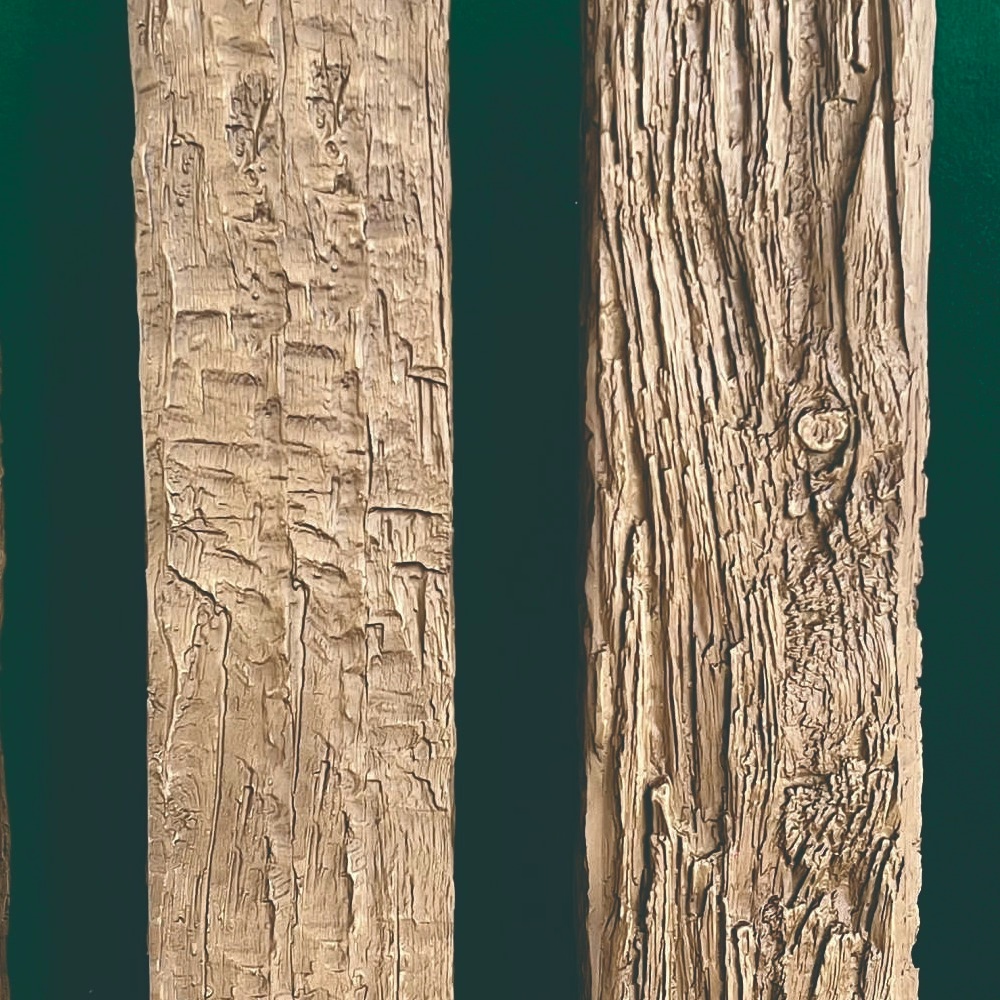
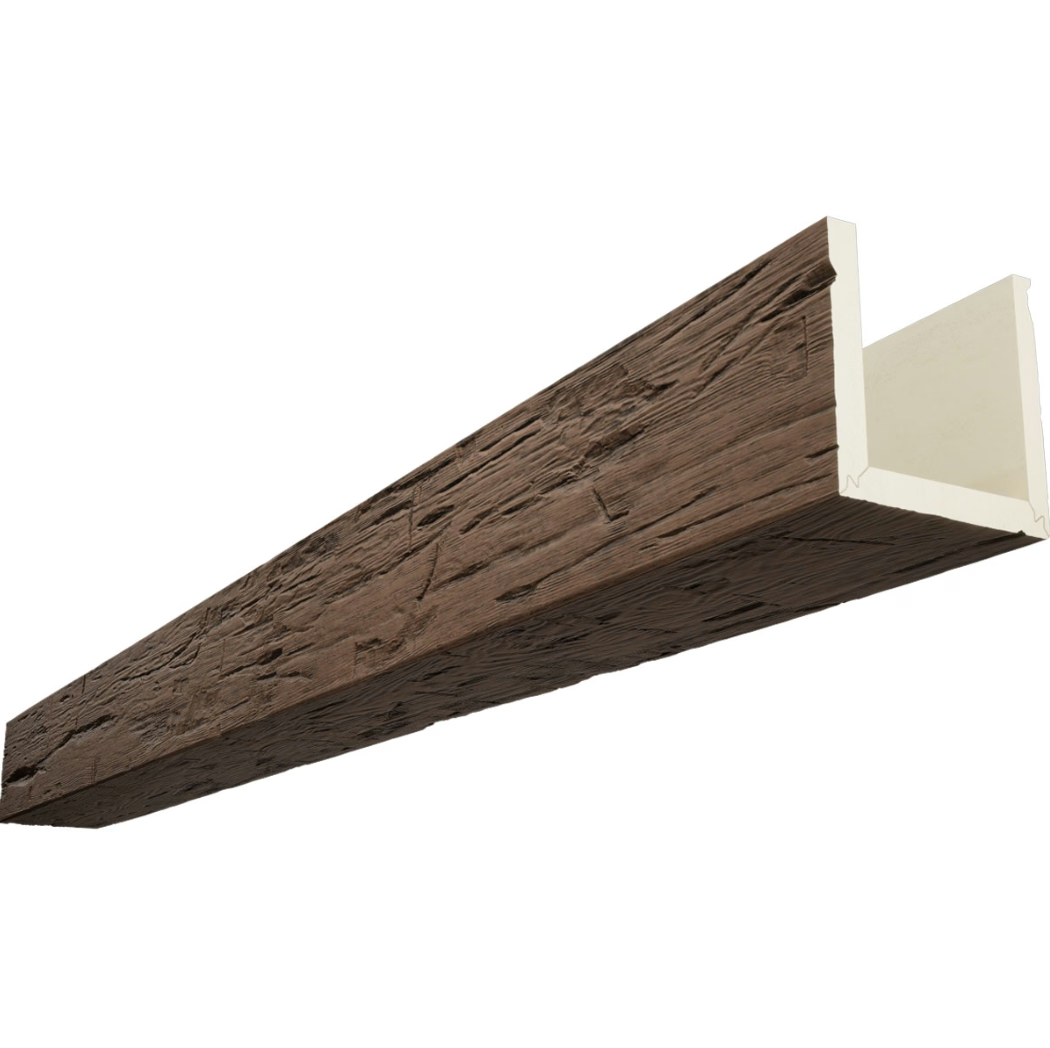
When designing boutique hotel spaces, the goal is always to create memorable experiences that balance sophistication with warmth. PU faux wood beams have emerged as a transformative element in these projects, offering designers and developers the authentic beauty of timber without the practical burdens that come with using real wood in commercial hospitality settings.
Boutique hotels occupy a unique position in the hospitality market. Unlike large chain properties with standardized designs, these intimate spaces reflect distinct personalities, often drawing inspiration from local culture, historical contexts, or avant-garde aesthetics. The ceiling architecture plays a crucial role in establishing this identity, and beams serve as focal points that anchor the entire visual narrative of a space.
Guest Room Ceiling Applications
The guest room represents the most intimate space within any hotel property. Guests spend the majority of their time here, and every design element contributes to their overall perception of quality and comfort. In boutique properties, standard ceiling treatments often feel generic, failing to differentiate the space from budget accommodations.
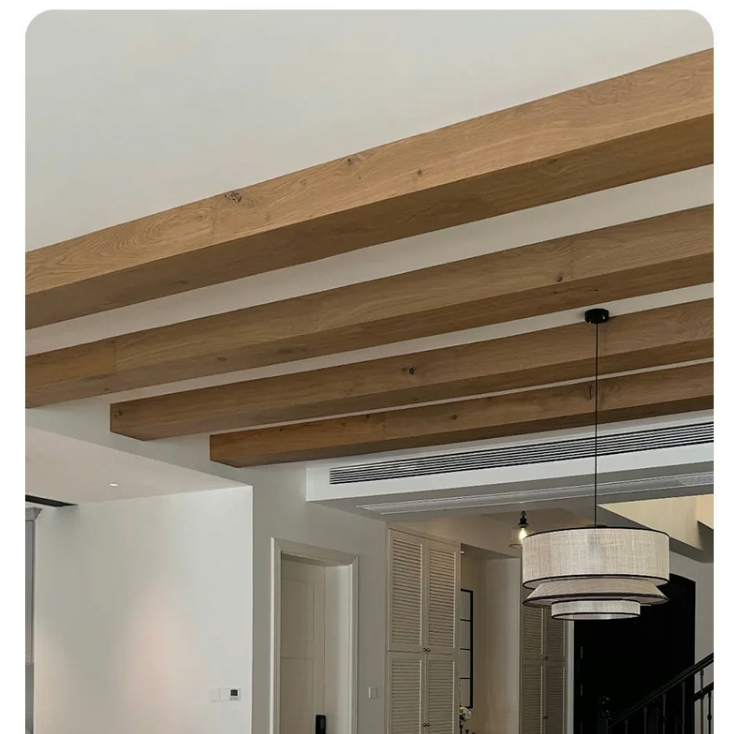
PU faux wood beams introduce architectural interest that elevates the guest experience without overwhelming the room's proportions. These beams work particularly well in rooms with higher ceilings, where exposed structural elements can feel imposing if left untreated. By installing faux beams that complement the room's color palette and furniture choices, designers create visual warmth that makes the space feel curated rather than utilitarian.
The lightweight nature of PU material proves especially advantageous in guest room installations. Traditional timber beams require substantial structural support, often necessitating engineering assessments and reinforced ceiling systems. Faux beams attach directly to existing ceiling surfaces using concealed mounting systems, dramatically reducing installation time and structural requirements. This approach proves invaluable in renovation projects where original building plans may not accommodate the weight of genuine timber.
Guests consistently report higher satisfaction ratings in rooms featuring architectural ceiling details. The addition of beams creates a sense of craftsmanship and attention to detail that extends beyond surface-level aesthetics. When properly integrated with complementary lighting solutions, these beams transform standard hotel rooms into distinctive accommodations that guests remember and share with others.

Lobby Design and First Impressions
The lobby establishes the tone for the entire guest experience. As the first interior space visitors encounter, it must communicate the hotel's identity while providing functional areas for check-in, waiting, and social gathering. Ceiling design in lobbies requires particular attention because guests often look upward upon entering, immediately registering the scale and character of the space.
Boutique hotel lobbies frequently feature distinctive architectural elements from the original building structure. Exposed ductwork, concrete ceilings, or dated ceiling tiles can undermine even the most carefully selected furniture and finishes. PU faux wood beams offer an elegant solution for concealing these elements while adding the warmth and character guests expect from boutique accommodations.
The versatility of PU beams allows designers to create various ceiling configurations. Some projects feature continuous beam patterns that span the entire lobby width, while others use strategic beam placement to define functional zones without constructing permanent walls. This flexibility proves invaluable in spaces that must serve multiple purposes throughout the day.
Lighting integration represents another significant advantage for lobby applications. Faux wood beams accommodate recessed lighting, track systems, and pendant fixtures without compromising their appearance. Designers can route electrical infrastructure through the beam cavities, maintaining clean ceiling lines while providing the illumination levels required for various lobby activities.
The durability of PU material ensures that lobby beams maintain their appearance despite heavy foot traffic and environmental factors. Unlike natural wood, which may warp, crack, or fade over time, polyurethane resists moisture absorption, insect damage, and UV degradation. This resilience translates to reduced maintenance costs and consistent visual appeal throughout the beam's service life.
Bar Area Enhancement
Hotel bars and lounges serve as social hubs where guests gather to relax, conduct business, or enjoy local entertainment. These spaces benefit from design approaches that encourage lingering while maintaining the sophisticated atmosphere appropriate for evening venues. Ceiling treatments play a pivotal role in establishing this ambiance.
High ceilings in bar areas often create acoustic challenges that make conversation difficult. Strategic beam placement can address this issue by introducing irregular ceiling surfaces that break up sound reflections. The three-dimensional profile of faux wood beams scatters sound waves more effectively than flat ceiling treatments, improving the acoustic comfort of the space without requiring specialized treatment panels.
The visual weight of ceiling beams helps ground lofty bar spaces, creating a sense of intimacy that encourages guests to settle in rather than move on. This psychological effect proves commercially valuable for hotel bars seeking to maximize revenue per square foot. Guests who linger longer typically order more beverages and food, contributing to higher average checks.
Boutique hotel bars often incorporate thematic design elements that tell stories about local culture, craft traditions, or historical periods. PU faux wood beams complement these narratives by providing authentic timber aesthetics that ground contemporary design concepts. Whether the bar evokes a rustic mountain lodge, a mid-century modern aesthetic, or a coastal retreat, beams provide the architectural framework that unifies disparate design elements.
Commercial Considerations for Hospitality Projects
Hotel ownership groups evaluate design decisions through both aesthetic and financial lenses. PU faux wood beams score favorably on both counts, offering premium visual results at price points significantly below genuine timber alternatives. The cost differential proves particularly meaningful in large projects where dozens or hundreds of rooms require consistent ceiling treatment.
Installation efficiency translates directly to labor cost savings. Faux beams arrive pre-finished and ready for mounting, eliminating the sanding, staining, sealing, and finishing steps required for raw timber. The reduction in on-site work reduces construction timelines, allowing hotels to open sooner and begin generating revenue earlier than projects using traditional materials.
Maintenance requirements for PU beams are minimal compared to natural wood. Hospitality environments subject ceiling elements to humidity fluctuations, temperature variations, and occasional contact from cleaning staff or guests. PU material withstands these conditions without requiring specialized care products or periodic refinishing. Property managers appreciate this simplicity, as it reduces ongoing operational costs.
The material's consistency also simplifies replacement and repair processes. Should damage occur, replacement beams match original installations precisely, avoiding the variation inherent in natural wood products. This predictability simplifies inventory management for properties that maintain spare materials for emergency repairs.
Design Flexibility and Customization Options
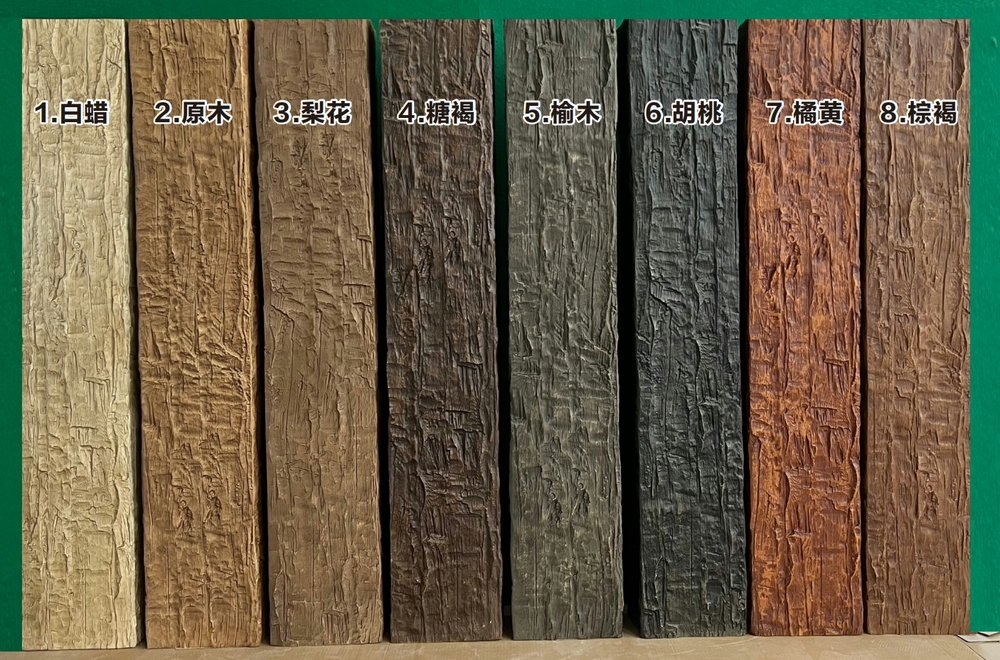
PU faux wood beams accommodate various customization approaches to meet specific project requirements. Standard profiles include common timber species such as oak, pine, walnut, and rustic reclaimed wood aesthetics. Projects requiring unique appearances can commission custom molds that replicate specific wood species, unusual grain patterns, or historically significant beam designs.
Color matching ensures faux beams integrate seamlessly with surrounding finishes. While many projects select natural wood tones, beams can be stained, painted, or faux finished to achieve precise color coordination. This capability proves valuable in renovation projects where new beams must complement existing wood elements that cannot be replaced.
Dimensional flexibility allows beams to suit various ceiling configurations and design intents. Standard lengths accommodate most residential and commercial ceiling spans, while longer runs can be achieved through concealed splice joints that maintain continuous visual appearance. Thickness and width options enable designers to select proportions appropriate for specific ceiling heights and room scales.
The mounting systems used for PU beams remain completely concealed after installation, ensuring that the finished appearance closely mimics genuine timber construction. Observers cannot distinguish the mounting method from below, preserving the authentic aesthetic that makes these beams desirable in the first place.
Technical References
ASTM standards cited in every specification
Test Data
Lab results from internal testing program
Updated 2026
Reviewed against current product specs