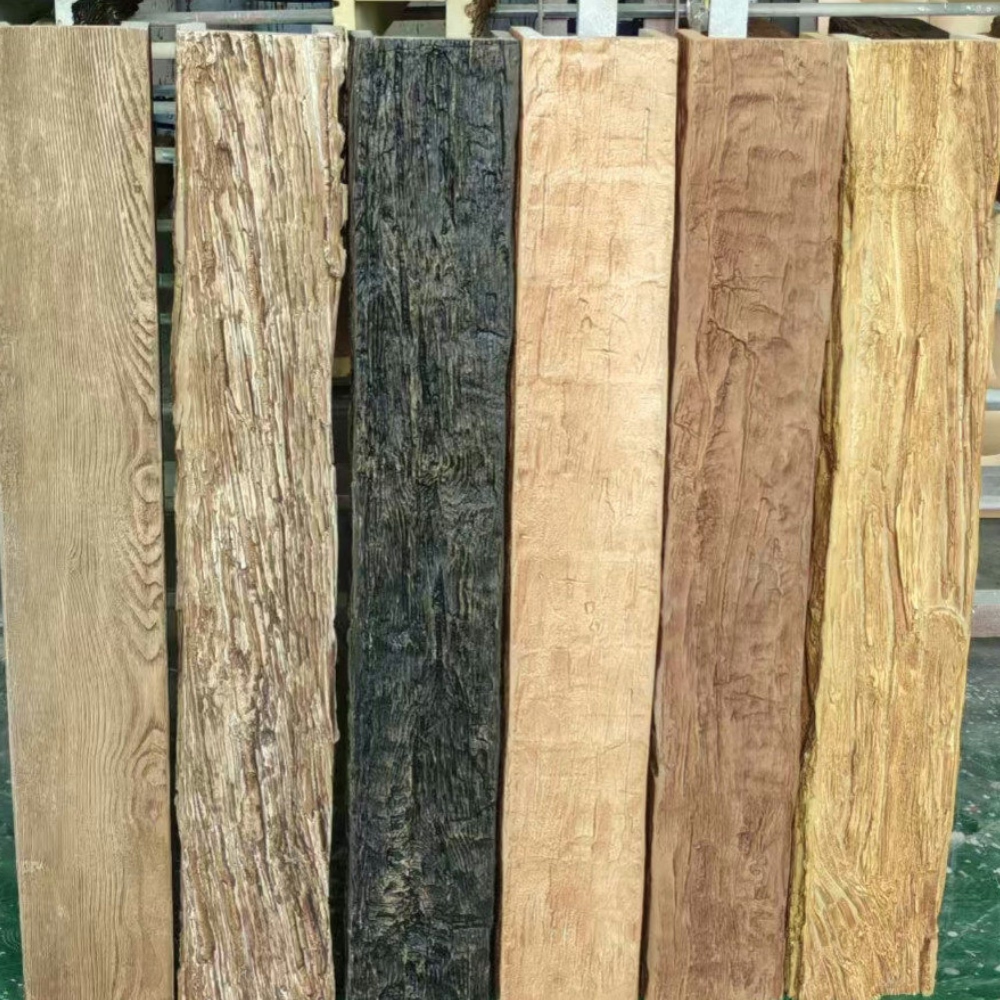
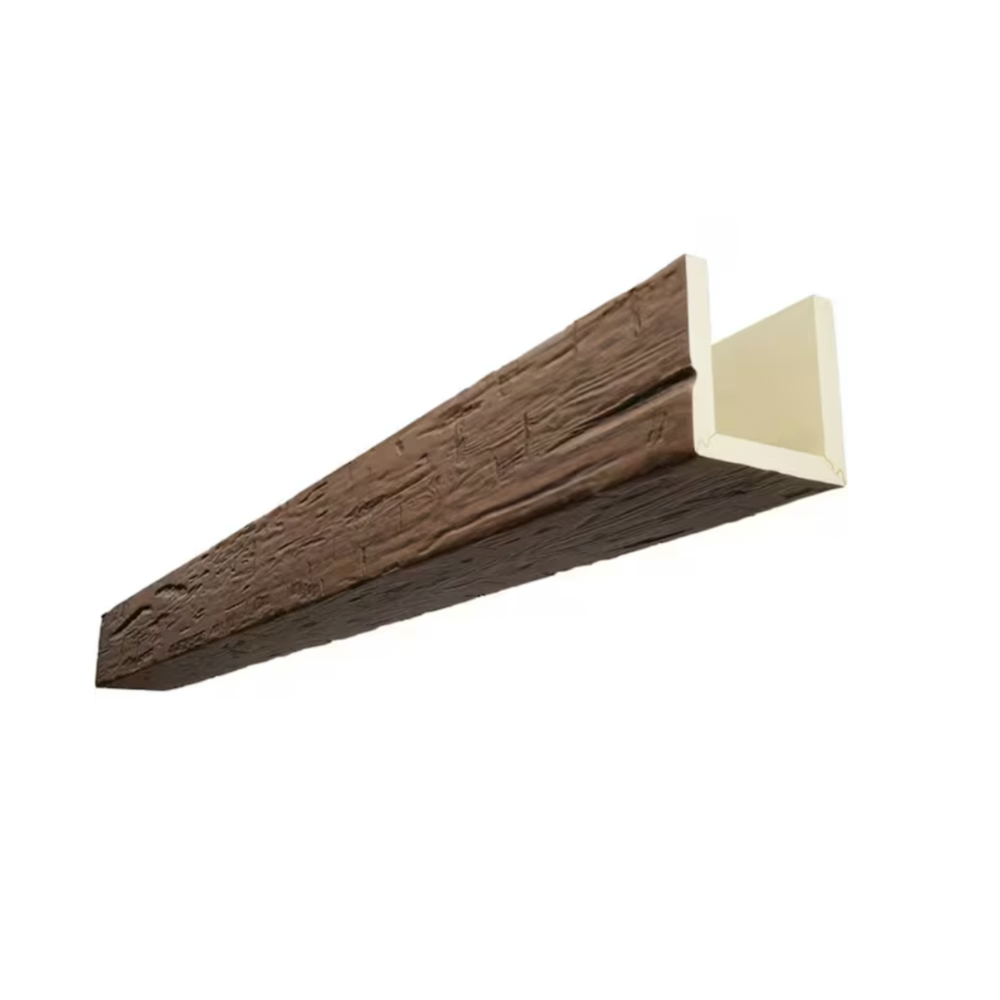
Interior design trends evolve continuously, but the appeal of natural wood textures remains constant across styles and eras. PU faux wood beams offer designers and homeowners a versatile solution for introducing timber warmth to both ceiling and wall applications. The material's workability and realistic appearance enable creative installations that would prove impractical or impossible with genuine timber.
Understanding the distinct requirements for ceiling versus wall applications helps ensure successful outcomes. Each installation context presents unique challenges related to viewing angle, lighting conditions, structural requirements, and interaction patterns. By considering these factors during the design phase, projects can achieve results that exceed expectations.
Ceiling Beam Installations
Ceiling applications represent the most traditional use for wood beams in interior design. When installed overhead, beams create visual depth that transforms flat ceiling planes into architectural features. This vertical dimension adds interest to spaces that might otherwise feel cavernous or unfinished, particularly in rooms with high ceilings or open floor plans.
The psychological effect of ceiling beams varies according to beam orientation and spacing. Beams running perpendicular to exposed structural joists create a sense of ordered craftsmanship, suggesting that the ceiling structure has been deliberately exposed rather than merely neglected. This approach suits farmhouse aesthetics, craftsman-style homes, and industrial conversions where the building's bones contribute to the overall design narrative.
Alternatively, beams installed perpendicular to the structural direction create visual crossing patterns that establish a grid-like ceiling architecture. This treatment works well in contemporary settings where geometric precision complements minimalist furnishings and clean architectural lines. The crossing pattern can be emphasized through beam end details, corbel installations, or contrasting paint treatments.
Lighting integration elevates ceiling beam installations from simple aesthetic improvements to comprehensive design solutions. Recessed fixtures positioned between beams provide ambient illumination without disrupting the beam architecture. Meanwhile, pendant lights suspended from beams add task lighting and decorative interest while reinforcing the timber aesthetic. The combination creates layered lighting that enhances the room's functionality and atmosphere.
Acoustic benefits often accompany the visual improvements provided by ceiling beams. The irregular surface created by beam installation breaks up sound reflections that cause echo in rooms with hard flooring and minimal soft furnishings. This acoustic treatment proves particularly valuable in open-plan spaces where multiple activities occur simultaneously.

Accent Wall Applications
Moving beams from ceiling to wall opens entirely new design possibilities that challenge conventional approaches to interior styling. Accent walls traditionally rely on paint, wallpaper, or tile treatments that cover existing wall surfaces. Faux wood beams introduce three-dimensional texture that transforms flat walls into focal points commanding attention.
Accent wall beam installations work particularly well behind primary furniture pieces. A bed headboard, sofa backdrop, or fireplace surround gains architectural presence when flanked by vertical or horizontal beam installations. The beams create visual boundaries that define the furniture grouping while adding warmth and character that plain walls cannot provide.
Horizontal beam placement on accent walls mimics the appearance of timber cladding or shiplap paneling while introducing greater depth and shadow play. The gaps between beams create visual rhythm that draws the eye across the wall surface. This treatment suits both traditional and contemporary settings, with beam profiles and spacing determining the overall aesthetic effect.
Vertical accent wall beams introduce drama through their upward visual pull. These installations work best in spaces with high ceilings where the vertical orientation can be fully appreciated. Entry halls, stairwell walls, and living room features benefit from this treatment, which makes rooms feel taller while adding substantial visual interest.
Combining ceiling and wall beam installations creates cohesive architectural statements that unify entire rooms. A beam that extends from the ceiling down a feature wall establishes continuity that connects horizontal and vertical planes. This integrated approach works well in open-plan spaces where multiple functional areas share visual space.
Material Selection and Aesthetic Matching
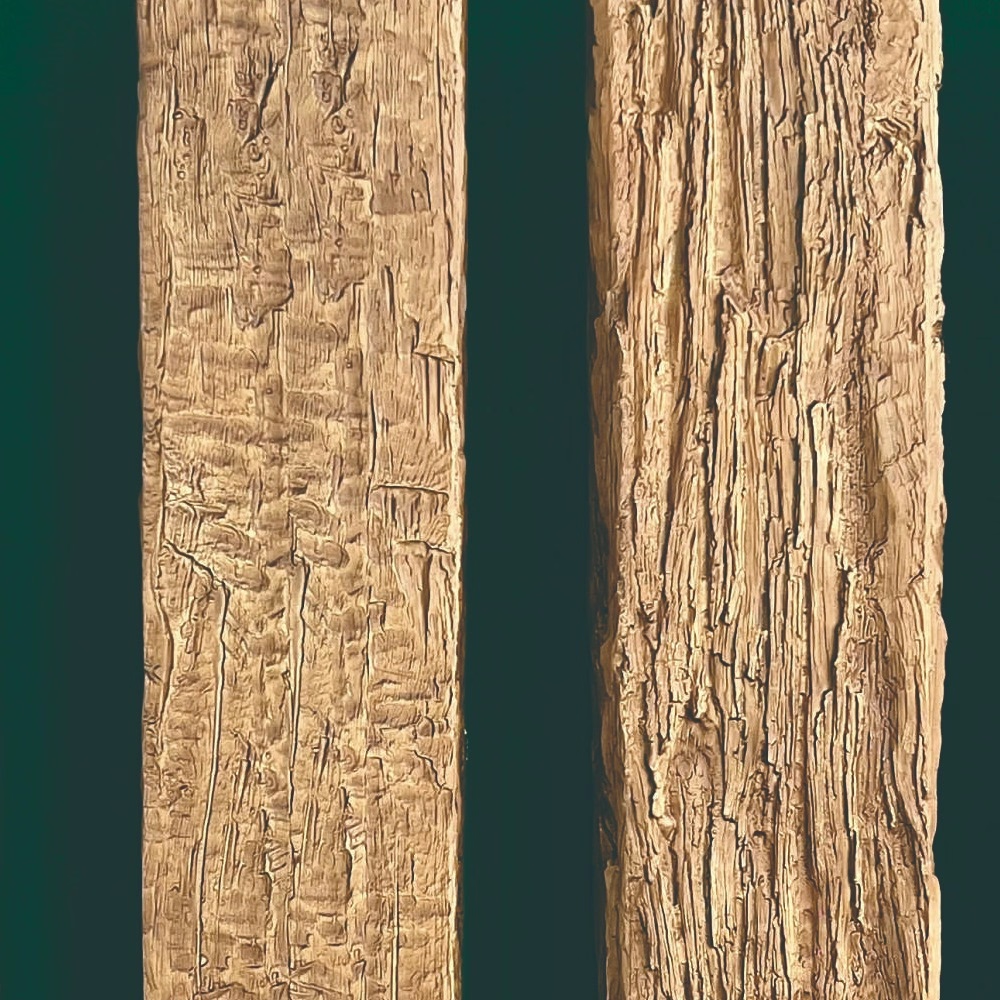
Selecting the appropriate beam profile for specific applications requires understanding how different shapes interact with lighting and surrounding finishes. Deep, heavily sculpted beams create dramatic shadow patterns that emphasize their three-dimensional form. Lighter, more subtle profiles provide texture without overwhelming adjacent elements.
Wood species selection influences the overall mood of beam installations. Light-toned species like maple or birch contribute to airy, relaxed atmospheres suitable for coastal or Scandinavian-inspired interiors. Darker species such as walnut or mahogany establish gravitas and sophistication appropriate for traditional or masculine design schemes. Rustic species with prominent grain patterns and color variation suit farmhouse, cabin, or lodge environments.
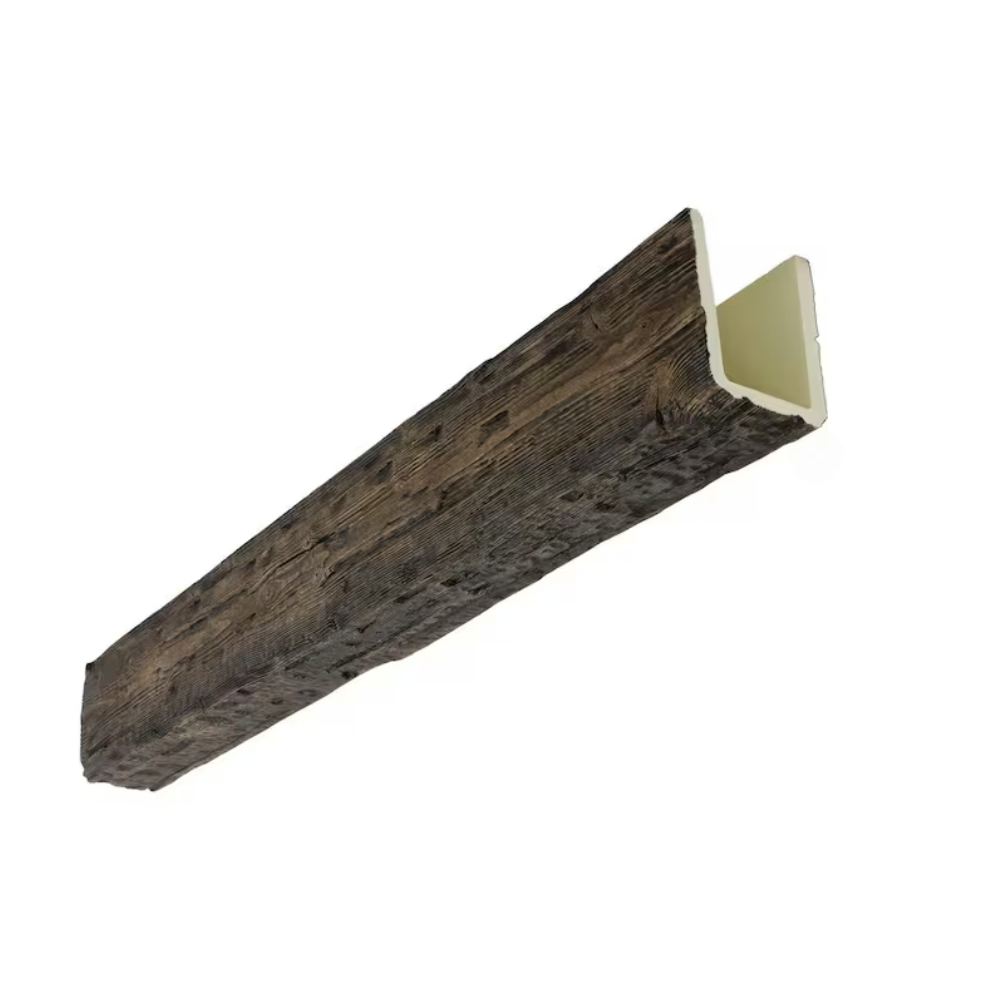
Finish treatment determines whether beams appear new or aged. Some projects seek pristine faux wood appearance that reads as original timber construction, while others desire the character of weathered beams that suggest centuries of history. Faux finishing techniques can replicate oxidation, sun bleaching, or fire charring effects that would prove expensive or impractical with genuine materials.
The relationship between beam color and surrounding surfaces requires careful consideration. High contrast creates bold statements appropriate for accent applications, while subtle coordination integrates beams into cohesive design schemes. Sample placement during the design phase helps verify how beams will appear in their intended context.
Installation Best Practices
Successful beam installations begin with thorough surface preparation. Ceiling and wall surfaces must be clean, dry, and structurally sound before mounting. Any existing finishes that might compromise adhesion should be removed or properly prepared to accept new installations.
Weight considerations differ significantly between genuine timber and PU faux alternatives. While authentic beams require substantial structural support, lightweight PU beams attach to standard wallboard or plaster surfaces using mechanical fasteners or adhesive systems. This capability dramatically expands the range of potential applications, including installations in upper-floor rooms or spaces with limited structural capacity.
Proper alignment ensures that beams appear professionally installed rather than appearing to shift or drift across the ceiling or wall surface. Laser levels and careful measurement before marking mounting positions prevent alignment issues that prove difficult to correct after installation. Professional installers often use temporary support systems to hold beams in position while attachment hardware is secured.
Joint treatment maintains visual continuity at beam intersections and termination points. Mitered corners create clean transitions at intersecting beams, while end caps provide finished appearances at exposed beam ends. These details distinguish professional installations from amateur attempts and contribute significantly to overall visual quality.
Maintenance and Longevity
PU faux wood beams require minimal ongoing maintenance compared to natural wood alternatives. The material resists moisture absorption that causes warping, cracking, and rot in genuine timber. This resilience makes PU beams suitable for installations in bathrooms, kitchens, or other areas with elevated humidity levels.
Cleaning procedures involve simple dusting or occasional wiping with mild cleaning solutions. The seamless surface prevents debris accumulation in grain patterns or crevices, simplifying routine maintenance. Unlike natural wood that may require periodic refinishing, PU beams maintain their appearance indefinitely with basic care.
UV stability ensures that indoor installations maintain consistent color despite years of exposure to natural and artificial light. Some less-expensive faux wood products yellow or fade over time, but quality PU formulations resist this degradation. Specifying UV-stable materials during product selection prevents appearance changes that could compromise design intent.
Physical durability protects beams from the impacts and contact that occur in active households or commercial spaces. While excessive force may damage any surface material, PU beams resist dents and scratches better than many natural wood species. This toughness proves valuable in family rooms, children's spaces, or high-traffic commercial environments.
Technical References
ASTM standards cited in every specification
Test Data
Lab results from internal testing program
Updated 2026
Reviewed against current product specs