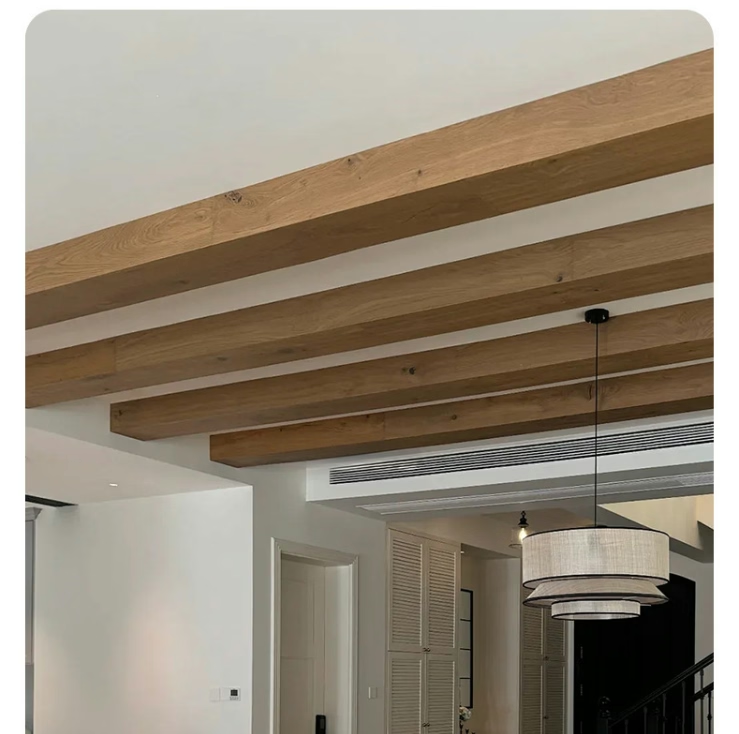
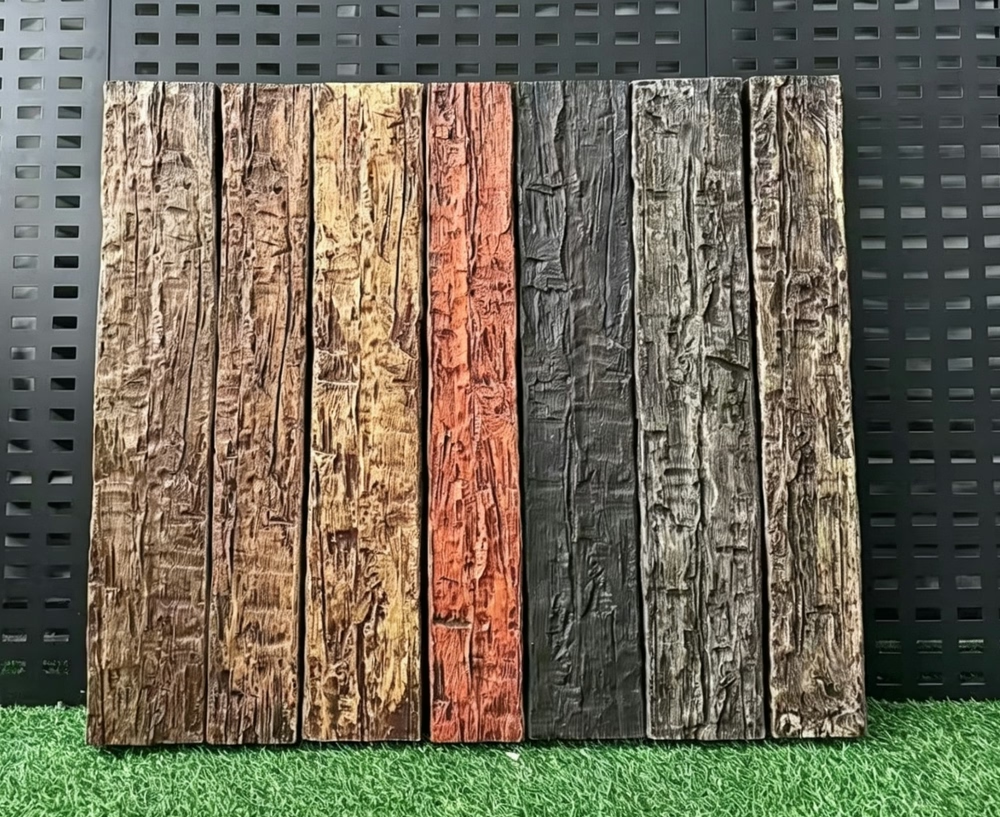
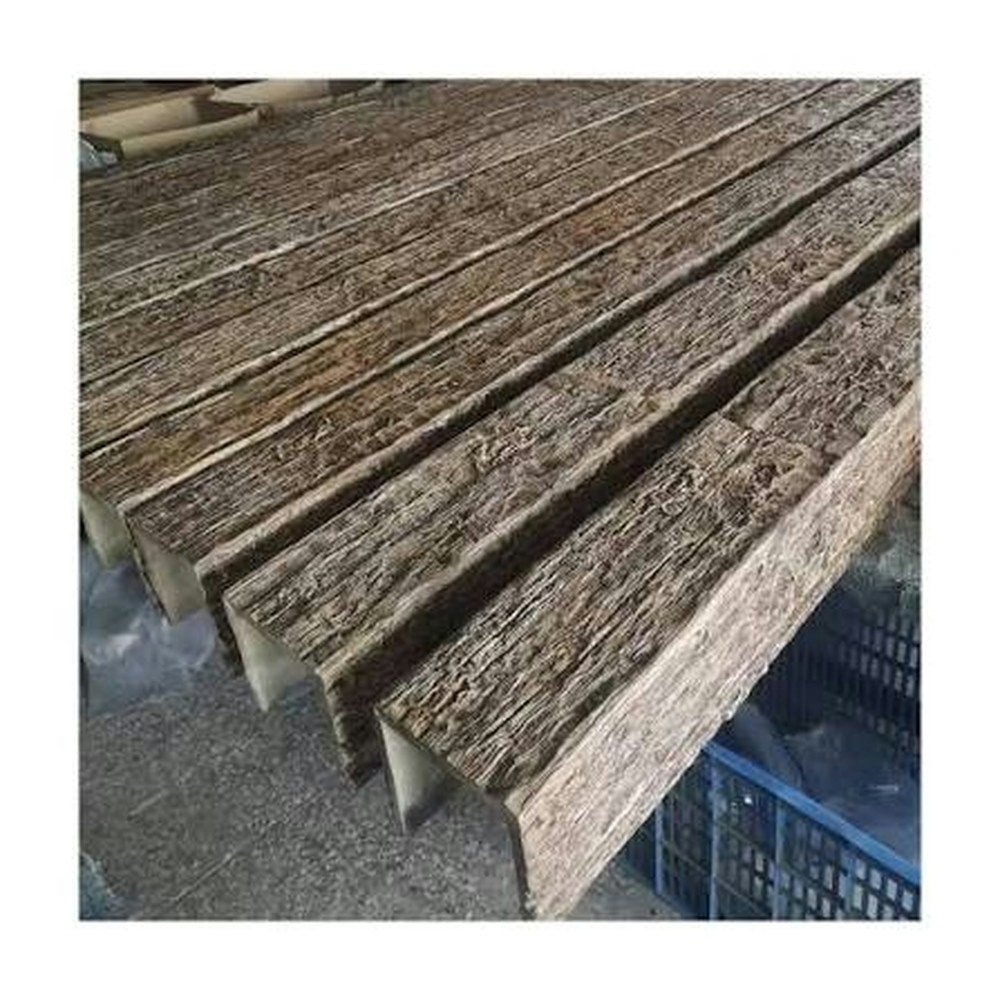
Circular Business Models: Product-as-Service and Leasing Options
Traditional faux beam sales transfer ownership and disposal responsibility to customers. Strategic circular business models through leasing, take-back programs, and product-as-service offerings retain material ownership enabling reuse, refurbishment, and recycling while creating ongoing customer relationships and revenue streams.
Leasing Program Development
Offer beam rental options for temporary installations or customers preferring non-ownership. Leasing retains material control enabling recovery and lifecycle management.
Take-Back and Refurbishment
Accept used products for inspection, repair, and resale extending material lifespan. Refurbishment creates secondary markets while preventing premature disposal.
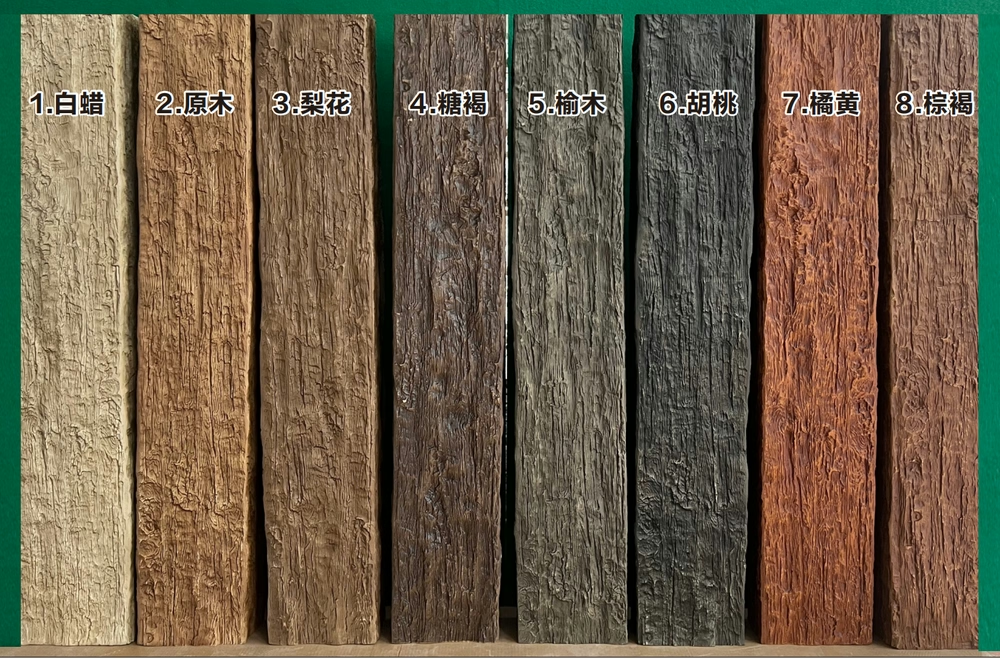
Maintenance Service Packages
Provide cleaning, repair, and refinishing services preserving beam appearance and function. Ongoing maintenance extends product life and strengthens customer relationships.
Performance Guarantee Models
Lease products with guaranteed aesthetic and structural performance specifications. Outcome-based contracts align incentives toward durability and quality.
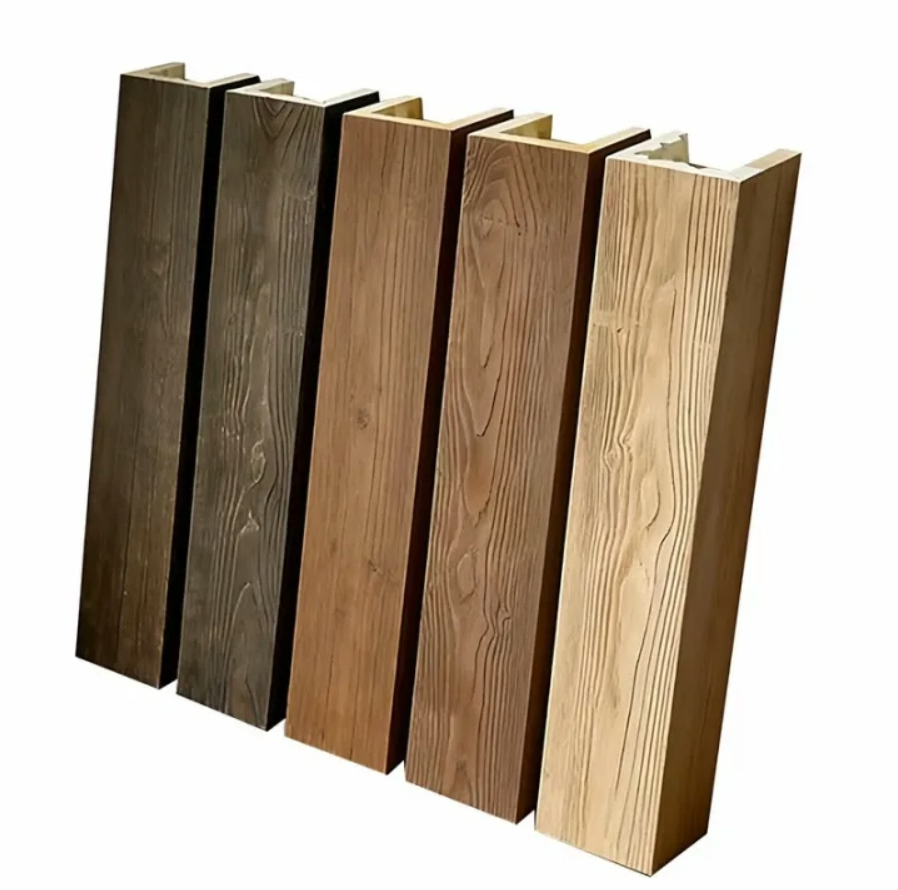
Modular Design for Reuse
Engineer products enabling disassembly, component replacement, and reconfiguration. Modular architecture facilitates refurbishment and adaptation to new applications.
Asset Tracking Systems
Implement digital inventory management tracking leased products through lifecycle stages. Comprehensive tracking enables efficient recovery and redeployment logistics.
Financial Model Optimization
Structure pricing balancing customer affordability with lifecycle cost recovery. Sustainable economics ensure business viability while enabling circular practices.
Customer Education and Support
Communicate circular model benefits addressing ownership mindset and convenience concerns. Effective marketing overcomes adoption barriers and builds program participation.
Conclusion
Circular beam business models require leasing program development, take-back and refurbishment, maintenance service packages, and performance guarantee models. Strategic product-as-service approaches achieve sustainability through modular design for reuse, asset tracking systems, financial model optimization, and customer education creating circular economy business innovation retaining material value with ongoing customer relationships beyond traditional sales.
Technical References
ASTM standards cited in every specification
Test Data
Lab results from internal testing program
Updated 2026
Reviewed against current product specs