Colonial Revival Architecture: Period-Appropriate Beam Integration and Molding Details
Colonial Revival homes achieve authentic period character through carefully detailed faux beams matching 18th-century architectural traditions. Strategic beam applications create historically appropriate elegance supporting traditional design values and architectural heritage preservation.
Historically Accurate Profile Selection
Select beam profiles matching 18th-century timber dimensions and proportions documented in colonial architecture. Period-accurate sizing ensures authentic historical character and architectural credibility.
Box Beam Construction Methods
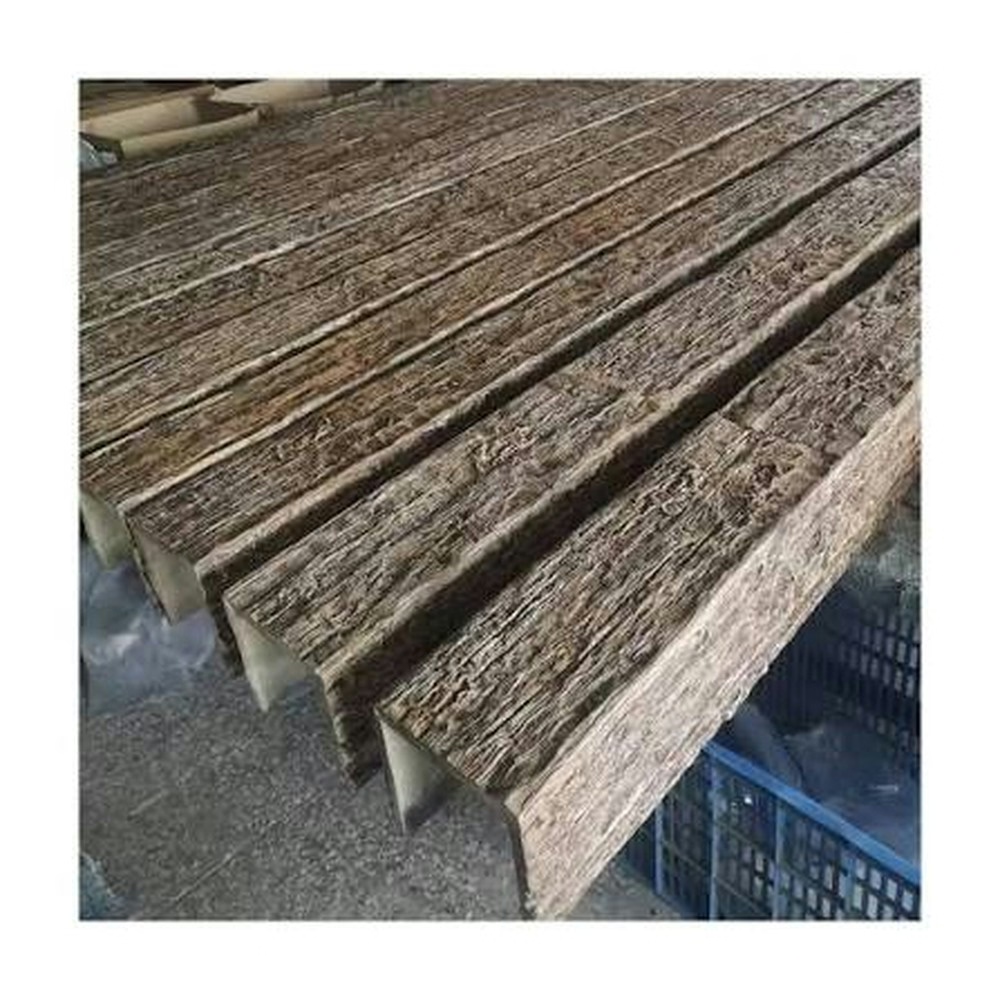
Utilize traditional box beam construction with applied molding details rather than single-piece profiles. Multi-component construction replicates authentic colonial timber framing and joinery methods.
Crown Molding Integration
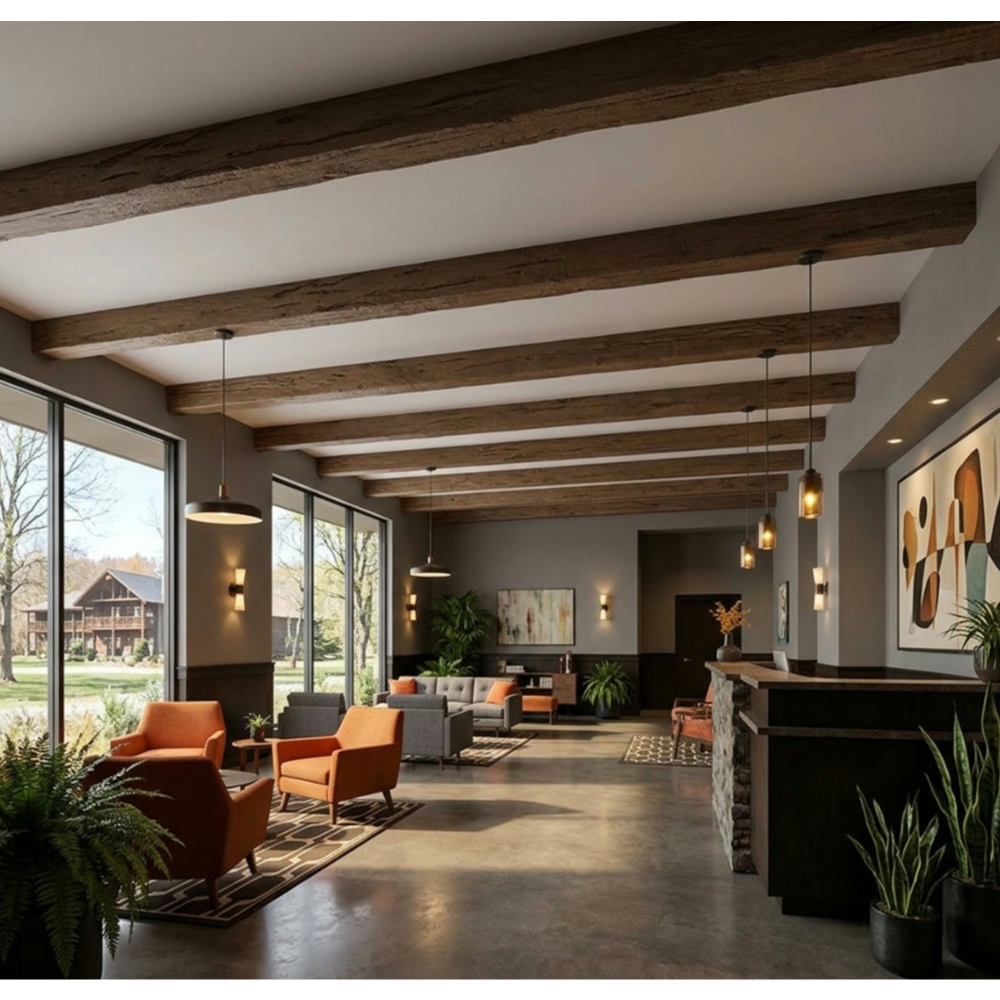
Integrate beams seamlessly with crown molding, chair rails, and period millwork creating cohesive architectural detailing. Unified trim systems reinforce period design authenticity.
Natural Wood Species Selection
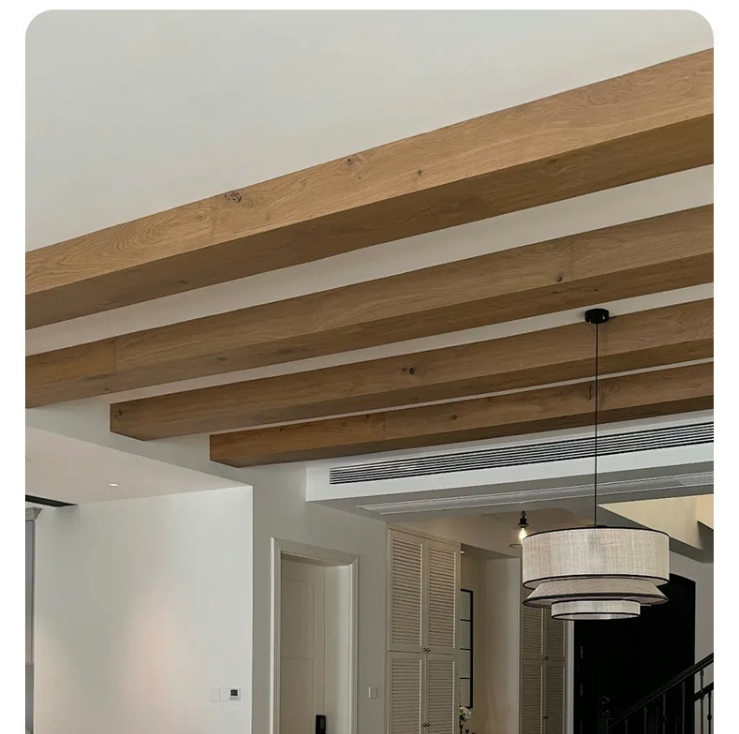
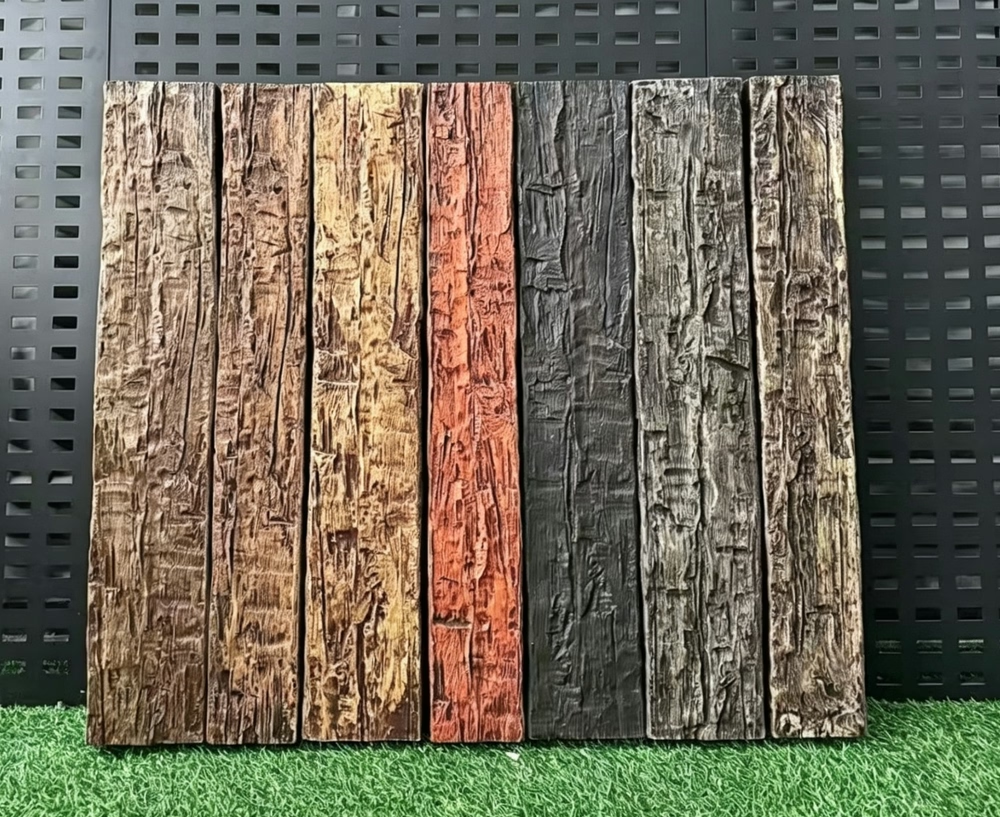
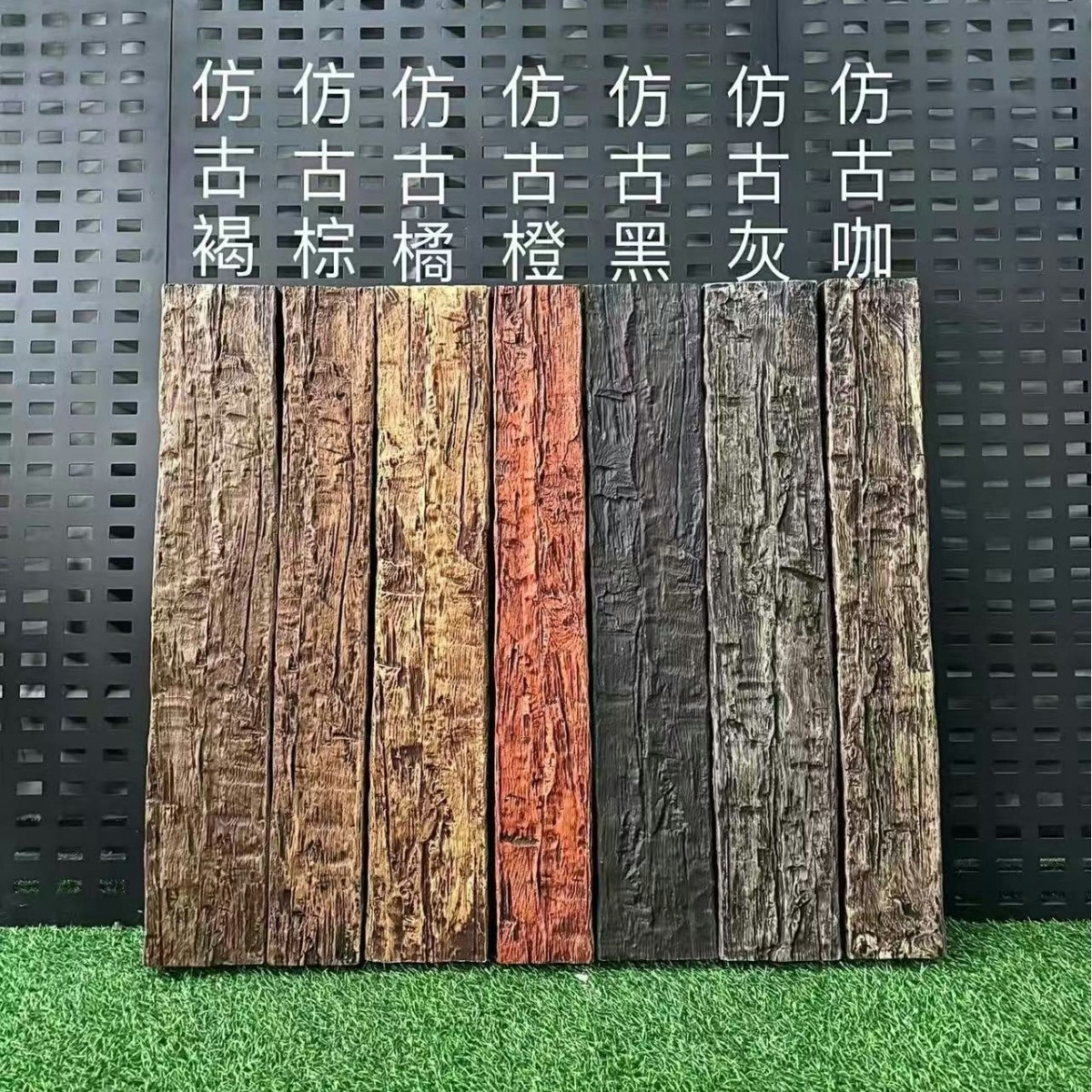
Specify finishes replicating colonial-era wood species including oak, chestnut, pine, or cherry. Period-appropriate wood tones and grain patterns enhance historical accuracy.
Hand-Planed Surface Character
Apply subtle hand-planed surface textures suggesting pre-industrial woodworking methods. Gentle tool marks create authentic character without excessive distressing.
Symmetrical Arrangement Principles
Arrange beams following classical symmetrical design principles valued in colonial architecture. Balanced proportional arrangements reflect period aesthetic values and design order.
Parlor and Dining Room Applications
Focus beam installations in formal spaces including parlors, dining rooms, and entry halls matching colonial architectural emphasis. Room hierarchy reflects period design priorities and social customs.
Period Hardware and Fastener Details
Incorporate period-appropriate decorative hardware including wrought iron brackets and traditional fastener patterns. Authentic metal details complete historical character and craftsmanship appearance.
Conclusion
Colonial Revival beam applications require historically accurate profiles, box beam construction, crown molding integration, and natural wood species. Strategic period-appropriate installations create authentic 18th-century character supporting traditional design values, architectural heritage, and classical proportional principles in Colonial Revival residential architecture.
Technical References
ASTM standards cited in every specification
Test Data
Lab results from internal testing program
Updated 2026
Reviewed against current product specs