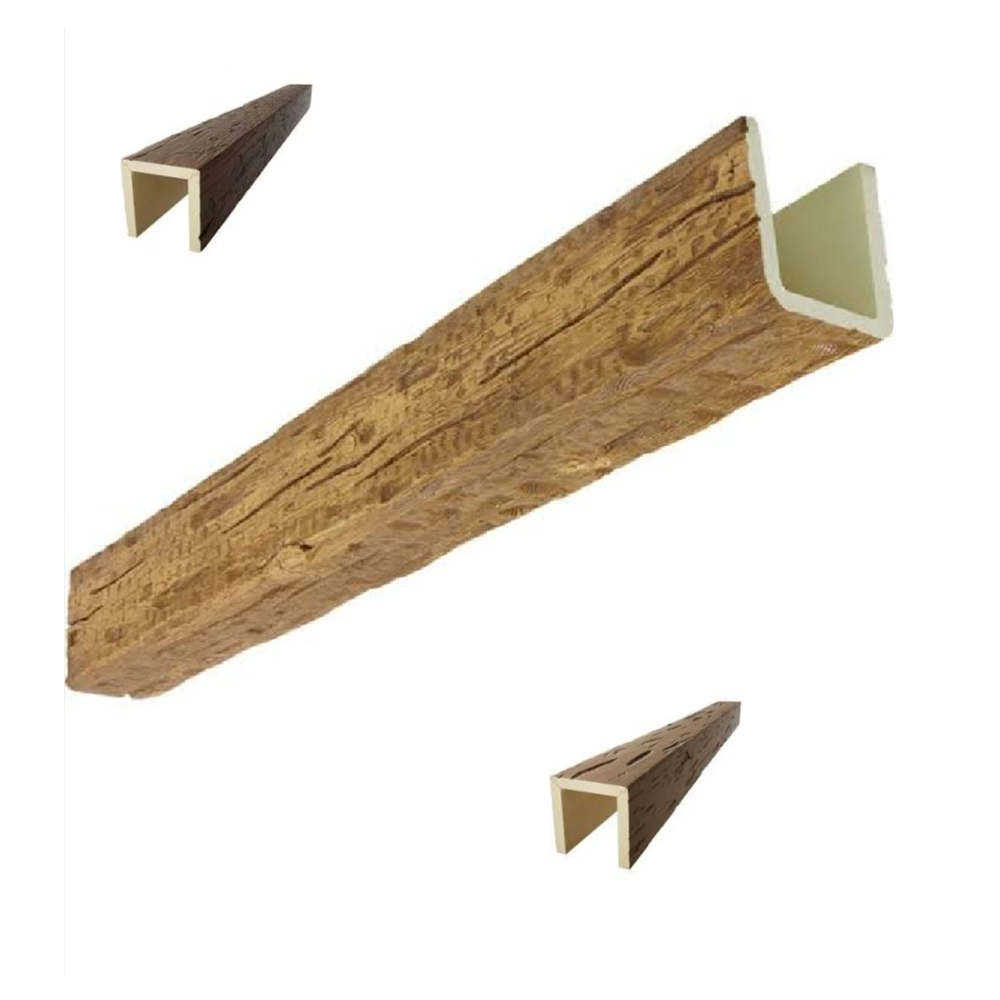
Picture a property developer planning a 200-room boutique hotel: 80 of those rooms are corner suites with tray ceilings requiring perimeter faux timber treatments. The property manager wants consistent appearance across all rooms. The purchasing director needs volume pricing that meets budget targets. The general contractor requires delivery coordinated with the construction schedule. This combination of requirements leads developers to commercial bulk order suppliers for U-shape faux timber decorative ceiling beams. Factory-direct relationships built for large-volume procurement solve challenges that smaller suppliers cannot address.
What Makes U-Shape Beams Distinct
U-shape beams feature a three-sided profile that mounts over existing structural elements rather than requiring them. This configuration provides installation flexibility that solid beams cannot match—the hollow interior accepts any underlying structure while presenting only finished exterior surfaces. The result is the visual weight of solid timber with none of the structural demands.
The profile geometry creates natural mounting opportunities. The hollow interior accommodates wiring, plumbing, or HVAC elements without requiring additional chases or soffits. Installation crews can run utilities through the beam before securing it in place, simplifying coordination with other trades. The finished exterior conceals all internal infrastructure from view.
Manufacturing U-shape beams requires precise mold geometry to ensure consistent wall thickness, accurate profile dimensions, and proper fit at joints. Quality manufacturers invest in tooling that maintains these tolerances across thousands of units, enabling bulk orders that arrive ready for installation without extensive field modification.
Applications Driving Bulk Order Demand
Multiple commercial sectors specify U-shape faux timber beams in quantities that justify bulk procurement relationships. Understanding these applications helps suppliers and contractors anticipate project requirements and plan accordingly.
Hospitality Property Construction
Hotel construction and renovation projects frequently specify U-shape beams at quantities measured in hundreds of linear feet. Lobby ceiling treatments, dining room ceiling accents, corridor soffits, and guestroom feature walls all benefit from the lightweight, decorative qualities of U-shape profiles. Bulk procurement consolidates multiple applications within a single property under one supplier relationship, simplifying purchasing and quality management.
Resort properties with multiple food and beverage outlets, conference facilities, and pool areas multiply these requirements. A single resort project might specify U-shape beams for five or six distinct applications, each with different dimensions and quantities. Coordinating these requirements through a single bulk order supplier streamlines procurement substantially.
Restaurant Chain Buildouts
Franchise and chain restaurant operations expanding into new markets require predictable materials procurement to control construction timelines. U-shape beams work well for both feature walls and ceiling applications in restaurant environments. Bulk orders enable consistent appearance across multiple locations while supporting aggressive construction schedules.
The predictable quality of bulk-supplied U-shape beams simplifies contractor training. Installation crews familiar with the specific product can work efficiently across multiple locations, reducing labor costs and minimizing the learning curve that variable-quality materials impose.
Corporate and Institutional Interiors
Executive office spaces, boardrooms, and institutional buildings employ U-shape beams to create executive feel without the structural implications of solid timber. Bulk orders support campus-wide specifications where multiple buildings or wings require consistent design language.
Healthcare facilities, educational institutions, and civic buildings also benefit from U-shape beam installations. The lightweight nature simplifies installation around existing building systems. The decorative exterior conceals medical gas piping, data cabling, or mechanical systems that would otherwise require independent concealment strategies.
Volume Pricing Structures
Commercial bulk orders typically unlock pricing tiers that make faux timber alternatives economically compelling for large projects. Understanding these pricing structures helps project managers optimize their purchasing strategy.
| Order Volume | Typical Discount Tier | Additional Benefits |
|---|---|---|
| 100-250 linear feet | 8-12% below retail | Coordinated packaging |
| 250-500 linear feet | 12-18% below retail | Scheduled delivery options |
| 500-1,000 linear feet | 18-25% below retail | Dedicated project manager |
| 1,000+ linear feet | Negotiable | Custom logistics support |
Volume pricing typically applies to single orders or aggregated orders within defined timeframes. Multi-property developments may aggregate orders across properties to reach higher discount tiers, though this requires coordination across property teams and may complicate delivery logistics.
Beyond direct price discounts, bulk orders often unlock additional benefits: dedicated project management support, flexible delivery scheduling, customization options that would not be available for smaller orders, and priority production scheduling during busy periods. These benefits frequently exceed the value of direct price savings.
Quality Control in Factory-Direct Relationships
Factory-direct procurement eliminates intermediaries that can affect product consistency. When working directly with manufacturers, buyers can verify production processes, examine raw materials, and confirm quality control procedures. This transparency supports specifications that require specific material properties or appearance characteristics.
Sample approval processes benefit from direct manufacturer relationships. Buyers can review production samples before committing to full quantities, requesting modifications if samples do not meet specifications. This collaborative approach reduces the risk of receiving large quantities of products that fall short of expectations.
Quality documentation becomes more accessible through direct relationships. Manufacturers can provide detailed test reports, material certifications, and production records that support project specifications and warranty requirements. This documentation matters for commercial projects where specifications must be defended to building owners, code officials, and warranty providers.
Logistics and Delivery Considerations
Bulk orders require coordinated logistics that smaller shipments do not. Shipping volumes, packaging requirements, delivery scheduling, and receiving logistics all become more complex with larger quantities. Working with suppliers experienced in bulk order management simplifies these challenges.
Packaging methods affect both shipping costs and receiving efficiency. Quality suppliers package bulk orders in configurations that maximize trailer utilization while enabling organized unloading at job sites. Pre-sorting by room or application area reduces time spent finding specific pieces during installation.
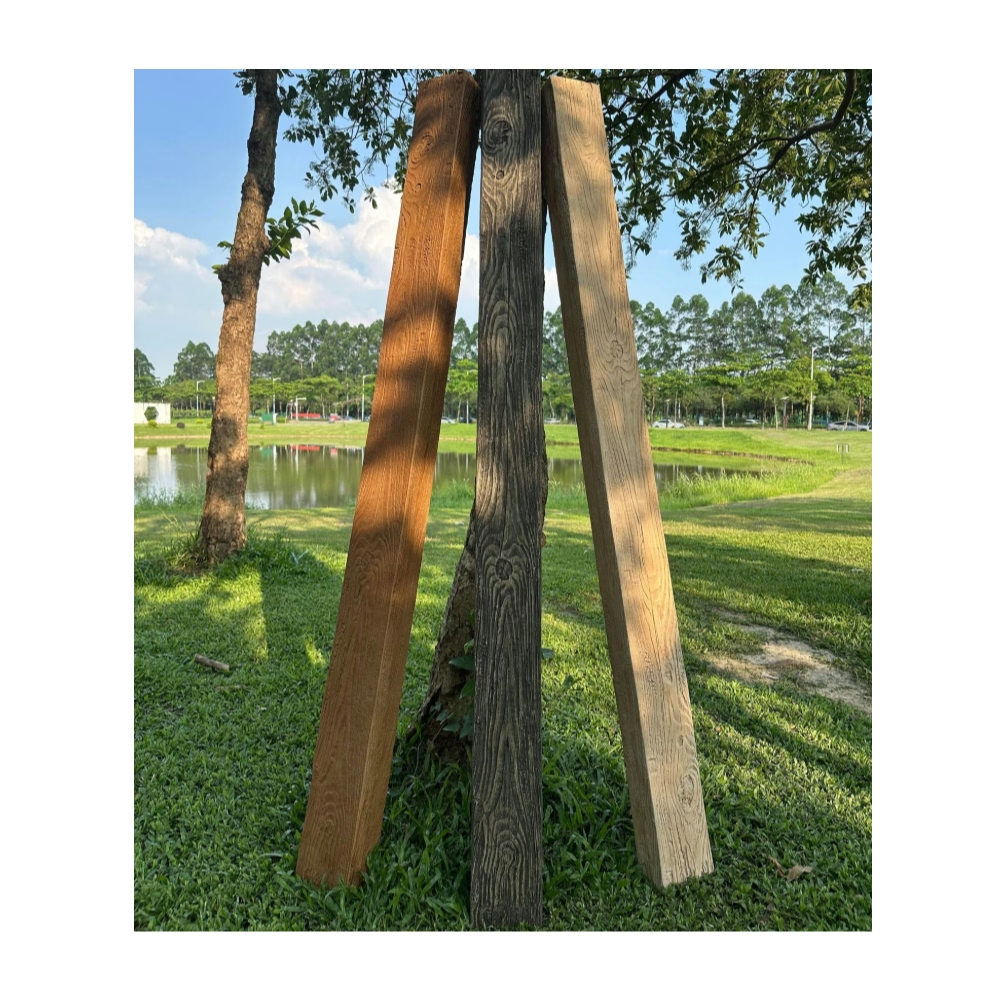
Delivery scheduling must align with construction progress. Bulk orders may arrive in phases to match installation sequences, reducing on-site storage requirements and minimizing the risk of damage during storage. Suppliers experienced with bulk commercial orders can coordinate phased deliveries that align with contractor schedules.
Customization Capabilities for Bulk Orders
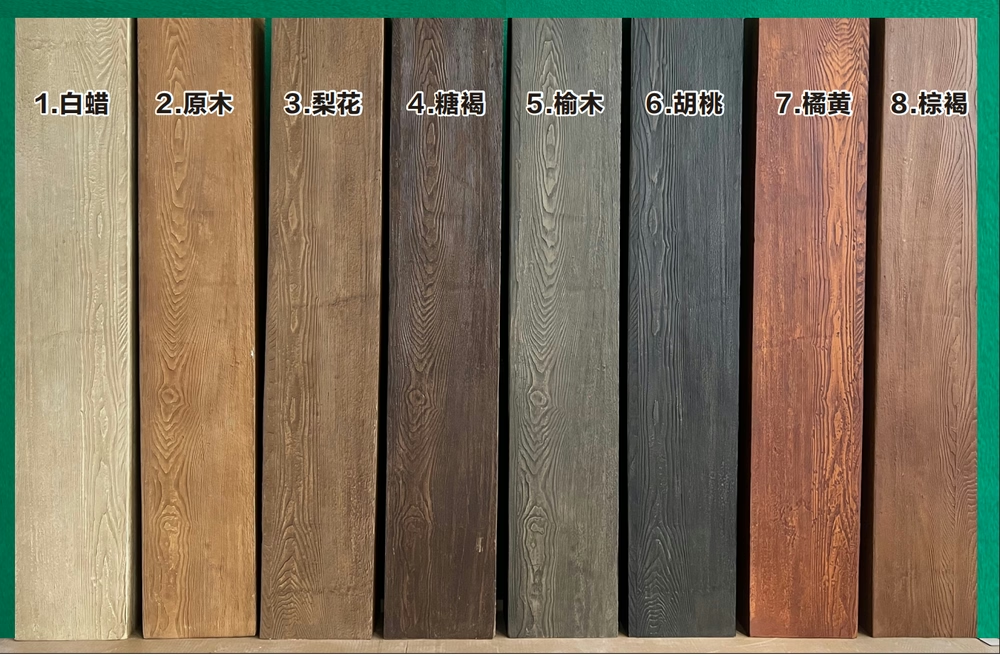
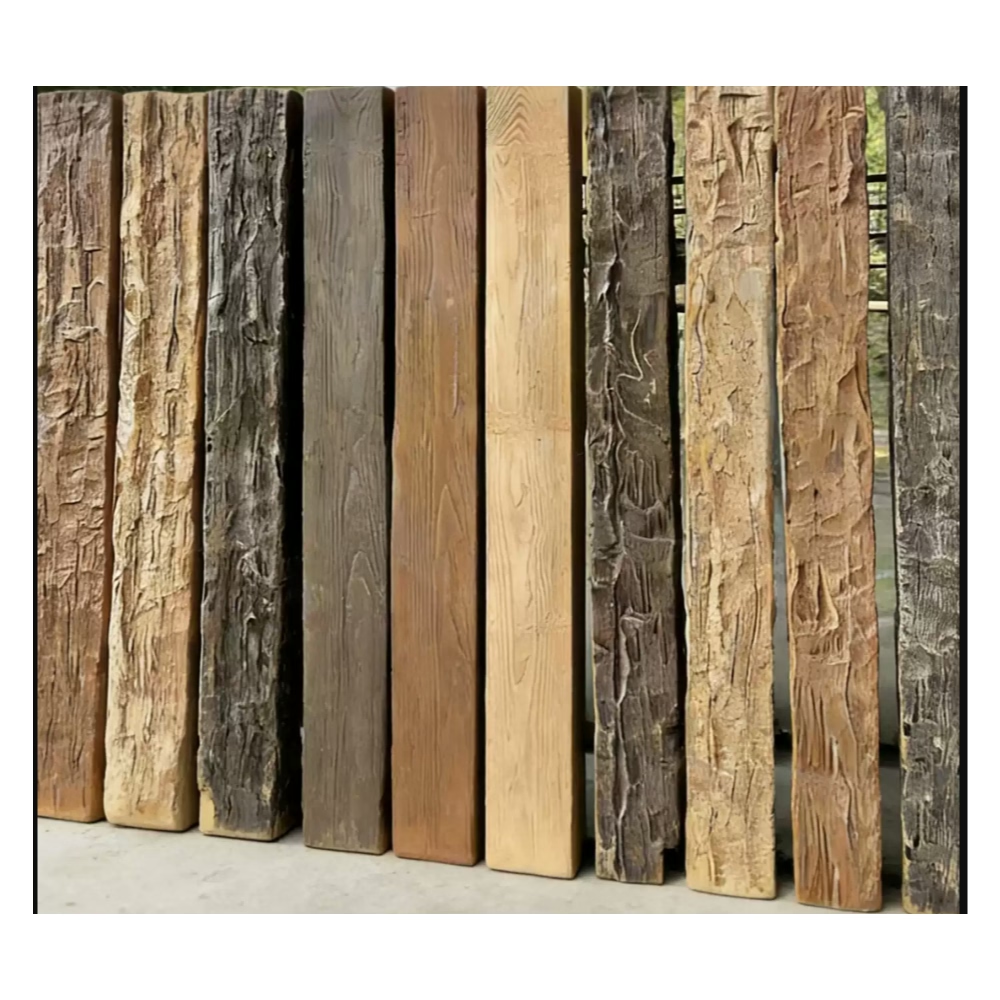
Bulk order relationships often unlock customization options unavailable for smaller purchases. Custom profiles, special color formulations, and unique dimensions become feasible when manufacturers can justify tooling costs across large quantities. This flexibility helps projects achieve distinctive design intent while still benefiting from bulk order economics.
Common customization options include:
- Non-standard beam dimensions matching specific architectural conditions
- Custom color formulations matching brand standards
- Profile variations that combine multiple beam profiles into unified designs
- Surface texture modifications for specific aesthetic effects
- Integration features for lighting, audio, or security systems
Discuss customization possibilities early in the specification process. Custom options typically require longer lead times than standard products, but the volume justification makes them economically feasible for bulk purchases.
Managing Bulk Order Inventory
Effective bulk order inventory management prevents both shortages and excessive surplus. Begin by calculating exact quantities based on architectural drawings, adding modest waste factors for cuts and modifications. Identify which beam profiles and sizes correspond to specific installation areas, enabling phased receiving that matches work progress.
Establish minimum quantity guarantees for accessory components. End caps, corners, and mounting hardware must arrive in matching color and quality. Bulk order relationships simplify this coordination because accessories come from the same production batches as the primary beam products.
Maintain buffer stock of accessories throughout the installation period. Beam sections can sometimes be damaged during installation, and replacement pieces should be readily available without requiring emergency orders. Quality suppliers maintain production capacity for emergency requests, though carrying modest buffer stock reduces the likelihood of needing this contingency.
Long-Term Partnership Benefits
Successful bulk order relationships often evolve into long-term partnerships that benefit both parties. Manufacturers gain predictable production volume that supports efficient operations. Buyers gain supplier reliability that simplifies project planning. These mutual benefits strengthen over time as partners develop deeper understanding of each other's needs and capabilities.
Repeat customers often receive priority consideration for new product introductions and customization options. Manufacturers welcome feedback from experienced commercial buyers that helps them refine products for market needs. This collaboration drives innovation in beam design, manufacturing efficiency, and application techniques that benefit all commercial users.
For property developers and contractors who consistently specify U-shape faux timber beams across multiple projects, developing preferred manufacturer partnerships yields cumulative benefits: streamlined procurement, predictable quality, and access to capacity during industry-wide busy periods when standard supply chains face constraints.
Technical References
ASTM standards cited in every specification
Test Data
Lab results from internal testing program
Updated 2026
Reviewed against current product specs


