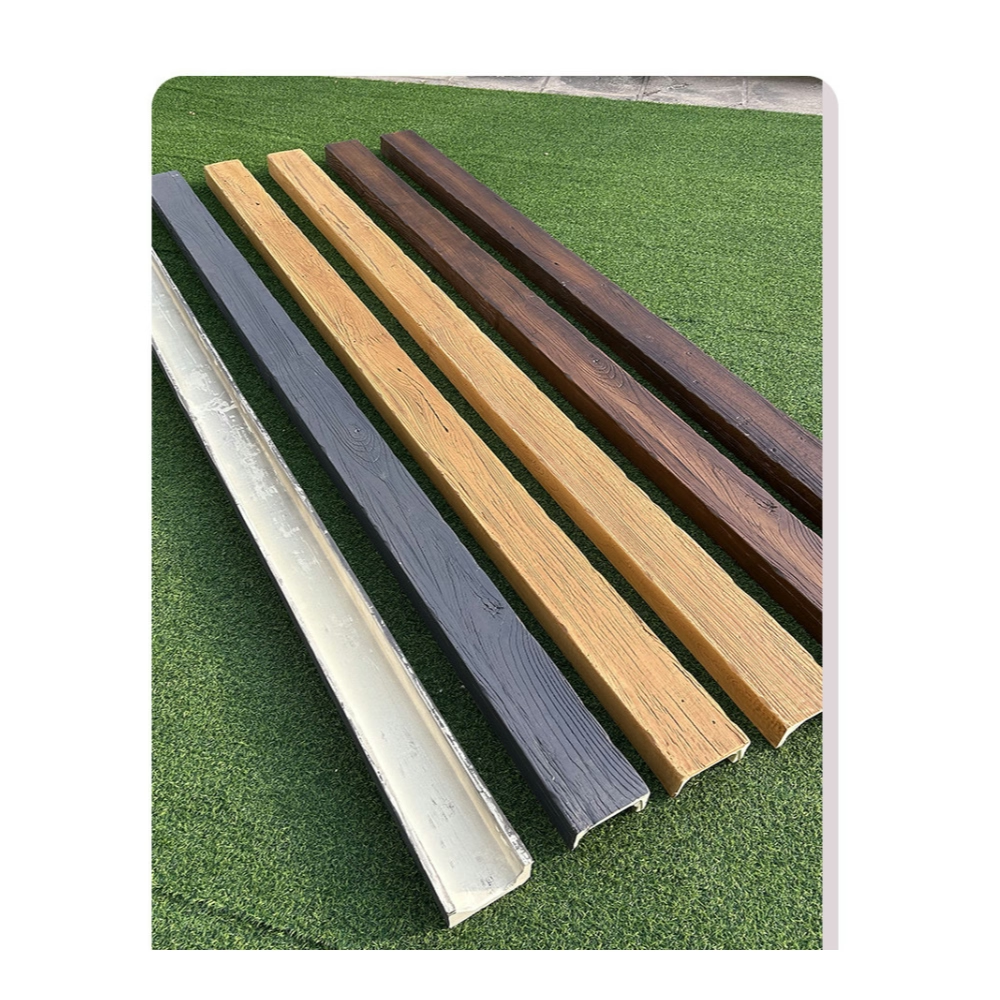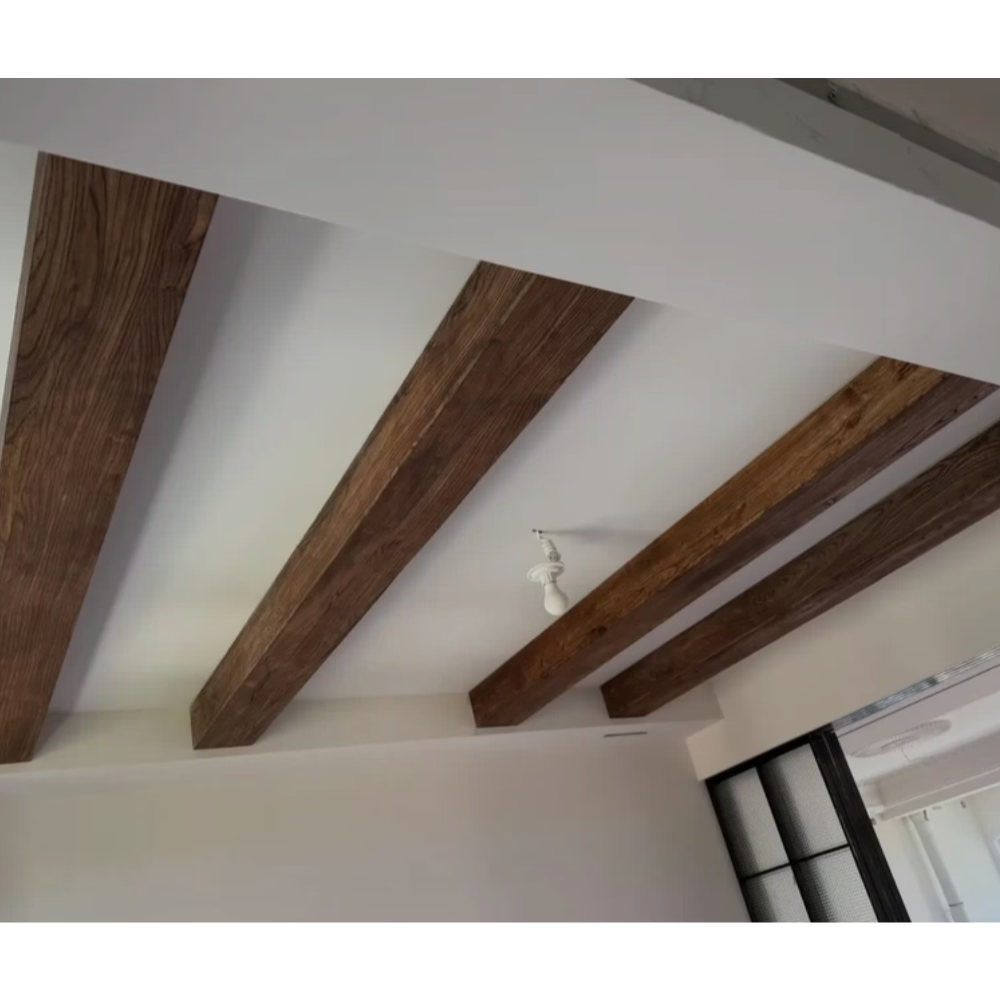
Hotel maintenance managers deal with reality every day: guests bump into ceiling beams, housekeeping carts scrape wall-mounted beam segments, and contractors damage finishes during adjacent work. Every commercial property with faux beam installations eventually faces damage requiring repair. The difference between properties that handle these situations well and those that struggle lies in preparation. Commercial bulk spare parts and touch-up kits ensure that repair materials are available immediately when damage occurs, enabling rapid response that minimizes both guest disruption and repair costs.
Why Bulk Quantities Matter for Commercial Operations
Single-unit touch-up products designed for occasional residential use do not serve commercial operations effectively. A hotel property might face 20-30 beam repair incidents per year across guestrooms, public spaces, and back-of-house areas. Each repair consumes small quantities of multiple materials—color-matched filler, topcoat products, texture compounds, and finishing tools. Maintaining adequate inventory of these consumables requires bulk purchasing that single-unit products cannot satisfy.
Bulk procurement also addresses the variety of beam colors and profiles that commercial properties typically contain. Properties that have undergone phased renovations may feature three or four different beam generations, each requiring different touch-up materials. Managing repair material inventory across this variety requires systematic procurement that bulk supplier relationships enable.
Cost efficiency improves substantially with bulk purchasing. Unit costs for repair materials decrease significantly when purchased in commercial quantities. Beyond direct cost savings, bulk purchases reduce the administrative burden of frequent reordering, allowing maintenance staff to focus on actual repair work rather than procurement activities.
Components of a Complete Touch-Up Kit
Comprehensive touch-up kits include products addressing every common repair scenario. Understanding each component's purpose helps facility managers maintain complete kits and train staff in appropriate product selection for specific damage types.
| Component | Purpose | Typical Quantity |
|---|---|---|
| Color-matched filler compound | Fill voids, cut ends, mounting holes | 16-32 fl oz per color |
| Surface texture coating | Recreate original texture after filling | 8-16 fl oz per color |
| Topcoat sealant | Seal repairs against moisture/dirt | 8-16 fl oz per color |
| Touch-up paint/stain | Address surface scratches | 2-4 fl oz per color |
| Grain restoration pens | Address minor grain pattern damage | 4-8 pens per color |
| Cleaning solution | Pre-repair preparation | 16-32 fl oz |
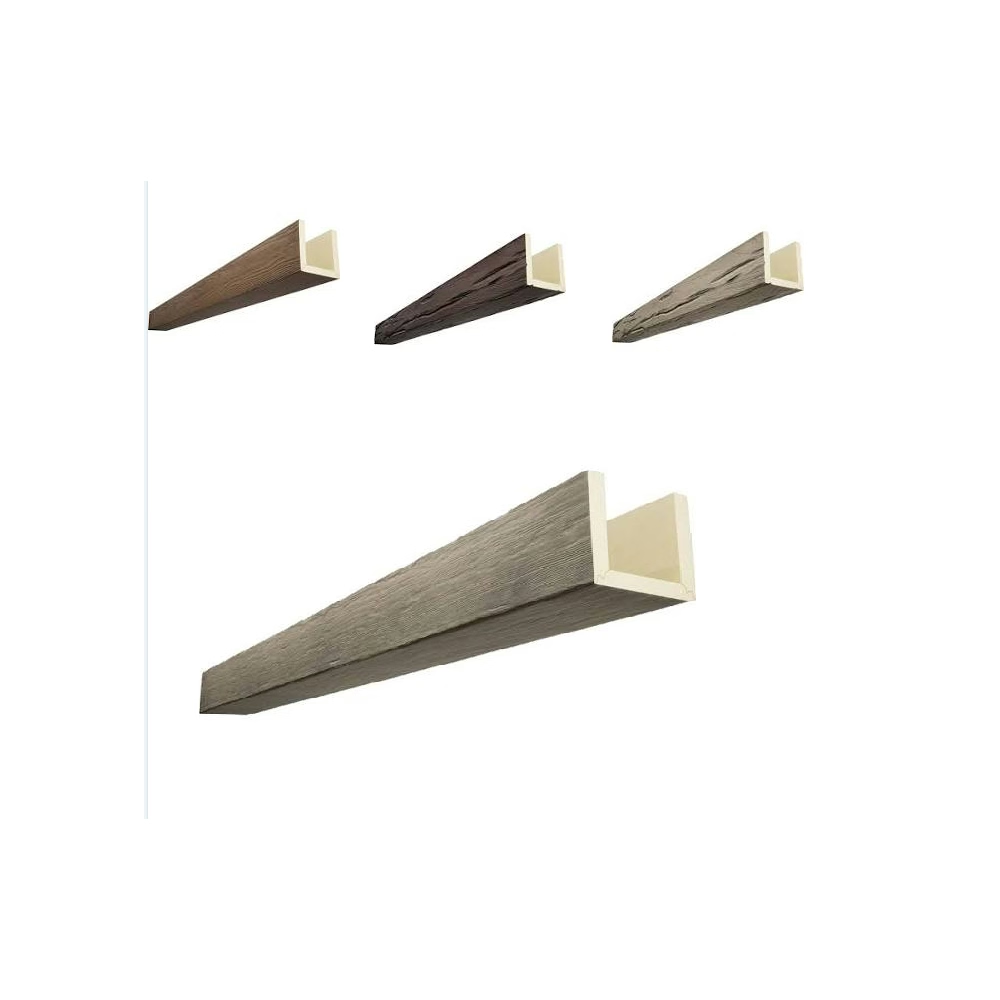
Quality kits include products for every beam colorway present in the property. Maintaining color-specific inventory for each beam type ensures that any repair can be addressed without delay while waiting for materials. Some facility managers organize kits by color rather than by product type, simplifying product selection during repair activities.
Tool requirements vary based on repair types but should be available in maintenance areas. Common tools include fine-grit sanding materials, flexible putty knives in multiple sizes, texture stamps or rollers matching common beam profiles, and clean applicator brushes. Quality kits include at least basic tools; comprehensive kits include specialized tools for various repair scenarios.
Common Repair Scenarios and Solutions
Understanding typical damage patterns helps facility managers anticipate material needs and train staff in repair techniques. Each damage type requires specific products and techniques for results indistinguishable from original surfaces.
Impact Damage from Guest Contact
Beams installed in locations where guests may contact them—low-ceiling areas, accessible architectural features, or transitional spaces—frequently suffer impact damage. Dents, scratches, and broken sections all require attention. Minor dents often respond to gentle heat treatment that raises the foam back to original profile. Scratches require color-matched touch-up coating. Broken sections require complete replacement from spare inventory.
Damage from Adjacent Work
Maintenance activities in adjacent areas create unexpected beam damage. Painting contractors who overspray, HVAC technicians working above beams, and electricians running new circuits all potentially damage beam surfaces. Facility managers who communicate with trades working near beams can prevent much of this damage, but inevitable incidents require prepared repair materials.
Aging and Wear Patterns
Even quality beam installations eventually show wear from years of cleaning, environmental exposure, and accumulated minor damage. Periodic touch-up work restores appearance before noticeable degradation affects guest perception. Scheduled maintenance using touch-up kit products extends service life without requiring complete refinishing.
Water and Moisture Damage
Although PU faux beams resist moisture intrusion better than natural wood, severe water events can affect beam surfaces. Roof leaks, plumbing failures, or flood events may cause staining, swelling, or texture damage. Quick response with appropriate touch-up materials prevents minor issues from becoming major repairs.
Storage and Shelf Life Management
Touch-up kit products require proper storage to maintain effectiveness. Polyurethane filler compounds typically offer 12-24 month shelf life when stored properly; color pigments and topcoat products may have different longevity. Facility managers should track inventory expiration dates and rotate stock before products become ineffective. Bulk quantities may exceed usage rates for some products—plan storage conditions that extend viability as long as possible.
Climate-controlled storage significantly extends product shelf life. Storage areas should maintain moderate temperatures (60-80°F) and low humidity. Avoid storage near HVAC equipment, exterior walls, or areas subject to temperature cycling. Original packaging should remain sealed until use to prevent contamination and moisture absorption.
Inventory management systems help track both quantity and condition. Simple spreadsheets work for smaller operations; integrated facility management software supports larger portfolios. The key information includes product type, color matching, expiration date, and quantity on hand. Regular physical inventory confirms system accuracy.
Training Staff in Repair Techniques
Maintenance staff training ensures that touch-up kit products are used appropriately and effectively. Improper technique can worsen damage or create visible repairs that draw more attention than the original damage. Even simple repairs benefit from basic training in product application, surface preparation, and finishing techniques.
Quality manufacturers and suppliers often provide training resources—application videos, written guides, or on-site demonstrations for larger commercial accounts. Take advantage of these resources during initial kit procurement. The time invested in staff training pays back through better results and reduced material waste from failed repair attempts.
Start new staff with supervised repairs on less visible locations. As proficiency develops, assign increasingly visible repairs until staff can address any repair scenario confidently. This graduated approach builds competence while minimizing the risk of obvious failures that require remediation by specialists.
Selecting Suppliers for Bulk Procurement
Not every touch-up product supplier serves commercial operations effectively. Look for suppliers who maintain inventory in commercial quantities, offer technical support for product selection and application, and can scale procurement as properties grow or expand. Suppliers serving the hotel and commercial property management sectors understand the unique requirements of these operations.
Verify that suppliers maintain the specific color formulations your installations require. Manufacturers occasionally reformulate products or discontinue specific colorways, leaving property managers with obsolete repair materials. Maintaining current contact with suppliers ensures that potential supply disruptions are identified before they become urgent problems.
Geographic proximity affects both procurement costs and delivery speed. Local or regional suppliers offer faster response for emergency restocks; distant suppliers may offer better pricing but slower response. For routine bulk procurement, distant relationships work well; for emergency situations, having local backup suppliers can prevent extended periods without critical materials.
Working with Manufacturer Warranty Programs
Many PU faux beam manufacturers offer warranty programs that include touch-up product support. Understanding warranty terms helps property managers optimize their procurement strategy—some warranties cover repair materials for damage meeting specific criteria, reducing direct procurement costs for covered incidents.
Warranty programs typically require documentation of installation conditions and adherence to recommended maintenance practices. Property managers who follow these requirements from installation forward position themselves to access warranty benefits when repairs become necessary. The administrative effort of documenting maintenance activities pays dividends when warranty claims become necessary.
Some manufacturers offer extended warranty programs that include periodic touch-up services or annual maintenance inspections. These programs work well for properties without dedicated maintenance staff or those wanting expert verification of repair work. The cost of these services often proves lower than maintaining in-house expertise for occasional repair needs.
Scaling Across Property Portfolios
Property management companies operating multiple properties benefit from centralized procurement of touch-up materials. Aggregating orders across properties achieves volume pricing and simplifies inventory management. Centralized color libraries document beam products across all properties, supporting consistent repair standards regardless of which property requires service.
Regional maintenance hubs can stock common repair materials and distribute to individual properties as needed. This approach balances the inventory efficiency of centralization with the response speed of distributed availability. Mobile maintenance teams equipped with standard product sets can address most repairs during routine property visits, with specialized needs sourced from the regional hub.
Portfolio-wide procurement agreements with preferred suppliers often unlock pricing tiers and service levels that individual properties could not negotiate. These agreements typically include volume commitments that benefit both the property management company and the supplier. The relationship development effort required to establish these agreements pays back through years of streamlined procurement operations.
Technical References
ASTM standards cited in every specification
Test Data
Lab results from internal testing program
Updated 2026
Reviewed against current product specs