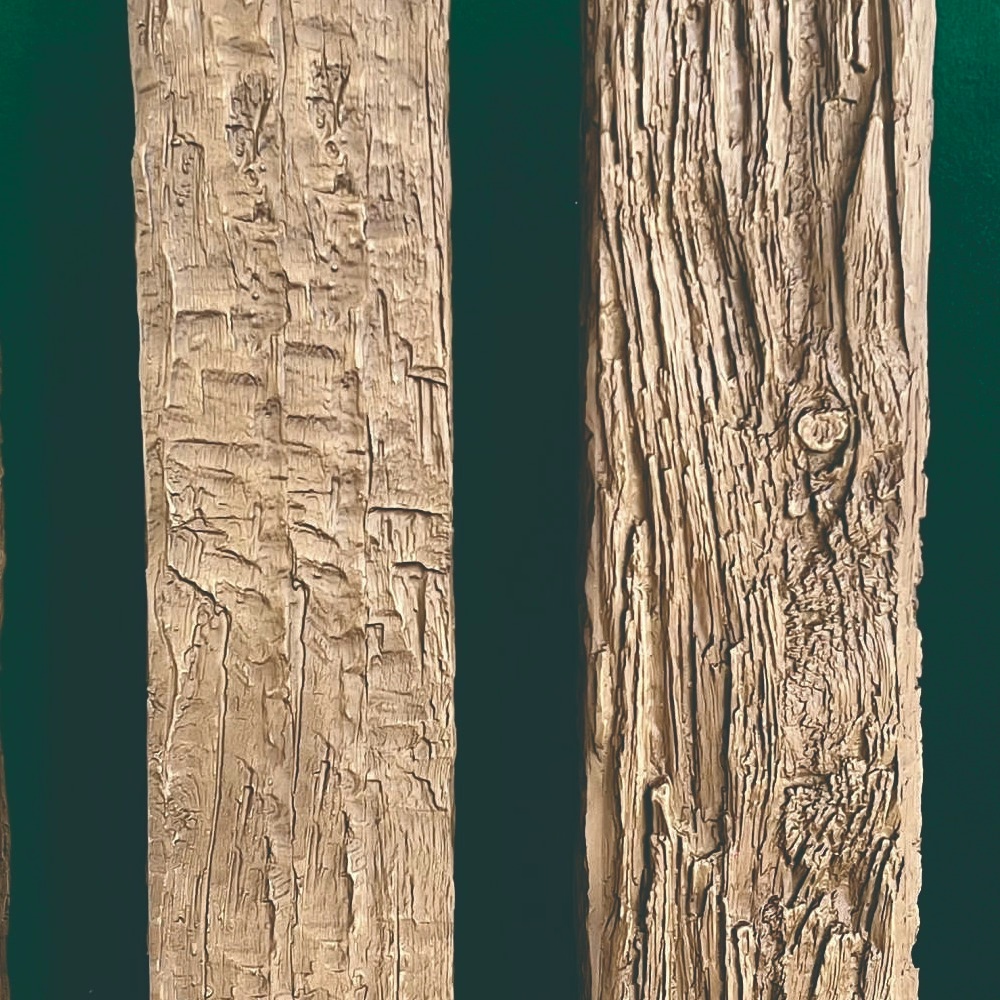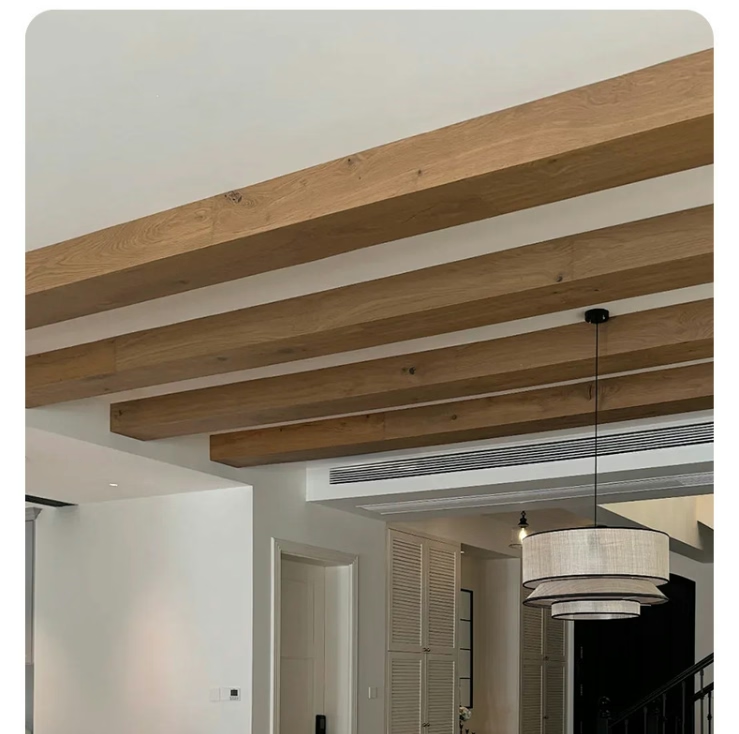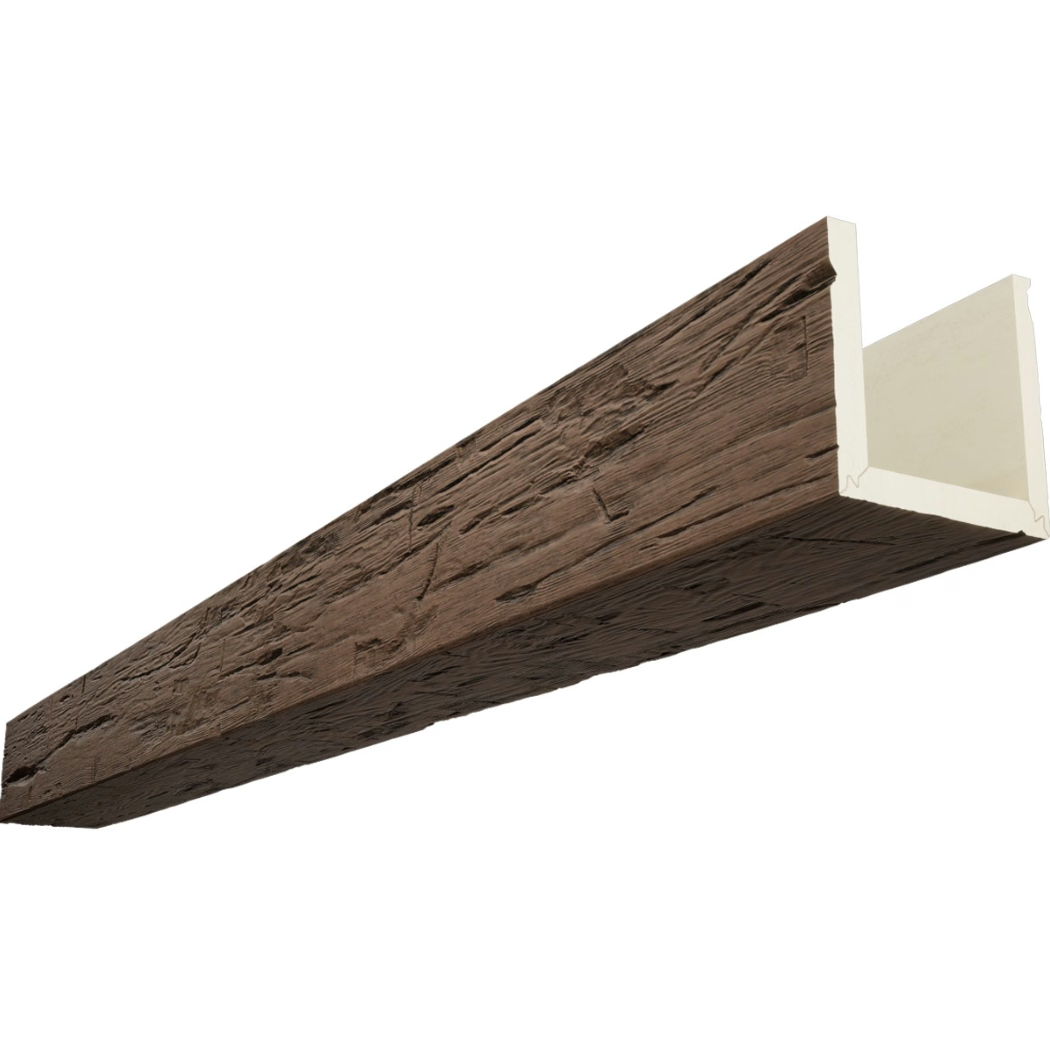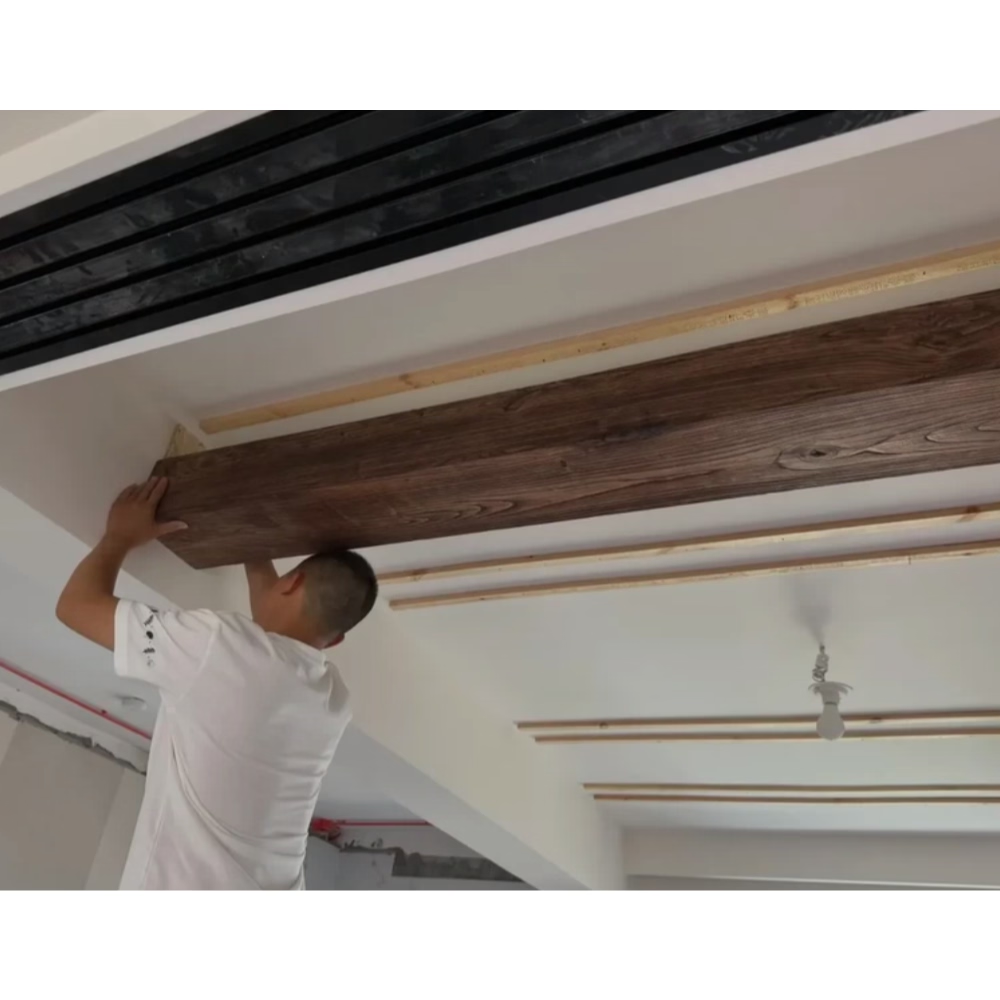
The procurement department at a major international hotel brand rejected a beautiful faux wood beam specification submitted by a renovation designer. The reason was not appearance, cost, or durability—the beam manufacturer had not completed the FF&E approval process required by the hotel brand. Three months of design work needed revision because the specified product could not pass the brand's procurement gatekeeping. This scenario plays out across the industry when designers and contractors overlook FF&E approval in material specifications. Understanding what FF&E approval means, why it matters, and how to navigate the process protects projects from expensive rework.
What FF&E Approval Actually Means
FF&E stands for Furniture, Fixtures, and Equipment—the operating components of a property that are not part of the building structure itself. In hospitality and corporate environments, FF&E procurement operates through structured processes that ensure quality, consistency, and brand compliance. Approval typically means the manufacturer has been vetted by the brand or its procurement partners and authorized to supply products meeting specified standards.
The approval process varies by brand but generally includes several components. Financial stability assessment ensures the manufacturer can deliver consistently over time. Manufacturing capacity verification confirms the supplier can meet volume requirements during property buildouts. Product specification testing validates that materials meet brand standards for appearance, safety, and durability. Insurance and warranty documentation protects the brand's interests against potential liability.
For faux wood beam manufacturers, FF&E approval represents significant investment. Brands typically charge application fees, require facility audits, and demand ongoing compliance documentation. Manufacturers who achieve approval gain access to substantial business but must maintain standards consistently. The vetting process eliminates smaller manufacturers and less established suppliers from major hospitality procurement channels.
Why Brands Require FF&E Approval
Hospitality brands have learned hard lessons about the costs of inconsistent materials. A guest checking into a property expects the brand experience they selected—the lobby materials, room finishes, and public space elements that create the brand's signature atmosphere. When suppliers cut corners, fail to deliver as specified, or disappear after delivery, the brand absorbs the consequences through guest dissatisfaction and operational disruption.
FF&E approval processes protect against these outcomes by establishing baseline expectations. Approved manufacturers have demonstrated capability, reliability, and product quality. When something goes wrong with approved products, the established relationship provides recourse. When products come from unapproved sources, the brand has limited leverage to address problems.
Beyond protection, FF&E approval supports brand consistency across properties. A hotel brand operating 50 properties expects consistent appearance, quality, and performance across all locations. FF&E approval processes ensure that every property receives materials meeting the same standards, regardless of which specific property is being built or renovated.
The standardization benefits extend to procurement efficiency. Brands can negotiate master agreements with approved manufacturers, streamlining procurement across multiple properties. Designers specifying approved products face less resistance from procurement departments. Contractors working with approved products encounter fewer approval delays during construction.
Documentation Required for FF&E Submission
Manufacturers pursuing FF&E approval must compile comprehensive documentation covering multiple aspects of their operations and products. Understanding these requirements helps procurement professionals evaluate suppliers and helps manufacturers prepare successful submissions.
Financial documentation typically includes audited financial statements, banking references, and insurance certificates. Brands want assurance that suppliers can fulfill orders over the operational life of properties—often 20+ years for building components. Financial instability at any point during this period could create supply disruptions that affect brand operations.
Manufacturing documentation covers production capacity, quality control procedures, and facility capabilities. Brands may conduct site visits to verify documentation accuracy. Quality management certifications (ISO 9001 or equivalent) carry significant weight in approval processes.
Product documentation includes detailed specifications, test reports, and warranty terms. For polyurethane faux wood beams, key documentation includes:
| Document Type | Specific Content | Why It Matters |
|---|---|---|
| Material Safety Data Sheets | Composition, handling, hazards | Worker safety, code compliance |
| Fire Rating Certifications | ASTM E84, NFPA 286 results | Building code compliance |
| VOC Emissions Testing | Indoor air quality standards | Health and comfort |
| Accelerated Weathering | UV exposure, color stability | Long-term performance |
| Physical Properties | Density, flexural strength, impact | Structural adequacy |
| Installation Guidelines | Mounting, finishing, accessories | Contractor success |
Each document must be current, properly formatted, and verifiable. Brands typically reject submissions with incomplete or outdated documentation regardless of product merit.
The Approval Process Timeline
FF&E approval processes rarely conclude quickly. Manufacturers should expect the process to take 6-12 months from initial submission to formal approval. This timeline includes document review, facility audits, sample evaluation, and committee decisions at the brand level. Brands with more rigorous processes or larger supplier networks may take even longer.
Designers and project managers should consider approval timelines when planning projects. Specifying unapproved products late in the design process creates risk—either the product fails approval, requiring specification changes, or the project proceeds with non-approved materials, creating operational complications for the property.
For manufacturers seeking approval, early engagement with brand procurement teams accelerates the process. Pre-submission meetings clarify expectations, reducing the likelihood of rejection for documentation gaps. Pilot projects with individual properties can demonstrate capability even before full brand approval, though these arrangements typically require property-level rather than brand-level authorization.
Working with Approved Manufacturers
Once approved, manufacturers can supply products to any property within the brand's portfolio that uses the approval. This streamlines procurement dramatically—designers can specify the product knowing that procurement approval is already in place. Contractors can source the product through established channels with confidence that deliveries will meet expectations.
Maintaining approval status requires continued compliance. Brands typically conduct periodic re-evaluation audits and require updated documentation as products or operations change. Material formulation changes, manufacturing process updates, or facility modifications may trigger re-approval requirements. Manufacturers must communicate changes proactively to maintain approval status.
Pricing structures for FF&E-approved products often reflect the value of approval access. Manufacturers may charge premium prices to approved-product purchasers, recognizing that the procurement simplification justifies additional cost. Bulk purchasing agreements and master contracts can reduce unit costs while preserving approval benefits.
Benefits for Designers and Project Teams
Designers specifying FF&E-approved products navigate procurement departments more smoothly. The approval documentation is already in place; the question shifts from whether to approve to how to order. This reduces specification revisions late in design phases, when changes have outsized impacts on timeline.
Project managers gain predictability in procurement timelines. Approved products typically have established supply patterns that allow accurate scheduling. The risk of procurement delays due to unapproved product complications diminishes substantially when working with approved suppliers.
Construction teams benefit from working with manufacturers who understand commercial project requirements. Approved manufacturers typically provide installation support, technical documentation, and warranty service at levels appropriate for commercial projects. The relationship continues through construction completion into operational service.
Evaluating FF&E Approval Status
Designers and procurement professionals should verify FF&E approval status before specifying products. Approval databases maintained by brands provide authoritative status information. Manufacturer self-claims of approval should be verified against brand documentation to ensure that approval is current and applies to the specific products being specified.
Approval scope matters as much as approval existence. A manufacturer may be approved for specific product lines while having other products outside approval scope. Specifying unapproved products from otherwise approved manufacturers can create the same procurement complications as specifying products from entirely unapproved sources.
For brands with multiple approval tiers or regional variations, ensure that the approval applies to the specific brand relationship and property location. International brands often maintain separate approval processes for different regions—approval for North American operations may not extend to European or Asian properties.
Future Trends in FF&E Approval
The FF&E approval process continues evolving as brands balance standardization with innovation. Some brands are streamlining approval processes to accelerate introduction of new products and technologies. Others are tightening requirements in response to sustainability and wellness priorities that affect material selection.
Sustainability documentation increasingly appears in FF&E approval requirements. Manufacturers must demonstrate responsible sourcing, manufacturing efficiency, and end-of-life recyclability. These requirements align with broader industry sustainability commitments and respond to guest preferences for environmentally responsible properties.
Wellness-related standards also influence FF&E processes. VOC emissions, indoor air quality, and material safety all face increased scrutiny as brands recognize the role these factors play in guest experience and health. Manufacturers investing in low-emission formulations and documented testing position themselves well for evolving approval standards.
Digital procurement platforms are reshaping how FF&E approval information flows. Brand-specific portals that allow designers and procurement teams to check approval status, download documentation, and submit products for review reduce the friction that traditional paper-based processes created. Manufacturers with strong digital presence and documentation infrastructure benefit from these evolving systems.
Technical References
ASTM standards cited in every specification
Test Data
Lab results from internal testing program
Updated 2026
Reviewed against current product specs