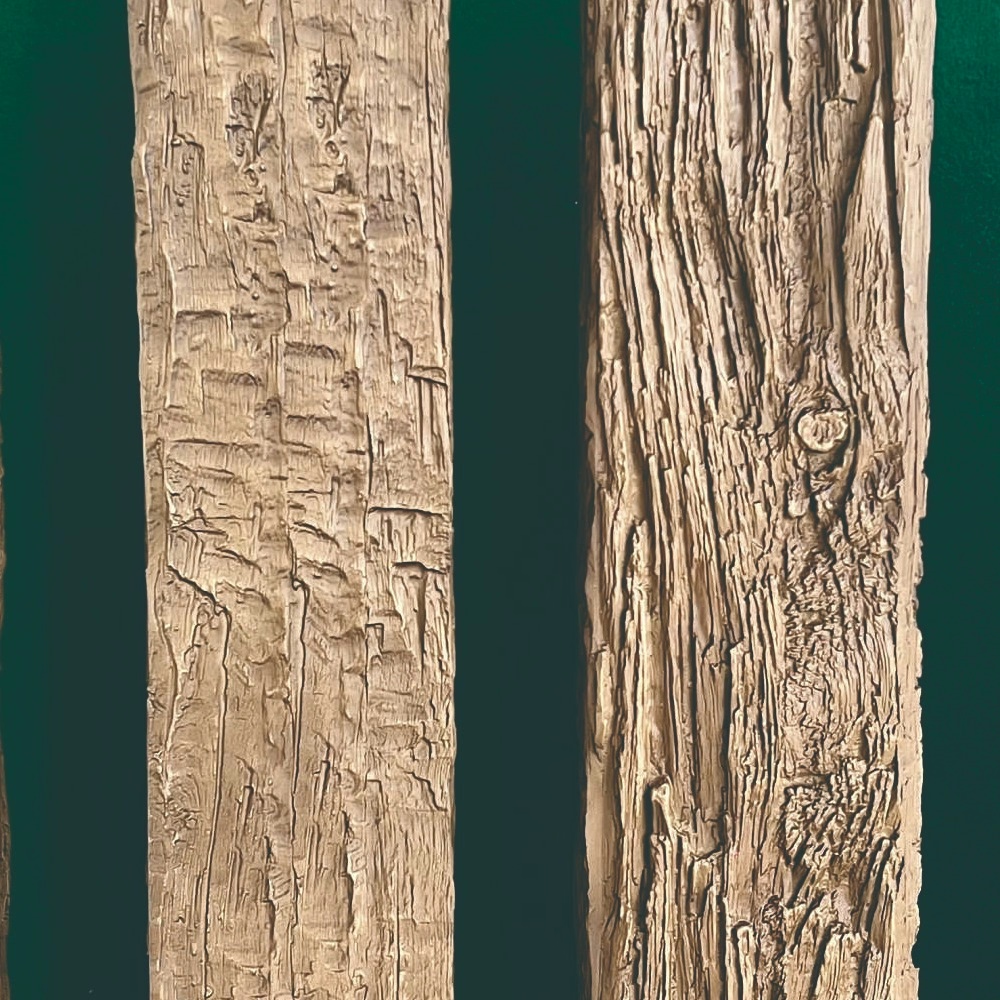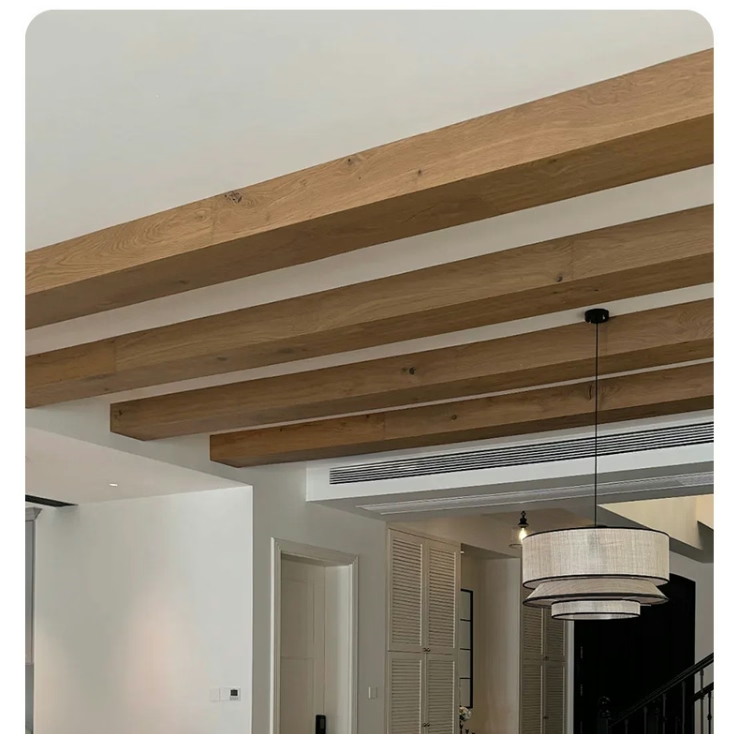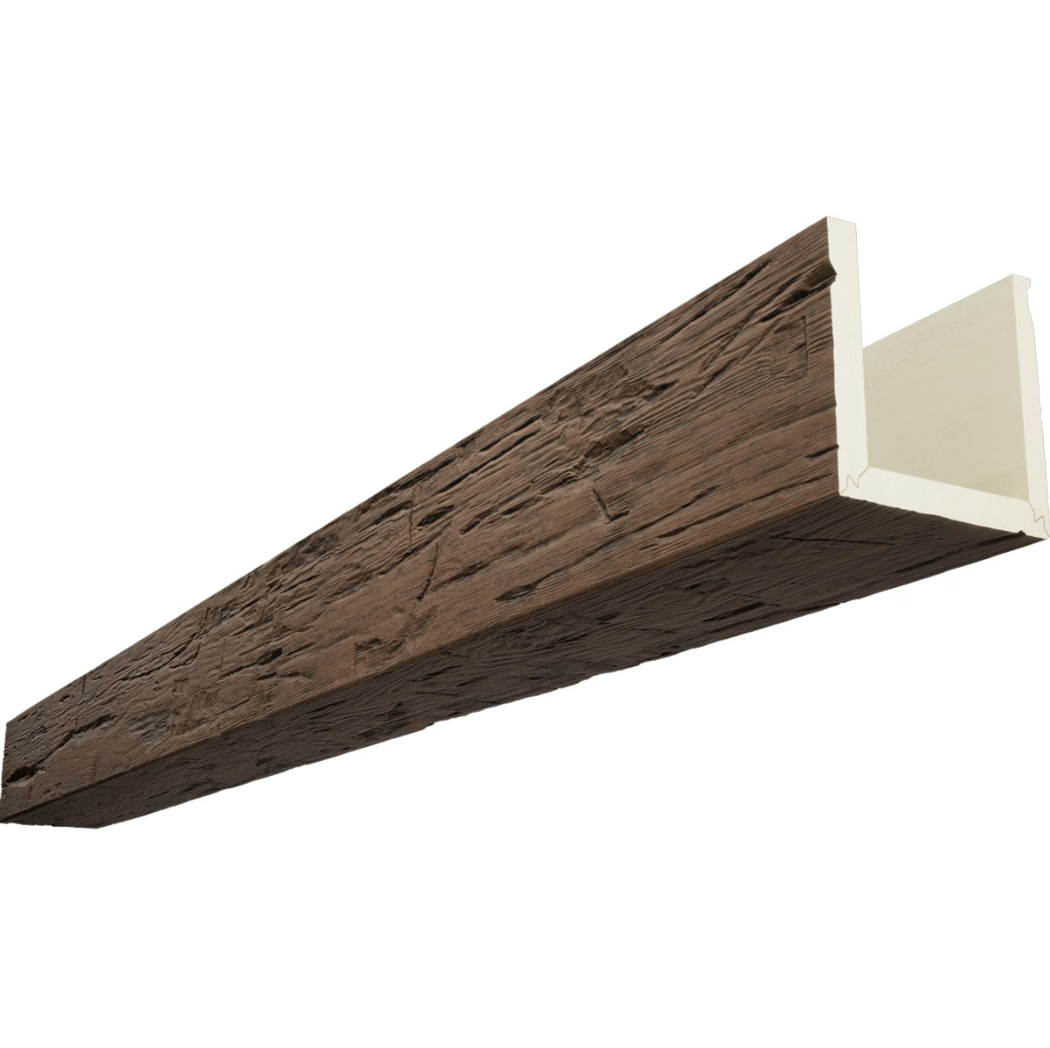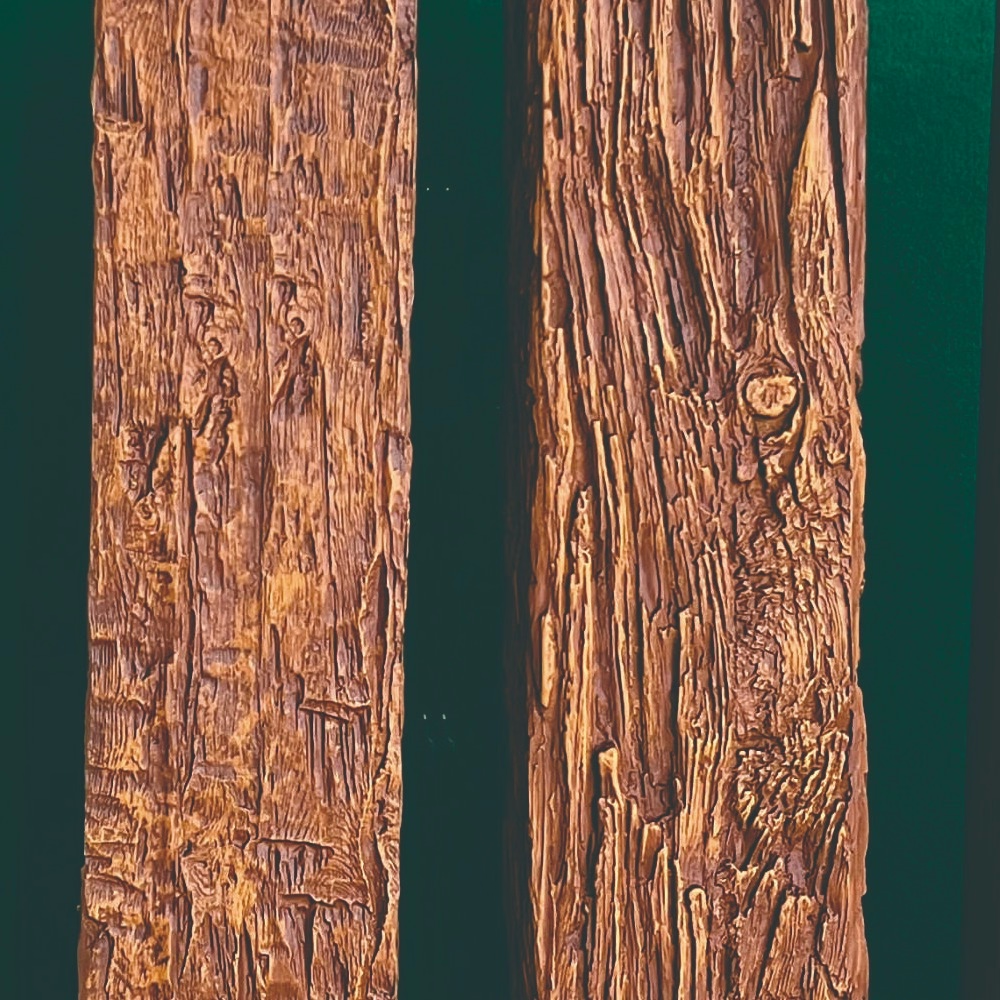
The resort property needed to extend its dining season by enclosing a previously uncovered terrace with a roof structure that maintained the open, natural aesthetic of its beachfront location. The original poolside bar featured genuine timber beams that had deteriorated despite regular maintenance, requiring replacement every four to five years due to rot, splitting, and insect damage. The renovation specified exterior-grade polyurethane beams with full UV stabilization and moisture resistance, achieving the same aesthetic while eliminating the maintenance cycle that had frustrated property management for years.
Exterior applications present polyurethane beam specifications with unique challenges that differ fundamentally from interior applications. Weather exposure, UV radiation, temperature extremes, and moisture variation demand enhanced material formulations and careful installation detailing that ensure long-term performance in demanding outdoor environments.
UV Resistance Requirements for Exterior Applications
Ultraviolet radiation represents the primary degradation mechanism for polyurethane materials in exterior applications. Extended UV exposure causes surface chalking, color fading, and gradual loss of surface integrity that compromises both appearance and structural performance. Exterior-grade formulations must include effective UV inhibitors that absorb or block UV radiation before it damages the underlying polymer structure.
Accelerated weathering testing according to ASTM G154 or similar standards simulates years of natural UV exposure in compressed timeframes. Products qualified for exterior applications should demonstrate minimal color change and surface degradation after 2000 to 5000 hours of accelerated testing, depending on expected service life requirements. Testing reports should document color change measurements using colorimetric methods that provide objective performance verification.
HALS (hindered amine light stabilizers) represent the most effective UV stabilization technology for polyurethane formulations. These additives work by scavenging free radicals generated by UV exposure before they can propagate degradation reactions through the polymer matrix. Products with HALS technology typically demonstrate superior long-term performance compared to formulations relying on UV absorbers alone.
Moisture and Weather Resistance
Exterior installations experience moisture exposure from rain, snow, humidity, and irrigation systems that would damage many materials. Polyurethane's inherent moisture resistance provides significant advantages over wood alternatives, but exterior-grade specifications should verify performance under extended wet conditions.
Freeze-thaw resistance testing evaluates how materials perform when water penetrates surface cracks or joints and freezes. Ice formation creates internal pressure that damages materials with internal voids or moisture-absorbing properties. Dense polyurethane formulations with minimal internal voids should survive repeated freeze-thaw cycles without cracking or delamination.
Salt spray testing simulates coastal exposure conditions where airborne salt accelerates corrosion and degradation. Exterior beams installed within several kilometers of coastlines face particularly aggressive exposure that can degrade materials not formulated for marine environments. Salt spray testing according to ASTM B117 provides performance verification for coastal applications.
Thermal expansion accommodation becomes critical in exterior applications where temperature swings of forty degrees Celsius or more occur between summer and winter conditions. Beam and mounting system designs should incorporate expansion joints that prevent buckling, warping, or connection failures when materials expand and contract with temperature changes.

Structural Considerations for Outdoor Installations
Exterior beams may require higher load capacity than interior equivalents due to wind loading, snow accumulation, or seismic requirements that do not affect enclosed interior spaces. Structural calculations should verify that specified beams and mounting systems provide adequate capacity for anticipated loads including appropriate safety factors.
Wind uplift forces in exterior applications can exceed those experienced in enclosed spaces, particularly for beams supporting overhead structures or installed at roof edges. Mounting specifications should include provisions for wind uplift resistance that prevent beam loss during severe weather events.
Snow loading requirements vary by geographic location, with northern climates requiring designs that support substantial snow accumulation on roof structures. Beam specifications for snow-prone regions should incorporate appropriate safety factors and connection details that prevent failure under maximum expected loads.
Installation Details for Exterior Performance
Proper installation detailing prevents water infiltration that would compromise exterior beam performance. Joints between beams and adjacent structure should incorporate sealants, flashing, or gutter systems that direct water away from beam surfaces and mounting connections.
Ventilation provisions beneath beams support drying of adjacent materials and prevent moisture accumulation that promotes biological growth or corrosion. Exterior beam installations should avoid creating sealed cavities where moisture can accumulate without escape routes.
Drainage slope on exterior beam installations prevents water pooling that accelerates degradation and creates safety concerns. Horizontal beams should include subtle slope toward drainage points, typically two to five percent gradient, that prevents standing water during and after precipitation events.
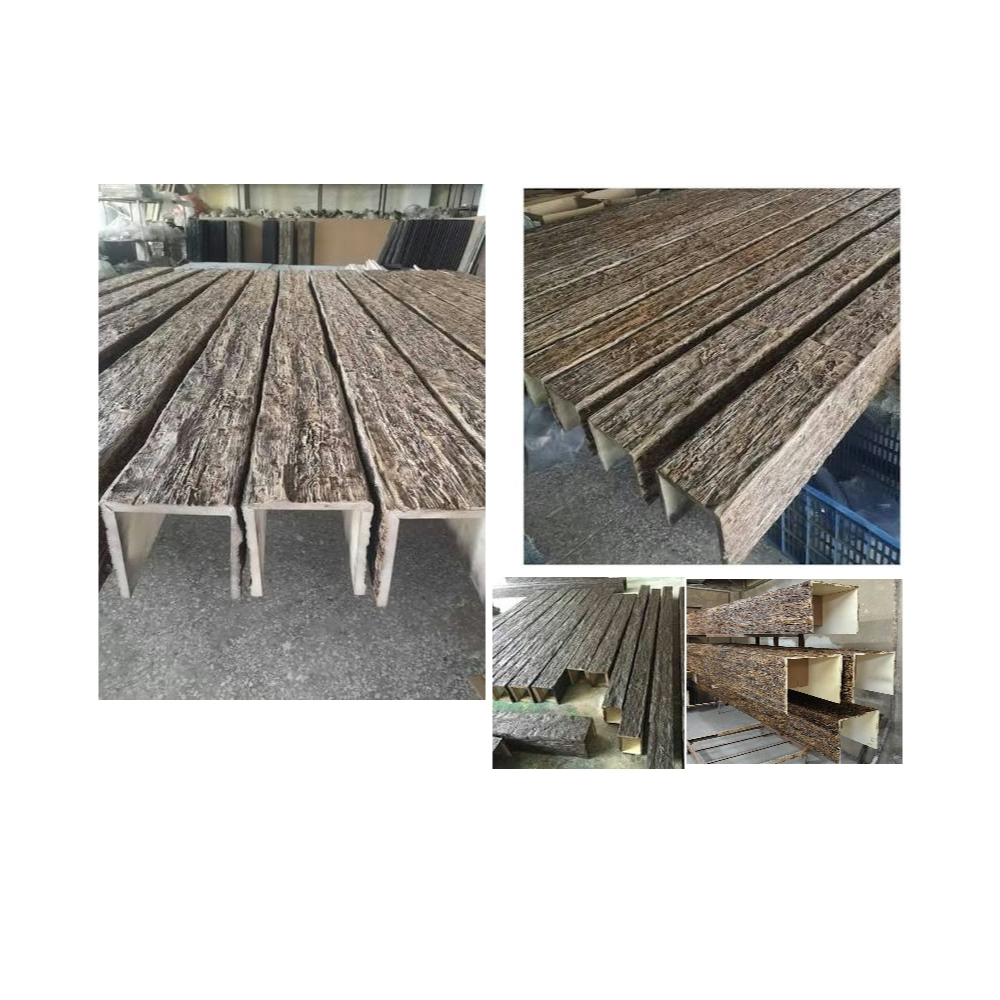
Finish Selection for Exterior Applications
Exterior finish systems must resist UV exposure, moisture penetration, and temperature cycling while maintaining appearance through years of weather exposure. Factory-applied industrial finishes typically outperform site-applied coatings due to controlled application conditions and UV-resistant formulations developed specifically for exterior exposure.
Solid color finishes generally outperform transparent or semi-transparent stains in exterior applications because pigments provide additional UV protection for the underlying substrate. Wood-grain finishes with transparent stains require more frequent maintenance and may show fading or checking before solid color alternatives.
Maintenance requirements for exterior beams should be understood before installation, including cleaning procedures, inspection frequency, and recoating schedules. Establishments that budget for regular maintenance preserve beam appearance longer than those that expect maintenance-free performance, though polyurethane requires substantially less maintenance than wood alternatives.
Application Examples and Specifications
Pool enclosures and patio covers represent common exterior applications where beams create shade and shelter while maintaining open, natural aesthetics. These installations combine substantial UV exposure with chlorine or salt water contact that demands particularly durable specifications.
Pergola structures and trellis systems employ beams as primary structural elements that define outdoor rooms and support climbing plants. Beam specifications for these applications should consider the additional loads that mature plantings impose and provide mounting capacity for vine attachment hardware.
Outdoor bar and restaurant installations extend dining capacity while maintaining the outdoor atmosphere guests appreciate. Beam specifications for these commercial applications should address the intensive use patterns and cleaning requirements that differ from residential outdoor installations.
Technical References
ASTM standards cited in every specification
Test Data
Lab results from internal testing program
Updated 2026
Reviewed against current product specs