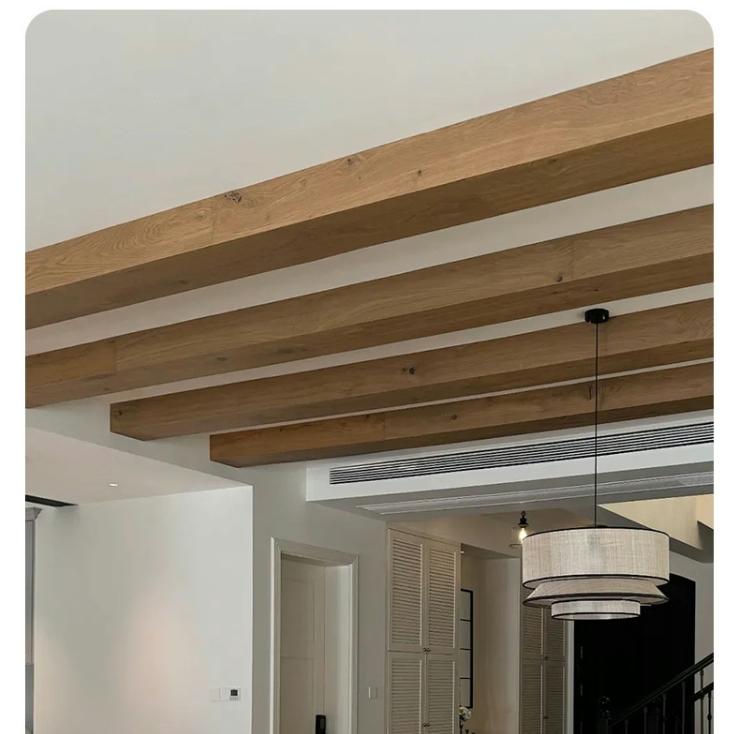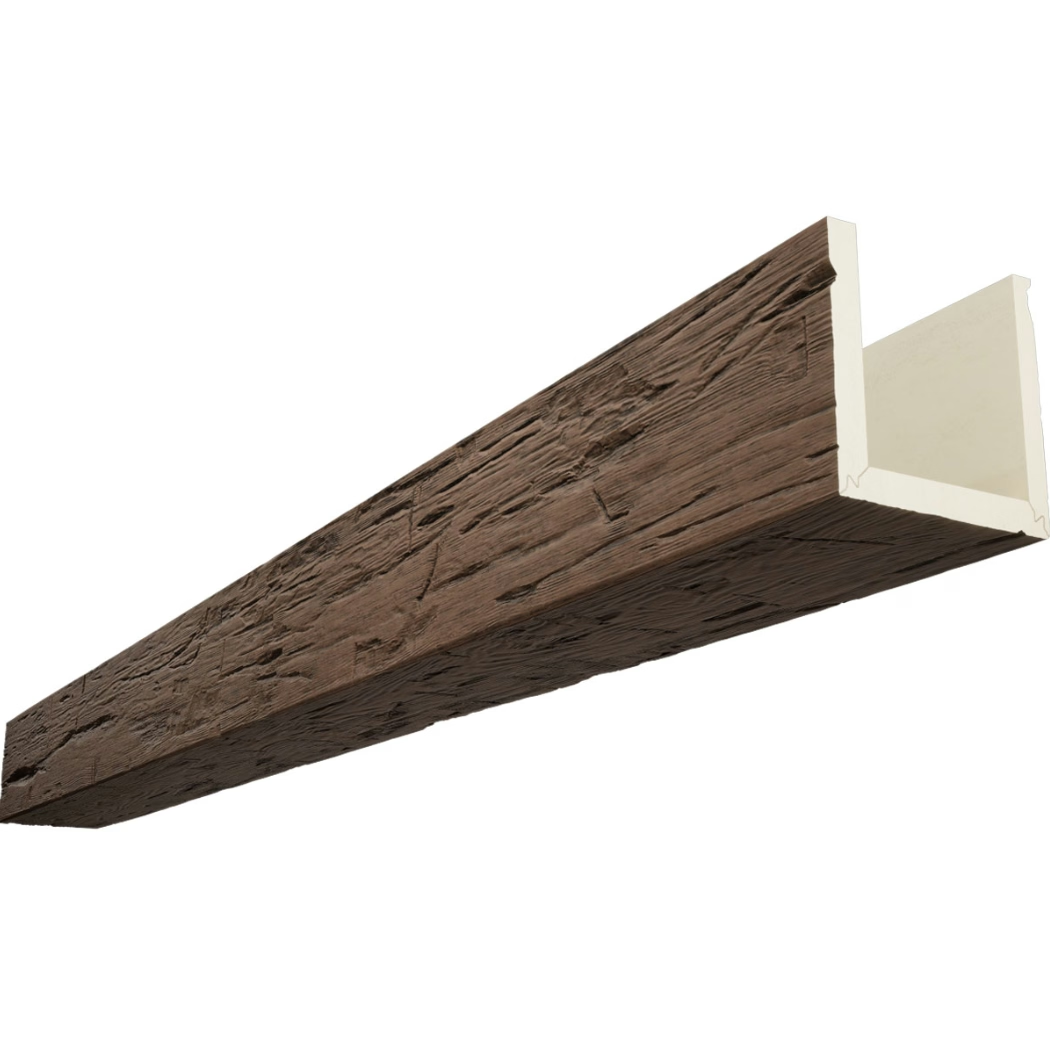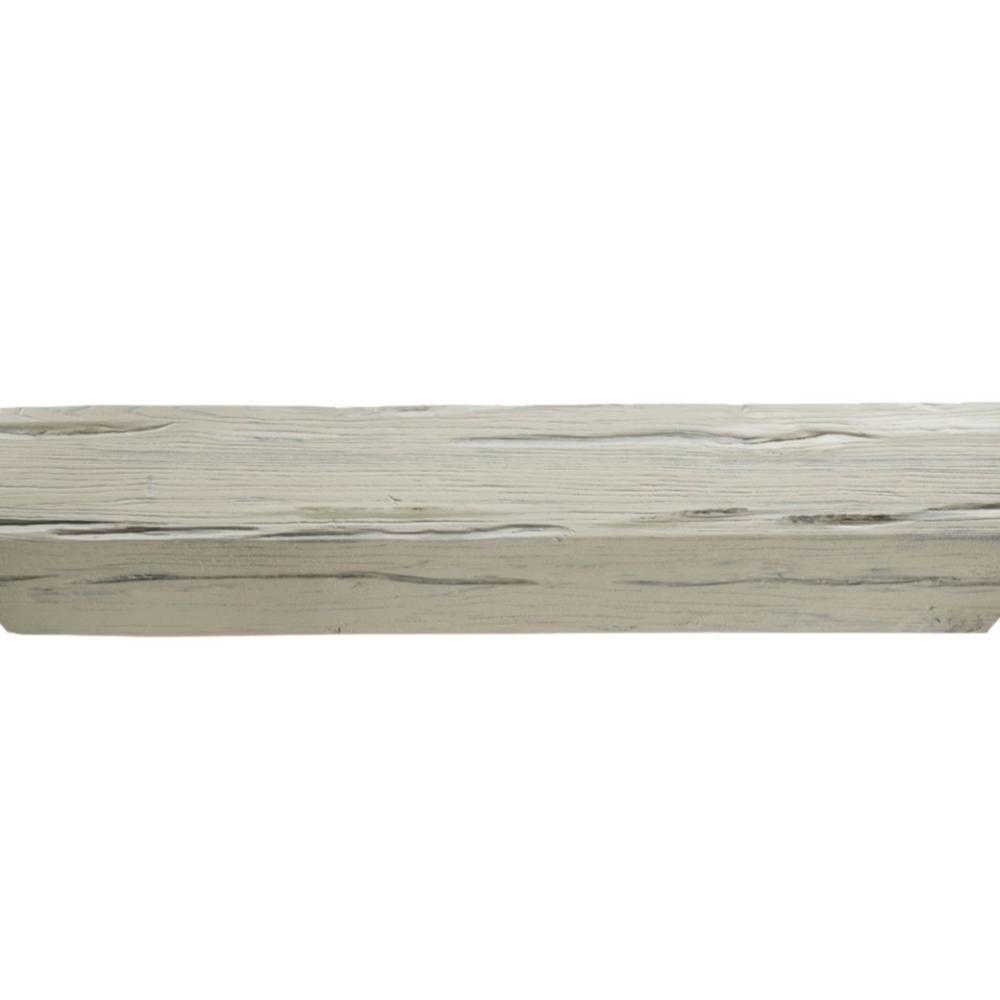
A hotel fit-out contractor working on a 220-room property was three weeks from completion when the ceiling beam supplier delivered products with color mismatch. Half the lobby beams arrived in the specified warm oak tone; the other half in a noticeably cooler shade that would have been visible from the main entrance. The contractor faced either an expensive replacement delay or a finished property with obvious quality issues. The supplier eventually accepted responsibility and expedited replacement, but the incident cost the contractor $80,000 in additional labor, scheduling penalties, and relationship damage with the hotel ownership. Commercial grade suppliers who understand fit-out contractor needs prevent these costly mistakes.
Fit-Out Contractor Working Environment
Hotel fit-out contractors operate under conditions that differ from general construction contractors. Understanding these conditions helps suppliers serve fit-out work effectively and helps contractors select suppliers aligned with their specific needs.
Time Pressure and Coordination
Fit-out work typically occurs after structural construction is complete and follows strict schedules tied to hotel opening dates. Every delay in fit-out work directly threatens opening revenue, which often represents millions of dollars per month for new properties. Contractors operate under intense pressure to maintain pace while coordinating with dozens of other trades working in the same spaces.
Beam installations must integrate with electrical, plumbing, HVAC, and other fit-out trades. Coordination challenges arise when ceiling beam work conflicts with lighting installation, sprinkler system placement, or HVAC duct routing. Suppliers who understand these coordination challenges can provide installation guidance that minimizes conflicts.
Quality Visibility Standards
Hotel fit-out work is performed to quality standards that exceed many other construction contexts. Guests will see finished surfaces in detail, lighting conditions will highlight any imperfections, and photography for marketing materials will preserve any quality issues for years. Contractors must deliver work that meets these elevated expectations across all visible elements.
Beam installations occupy prominent positions in most hotel interiors—they appear in lobby photography, guestroom marketing materials, and social media posts. Quality standards for these elements must reflect the visibility they receive. Suppliers serving hotel fit-out work must understand and support these elevated expectations.
FF&E Compliance Requirements
Hotel fit-out work typically operates under FF&E procurement frameworks that require approved products and documented compliance. Contractors must work with suppliers whose products have completed necessary approval processes. Working with unapproved suppliers creates complications during procurement review and may delay property opening.
The FF&E approval process varies by hotel brand but typically requires documentation of product specifications, testing results, and supplier credentials. Contractors benefit from suppliers who maintain FF&E approval for major hotel brands and can provide the documentation needed for project compliance.
Product Requirements for Hotel Fit-Out
Hotel fit-out applications have specific product requirements that go beyond general commercial grade specifications. Understanding these requirements helps contractors select appropriate products and helps suppliers develop offerings that serve this market effectively.
Dimensional Consistency
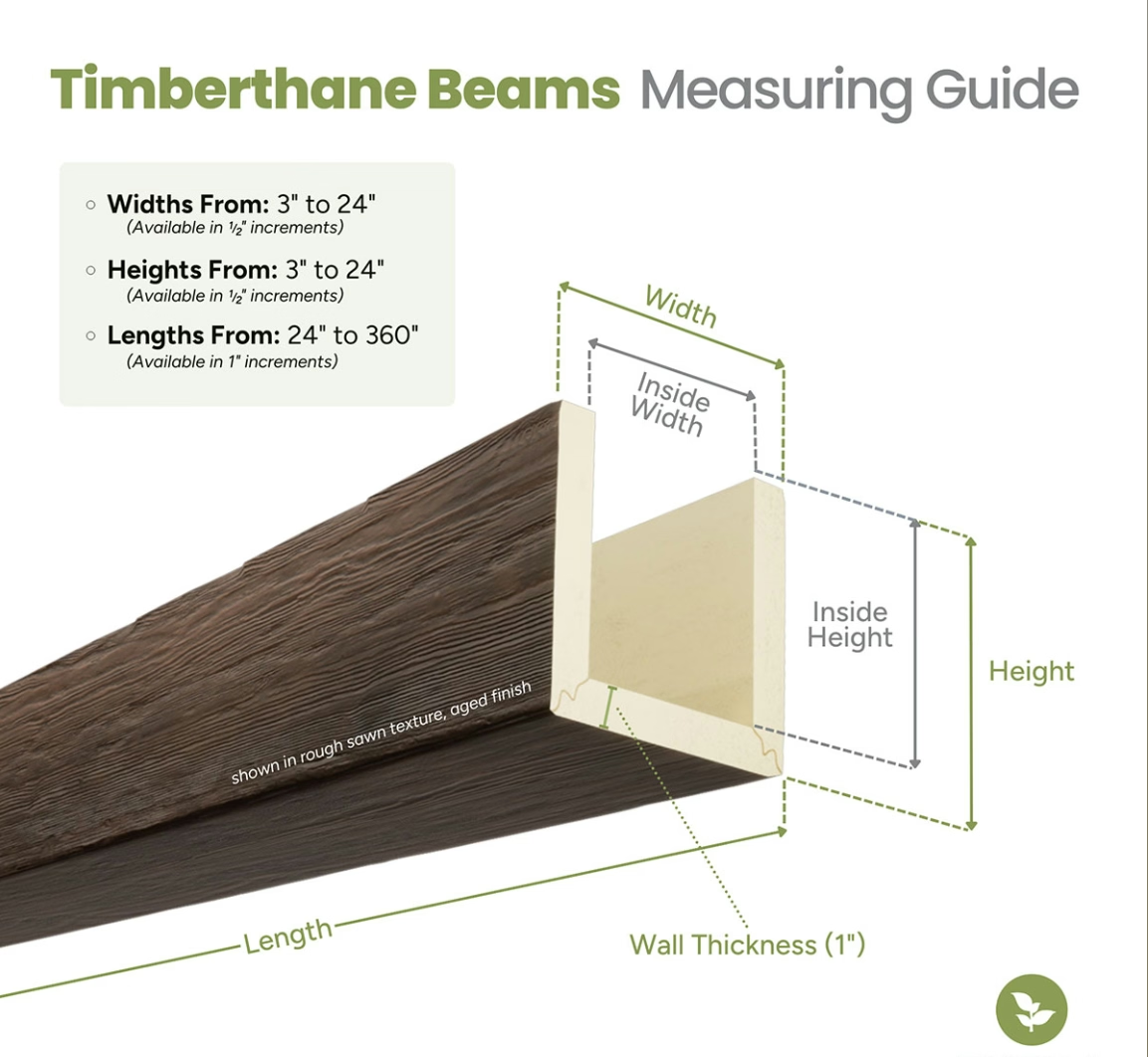
Hotel fit-out projects typically specify exact beam dimensions that must match throughout the property. Variations between supposedly identical beams create visible inconsistencies that affect the finished appearance. Quality manufacturers maintain tight dimensional tolerances that contractors can rely on across entire properties.
Dimensional consistency matters particularly for repetitive installations—corridor beam runs, guestroom decorative features, and large uniform spaces. Beams that appear slightly different across these applications undermine the visual consistency that hotel brands require. Contractors should verify manufacturer tolerance specifications before committing to products.
Color Uniformity
Beyond color matching between batches, hotel fit-out applications require color uniformity within individual beams and across complete installations. Variations within a single beam create visual bands or gradients that appear as defects under typical hotel lighting. Color uniformity across complete installations ensures that the property presents consistent appearance regardless of where guests view the beams.
Quality manufacturers maintain color control through pigment management, production monitoring, and batch testing. Contractors should request information about color control processes before selecting suppliers. Reputable suppliers provide this information willingly and can demonstrate color consistency through production samples.
Surface Finish Quality
Surface finish affects both appearance and cleanability in hotel environments. Beams with rough or inconsistent surfaces collect dust differently, creating maintenance challenges and visible appearance variations. Hotel applications require smooth, sealed finishes appropriate for high-traffic commercial environments.
Finish quality also affects the way beams interact with lighting. Smooth finishes create consistent appearance across varied lighting conditions; rough finishes create shadows and highlights that change appearance as lighting conditions vary. Hotel fit-out work typically requires the smooth, consistent finishes that quality faux timber beams provide.
Installation Efficiency for Contractor Economics
Contractor economics depend heavily on installation efficiency. Products that install quickly and reliably improve project profitability while reducing risk of costly delays or quality issues. Commercial grade suppliers serving fit-out work understand these economic realities and design their products accordingly.
Lightweight Handling Characteristics
Faux timber beams offer significant weight advantages compared to natural wood alternatives. The lightweight nature simplifies handling, reduces installation labor, and minimizes the structural support requirements that heavier materials impose. Contractors can install more linear feet per worker per day with faux timber than with equivalent-looking natural materials.
The weight advantage compounds across large installations. A hotel property with thousands of linear feet of beam installation saves substantially on labor and equipment costs when using lightweight faux timber rather than natural alternatives. These savings often offset any material cost premium that faux timber may carry.
Pre-Finished Surfaces
Quality faux timber beams arrive at the job site with finished surfaces that require no additional treatment. Natural wood alternatives require staining, sealing, and often multiple coats of protective finish applied on-site. These finishing steps add labor, create scheduling dependencies on weather and drying conditions, and introduce quality variability that factory finishing eliminates.
Pre-finished surfaces also reduce the dust and odor associated with finishing work. Hotel fit-out work often occurs in occupied buildings or in properties approaching opening date when finishing odors or dust would create problems. Factory-finished faux timber beams minimize these concerns.
Predictable Installation Methods
Quality faux timber beams install using standardized methods that contractors can train crews on efficiently. Mounting systems, fastener selection, and joining techniques follow manufacturer guidelines that experienced installers learn quickly. This predictability supports efficient crew utilization and reduces installation variability across different project teams.
Predictable installation also supports accurate estimating. Contractors can develop reliable productivity estimates based on manufacturer-recommended installation methods, supporting accurate bidding and project scheduling. This estimation reliability improves project profitability by reducing the uncertainty that variable installation methods create.
Supplier Relationships for Fit-Out Contractors
Fit-out contractors benefit from supplier relationships that extend beyond transactional product sales. Quality suppliers become partners in contractor success, providing support through technical expertise, problem-solving assistance, and consistent product supply. Understanding what makes these relationships valuable helps contractors select and develop them appropriately.
Technical Assistance Access
Technical assistance from suppliers helps contractors address installation challenges that arise in fit-out work. Lighting integration questions, structural mounting decisions, and coordination with other trades all benefit from supplier expertise. Quality suppliers provide this assistance through technical support staff, installation guides, and on-site consultation when projects warrant it.
Technical assistance also helps contractors optimize installation methods for particular project conditions. Suppliers familiar with hotel fit-out work can suggest approaches that improve efficiency while maintaining quality. This consultation adds to the value that supplier relationships provide beyond product sales.
Reliable Delivery Performance
Fit-out work depends on reliable delivery schedules. Late deliveries disrupt construction sequences, creating cascading delays that affect multiple trades. Quality suppliers understand these dependencies and provide delivery reliability that contractors can build schedules around. This reliability becomes more valuable as project timelines tighten.
Reliable delivery also includes accurate order fulfillment. Receiving the right products in the right quantities at the right time supports efficient installation. Suppliers who consistently meet these accuracy expectations become preferred partners for fit-out work.
Problem Resolution Capability
When problems occur, suppliers must be able to resolve them quickly. Missing components, damaged products, or specification discrepancies all create urgent needs for resolution. Quality suppliers respond rapidly to these situations with appropriate corrective actions—whether replacement products, expedited shipping, or technical guidance for acceptable alternatives.
Problem resolution capability reveals the depth of supplier commitment to fit-out contractor success. Suppliers who resolve problems efficiently preserve contractor schedules and relationships with their clients. Suppliers who respond slowly or inadequately damage contractor relationships and create lasting negative impressions.

Coordination with Other Trades
Hotel fit-out involves coordination across multiple trades that share space and schedule. Beam work must integrate with electrical rough-in, plumbing installation, HVAC ductwork, fire protection systems, and other elements. Successful coordination requires understanding these interactions and planning accordingly.
Electrical Integration
Beam installations often include electrical integration for lighting, audio systems, or security equipment. Coordination with electrical contractors must address junction box locations, conduit routing, and fixture mounting points before beam installation begins. Quality suppliers provide guidance on electrical integration that supports effective coordination.
Electrical coordination includes provisions for future service access. Some installations require junction box access within or behind beams; others accommodate all electrical connections within accessible ceiling spaces above beams. Specification decisions about these details should occur during design phases to avoid installation conflicts.
HVAC Considerations
HVAC ductwork often occupies ceiling spaces that beam installations must accommodate. Coordination with HVAC contractors addresses duct routing, register placement, and access requirements. Beam installations that conflict with HVAC requirements create expensive rework or compromise system performance.
Some hotel fit-out projects use beam installations to conceal HVAC elements, creating clean ceiling appearances while maintaining system functionality. These applications require careful coordination during design phases. Suppliers familiar with these applications can provide configuration guidance that supports both aesthetic and functional objectives.
Fire Protection Integration
Sprinkler systems and other fire protection elements must integrate with ceiling beam installations. Coordination addresses sprinkler head placement, clearances required by code, and integration with beam profiles that may affect spray patterns. Suppliers familiar with fire protection requirements can provide installation guidance that supports code compliance.
Some beam installations include accommodations for fire protection elements—recessed sprinkler heads, concealed detection equipment, or integrated notification devices. These accommodations require coordination during design and execution. Quality suppliers support these integrations through appropriate product configurations or custom modifications.
Quality Control and Documentation Standards
Hotel fit-out work requires quality control and documentation that supports both project completion and ongoing property operation. Contractors must deliver finished installations that meet specifications while providing documentation that supports warranty claims and future maintenance.
Installation Documentation
Documentation of beam installations supports warranty coverage and future maintenance. Installation records should include product specifications, batch numbers, installation dates, and installer identification. This documentation proves valuable when warranty claims arise or when future renovations require understanding of existing installations.
Photographic documentation during installation supports quality verification and dispute resolution. Quality photos showing mounting methods, junction details, and finished appearance provide reference for future work and demonstrate installation quality to project stakeholders.
Quality Inspection Procedures
Systematic inspection procedures ensure that beam installations meet specifications before subsequent work covers or conceals installation elements. These inspections should occur at key milestones—after mounting but before finishing, after integration with other systems, and as final acceptance inspections.
Inspection documentation provides records that support project completion verification and dispute resolution if quality issues emerge later. Thorough inspection records demonstrate contractor professionalism and protect against unfounded quality complaints.
Handover to Property Operations
The completion of fit-out work transitions beam installations to property operations. Contractors must provide documentation and training that supports ongoing maintenance and operation. This handover ensures that properties can maintain installation quality throughout their operational lives.
Handover documentation typically includes maintenance procedures, replacement product specifications, and supplier contacts. Training for property maintenance staff ensures that routine care and occasional repairs follow manufacturer recommendations. This handover investment pays dividends through extended installation service life.
Technical References
ASTM standards cited in every specification
Test Data
Lab results from internal testing program
Updated 2026
Reviewed against current product specs