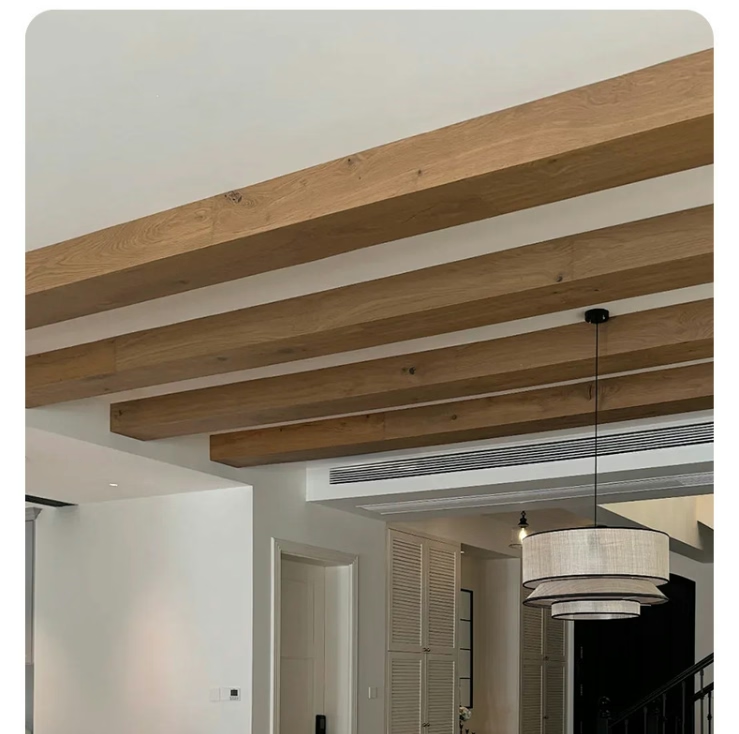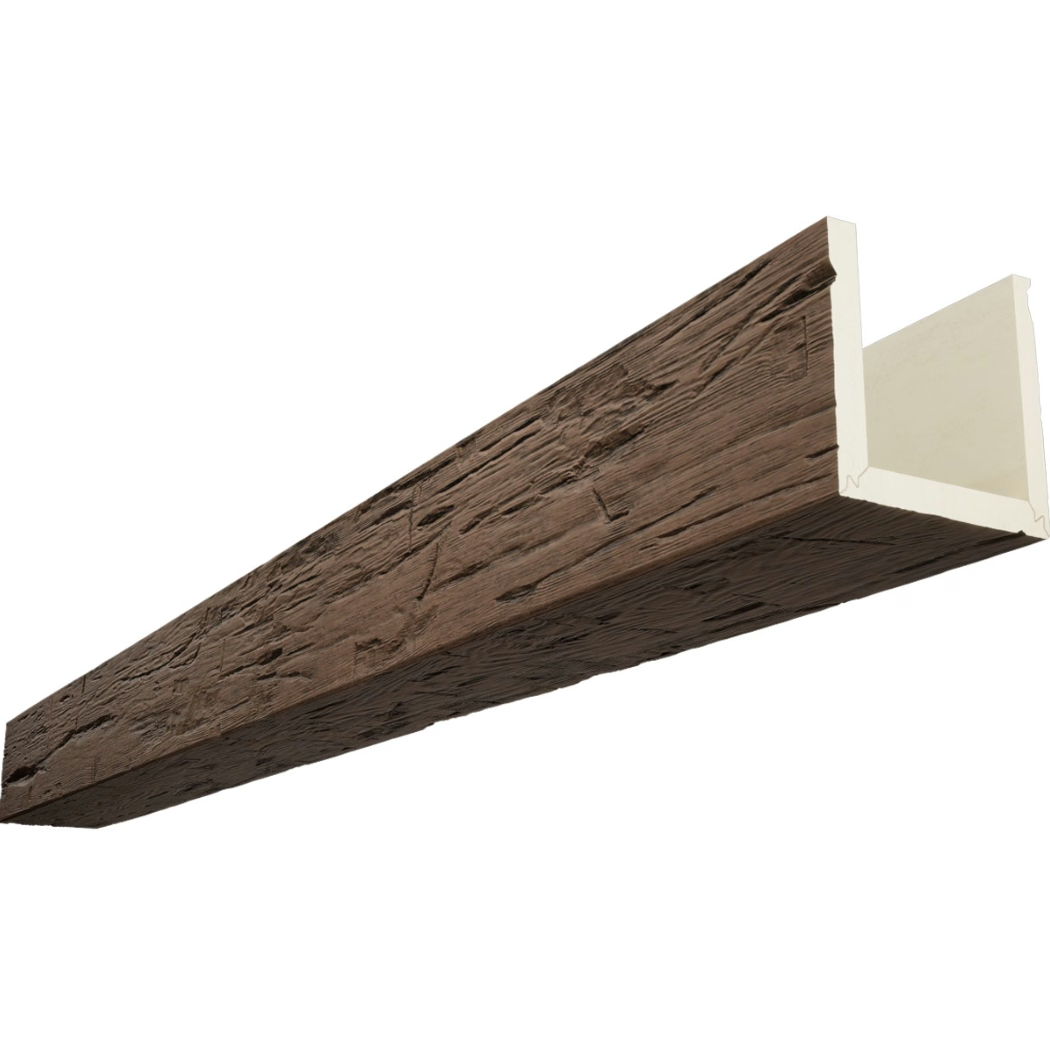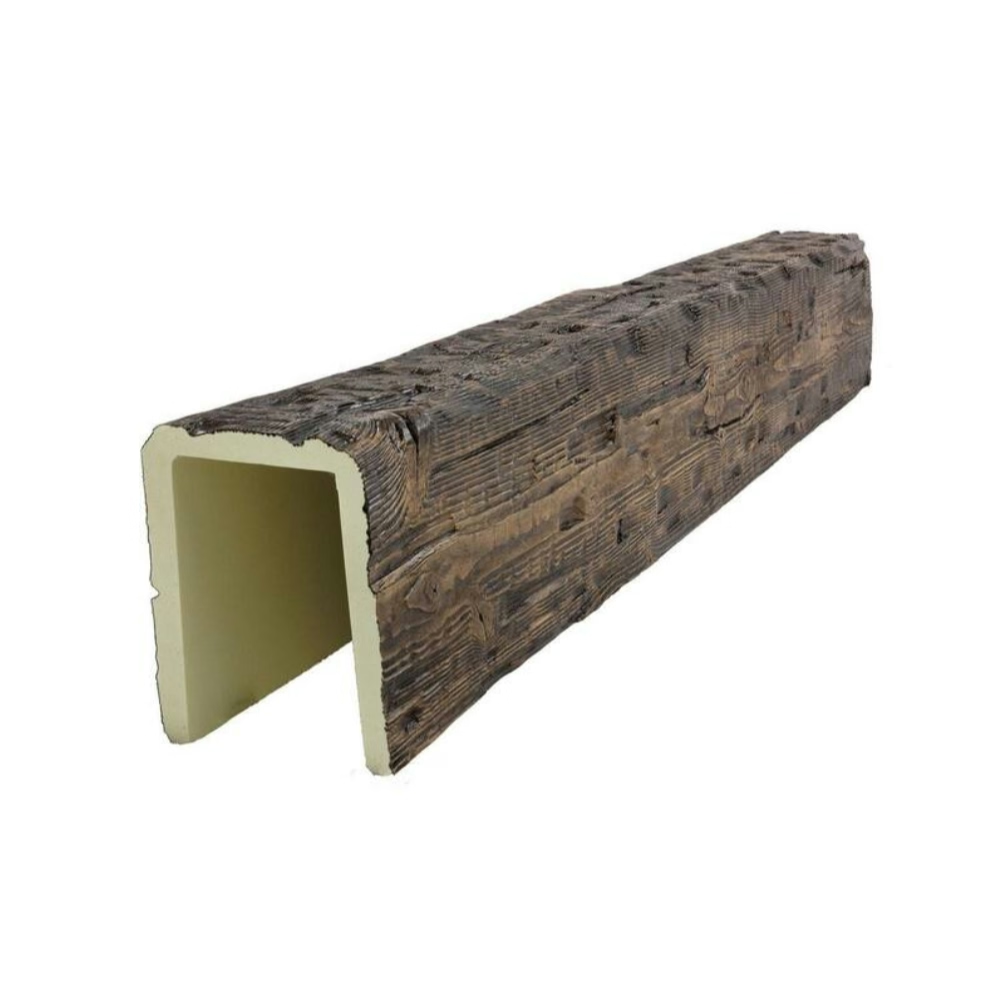
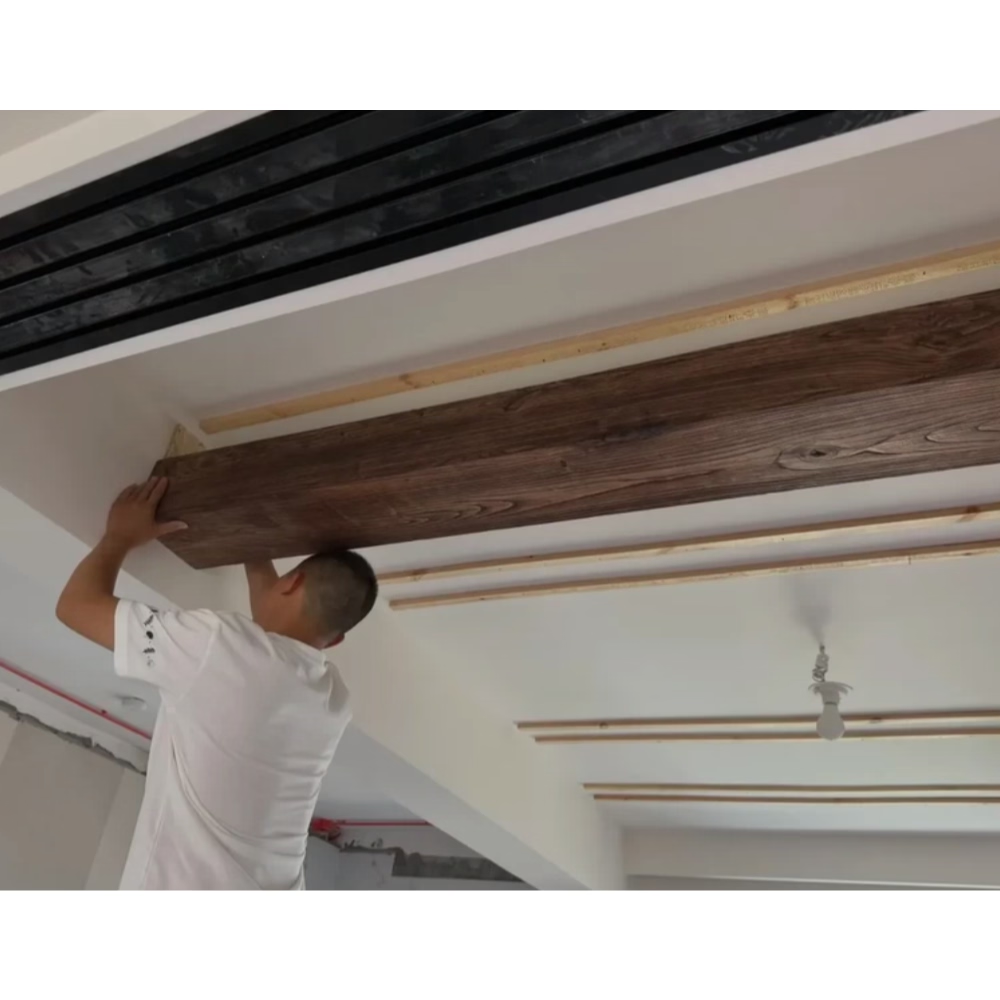
A municipal library renovation called for exposed timber beams in the main reading room and lobby. The architect specified reclaimed wood for authenticity, but building officials raised concerns about fire safety compliance, pest treatment documentation, and structural predictability of unknown historical material. The project team pivoted to commercial grade polyurethane faux beams that provided the same aesthetic character while meeting every code requirement with comprehensive documentation. The library opened on schedule with a warm, dignified interior that welcomed patrons while satisfying every regulatory requirement. Public building projects succeed when specifications balance aesthetic vision with the rigorous demands of institutional procurement and code compliance.
Public Building Fit-Out Context
Public building projects operate under procurement rules and regulatory requirements that differ significantly from private sector construction. Understanding these contexts helps suppliers and contractors serve this market effectively.
Procurement Framework Requirements
Public sector construction typically follows procurement frameworks that require competitive bidding, transparent selection criteria, and documented compliance with applicable standards. These frameworks benefit projects through fairness and accountability but create specific requirements that suppliers must understand.
Procurement rules often specify material qualification requirements that suppliers must meet before their products can be specified. These requirements may include pre-qualification submissions, documented manufacturing standards, and reference installations. Suppliers serving public building markets invest in maintaining these qualifications across the jurisdictions where they operate.
Documentation requirements for public procurement exceed those for many private projects. Material specifications, testing certifications, and manufacturing standards must be documented in formats that support procurement review. Quality suppliers provide this documentation readily and organize it for efficient procurement evaluation.
Code Compliance Stringency
Public buildings face stringent code compliance requirements reflecting the public interest in safe, accessible, durable facilities. Building codes for public assembly spaces, educational facilities, and government buildings often exceed requirements for comparable private sector construction.
Fire safety requirements represent one of the most significant code compliance areas for public buildings. Assembly occupancies, educational facilities, and healthcare environments all face specific fire rating requirements that affect material specifications. Polyurethane faux beam manufacturers serving public building markets typically offer fire-rated products that meet these requirements.
Accessibility requirements extend beyond physical access to include materials that do not create hazards for occupants with various abilities. Surface characteristics, protrusions, and maintenance requirements all affect accessibility compliance. Quality faux beams address these requirements through appropriate product design and installation methods.
Stakeholder Decision-Making
Public building projects involve multiple stakeholders with different priorities. Architects focus on design vision, building officials emphasize code compliance, procurement teams prioritize value and documentation, and end users want functional spaces that serve their needs. Successful specifications address the priorities of all stakeholders.
The diverse stakeholder landscape requires suppliers who can communicate effectively with different audiences. Technical specifications support procurement review, aesthetic presentations address architectural concerns, and installation documentation serves contractor needs. Quality suppliers adapt their communication to serve different stakeholder priorities.
Applications Across Public Building Types
Public buildings encompass diverse facility types, each with specific requirements that beam specifications must address. Understanding these variations helps suppliers provide appropriate products and helps designers develop effective specifications.
Educational Facilities
Schools, universities, and training facilities represent significant market segments for commercial grade faux beams. These facilities balance aesthetic considerations with practical concerns about durability, maintenance, and life safety. Beam installations in educational settings often feature in libraries, dining halls, auditoriums, and main lobbies.
Educational facility specifications typically emphasize durability to withstand intensive use by students and staff. Impact resistance, cleanability, and appearance retention all matter for these high-traffic environments. Polyurethane faux beams offer advantages over natural wood in these demanding applications.
Acoustic considerations matter in educational settings where speech intelligibility and learning environment quality directly affect educational outcomes. Beam installations affect acoustics through surface area, configuration, and material properties. Coordination with acoustic consultants helps optimize installations for educational effectiveness.
Healthcare Environments
Hospitals, clinics, and long-term care facilities require beam installations that support healing environments while meeting stringent infection control and safety requirements. The warm aesthetic of faux timber can humanize clinical spaces without compromising hygiene requirements that organic materials cannot meet.
Healthcare specifications prioritize cleanability and infection control. Smooth, sealed beam surfaces clean easily with standard healthcare protocols. The non-organic nature of polyurethane eliminates concerns about pathogen harborage in beam surfaces that might affect natural wood installations.
Behavioral health facilities present additional considerations related to ligature resistance and impact safety. Beam specifications for these applications must address requirements that may not apply in other healthcare settings. Suppliers familiar with behavioral health requirements can provide appropriate products and installation methods.
Government and Civic Buildings
Courthouses, city halls, and government office buildings require beam installations that convey appropriate dignity and permanence. The aesthetic quality of beam installations in these settings contributes to public perception of government institutions and the services they provide.
Government facility specifications often require materials that demonstrate value and durability over decades of public use. Lifecycle cost considerations support investment in quality products that minimize ongoing maintenance expenses and replacement cycles.
Security considerations may affect beam specifications in certain government facilities. Blast resistance, forced entry resistance, or other security features may be required for facilities facing elevated security risks. Suppliers serving government markets can address these requirements through specialized products or configurations.
Transportation Facilities
Airports, train stations, and bus terminals represent large-scale public facilities with specific beam installation requirements. These facilities face intense passenger traffic, demanding maintenance schedules, and aesthetic goals that create welcoming environments for travelers.
Transportation facility specifications emphasize durability, cleanability, and maintenance access. The millions of annual passengers in major transportation facilities create wear patterns that demand robust materials and finishes. Polyurethane faux beams meet these requirements through their inherent durability and easy maintenance.
Wayfinding integration with beam installations supports passenger navigation in complex transportation facilities. Beams can house signage, lighting, and information displays that serve wayfinding functions while maintaining architectural coherence. Coordination with wayfinding design teams optimizes these integrations.
Specification Development for Public Projects
Specifications for public building beam installations must address both aesthetic objectives and regulatory requirements comprehensively. Effective specification development follows systematic approaches that ensure complete coverage.
Performance-Based Specifications
Public building specifications increasingly use performance-based criteria that define required outcomes rather than prescribing specific products. This approach allows qualified suppliers to offer appropriate products while ensuring specifications address actual performance requirements.
Performance criteria for beam installations typically address appearance characteristics, durability requirements, fire performance, and maintenance expectations. Specifications should quantify each criterion to support objective evaluation of proposed products and installations.
Performance-based specifications benefit projects through competitive supplier engagement while ensuring quality standards. Suppliers can propose innovative products that meet performance criteria, potentially offering better value than products selected based on prescriptive specifications.
Documentation Requirements
Public building specifications must include comprehensive documentation requirements that support procurement review and project verification. Required documentation typically includes:
- Product specifications and technical data sheets
- Testing certifications and laboratory reports
- Material safety data sheets
- Installation guidelines and requirements
- Warranty terms and conditions
- Reference installations and project examples
- Manufacturing quality certifications
Organized documentation supports efficient procurement review and reduces delays that incomplete documentation can cause. Quality suppliers provide documentation packages organized for public sector procurement requirements.
Lifecycle Considerations
Public building projects often require lifecycle cost analysis that compares initial costs with ongoing operational expenses. Polyurethane faux beams offer favorable lifecycle economics through reduced maintenance requirements and extended service life compared to natural alternatives.
Specifications should address lifecycle considerations explicitly when relevant to procurement evaluation. Total cost of ownership calculations that account for maintenance, replacement, and operational impacts help procurement teams evaluate proposals comprehensively.
Installation Coordination in Public Settings
Beam installation in public buildings must coordinate with diverse trades and operational constraints. Understanding these coordination challenges helps contractors execute successful installations.
Occupied Building Considerations
Many public building fit-outs occur in occupied facilities where construction activities must not disrupt ongoing operations. Libraries remain open during renovations, government offices continue serving the public, and schools operate while construction proceeds. Installation methods must accommodate these operational constraints.
Scheduling flexibility, dust control measures, and noise management all matter for occupied building work. Beam installation methods that minimize disruption while maintaining quality serve these projects effectively. Suppliers familiar with occupied renovation work can provide products and guidance that support these requirements.
Security and Access Protocols
Public buildings face security requirements that affect construction activities. Background checks for workers, security clearances for certain facility areas, and material screening protocols all may apply to fit-out projects. Suppliers should understand these requirements and provide products that integrate smoothly with security protocols.
Material deliveries to public buildings often face inspection requirements that add time to logistics. Suppliers experienced with public sector logistics can plan deliveries to accommodate inspection procedures while maintaining construction schedules.
Inspection and Approval Procedures
Public construction projects face inspection and approval procedures that exceed typical private sector requirements. Building officials, fire marshals, accessibility inspectors, and other regulatory authorities may conduct inspections at various project stages.
Installation methods must accommodate these inspection procedures and provide access for inspectors to verify compliance. Documentation prepared during installation supports these inspections and demonstrates compliance with specified requirements.
Quality Assurance and Long-Term Performance
Public building installations must perform over decades of intensive use with predictable maintenance requirements. Quality assurance during construction supports long-term performance.
Commissioning Activities
Some public building projects include formal commissioning processes that verify building systems perform as specified. Beam installations may participate in these processes through verification of installation quality, documentation completeness, and maintenance training delivery.
Commissioning activities provide opportunities to identify and address quality issues before project completion. Thorough commissioning supports long-term performance and reduces warranty claims and operational disruptions.
Maintenance Program Development
Public buildings typically operate under formal maintenance programs that budget for routine care and eventual replacement. Beam installations should be incorporated into these programs with appropriate maintenance schedules and resource allocations.
Maintenance program development includes specification of cleaning procedures, inspection schedules, and replacement part inventories. Documentation supporting these programs should be provided as part of project completion. This documentation supports long-term facility management and protects public investment.
Performance Monitoring
Some public building projects include performance monitoring that tracks how building elements perform over time. Beam installations may be monitored for appearance retention, maintenance requirements, and occupant satisfaction. This monitoring data supports future specification decisions for subsequent projects.
Performance monitoring benefits both the current project and future similar work. Data collected over years of operation helps refine specifications, identify product strengths and limitations, and improve public building outcomes across the construction portfolio. Quality suppliers welcome this monitoring and use data to continuously improve their offerings.
Technical References
ASTM standards cited in every specification
Test Data
Lab results from internal testing program
Updated 2026
Reviewed against current product specs