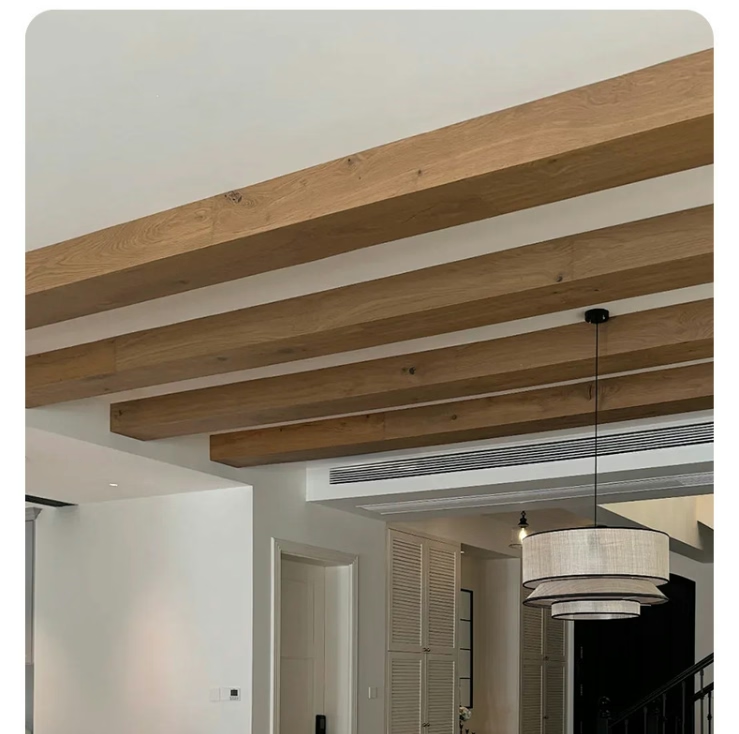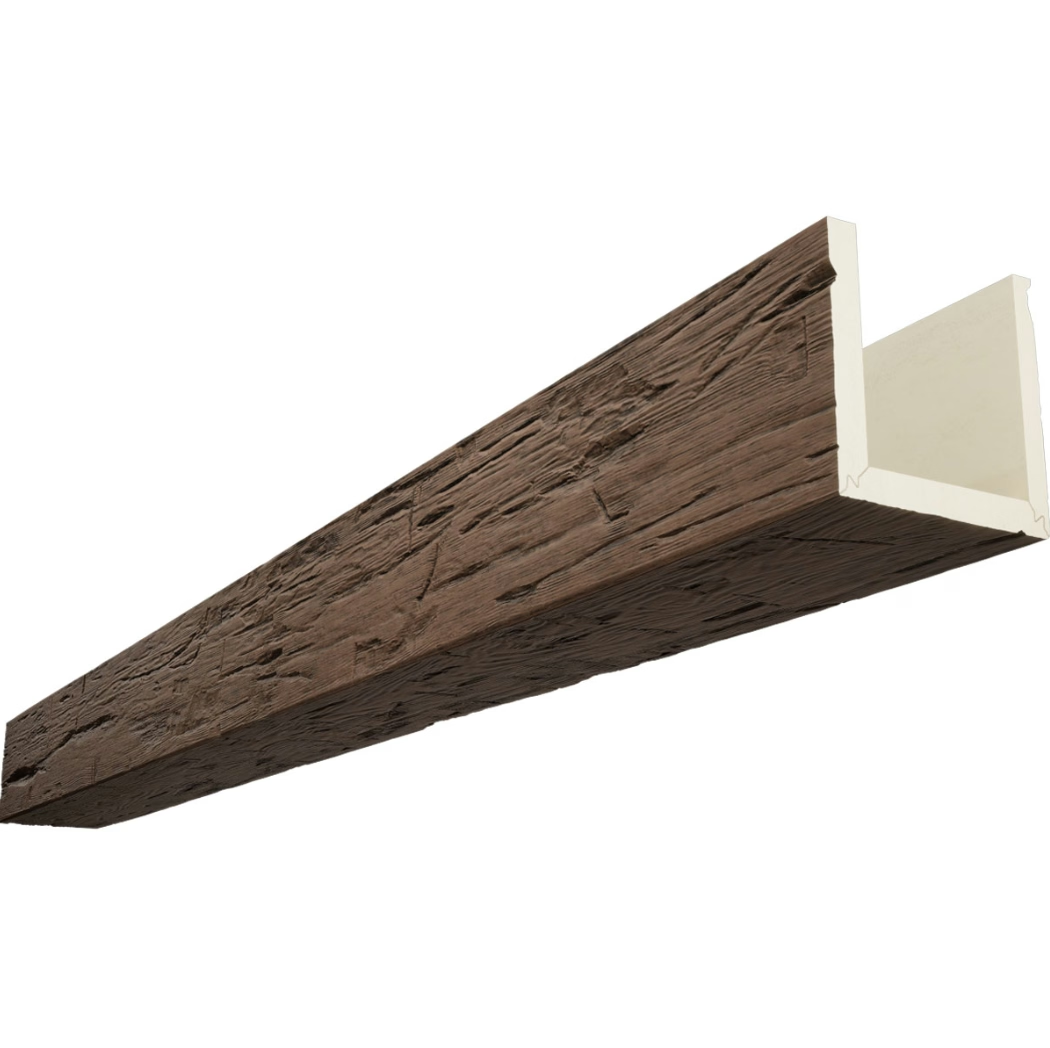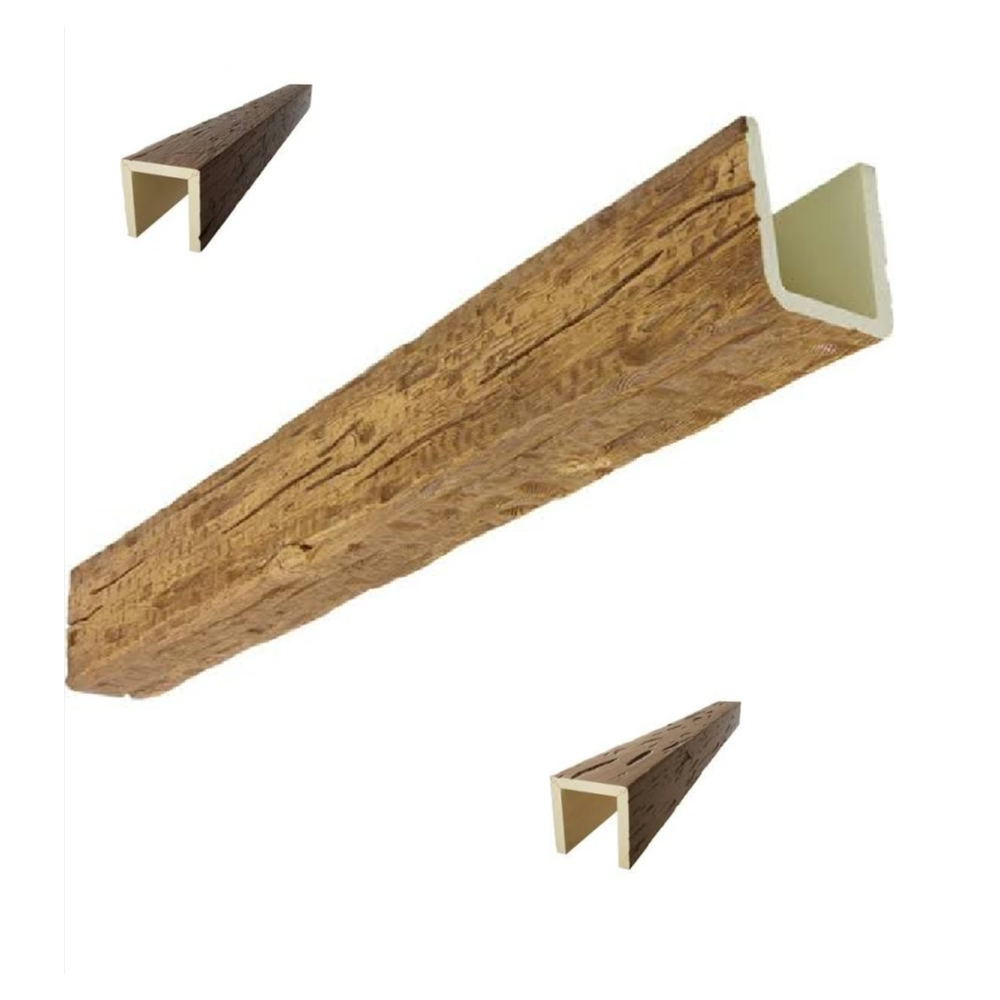
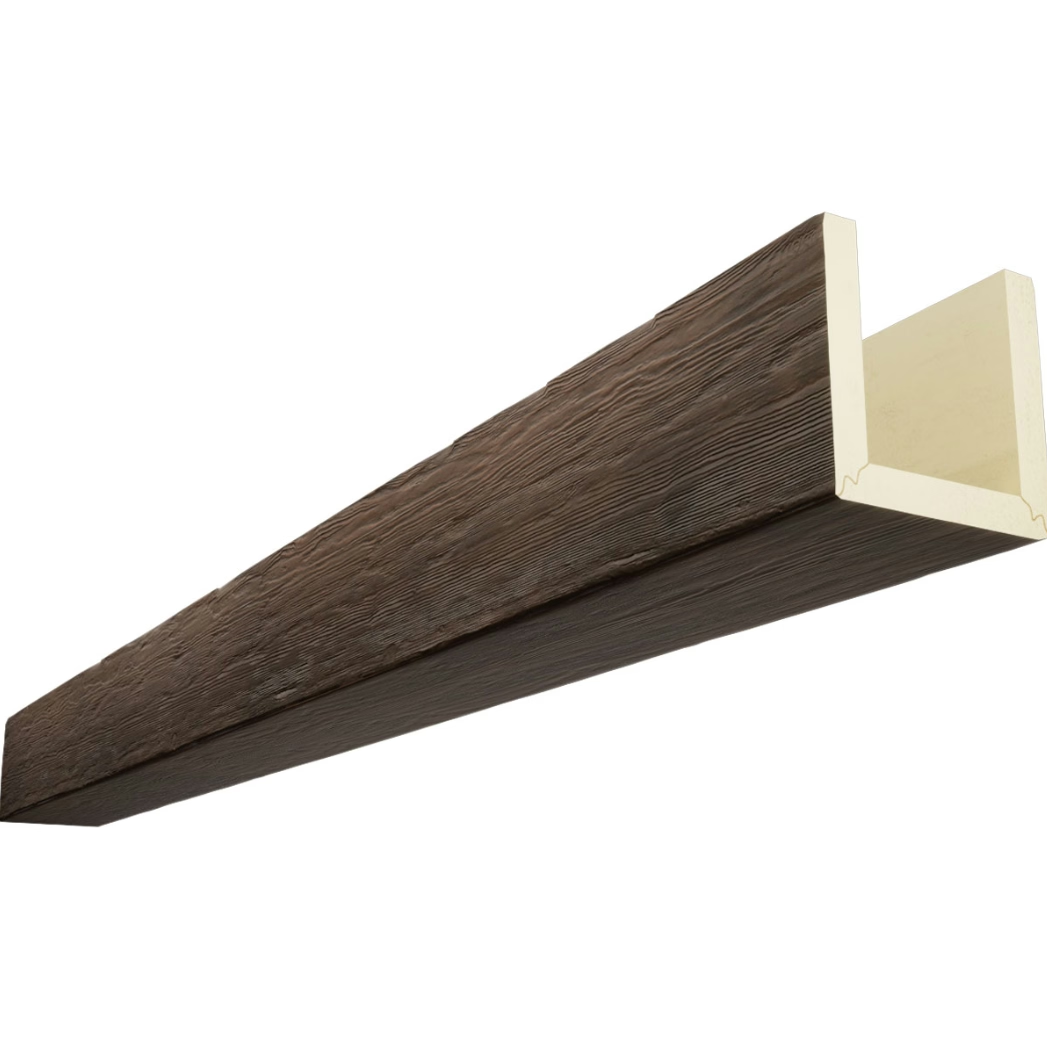
A corporate headquarters renovation specified decorative timber beams throughout its main lobby and adjacent atrium. The original concept used structural timber that would have required expensive structural reinforcement to support the weight. The engineering analysis revealed that the lobby floor structure could not economically support real timber without substantial modification. The design team pivoted to commercial grade polyurethane faux timber beams that delivered the same visual impact while weighing 85 percent less. The building achieved its design vision without structural intervention, and the project completed under budget.
The Role of Decorative Beams in Building Design
Decorative beams serve architectural purposes that extend beyond their visual contribution. Understanding these roles helps designers specify appropriate products and helps building operators appreciate the value quality beams provide.
Visual Weight and Spatial Definition
Beams create visual weight in spaces, establishing hierarchy and defining zones within larger areas. The visual mass of beams anchors ceiling planes, frames views, and draws attention to specific areas. This visual weight function works even when beams are purely decorative—their appearance creates architectural effect regardless of structural function.
Commercial interior design often uses beam installations to solve spatial problems. Long corridors become more interesting when beams break the horizontal monotony. Large open offices gain visual structure when beams define work zones. Retail spaces gain the rustic character that beams provide without requiring the structural commitment real timber demands.
Aesthetic Character and Brand Expression
Beams contribute aesthetic character that shapes how occupants and visitors perceive spaces. The warmth of wood tones, the texture of grain patterns, and the scale of beam profiles all influence spatial perception. These aesthetic contributions affect occupant satisfaction, visitor impressions, and brand perception in commercial settings.
Corporate environments use beam installations to convey values through design. Warm, natural aesthetics suggest approachability and humanity. Clean, contemporary profiles suggest innovation and precision. The architectural language beams provide supports broader design narratives that buildings communicate.
Hospitality environments depend heavily on aesthetic character to create guest experiences. The warmth of timber beams contributes to the welcoming atmosphere that guests remember. Restaurant and hotel designers specify beams specifically to create the character that distinguishes memorable properties from generic spaces.
Acoustic and Lighting Integration
Beyond visual contributions, beam installations interact with the technical systems that buildings require. Acoustic treatment integrated with beams improves sound quality in performance spaces and reduces noise in work environments. Lighting systems mounted to or within beams provide illumination while maintaining aesthetic character.
Integration opportunities expand the value that decorative beams provide. Beams that house LED strips, acoustic panels, or sprinkler heads perform multiple functions while maintaining visual appeal. This integration reduces the visible clutter that separate systems can create.
Applications Across Building Types
Commercial grade decorative beams appear in diverse building types, each with specific requirements that specifications must address. Understanding these applications helps designers select appropriate products.
Corporate and Office Environments
Corporate headquarters, professional offices, and co-working spaces feature beam installations that create visual interest and spatial definition. These applications typically emphasize clean aesthetics, professional appearance, and integration with contemporary office design trends.
Office beam installations often coordinate with open plan configurations, collaborative spaces, and executive areas that require different aesthetic treatments. Specifications may include multiple beam profiles or colors that create visual variety while maintaining overall design coherence.
Meeting room and conference center applications frequently feature beams that define spaces within open office environments. The visual weight of beams creates perceived separation without physical barriers, supporting the flexible space configurations that modern offices require.
Hospitality and Entertainment
Hotels, restaurants, bars, and entertainment venues depend heavily on beam installations to create distinctive environments. The warm character of timber beams contributes to guest experiences that these businesses depend on for success.
Lobby and public space applications feature the most prominent beam installations, often combining multiple beam types, lighting integration, and decorative treatments. These statement installations establish design character that guests associate with the property.
Restaurant applications range from subtle beam accents to dramatic ceiling treatments. Smaller beam profiles may frame dining zones or define bar areas without overwhelming smaller spaces. Larger profiles create the rustic character that steak houses, breweries, and mountain lodges feature.
Retail and Entertainment
Retail environments use beam installations to create brand-appropriate atmospheres and spatial interest. The character beams provide supports merchandise presentation and customer experience goals.
大型 retail spaces benefit from beam installations that break scale and create visual intimacy within large floor plates. Department stores, lifestyle centers, and specialty retailers all use beams to create the distinctive environments that differentiate them from competitors.
Entertainment venues including theaters, casinos, and event spaces feature beam installations that contribute to their unique characters. Theatrical lighting integration, acoustic treatment, and dramatic scale all feature in these applications where beams serve both aesthetic and technical purposes.
Product Selection Criteria
Selecting appropriate decorative beams requires evaluation of multiple criteria that affect both aesthetic outcomes and long-term performance. Understanding these criteria helps ensure successful installations.
Profile and Scale Considerations
Beam profile selection should respond to the architectural scale of the installation context. Large beams in small spaces overwhelm; small beams in large spaces disappear. The relationship between beam size and ceiling height, room dimensions, and adjacent elements determines whether beams enhance or undermine spatial design.
Standard beam profiles offer established proportions that work in common applications. These profiles have developed over time because they work reliably. Custom profiles enable distinctive design expression but may require additional coordination and potential tooling investment.
Scale relationships extend to beam spacing as well as size. Closely spaced beams create different effects than widely spaced beams of the same size. Pattern selection should consider both individual beam appearance and the overall visual effect that beam arrangements create.
Color and Finish Selection
Color selection for decorative beams should coordinate with overall design palettes while providing the warmth that timber aesthetics contribute. Neutral palettes may use lighter wood tones that add warmth without dominating. Rich palettes may feature darker tones that anchor spaces and provide contrast.
Finish selection affects both appearance and maintenance requirements. Matte finishes provide understated elegance; satin finishes add subtle luster; gloss finishes create more dramatic effects. Each finish level interacts differently with lighting conditions and requires different maintenance approaches.
Color consistency matters across large installations. Quality manufacturers maintain tight color control through pigment management and batch testing. Specifications should identify acceptable color variation limits to ensure installations meet expectations.
Mounting System Selection
Mounting systems affect both installation efficiency and long-term performance. Concealed mounting systems create clean appearances without visible hardware. Exposed mounting systems may feature decorative hardware that contributes to overall aesthetic.
Structural requirements influence mounting system selection. Beams must be secured adequately for their size and exposure to contact or movement. Quality manufacturers provide mounting guidance that addresses both aesthetic and structural requirements.
Access considerations should inform mounting system selection for beams that may require maintenance access. Removable mounting options support access to concealed elements while maintaining appearance when in place.
Installation Best Practices
Professional installation ensures that decorative beams deliver their intended aesthetic and perform reliably over time. Understanding best practices helps ensure successful outcomes.
Coordination with Building Systems
Beam installations must coordinate with electrical, mechanical, and structural systems that share ceiling and wall spaces. Coordination during design phases identifies conflicts before they create installation problems.
Electrical integration for lighting, audio, or low-voltage systems should be planned during design phases. Junction box locations, conduit routing, and fixture mounting points all require coordination with beam installation. Late identification of these requirements creates expensive modifications.
Structural mounting must account for beam weight, attachment strength, and building structure. Quality manufacturers provide load calculations and attachment guidance that structural engineers can review and approve. Installation should follow manufacturer guidance exactly to ensure adequate support.
Alignment and Leveling
Professional installations feature beams that align precisely with design intent. Consistent alignment throughout installations demonstrates craftsmanship and contributes to overall quality perception.
Leveling considerations extend beyond the beams themselves to alignment with walls, windows, and other architectural elements. Beams that run parallel to walls should maintain consistent clearance throughout their length. Beams that terminate at walls should align with consistent reveals.
Alignment verification should occur throughout installation, not just at completion. Catching alignment problems early prevents extensive rework and ensures that installations meet quality expectations.
Joint Treatment
Beam joints at corners, intersections, and terminations require careful treatment that maintains appearance while accommodating necessary movement. Quality joint treatment distinguishes professional installations from amateur work.
Mitered joints at corners require precise cutting and alignment. The slightest misalignment becomes visible at these focal points. Field-cut miters rarely match factory-cut quality; pre-finished factory cuts should be used wherever possible.
End treatments at wall intersections should maintain consistent reveals. Standard reveals typically range from 1/4 to 1/2 inch depending on design preference. Consistent reveals throughout installations demonstrate attention to detail.
Maintenance and Care
Commercial grade decorative beams require minimal maintenance but benefit from appropriate care that preserves appearance over time.
Cleaning Protocols
Routine cleaning removes dust and accumulated contamination that affects appearance over time. Cleaning frequency depends on exposure conditions; more contaminated environments require more frequent cleaning.
Standard cleaning uses soft brushes or vacuum attachments to remove loose dust. Damp wiping with mild soap solution addresses bonded contamination. Abrasive cleaners should be avoided as they can scratch surfaces and create differential appearance.
High-touch areas may require more frequent cleaning due to handling contact. Staff training for cleaning crews ensures appropriate methods are used consistently.
Damage Repair
Accidental damage to decorative beams can occur despite care. Quality touch-up products from beam manufacturers enable repair of minor damage that might otherwise require replacement.
Grain filler compounds address voids, scratches, and other surface damage. Color-matched products ensure repairs blend with surrounding surfaces. Professional repair techniques can achieve results indistinguishable from original appearance.
Significant damage may require section replacement rather than repair. Maintaining inventory of common beam profiles enables rapid response to damage requiring replacement.
Long-Term Appearance Retention
Quality commercial grade beams maintain appearance over decades when properly installed and maintained. UV-resistant formulations prevent fading in sun-exposed applications. Impact-resistant densities withstand contact damage. Cleanable surfaces shed contamination.
The combination of quality products, professional installation, and appropriate maintenance creates installations that serve reliably for many years. This long-term performance justifies the investment in commercial grade products.
Technical References
ASTM standards cited in every specification
Test Data
Lab results from internal testing program
Updated 2026
Reviewed against current product specs