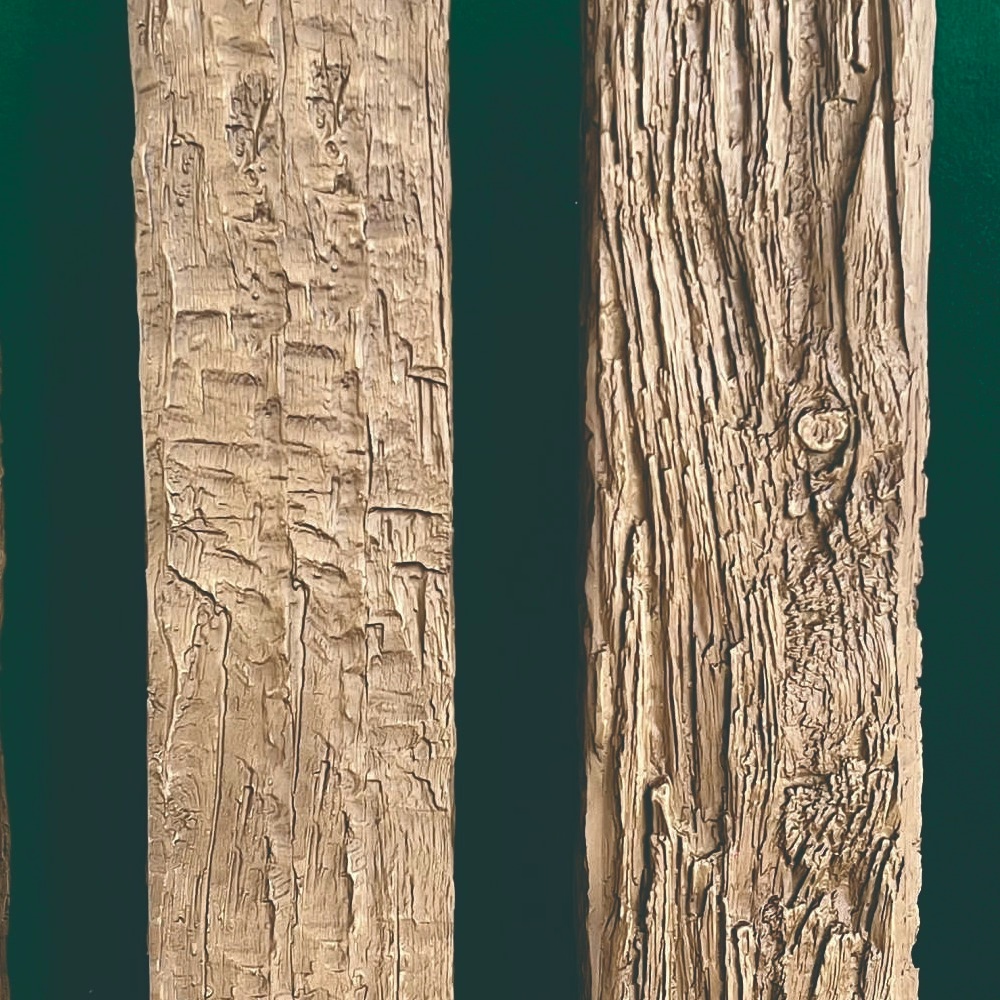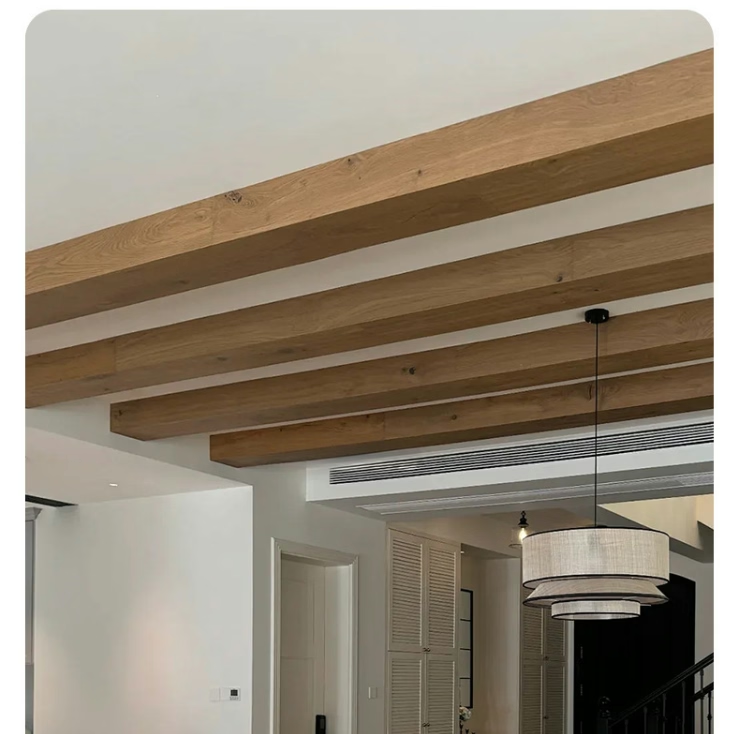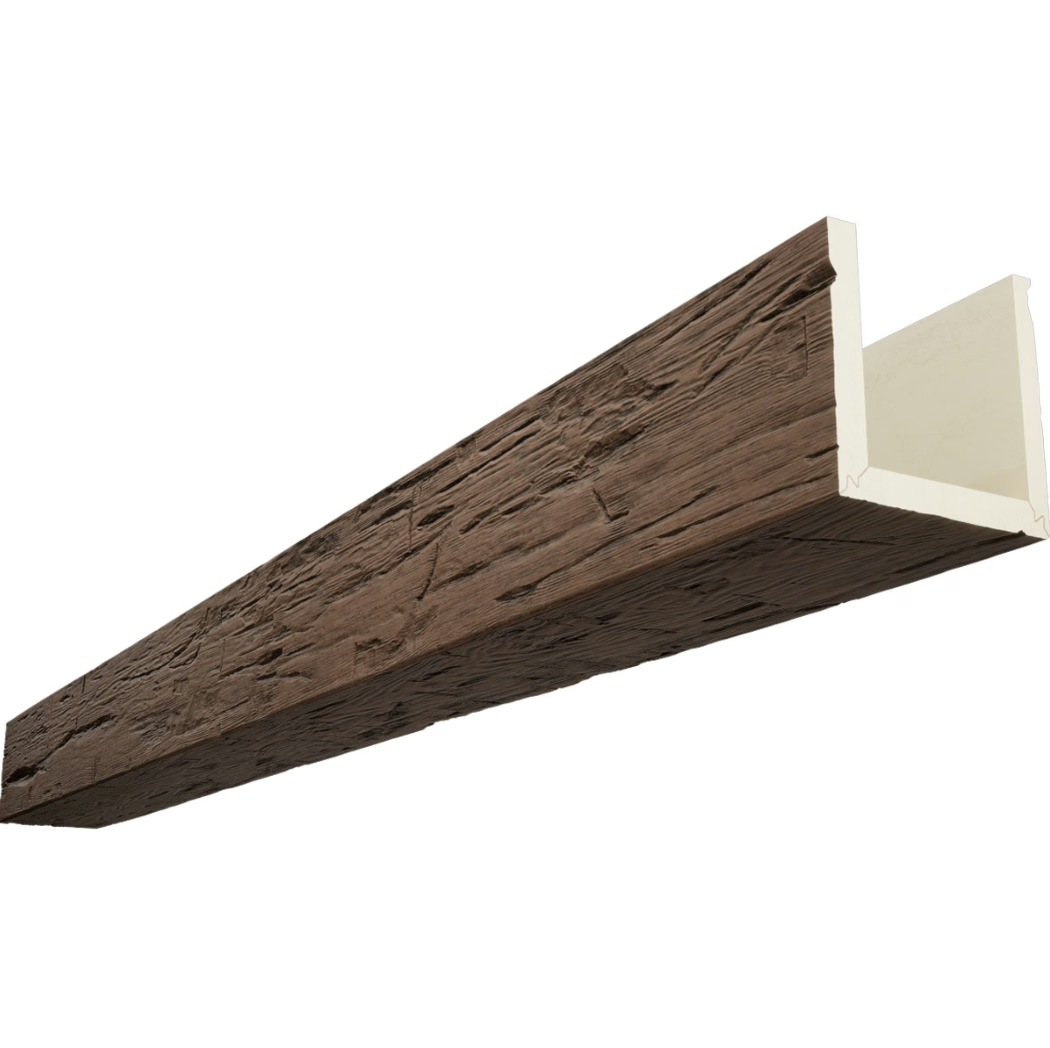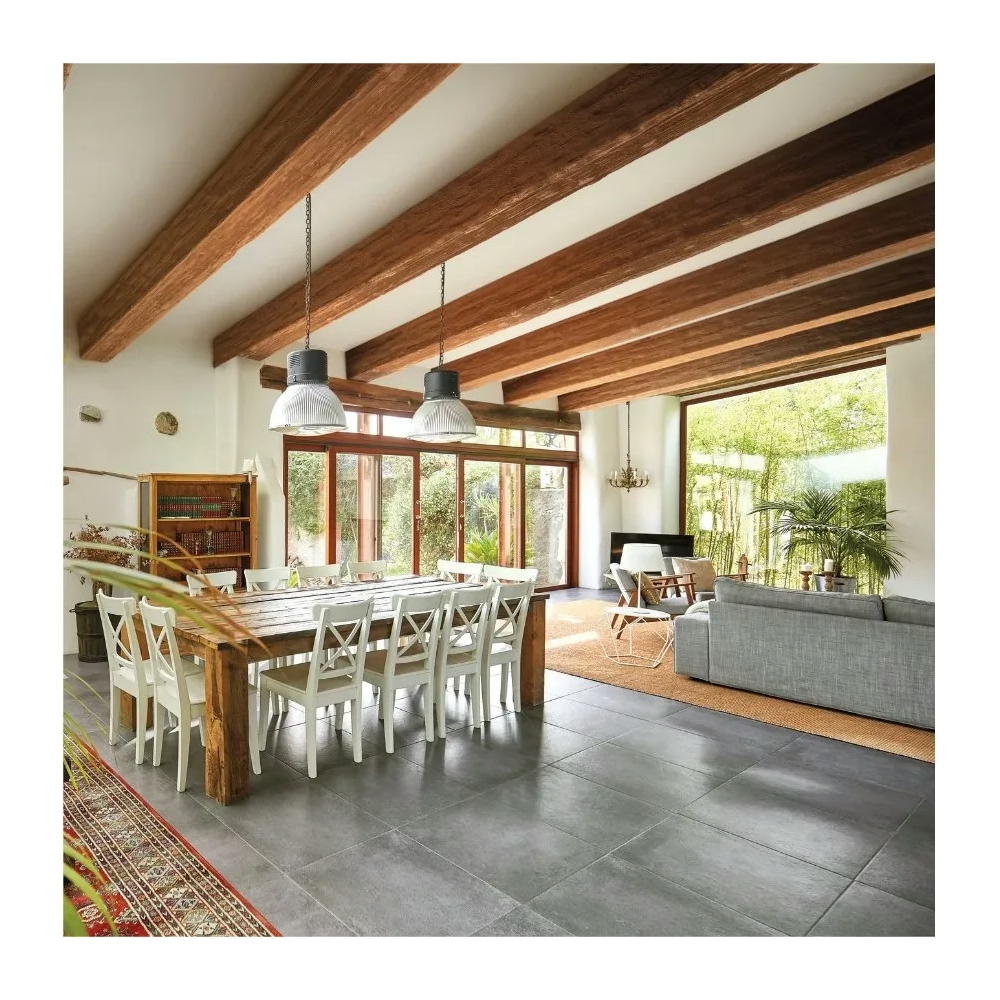
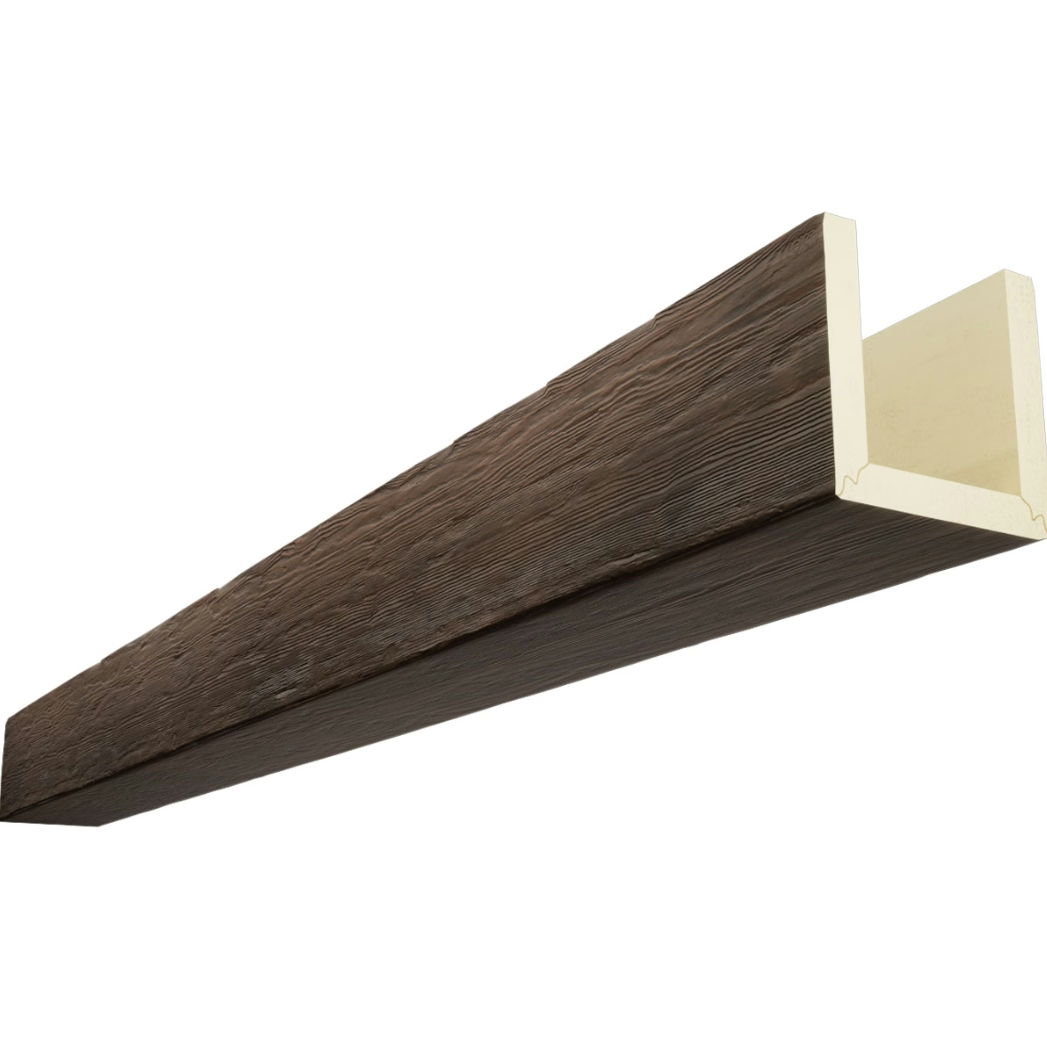
The hospitality ownership group operated fourteen properties across three states, each requiring phased renovation to maintain competitive positioning against newer competitors. Standardization emerged as a key strategy: the ownership wanted consistent quality and aesthetic language across all properties while allowing individual property design teams to express local character. Commercial-grade polyurethane faux beams solved this challenge by providing identical structural profiles that could accept different finishes for each property, with consistent installation procedures that allowed maintenance staff to work seamlessly across the portfolio.
Hospitality fit-out projects differ fundamentally from residential and standard commercial work because guest experience expectations create pressure that goes beyond ordinary building performance requirements. Beams in these applications contribute to atmosphere, brand expression, and the emotional satisfaction that drives return visits and positive reviews.
Guest Experience as Design Driver
Every design element in hospitality environments either enhances or detracts from guest experience. Ceiling beams are positioned directly in guests' line of sight as they enter public spaces, dine, relax, and conclude their visit. Their quality, finish, and proportion influence immediate impressions that persist throughout the guest experience.
Arrival sequences in hotels depend on visual impact that communicates quality and attention to detail before guests interact with staff or facilities. A grand lobby with substantial beam installations sets expectations that influence satisfaction scores, repeat booking rates, and word-of-mouth referrals. The same logic applies to restaurant arrivals, where ceiling beams visible from the entrance shape guest perception of value and atmosphere before food or service is evaluated.
Thermal comfort considerations in hospitality spaces affect beam installation design. Beams can either enhance or undermine HVAC performance depending on their configuration and integration with conditioning systems. Well-designed beam installations support air distribution patterns while poorly designed installations create dead zones, drafts, or temperature stratification that guests notice and criticize in satisfaction surveys.
Brand Standards and Design Identity
Major hospitality brands maintain comprehensive design standards that govern every material selection, including ceiling elements. Brand standards typically specify acceptable beam profiles, finish families, and installation methods that ensure consistency across properties while allowing site-specific customization within defined parameters.
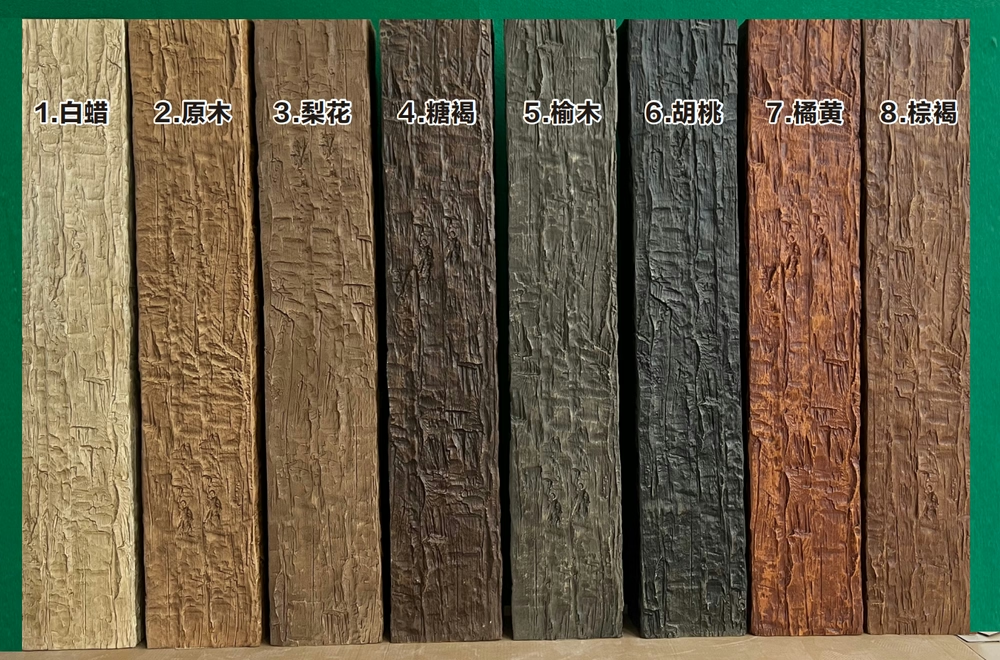
Premium brand standards often require high-quality finishes, generous proportions, and detailed installation work that justifies premium positioning. Budget brand standards emphasize durability, cleanability, and cost efficiency that support value pricing while maintaining acceptable aesthetic quality. Polyurethane faux beams can satisfy both premium and budget standards through different specification tiers within the same product family.
Boutique properties without strict brand standards have more flexibility in beam specification, often choosing distinctive materials that create signature visual elements. These properties may employ custom beam profiles, unique finish treatments, or installation configurations that could not be standardized across multiple properties but work perfectly for their individual contexts.
Functional Requirements Beyond Aesthetics
Hospitality environments require beam installations that accommodate building services including lighting, fire suppression, HVAC, and audiovisual systems. These functional requirements may conflict with pure aesthetic objectives, requiring design solutions that balance both considerations.
Lighting integration in hospitality spaces typically employs beam cavities or tracks that support fixture mounting while maintaining clean visual lines. Pendant lighting hung from beams creates intimate scale and distinctive ambiance, while linear lighting within beam structures provides indirect illumination that softens overall lighting character.
Fire sprinkler systems must be coordinated with beam installations to ensure adequate coverage and avoid obstruction that would compromise system effectiveness. Beam profiles that create deep shadows or obstruct sprinkler spray patterns require design adjustments that may include relocating sprinklers, modifying beam profiles, or specifying beam treatments that integrate with sprinkler coverage.
Audio-visual installations including speakers, screens, and control equipment require mounting provisions that integrate with beam installations. Design coordination between ceiling AV elements and beam installations prevents conflicts during installation and ensures that final aesthetics reflect intended design intent.
Construction Considerations for Operating Properties
Many hospitality renovations occur in operating properties where guests remain on-site during construction. This operational constraint creates requirements for materials and methods that minimize disruption including noise, dust, and inconvenience. Polyurethane beams support these requirements through clean installation methods, minimal cutting operations, and rapid installation times.
Construction sequencing in operating properties typically occurs in phases that close portions of facilities while keeping others operational. Beam procurement and installation scheduling must coordinate with these phases to ensure materials arrive when installation access becomes available, preventing delays that extend closure periods and revenue losses.
Quality control during phased construction requires consistent standards across multiple installation periods, with later installations matching earlier work quality even as installation teams may differ. Clear specifications, sample standards, and inspection protocols help maintain consistency across phased installations that may span months or years.
Lifecycle Performance and Durability
Hospitality environments subject building materials to more intensive use than typical commercial or residential applications. Cleaning protocols, guest traffic, furniture movement, and equipment installation all affect beam appearance and performance over years of service. Commercial-grade specifications should address these demands through durable finishes and robust construction.
Finish durability testing for hospitality applications should simulate years of cleaning cycles, incidental contact, and environmental exposure that the beams will experience. Premium products demonstrate performance through accelerated testing that verifies appearance retention, finish integrity, and dimensional stability through simulated service periods.
Maintenance requirements for hospitality beam installations should be documented clearly and communicated to operations staff. Procedures for routine cleaning, damage repair, and periodic inspection should be practical for housekeeping and maintenance personnel to execute without specialized training or equipment.
Procurement and Standardization Strategies
Multi-property hospitality operators benefit from procurement strategies that leverage volume across multiple projects while accommodating property-specific variations. Master specifications provide consistent baseline requirements while allowing project-specific supplements that address unique requirements.
Supplier relationships for hospitality projects often extend beyond individual installations to long-term partnerships that support ongoing renovation programs. These relationships enable volume pricing, consistent quality, and reliable delivery schedules that support efficient operations across multiple properties.
Sample approval processes for hospitality projects should involve operations and brand representatives who evaluate materials based on guest experience considerations rather than purely design or engineering factors. Their perspectives ensure that specified materials contribute positively to operational objectives while satisfying design requirements.
Technical References
ASTM standards cited in every specification
Test Data
Lab results from internal testing program
Updated 2026
Reviewed against current product specs