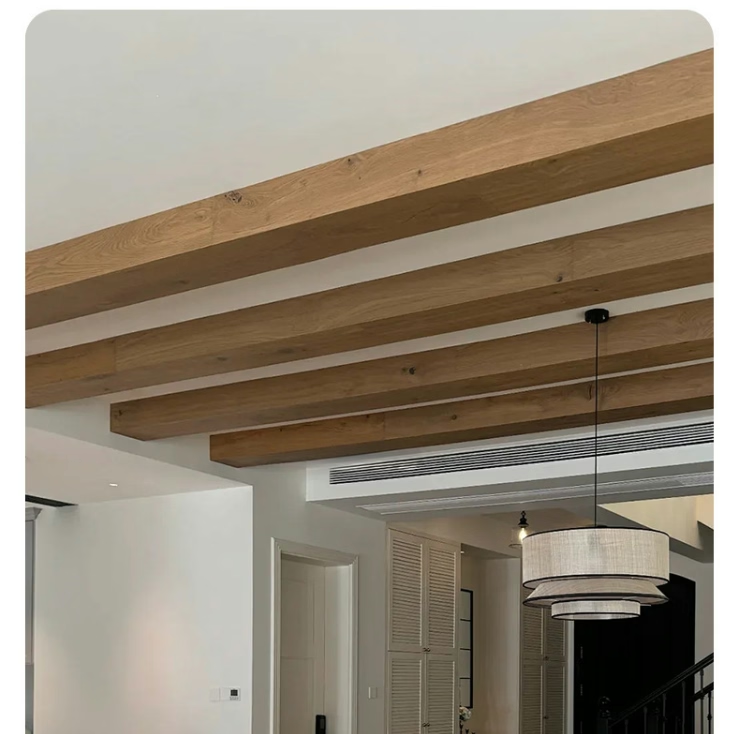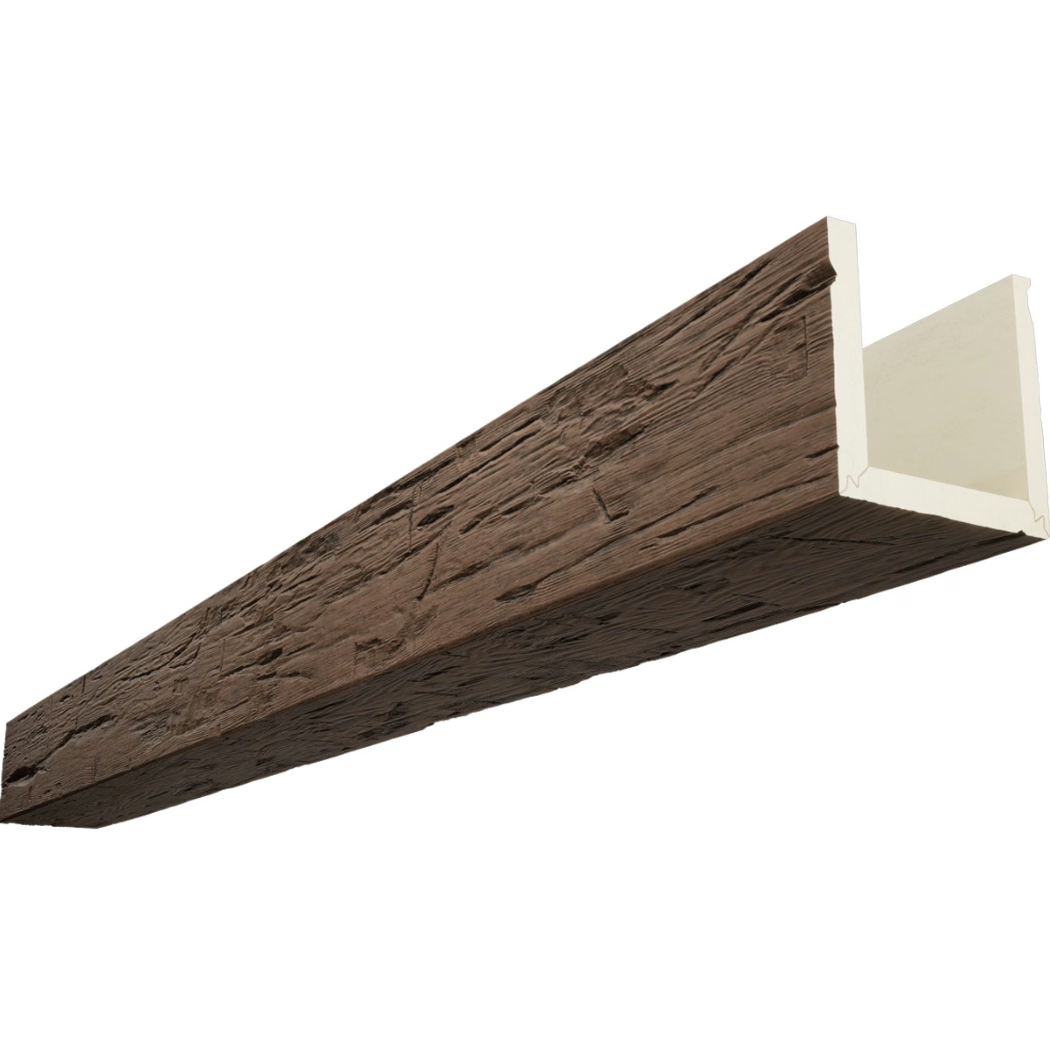
The investment management firm occupied the nineteenth floor of a Class A office building and sought to differentiate their space from neighboring tenants who had selected generic corporate finishes. The design team proposed a substantial ceiling beam installation that would define the client-facing reception, create a distinctive conference room environment, and establish a recognizable visual identity for the firm's brand. Polyurethane beams enabled this distinctive aesthetic within the building's strict modification limitations and the tenant improvement budget that had been established before design development began.
Business spaces span an enormous range from corporate offices and retail showrooms to professional services, hospitality, and entertainment venues. Each category has distinct requirements, but all share common demands for materials that present professionally, perform reliably, and justify investment through contribution to business objectives.
Corporate Office Applications
Corporate office design has evolved significantly beyond the uniform cubicle farms that characterized earlier decades. Modern offices incorporate diverse work settings including open collaboration spaces, focused work areas, meeting rooms, and informal gathering spots that support varied work activities and employee preferences.
Beam installations in corporate environments help define these varied spaces without constructing walls that limit flexibility. A series of parallel beams over a collaboration zone creates visual definition while maintaining the openness that modern office design values. Strategic beam placement can guide movement through large floor plates, helping employees and visitors navigate intuitively.
Executive areas and boardrooms receive particularly detailed attention in corporate offices because these spaces host key business activities including client meetings, board presentations, and talent acquisition interviews. Beam installations in these areas communicate organizational values through quality, craftsmanship, and design intention. Premium beam specifications with refined finishes support the impression of established competence that corporate leaders want to project.
Reception areas and lobbies establish first impressions for everyone who enters the office, from prospective clients to job candidates to visiting dignitaries. The visual quality of these spaces influences how visitors perceive the organization throughout their visit. Beam installations in reception areas serve dual functions of aesthetic impact and practical concealment of HVAC, lighting, and other ceiling infrastructure.
Retail and Showroom Applications
Retail environments compete with online commerce by offering experiences that digital platforms cannot replicate. Physical presence, sensory engagement, and distinctive atmosphere differentiate physical retail from digital alternatives, and beam installations contribute to the immersive environments that successful retail spaces create.
Brand showrooms and flagship stores typically employ the most distinctive beam installations because these venues serve as brand expressions that communicate positioning, quality, and differentiation. Major retail brands invest heavily in flagship environments because they generate media coverage, social media exposure, and brand reinforcement beyond the direct sales they produce.
Product category affects beam specifications in retail contexts. Furniture showrooms benefit from beam installations that create residential atmosphere supporting product presentation, while jewelry stores typically employ more refined beam treatments appropriate to luxury positioning. Electronics retailers often integrate beams with display mounting systems that showcase product features through integrated technology presentations.
Category retailers operating multiple locations benefit from beam specifications that maintain brand consistency while allowing location-specific variation. The same beam profile with different finishes across locations creates brand recognition while acknowledging local market preferences and store-specific design constraints.
Professional Services Applications
Law firms, accounting practices, consulting groups, and other professional services firms occupy buildings where image and presentation significantly influence client perception. Beam installations in these environments communicate stability, sophistication, and attention to quality that supports premium pricing.
Law firm environments particularly value traditional design elements that communicate establishment, reliability, and longevity. Wood-look beams in appropriate finishes support these impressions while providing practical benefits of ceiling infrastructure concealment and acoustic management. Premium materials throughout these spaces reinforce the message that clients receive premium service.
Medical practices and healthcare environments employ beam installations to soften clinical atmospheres that would otherwise feel sterile and unwelcoming. Warm wood tones contribute to patient comfort while supporting the professional appearance that patients expect from competent medical care. Beam specifications for healthcare applications should also address cleaning protocol compatibility and infection control considerations.
Financial services environments including banks, wealth management firms, and insurance agencies use beam installations to communicate stability and trustworthiness. These applications often feature traditional design elements combined with modern lighting and technology integration. Beam specifications in financial services should satisfy both traditional aesthetic preferences and contemporary functional requirements.
Technology and Creative Industries
Technology companies and creative agencies typically favor more informal, industrial-inspired design that reflects their innovative cultures. Beam installations in these environments can embrace exposed structural expressions that celebrate the architectural elements themselves rather than concealing them behind decorative finishes.
Collaboration spaces in technology companies benefit from beam installations that create informal gathering areas where spontaneous interaction occurs. The visual character of these spaces should support creative thinking while providing practical infrastructure for presentation and group work.
Recording studios, photography studios, and similar creative production spaces require beam installations that serve acoustic functions alongside aesthetic objectives. Beam profiles, spacing, and integration with acoustic treatment materials create environments optimized for their specialized purposes. These applications often require consultation with acoustic engineers during beam specification.
Specification Strategy Across Business Categories
Business space specification typically involves stakeholders beyond the design team, including facilities managers, building owners, and tenant representatives who evaluate specifications based on criteria beyond pure design merit. Specifications that address concerns of all stakeholders gain approval more efficiently and face fewer post-installation challenges.
Lifecycle cost considerations increasingly influence business space specifications as organizations evaluate environmental impact, operational costs, and total cost of ownership beyond initial installation expense. Polyurethane beams support favorable lifecycle assessments through durability, low maintenance requirements, and eventual recyclability that other materials cannot match.
Branding requirements may constrain beam specifications in franchise and chain business environments where brand consistency affects customer recognition and marketing effectiveness. Specifications should identify applicable brand standards early in the design process to ensure that proposed beam selections satisfy both brand requirements and project performance needs.
Tenant improvement allowances in leased business spaces create budget constraints that favor materials delivering maximum impact within defined cost parameters. Polyurethane beams offer favorable economics by reducing labor costs, installation time, and finish requirements compared to alternative materials that might otherwise exceed improvement allowances.
Technical References
ASTM standards cited in every specification
Test Data
Lab results from internal testing program
Updated 2026
Reviewed against current product specs