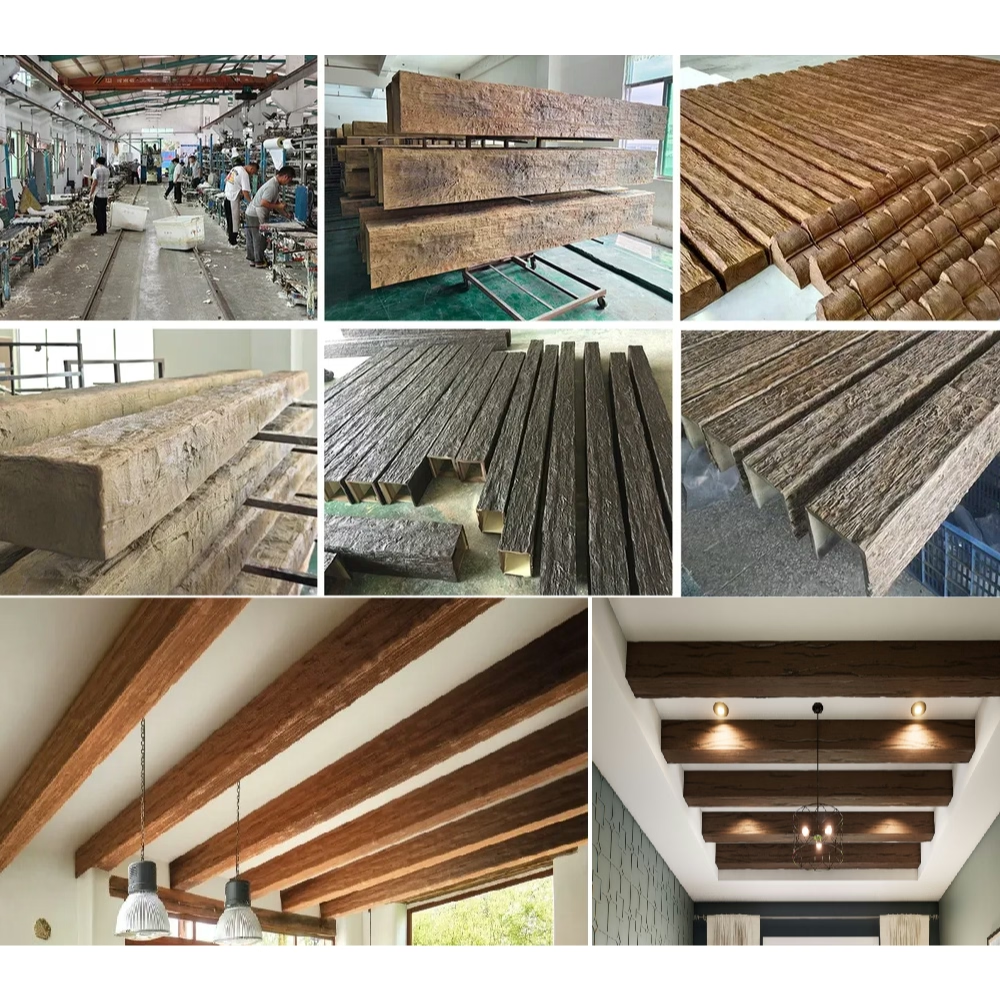
A 380-room resort hotel required beam installations throughout common areas including a dramatic central atrium, three restaurants, a conference center, spa, and pool enclosure. The construction timeline spanned twenty-two months with phased completion allowing partial operations beginning in month fourteen. Beam procurement required coordination across nine distinct applications with different finish requirements, profiles, and installation schedules. Consolidated sourcing from a single manufacturer simplified logistics while standardized quality ensured consistency across applications and installation phases.
Full-scale hotel projects present material specification, procurement, and installation challenges that differ fundamentally from smaller hospitality work. Success depends on systematic approaches that coordinate across multiple stakeholders, applications, and project phases while maintaining consistent quality throughout extended construction timelines.
Project-Wide Specification Strategy
Full-scale hotel projects benefit from comprehensive material specifications that address all beam applications in unified documents. These specifications should identify distinct beam types or applications while establishing consistent quality standards, testing requirements, and acceptance criteria across all uses.
Master specifications typically organize beam requirements by application category including guest room, public space, food and beverage, back-of-house, and exterior applications. Each category may have different finish, profile, and performance requirements, but quality standards, documentation requirements, and warranty terms remain consistent across categories.
Specification coordination meetings during design development bring together architects, interior designers, operations staff, and brand representatives to verify that proposed beam selections satisfy all stakeholder requirements. These meetings prevent later conflicts where specifications satisfying one stakeholder create problems for others.
Mock-up requirements for full-scale hotel projects should demonstrate representative installations from each major application category, providing stakeholders with comprehensive evaluation samples before production proceeds. Mock-up reviews identify potential issues including color coordination, finish quality, and proportion concerns that might otherwise emerge during full installation.
Volume Procurement Considerations
Procurement for full-scale hotel projects involves substantial material quantities that exceed residential or smaller commercial scale. Volume procurement offers cost advantages but requires careful planning to balance production lead times, storage requirements, and cash flow considerations.
Production scheduling with manufacturers should coordinate with construction milestones to ensure materials arrive when installation phases require them. Early production of all materials creates storage challenges, while late production risks project delays if manufacturing problems emerge. Phased production aligned with construction phases provides optimal balance.
Transportation logistics for full-scale hotel projects require coordination with site delivery schedules, storage facilities, and handling equipment. Beam shipments may arrive in multiple truckloads across extended periods, each requiring receiving inspection, storage allocation, and inventory management. Logistics planning should anticipate these requirements during project planning phases.
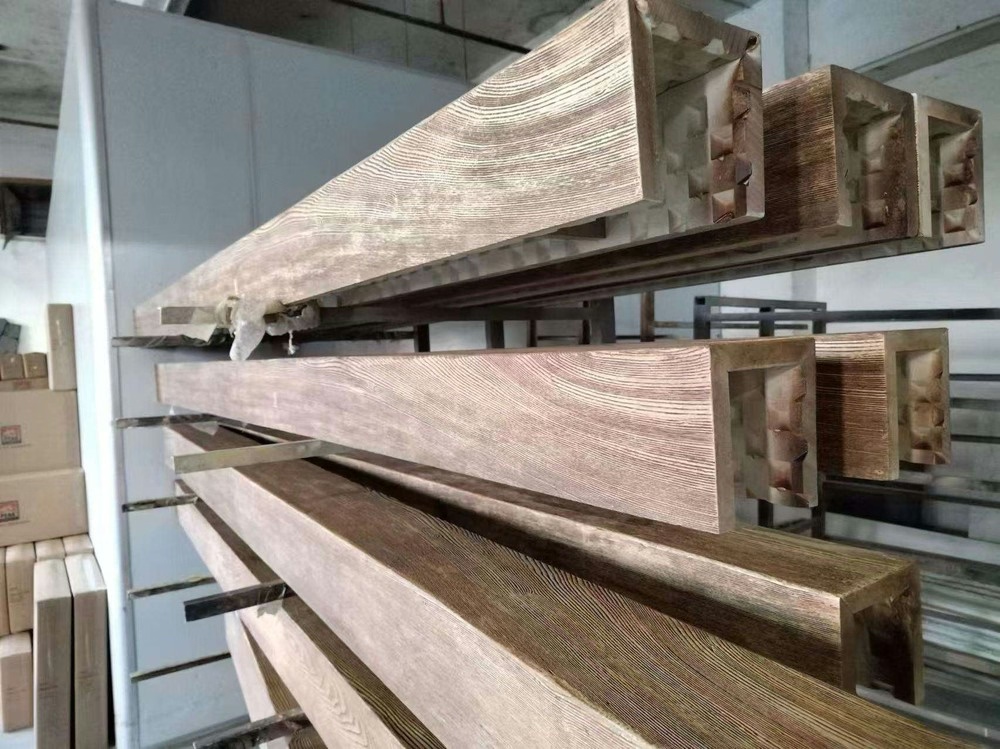
Quality control during volume production typically involves statistical sampling and documentation of compliance with specifications. Production samples should be tested or evaluated against specification requirements, with any deviations addressed before full production proceeds. Continuous production monitoring ensures that any process drift is identified and corrected quickly.
Brand and Operations Coordination
Branded hotel projects require coordination with brand standards that may govern beam specifications. Brand standards typically establish acceptable materials, finishes, and installation methods while allowing some variation based on specific project requirements and local market considerations.
Brand approval processes for beam specifications may involve multiple review stages including initial concept review, material submittal review, and final installation acceptance. Each review stage requires appropriate documentation, samples, and justifications that demonstrate compliance with brand standards and project requirements.
Operations staff input during beam specification ensures that installed materials support operational requirements including cleaning protocols, maintenance access, and replacement procedures. Operations perspectives sometimes identify practical concerns that design teams overlook, and incorporating this input during specification prevents post-installation operational challenges.
Installation Phase Management
Full-scale hotel projects typically proceed through multiple construction phases with different beam installation requirements in each phase. Early phases may focus on below-grade work and structural systems, while middle phases involve building enclosure and rough-in work, and final phases include finish installations including beam applications.
Beam installation timing should align with ceiling completion requirements for each area. Premature beam installation creates vulnerability to damage from subsequent work, while delayed installation blocks subsequent trades from completing their work. Proper coordination through detailed scheduling prevents timing conflicts.
Construction site storage of beam materials between delivery and installation requires secure, weather-protected areas with appropriate environmental conditions. Extended storage on site may require additional protection against dust, moisture, and physical damage that could compromise finishes before installation.
Quality verification during installation should follow systematic inspection protocols that verify compliance with specifications at multiple stages including material receipt, in-progress installation, and final acceptance. Documentation of inspection results provides quality assurance evidence for brand review, owner acceptance, and warranty registration.

Phased Quality Management
Construction quality on phased hotel projects can vary across phases as installation crews change, weather conditions shift, and project momentum fluctuates. Quality management systems should maintain consistent standards regardless of these variations, with regular audits and corrective action procedures that address any decline in quality.
Sample installations during each phase provide quality benchmarks that subsequent work must match. These samples should remain in place until phase completion, serving as reference standards for installers and inspectors throughout the phase.
Communication between phase teams supports consistent quality across project duration. Regular coordination meetings, shared documentation systems, and lessons-learned reviews help subsequent phases avoid problems encountered during earlier phases while building on successful practices.
Long-Term Maintenance Planning
Full-scale hotel projects generate substantial material inventories that property management teams must maintain throughout decades of operation. Beam installation should be documented with detailed specifications, warranty information, and maintenance procedures that enable long-term management.
Warranty registration for beam installations should occur during construction completion with documentation maintained in property management systems. Warranty terms should be reviewed periodically, with replacement or repair planning triggered by approaching warranty expiration or anticipated service life limits.
Spare materials inventory for beam installations enables efficient repair of damaged units without requiring custom orders that may not match existing installations exactly. Maintaining ten to fifteen percent of original installation quantities as spare inventory supports normal repair requirements through the first several years of operation.
Maintenance training for hotel engineering and housekeeping staff ensures that beam installations receive appropriate care that preserves appearance and performance. Training should cover routine cleaning procedures, damage assessment criteria, and coordination procedures for repair work that exceeds in-house capabilities.
Technical References
ASTM standards cited in every specification
Test Data
Lab results from internal testing program
Updated 2026
Reviewed against current product specs


