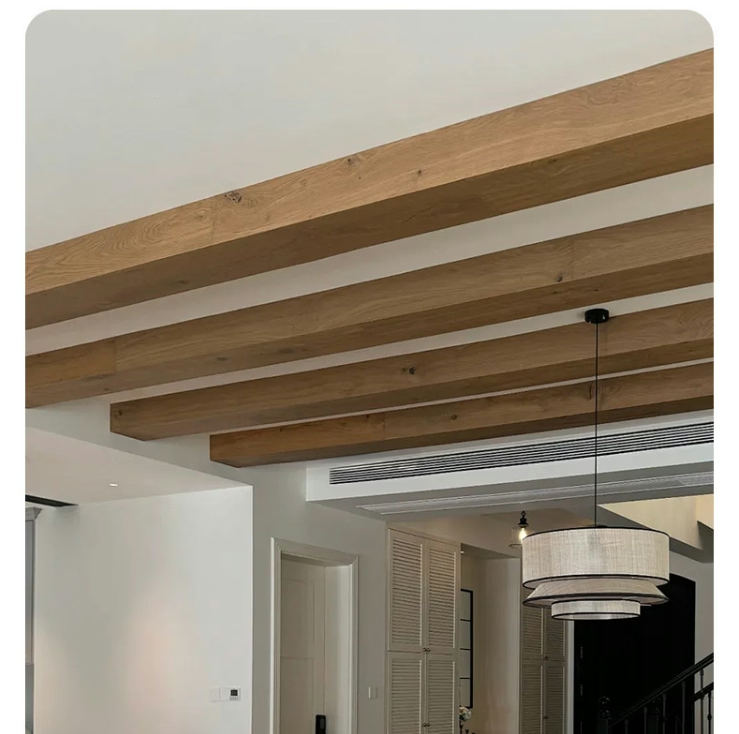
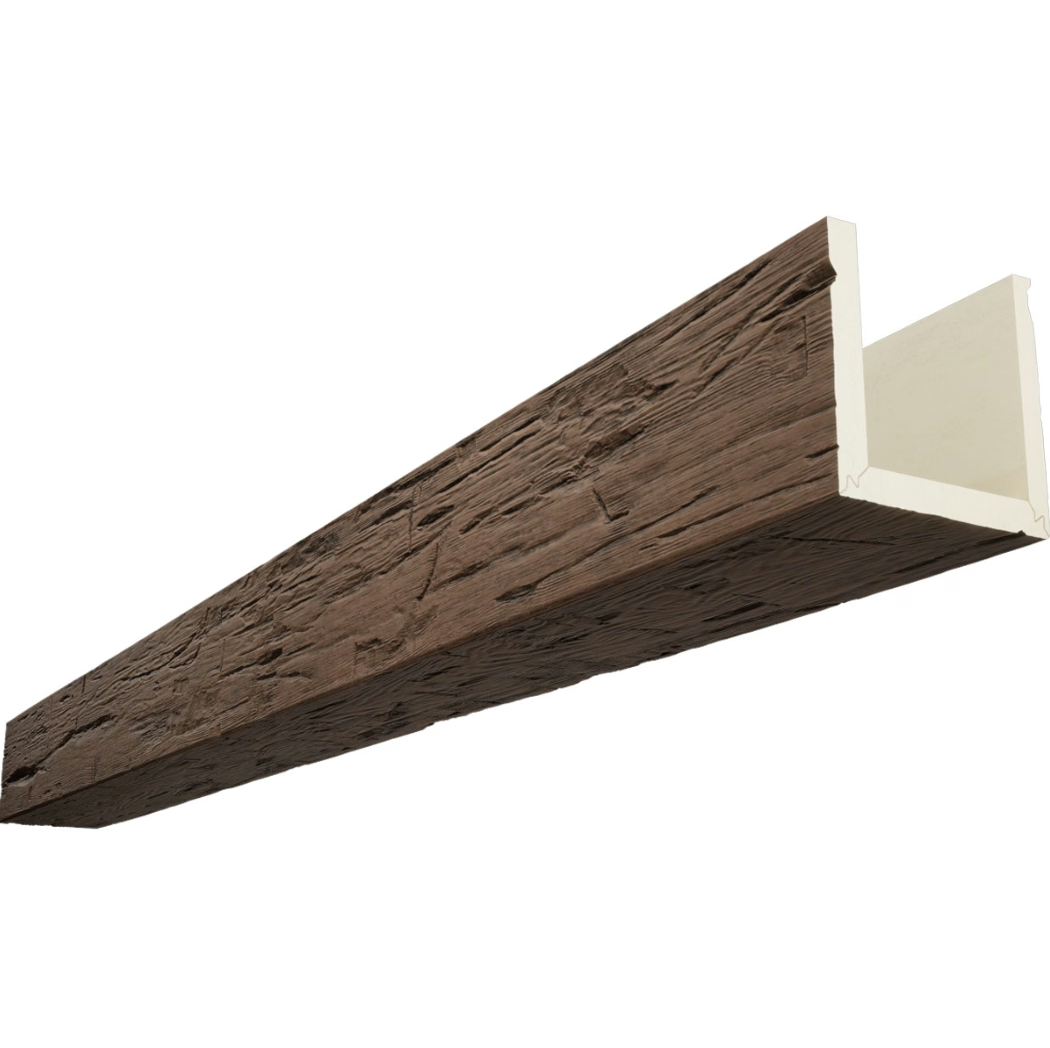
The commercial interior fit-out industry has embraced PU faux wood beams as essential design elements that balance aesthetic aspirations with practical project requirements. Unlike residential applications where single homeowners make decisions, commercial projects involve multiple stakeholders including property owners, tenants, designers, contractors, and building managers. Understanding how faux beams address the complex requirements of commercial environments helps explain their widespread adoption.
Commercial interior design operates under constraints rarely encountered in residential work. Project timelines are compressed, budgets are scrutinized, and durability requirements exceed typical home applications. Materials must withstand heavy foot traffic, frequent cleaning, and exposure to varied environmental conditions. Faux wood beams have proven their ability to meet these challenges while delivering the visual warmth that makes commercial spaces inviting.
The fit-out market encompasses diverse project types, each presenting distinct requirements and opportunities for beam installations. Retail environments, corporate offices, restaurants, hotels, and healthcare facilities all benefit from beam treatments that create distinctive atmospheres while meeting commercial performance standards.
Retail Environment Applications
Retail spaces compete for customer attention through visual merchandising and atmospheric design. The ceiling treatment represents often-overlooked territory that can differentiate stores from competitors while reinforcing brand identities. Beam installations create visual anchors that draw the eye upward, establishing brand personality through material choices and design configurations.
High-ceiling retail environments particularly benefit from beam treatments that reduce apparent ceiling height while adding visual interest. Large, open spaces can feel cavernous and impersonal without architectural intervention. Strategic beam placement creates zones within open floor plans, guiding customer circulation while establishing distinct areas for different product categories or promotional displays.
Store types with thematic identities leverage beams to communicate brand narratives. Outdoor recreation retailers might feature rustic timber beams that evoke wilderness adventures, while upscale fashion boutiques employ sleek, modern profiles that reinforce premium positioning. The versatility of faux beams enables precise matching to specific brand aesthetics without the limitations imposed by natural material availability.
Retail lighting requirements often influence beam installation approaches. Track lighting systems, recessed fixtures, and pendant displays must integrate with beam architecture while providing illumination levels appropriate for merchandise presentation. Faux beams accommodate these requirements through built-in cable management and fixture mounting provisions.
The commercial durability of PU materials proves essential in retail environments where merchandise handling, inventory management, and customer activities subject fixtures to significant wear. Unlike genuine timber that may dent, scratch, or absorb moisture, faux beams maintain pristine appearances despite regular contact and cleaning.

Corporate Office Applications
Modern office design emphasizes employee wellbeing, brand expression, and flexible work arrangements. Ceiling treatments contribute to these goals by creating environments that support productivity while communicating company values to employees and visitors. Beam installations offer opportunities to introduce warmth into corporate spaces that might otherwise feel sterile or generic.
Open-plan offices present acoustic challenges that beam treatments can address. The irregular surfaces created by ceiling beams scatter sound reflections, reducing echo and improving speech privacy between workstations. This acoustic benefit proves increasingly valuable as offices accommodate more collaborative activities that generate higher ambient noise levels.
Meeting rooms and conference spaces benefit from beam installations that establish visual boundaries within open floor plans. The ceiling treatment creates psychological separation between different functional zones, helping employees identify appropriate behaviors and noise levels for specific areas. Combined with other zoning strategies, beams contribute to organized spatial arrangements.
Executive offices and boardrooms often incorporate higher-end finishes that reinforce corporate gravitas. Faux wood beams provide the premium aesthetic associated with genuine timber while accommodating the structural limitations of typical office building construction. The lightweight installation approach eliminates the need for expensive structural modifications that genuine timber would require.
Brand expression in corporate environments extends to details that visitors and employees encounter throughout their experiences. Ceiling beams in reception areas, break rooms, and common areas reinforce brand identity through material choices and design configurations. The investment in beam treatments pays dividends through improved brand perception and employee satisfaction.
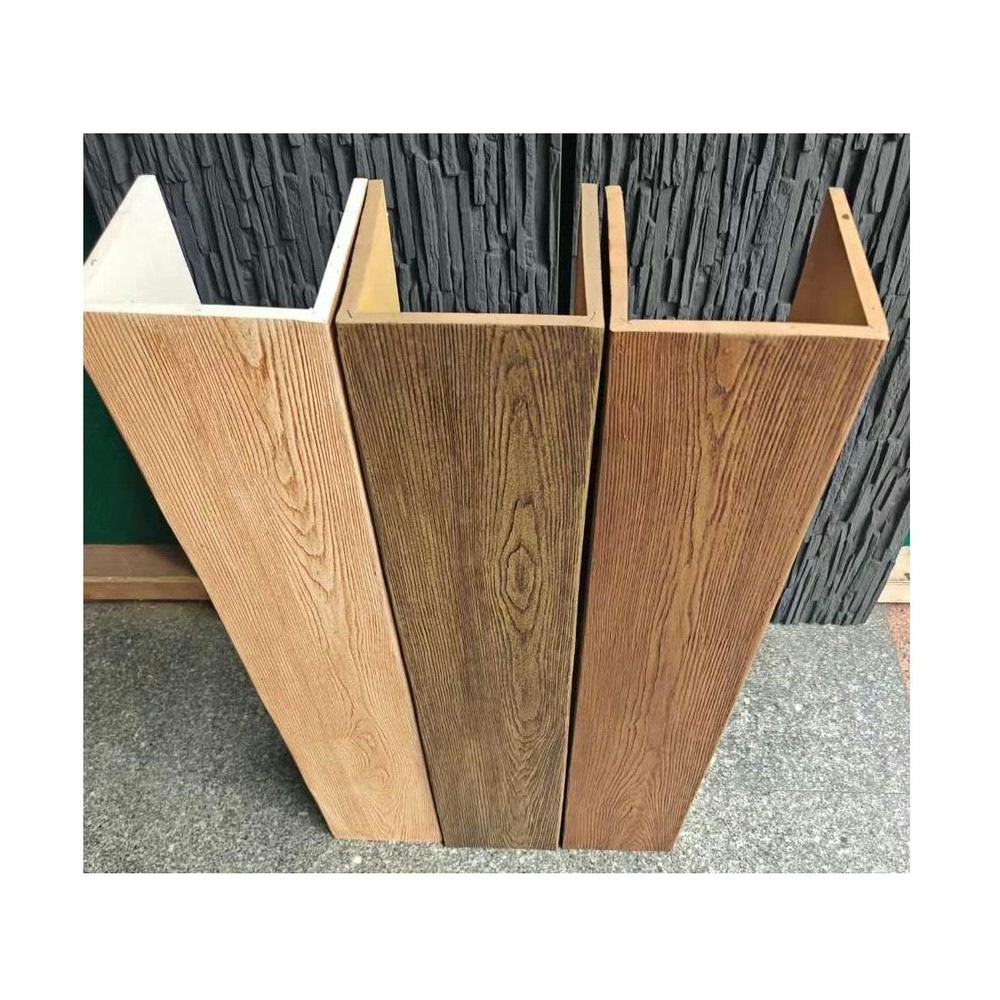
Restaurant and Food Service Applications
Restaurant interiors create memorable dining experiences through thoughtful integration of architecture, furniture, lighting, and finishes. Ceiling treatments establish the visual framework within which all other elements exist. Beam installations add warmth and character that distinguishes dining establishments from generic chain locations.
Different restaurant concepts suggest different beam treatment approaches. Farm-to-table restaurants might feature rustic, hand-hewn profiles that emphasize craft and authenticity. Contemporary fine dining establishments could employ sleek, modern beams that reinforce minimalist sophistication. Theme restaurants use beams to support narrative elements that transport guests to different times or places.
Kitchen adjacency creates humidity and temperature challenges that faux beams handle effectively. Unlike genuine timber that may warp or decay when exposed to kitchen exhaust, PU materials resist moisture absorption and temperature fluctuations. This resilience ensures consistent appearance despite environmental conditions that would damage natural wood.
Fire safety requirements in restaurants influence material selection for ceiling treatments. PU beams can be formulated to meet fire resistance classifications required by building codes for public assembly spaces. Specifying fire-rated materials during product selection prevents code compliance issues during inspection.
Healthcare and Wellness Facilities
Healthcare environments require materials that support healing while meeting stringent hygiene requirements. Faux wood beams contribute warmth to clinical settings that might otherwise feel institutional. The material's smooth surfaces resist bacterial growth and accept standard healthcare cleaning protocols.
Waiting areas, patient rooms, and common spaces in medical facilities benefit from the psychological comfort that wood aesthetics provide. Research has documented the healing benefits of natural material exposure, suggesting that beam installations contribute to positive patient outcomes beyond mere aesthetic improvement.
The durability of PU materials proves valuable in healthcare settings where furniture, equipment, and gurneys may contact wall and ceiling surfaces. Unlike genuine timber that may show impact damage, faux beams resist dents and scratches that could harbor contaminants or compromise hygiene standards.
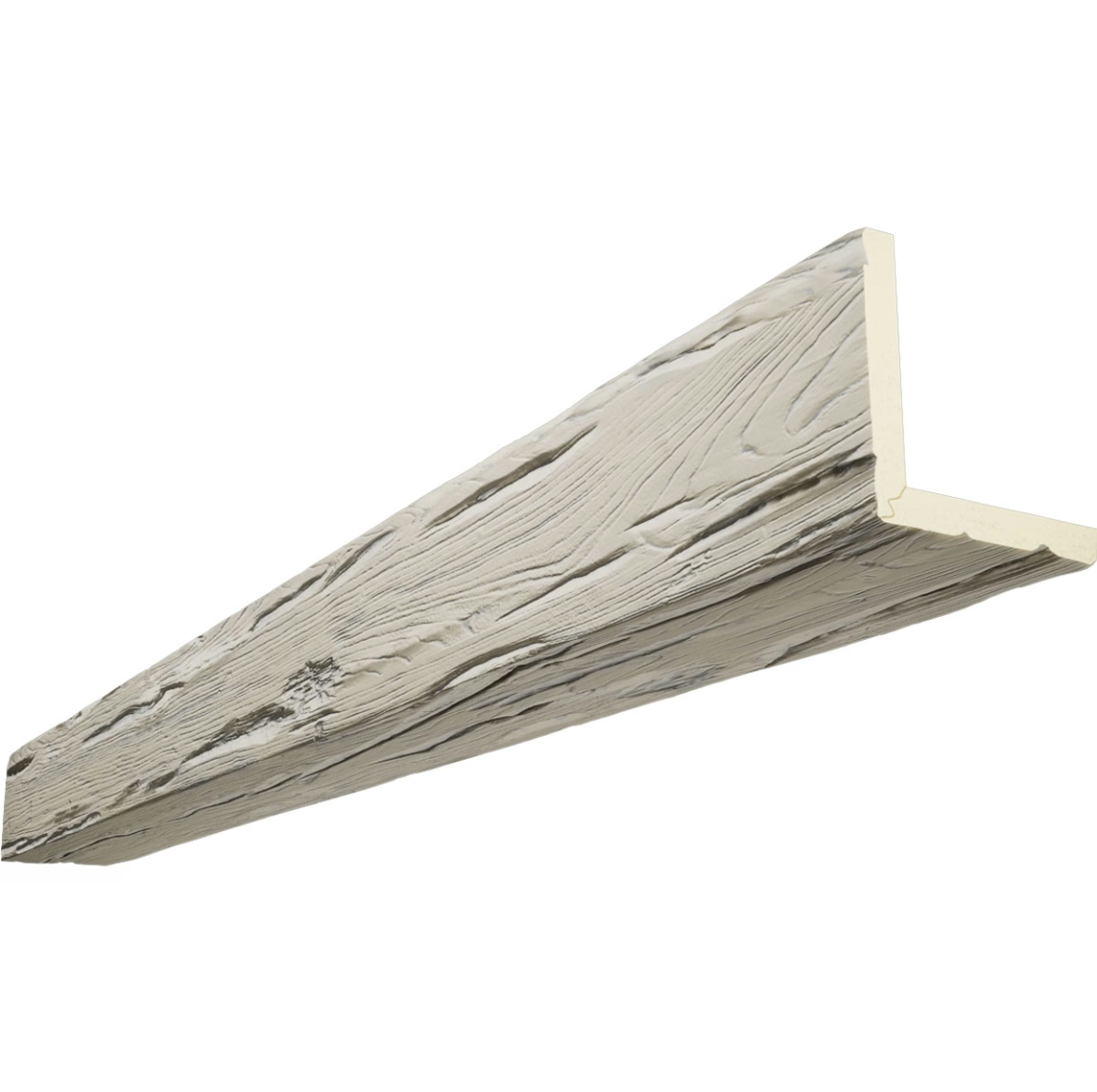
Project Management Advantages
Commercial fit-out projects benefit from the practical advantages that faux wood beams offer throughout the project lifecycle. Pre-finished surfaces eliminate on-site finishing operations that extend construction schedules and generate odors disruptive to adjacent occupied spaces. The reduction in finishing work also improves indoor air quality during and after installation.
Predictable material performance simplifies project scheduling and budget management. Unlike genuine timber that may arrive with moisture content issues, warping, or color inconsistencies, faux beams arrive in ready-to-install condition with consistent quality. This predictability reduces contingency allowances and prevents costly delays.
The supply chain for faux beams accommodates the rapid procurement timelines typical of commercial fit-out projects. Products ship from inventory without the lead times required for custom millwork or special-order timber. Expedited delivery options support compressed schedules that commercial tenants often require to minimize lost revenue during transitions.
Maintenance considerations factor into long-term ownership decisions for commercial properties. Building owners and property managers appreciate the reduced maintenance requirements that faux beams provide compared to genuine timber. Lower maintenance costs translate to improved property economics that support higher valuations and rental rates.
Technical References
ASTM standards cited in every specification
Test Data
Lab results from internal testing program
Updated 2026
Reviewed against current product specs