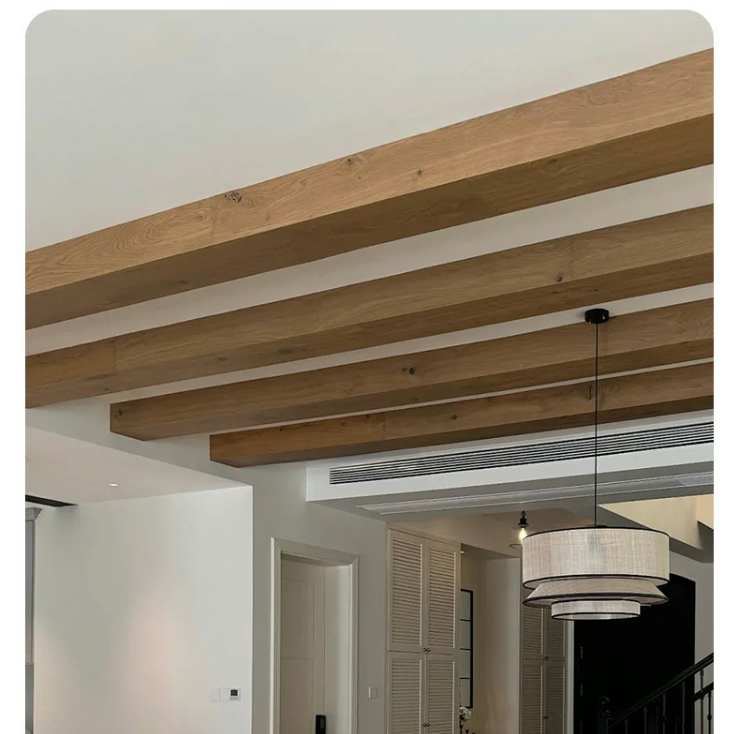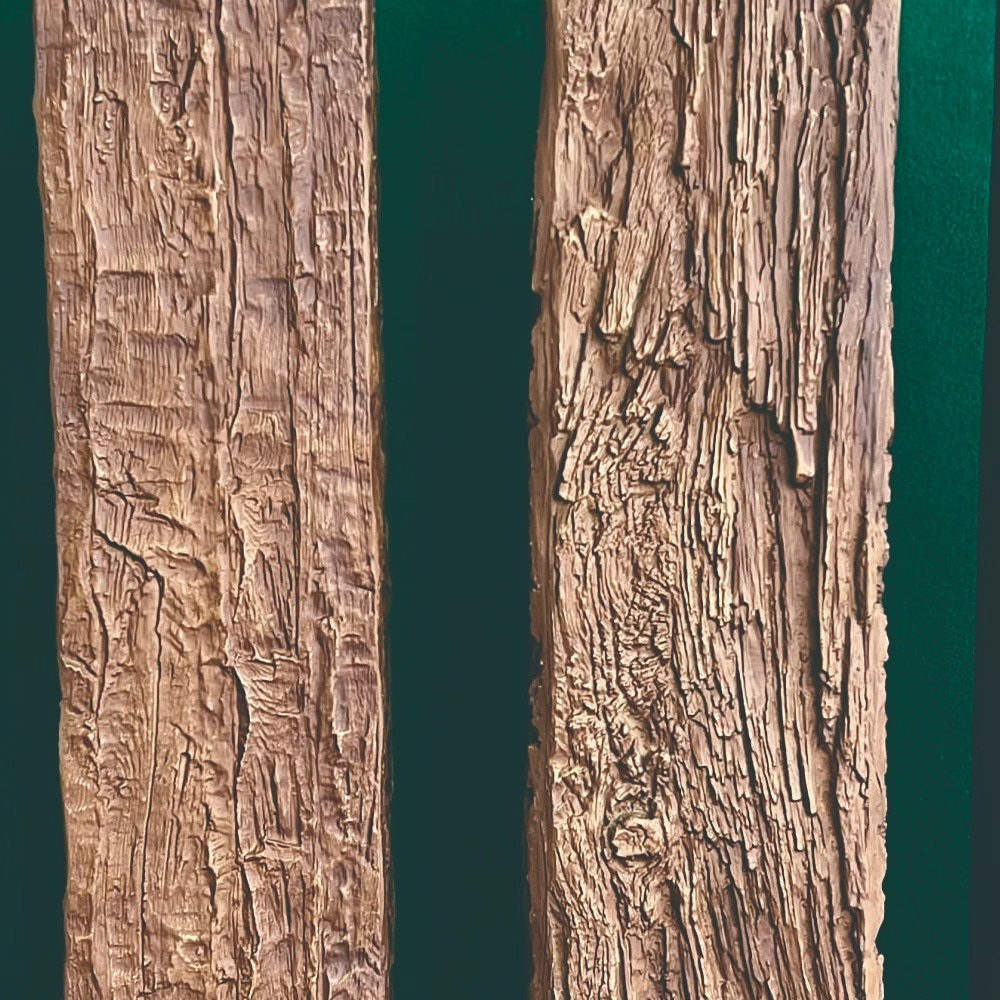
The hospitality management company awarded a design-build contract for a dual-brand hotel development with 340 rooms and twelve food and beverage outlets. The project specification required materials that satisfied brand standards across both brands with different aesthetic positioning while maintaining consistent quality and simplifying procurement through unified supplier relationships. Polyurethane faux beams met both brand requirements through different finish selections on identical structural profiles, reducing procurement complexity while achieving the distinct visual identities each brand demanded.
Hospitality projects span an unusually broad range of applications, from guest room millwork to grand ballroom architecture, each with distinct performance requirements and aesthetic objectives. Successful hospitality fit-out depends on material selections that serve diverse applications without multiplying supplier relationships, maintenance procedures, or training requirements beyond practical levels.
Guest Room Beam Applications
Guest room beam installations typically appear in corridor ceilings, headboard feature walls, or bathroom ceiling treatments where the warm wood aesthetic enhances the room experience without adding significant furniture or equipment. Budget constraints in competitive hospitality markets favor smaller beam profiles with economical finishes, while premium tier properties may specify larger beams with premium finish treatments.
Corridor beam installations serve functional purposes beyond aesthetics, helping guests navigate between rooms while concealing ceiling infrastructure and providing acoustic absorption. Beam specifications for guest room corridors should balance visual impact with budget constraints, using more economical profiles that deliver the wood aesthetic without premium costs associated with larger, more detailed beams.
Headboard feature beams create focal points that enhance bed area design while adding perceived value to standard rooms. These installations typically employ shorter beam sections mounted to wall surfaces behind beds, with designs ranging from simple horizontal beams to elaborate cross-beam compositions. Wall-mounted beam installations require different mounting methods than ceiling applications, with adhesive bonding or French cleat systems that transfer loads to structural wall backing.
Restaurant and Bar Applications
Restaurant beam installations create the architectural character that differentiates dining experiences from grab-and-go alternatives. The scale and style of beam installations should align with the dining concept, with upscale restaurants favoring refined profiles and casual concepts accepting more rustic treatments.
Fine dining restaurants typically specify beams with smooth finishes, subtle grain patterns, and refined mounting details that complement the elevated interior design. Profile selections in this category favor classic proportions with minimal surface texture, allowing lighting and table settings to command attention while beams provide warm, supporting backgrounds.
Casual dining and family restaurants can embrace more rustic beam treatments with pronounced grain patterns, hand-hewn textures, and distressed finishes that communicate relaxed, approachable atmospheres. These specifications tolerate higher wear levels and less refined maintenance without compromising the intended aesthetic.
Bar and lounge areas benefit from beam installations that create intimate scale within larger spaces. Strategic beam placement can reduce perceived ceiling heights, making expansive open bars feel more approachable while maintaining the visual interest that keeps guests engaged. Integrated lighting within beam cavities provides functional illumination for service areas while creating ambient light patterns on surrounding surfaces.
Ballroom and Event Space Applications
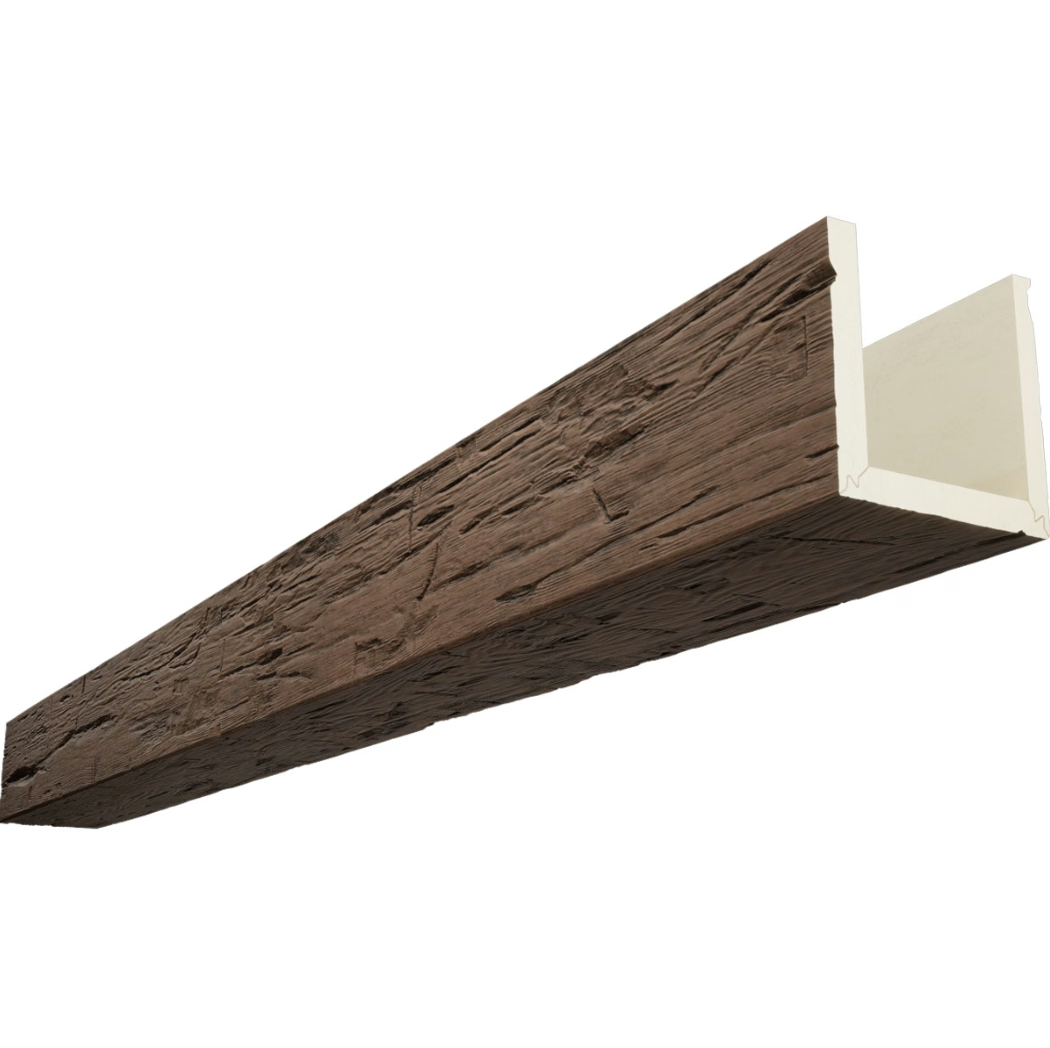
Ballroom beam installations must accommodate the functional requirements of event spaces while maintaining aesthetic quality that supports premium venue pricing. Beams in these applications often incorporate structural functions including lighting tracks, acoustic panels, and decorative elements that serve multiple purposes beyond pure aesthetics.
Acoustic performance becomes critical in event spaces where speech intelligibility and music reproduction quality directly impact venue bookings. Beam designs can incorporate acoustic treatment through perforated surfaces, fibrous backing materials, or strategically sized cavities that absorb specific frequency ranges. Audio-visual consultants should review beam specifications for high-profile event spaces.
Load capacity for ballroom beams may need to accommodate suspended decorations, audiovisual equipment, or temporary stage structures. Project-grade specifications for these applications should include structural calculations verifying mounting capacity for anticipated loads, with appropriate safety factors for dynamic loads from suspended items.
Flexible event configurations require beam installations that accommodate varied room divisions, seating arrangements, and service configurations. Beam specifications in flexible venues should consider how room dividers, portable stages, and service stations interact with beam installations, avoiding conflicts that limit venue flexibility.
Spa and Wellness Applications
Spa environments present unique material requirements including moisture resistance, antimicrobial performance, and aesthetic warmth that supports relaxation objectives. Polyurethane beams perform well in spa applications because they resist moisture absorption and support cleaning protocols that maintain hygiene without damaging finishes.
Steam room and pool area applications require particular attention to continuous humidity exposure and chemical exposure from pool maintenance. Beam specifications for these areas should verify moisture resistance and chemical resistance testing, with mounting details that prevent water infiltration behind beam installations.
Treatment room beam installations contribute to the sanctuary atmosphere that spa guests expect, with warm wood tones softening clinical environments and creating visual comfort that supports the relaxation experience. These applications typically employ smaller beam scales appropriate to intimate room sizes, with soft lighting that creates gentle shadows without harsh contrasts.
Procurement and Logistics for Hospitality Projects
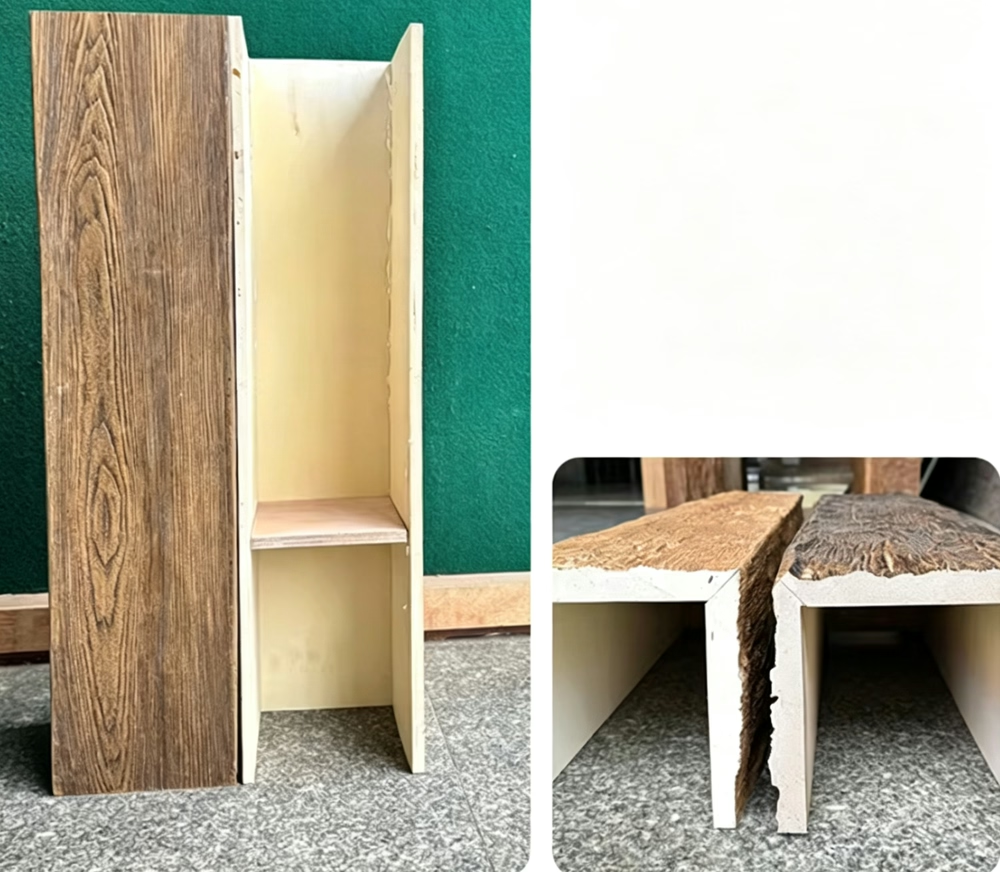
Hospitality projects with multiple building areas and distinct brand standards require procurement strategies that ensure consistent quality while managing complexity. Consolidated procurement from single suppliers simplifies logistics, quality management, and warranty administration, though it requires careful specification to ensure that products meet varied requirements.
Sample coordination across hospitality applications should establish finish standards that work consistently across different lighting conditions, viewing distances, and adjacent finishes. Hospitality interiors often combine multiple products in close proximity, and coordination samples should verify how beams appear alongside millwork, furniture, and textile selections.
Construction schedules for hospitality projects typically compress timelines around grand opening dates that cannot slip without significant revenue impact. Material procurement should prioritize reliability over price optimization, ensuring that beam supplies arrive on schedule to support critical path installation activities.
Maintenance Training and Documentation
Hospitality property management requires maintenance documentation and training that enables consistent care across diverse applications and multiple shifts. Beam maintenance procedures should be documented clearly, with procedures accessible to housekeeping staff, maintenance technicians, and management personnel who may address issues outside normal operating hours.
Staff training should cover routine cleaning procedures, damage assessment criteria, and repair coordination protocols that ensure issues receive appropriate attention. Housekeeping staff should understand which cleaning agents are safe for beam finishes, while maintenance staff should recognize damage patterns that indicate structural or mounting problems requiring professional assessment.
Technical References
ASTM standards cited in every specification
Test Data
Lab results from internal testing program
Updated 2026
Reviewed against current product specs