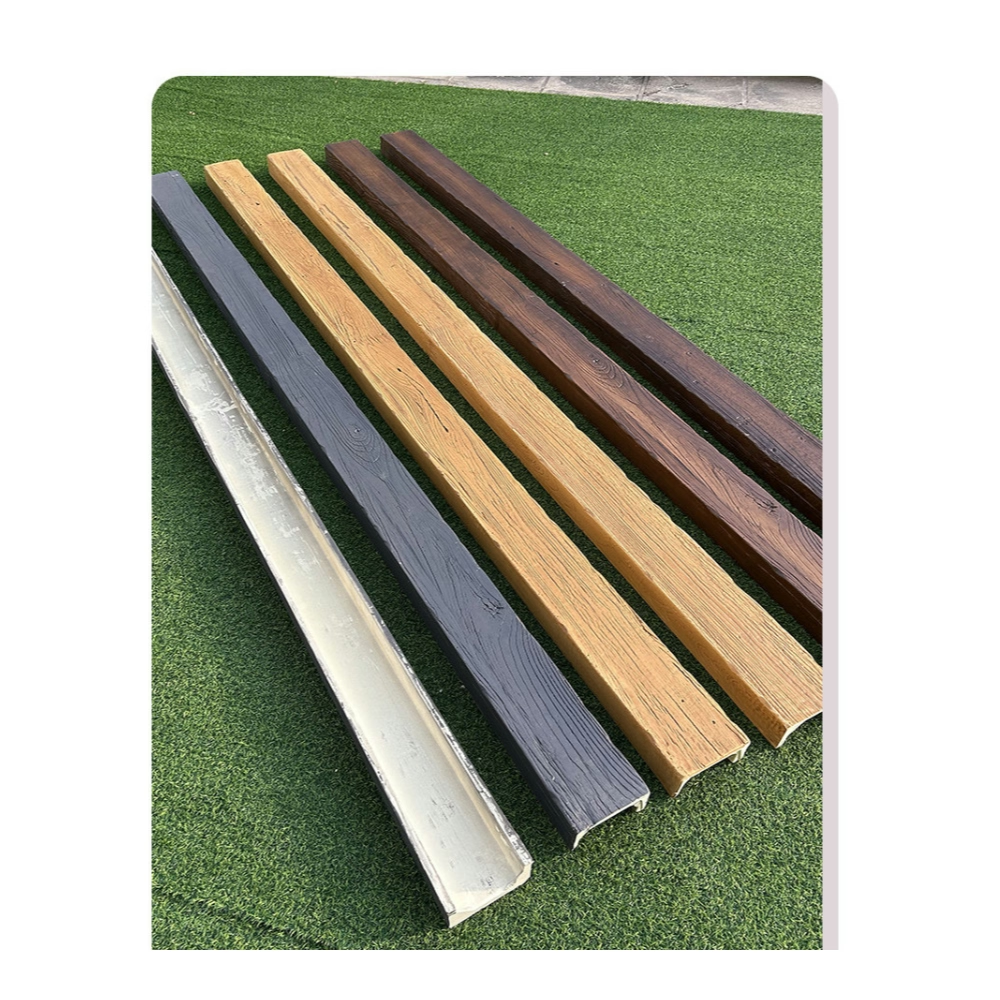
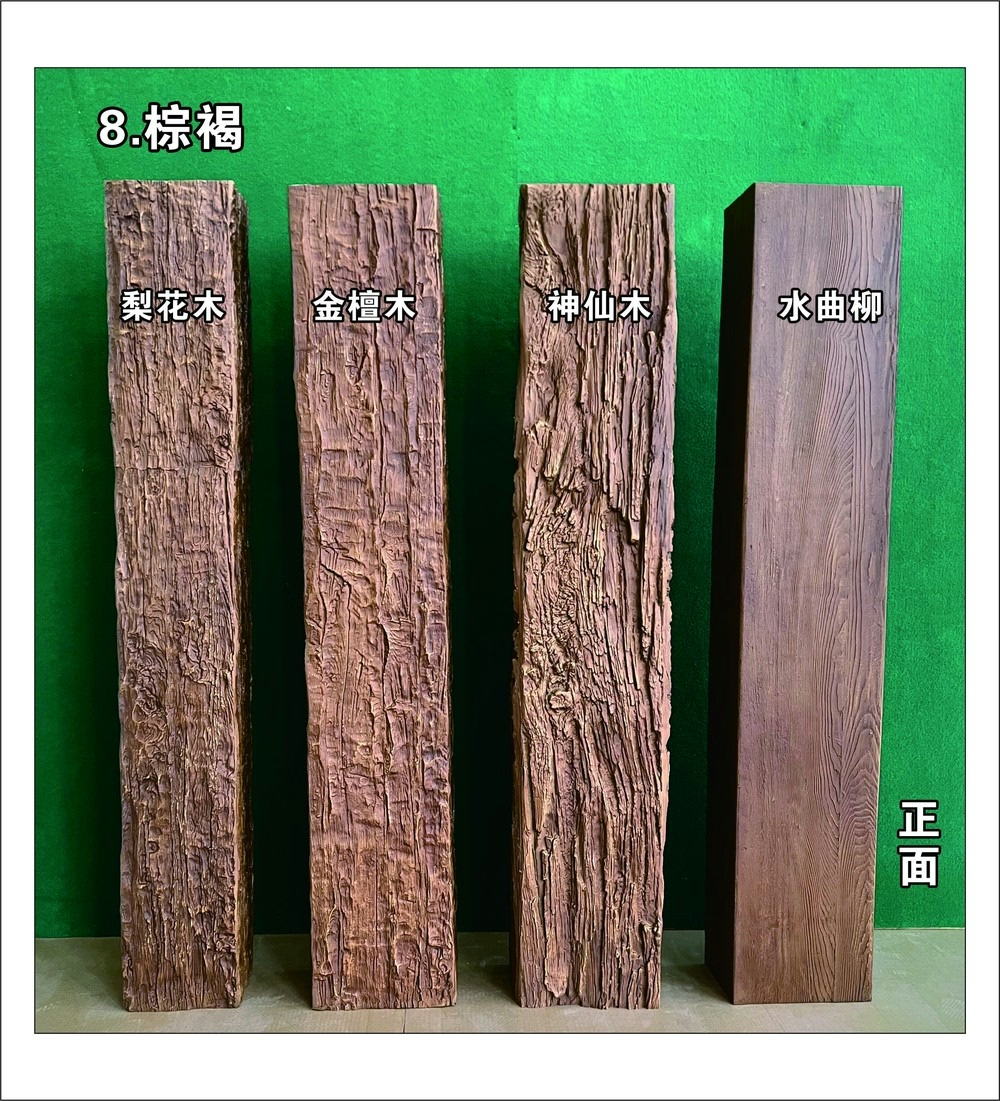
Installing faux wood beams can dramatically transform a room's appearance, adding architectural character and warmth that elevates even modest spaces. When installation goes smoothly, the results are satisfying and long-lasting. When errors occur, the consequences range from aesthetic disappointment to safety concerns that require corrective action. Understanding common mistakes helps homeowners and contractors alike achieve the professional-quality results that well-executed beam installations deliver.
Many installation errors stem from inadequate preparation or misunderstanding of the differences between faux and genuine timber. While polyurethane beams offer significant practical advantages over natural wood, they also require installation approaches tailored to their specific characteristics. Treating them identically to real timber—or assuming they require no special attention—leads to problems that proper planning prevents.
Inadequate Structural Assessment
Before any beam installation begins, the ceiling structure must be evaluated to determine appropriate mounting methods and hardware. Weight calculations, joist locations, and attachment point capacity all influence installation approach. Skipping this assessment risks both aesthetic and safety consequences.
Faux wood beams are lighter than genuine timber, but they still represent meaningful weight concentrated at attachment points. The cumulative weight of multiple beams, combined with dynamic loads from vibration and wind pressure, requires secure mounting that ceiling materials alone cannot provide. Understanding where joists are located—and ensuring that attachment hardware engages them—prevents the pull-away failures that cosmetic installations sometimes experience.
Professional installers use stud finders, tap measurements, and when necessary, small exploratory openings to locate joist positions before committing to beam placement. This investigation phase prevents misplaced beams that miss structural supports entirely.
Improper Fastener Selection and Use
The fasteners connecting beams to ceiling structures carry the entire load that beams represent. Using inappropriate hardware—wrong type, insufficient size, or inadequate quantity—creates安全隐患 that may not become apparent until failure occurs.
Load requirements should drive fastener selection. Heavier beams, longer spans, and installations in accessible locations all increase load demands on attachment points. Engineering guidance for specific applications may be appropriate, particularly for commercial installations or situations where failure consequences would be severe.
Corrosion-resistant hardware proves essential in humid environments, including kitchens, bathrooms, and any basement applications. Standard steel fasteners will eventually corrode when exposed to sustained moisture, potentially failing without warning. Stainless steel or coated hardware maintains integrity over time regardless of environmental conditions.


Misalignment and Spacing Inconsistencies
Beams that are not perfectly parallel, evenly spaced, or consistently aligned with architectural features create visual discord that diminishes overall installation quality. While minor variations escape notice in casual observation, they become glaringly obvious in photographs and under careful scrutiny.
Measurement precision throughout the installation process prevents alignment problems. String lines stretched across ceiling spans at beam centerlines provide reference guides that ensure straight positioning. Beginning installation from a single reference point—typically the center of the room or a dominant architectural feature—distributes any cumulative error where it will be least noticeable.
Spacing calculations should account for beam width and desired gaps. Equal spacing throughout a room typically appears most refined, even if it means that end spacing varies slightly. Attempting to achieve equal end spacing often produces visibly inconsistent gaps that draw unwanted attention.
Inadequate Support for Long Spans
Long beam spans create structural challenges that short beams do not. Without intermediate support, beams can bow over time under their own weight, creating visible sagging that compromises appearance and may eventually cause failure. Addressing span requirements during planning prevents problems that remediation cannot easily fix.
Support options include intermediate hanging from ceiling joists, decorative knee braces or corbels at mid-span, and full structural support through posts or columns. The appropriate approach depends on span length, beam profile, and aesthetic preferences. Engineering consultation helps determine when additional support becomes necessary.
Decorative elements that appear to provide structural support can be non-functional—purely aesthetic additions that add visual interest while actual loads transfer through concealed structural connections. Understanding which elements are structural and which are decorative prevents misunderstandings about load paths and support requirements.
Finish Damage During Installation
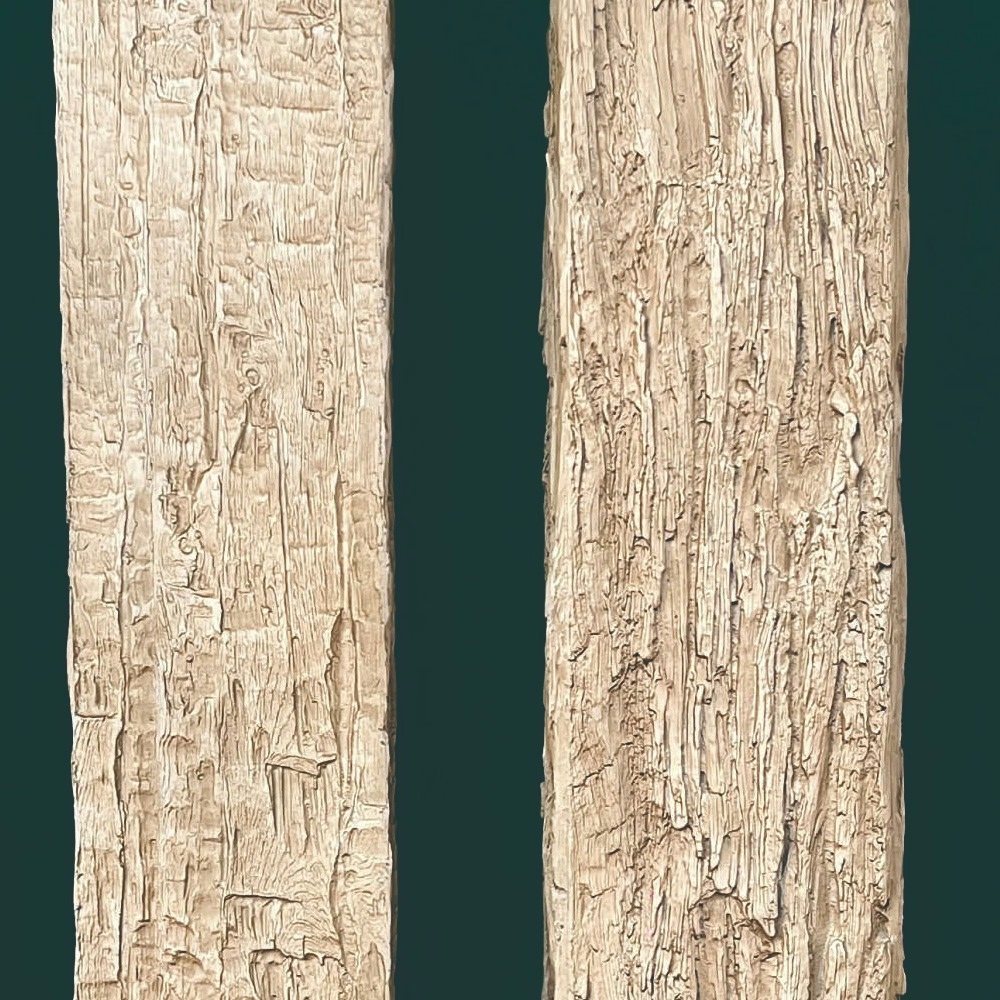
Polyurethane beams arrive from manufacturers with carefully applied finishes that represent significant craftsmanship. Protecting these finishes during installation preserves the quality that justified their selection while avoiding the touch-up work that damage otherwise requires.
Handling practices significantly affect finish preservation. Lifting beams by edges stresses attachment areas and risks surface contact damage. Using padded handling equipment and proper lifting technique prevents most finish damage from physical contact.
Adjacent surface protection matters as well. Painters' tape applied to beam edges before cutting prevents saw marks on finished surfaces. Drop cloths over work areas catch debris that could scratch or dent beam finishes. These simple precautions require minimal effort while providing meaningful protection.
Cutting operations require particular attention. Whenever beams must be cut to fit, blade selection and technique affect both cut quality and finish preservation. Fine-tooth blades with sharp edges produce clean cuts that require minimal finishing. Supporting cut areas to prevent tear-out preserves surface quality through the cut.
Ignoring Manufacturer Instructions
Every beam product line includes specific installation guidance that reflects the manufacturer's expertise about their particular products. This guidance addresses product-specific requirements that generic advice cannot anticipate. Deviating from manufacturer instructions typically voids warranties while increasing failure risk.
Common instruction elements include minimum and maximum fastener penetration depths, approved adhesive products, weight limits for various mounting methods, and environmental requirements for installation conditions. Reviewing and following these specifications ensures that installations meet manufacturer expectations for performance and longevity.
Questions about unclear instructions should be directed to manufacturer technical support rather than guessed at. Professional guidance is typically available and free, providing clarity that prevents costly mistakes. Most manufacturers prefer answering questions to processing warranty claims that result from installation errors.
Poor Joint Fitting and Sealing
Beams rarely install in continuous runs without joints—connections between beam ends, intersections with perpendicular beams, and terminations at walls all require attention. Poorly fitted joints become visual distractions that undermine otherwise quality installations.
Dry-fitting all joint components before adhesive application prevents surprises during final assembly. Adjusting cuts, shimming gaps, and testing fit ensure that actual installation proceeds smoothly. Rushing this preparation leads to gaps, misalignment, and frustration that proper preparation avoids.
Sealing joints against water intrusion and air leakage maintains both appearance and performance over time. Even interior beams benefit from sealed joints that prevent dust accumulation and air movement through gaps. Exterior applications absolutely require effective sealing to prevent water damage to underlying structures.
Moving Forward Confidently
Understanding common installation errors provides a foundation for avoiding them. The specific steps that prevent each error—proper assessment, appropriate hardware, precise measurement, adequate support, finish protection, instruction compliance, and quality joint work—combine into a comprehensive approach that professional installations follow consistently.
When questions arise during installation, pausing to seek guidance typically proves worthwhile. The temporary delay costs less than remediation of problems that improper execution creates. Manufacturers, professional installers, and online resources all provide support for those who seek it before rather than after mistakes occur.
The satisfaction of well-installed faux wood beams—dramatic visual impact, flawless execution, and years of maintenance-free performance—rewards the attention that quality installation requires. The investment of care during installation pays dividends throughout the beam lifecycle.
Technical References
ASTM standards cited in every specification
Test Data
Lab results from internal testing program
Updated 2026
Reviewed against current product specs