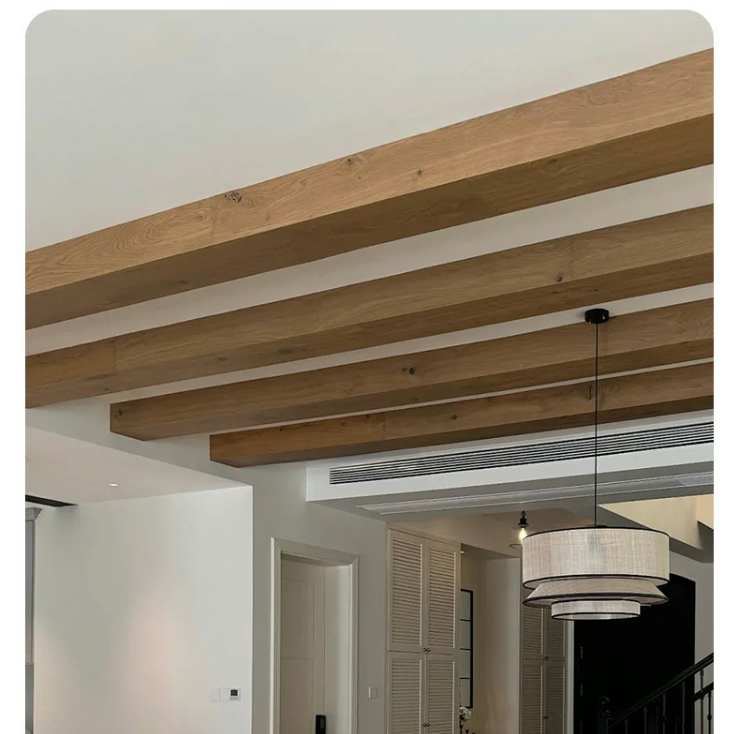
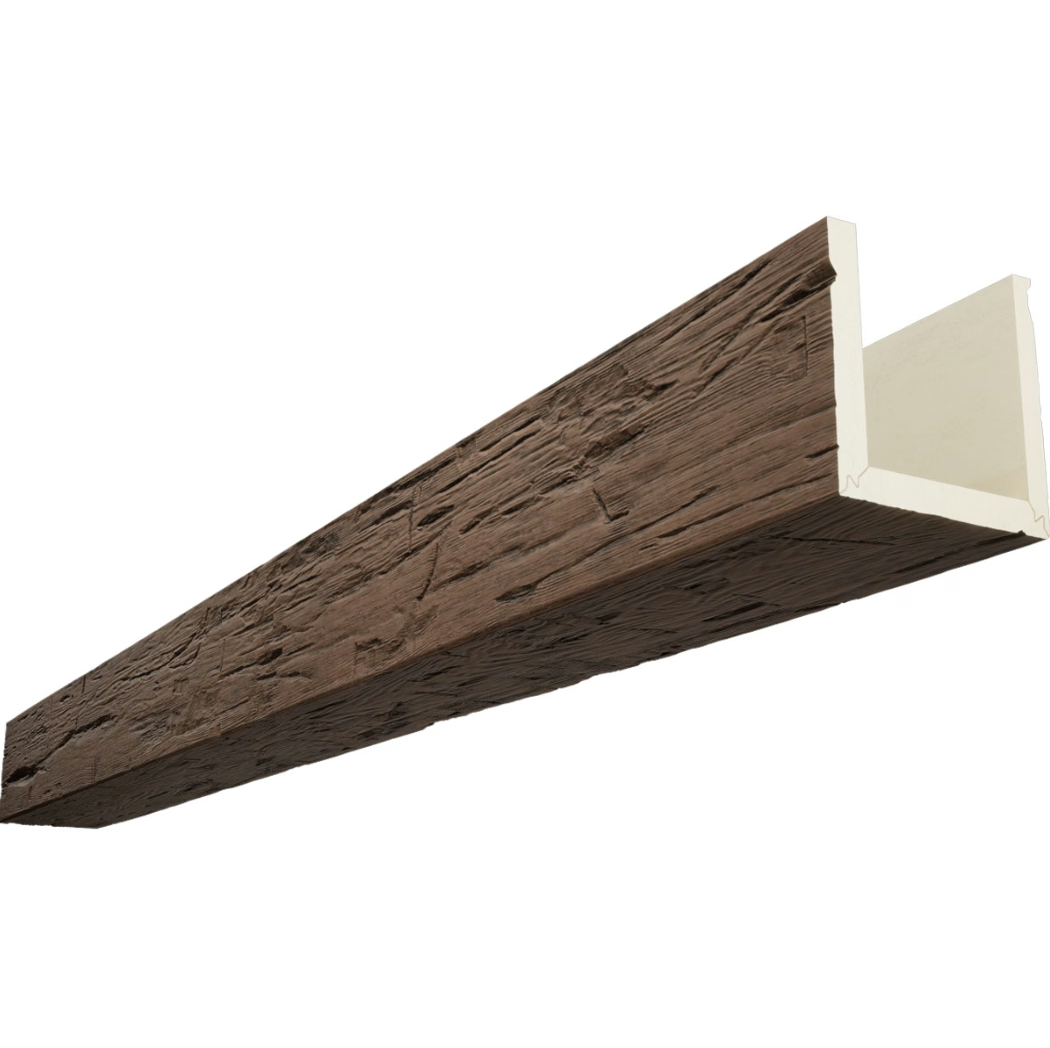
Community centers, clubhouses, and multi-purpose halls serve as the social infrastructure of neighborhoods, providing spaces where residents gather for activities ranging from birthday parties to civic meetings. These facilities must accommodate diverse uses while maintaining inviting atmospheres that encourage participation. Ceiling design significantly influences how users perceive and utilize these spaces, making beam installations valuable investments in community wellbeing.
The programming requirements for community facilities often conflict with architectural design preferences. Spaces that host children's parties need different acoustic properties than rooms used for concerts or public lectures. Ceilings that serve aesthetic goals must also support functional requirements for lighting, sound reinforcement, and climate control. Faux wood beams address these challenges through versatile installation options that integrate with complex building systems.
Budget constraints affect virtually all community facility projects, from initial construction through ongoing operations. Material selection significantly impacts both construction costs and long-term maintenance expenses. Faux wood beams offer initial cost advantages compared to genuine timber while reducing the maintenance burden that depletes operating budgets over time.
Design Principles for Public Gathering Spaces
Public buildings require design approaches that balance aesthetic aspirations with practical durability considerations. Materials selected for community facilities must withstand heavy use while maintaining appearances that justify public investment. The finishes and profiles chosen for beam installations communicate community values, making these elements important contributors to facility identity.
Welcoming atmospheres in community spaces depend on material choices that create warmth without appearing pretentious. Timber aesthetics naturally communicate approachability, suggesting that spaces are designed for ordinary people rather than elite institutions. Faux beams provide this warmth at costs appropriate for public funding while maintaining the durability that public facilities require.
Acoustic management represents a critical consideration for multi-purpose spaces. Beam installations contribute to acoustic performance by introducing irregular surfaces that scatter sound reflections. The specific beam configuration should address the primary uses planned for each space, with consultation from acoustic consultants for facilities hosting significant musical or speech activities.
The scale of beam installations should relate appropriately to room dimensions. Oversized beams in small rooms appear ridiculous, while undersized beams in large spaces disappear visually. Professional design assistance helps ensure that beam proportions create appropriate visual relationships with room geometry and other architectural elements.

Versatility Across Activity Types
Community centers typically host calendar activities that include fitness classes, social gatherings, educational programs, and cultural events. Each activity type suggests different spatial configurations and environmental conditions. Beam installations must accommodate this versatility without requiring constant reconfiguration.
Fitness facilities often feature high ceilings that support exercise equipment and air circulation requirements. Beam treatments in these spaces add visual interest to otherwise utilitarian environments while maintaining clear ceiling planes for mechanical systems. The beams can support exercise room lighting without interfering with floor-mounted equipment placement.
Social halls for receptions and parties benefit from ceiling treatments that create intimate atmospheres despite large floor areas. Strategic beam placement can define dance floor zones, dining areas, and gathering spaces within open floor plans. This spatial organization helps event hosts manage guest circulation without constructing permanent walls.
Educational spaces within community centers require ceiling treatments that support teaching activities. Beam installations can incorporate projection screens, smart boards, and interactive displays through integrated mounting systems. The visual interest provided by beams helps maintain student engagement during extended instruction periods.
Cultural programming spaces host performances, concerts, and artistic presentations that demand specific acoustic and visual environments. Beam configurations in these spaces should complement rather than compete with stage presentations, providing warmth without distracting from performances. Adjustable acoustic treatments can supplement beam installations when specific performance requirements exceed what beams alone provide.
Durability for High-Traffic Environments
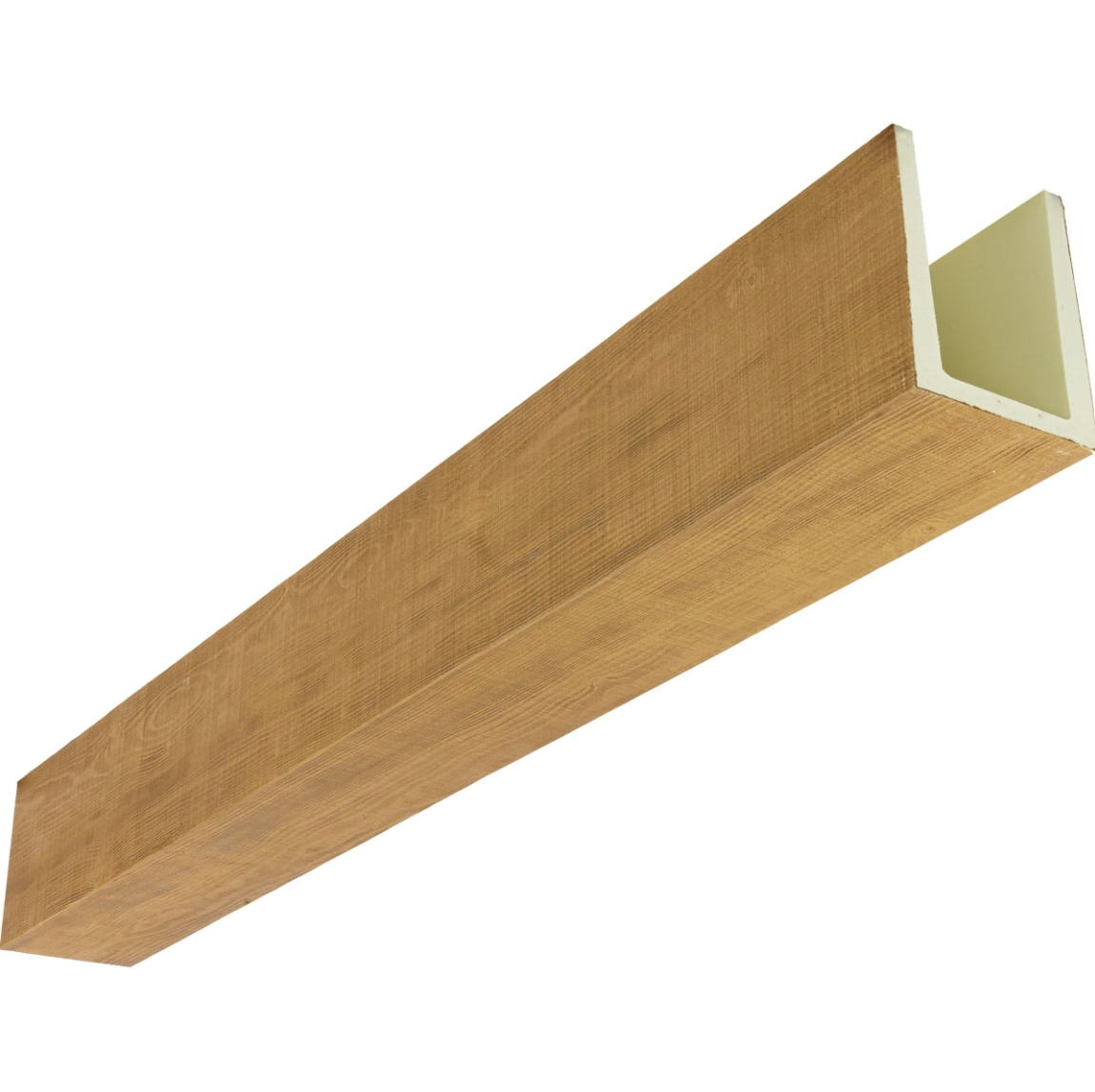
Public facilities experience traffic levels far exceeding typical residential or even commercial applications. Hundreds or thousands of users annually subject building elements to wear that would rarely occur in private settings. Material selection must account for this intensive use while maintaining appearances that justify public investment.
The impact resistance of PU materials proves valuable in spaces where furniture, equipment, and activities contact building surfaces. Unlike genuine timber that shows dents and scratches readily, faux beams maintain consistent appearances despite regular contact. This durability translates to reduced maintenance and replacement costs over the facility's service life.
Cleaning requirements in community facilities demand materials that accept standard janitorial products without damage. Faux wood beams tolerate the cleaning chemicals used in public buildings, including disinfectants required in post-pandemic facility management. The non-porous surface prevents staining and facilitates the thorough cleaning that public health concerns demand.
Moisture resistance addresses humidity variations that occur when community facilities host events with large crowds. Human respiration adds significant moisture to interior air, particularly during high-occupancy events. Faux beams resist the moisture absorption that causes genuine timber to warp, crack, or develop mold problems.
Acoustic Performance
The acoustic properties of multi-purpose halls significantly impact user experiences across different activity types. Spaces that feel acoustically comfortable encourage conversation and social interaction, while poor acoustics create fatigue and frustration. Beam installations contribute to acoustic performance through strategic placement and configuration.
Speech clarity depends on controlling excessive reverberation that makes words difficult to understand. Beam installations help by breaking up large ceiling planes that reflect sound waves directly back to listeners. The irregular surface creates multiple reflection paths that reduce the strength of direct echoes while maintaining appropriate liveliness for musical performances.
Background noise management addresses the sound from HVAC systems, equipment rooms, and adjacent activities that can interfere with primary space functions. Beam installations alone cannot solve significant noise problems, but they contribute to overall acoustic treatment packages that create comfortable listening environments.
Music reproduction in spaces used for concerts or performances requires careful acoustic engineering that extends beyond beam installations. Professional acoustic consultation helps ensure that beam treatments support rather than compromise musical goals. The investment in acoustic design pays dividends through improved user experiences during musical events.
Community Identity and Pride
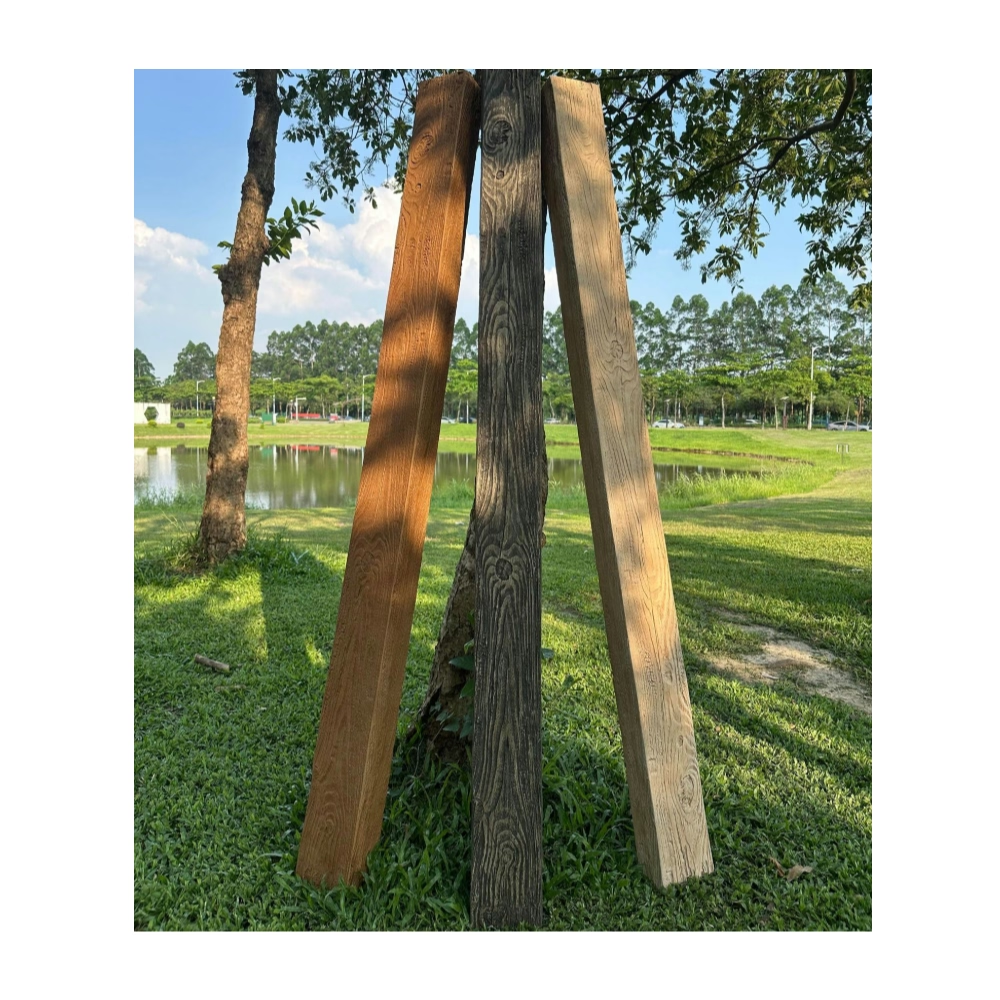
Public facilities represent community investments that should express local identity and aspirations. Design elements including beam installations communicate community values to residents and visitors, reinforcing place attachment and civic pride. Thoughtful material selection helps ensure that facilities feel like community assets rather than generic institutional buildings.
Local character integration might incorporate beam treatments that reference regional architectural traditions, natural environments, or cultural histories. Faux beams can replicate wood species native to surrounding landscapes, connecting facilities to their geographic contexts. The flexibility of faux materials enables customization that would prove difficult with genuine timber.
Accessibility considerations extend to sensory experiences that affect diverse community members. The warmth and texture of wood-tone beams create more comfortable environments for individuals with sensory sensitivities than cold institutional finishes. This inclusivity aligns with community center missions to serve all residents regardless of ability or background.
The longevity of beam installations affects community facility economics over extended time horizons. Materials that maintain their appearance for decades without replacement protect public investments while reducing long-term maintenance costs. Faux wood beams offer this longevity through durable construction that resists the wear and weathering that degrade genuine timber.
Technical References
ASTM standards cited in every specification
Test Data
Lab results from internal testing program
Updated 2026
Reviewed against current product specs