Few interior combinations evoke warmth and authenticity quite like natural stone paired with the rustic elegance of wood. This timeless pairing appears throughout architectural history, from medieval great halls to contemporary mountain retreats, and continues to resonate with homeowners seeking interiors that feel grounded and character-rich. Faux wood beams offer designers and homeowners access to this classic aesthetic without the weight, cost, and installation complexity of genuine timber, making them ideal companions for dramatic stone fireplace installations.
Design Philosophy: Balance and Contrast
Successful stone-and-wood pairings balance visual weight between the two materials while celebrating their inherent differences. Stone brings solidity, texture, and a cool earthiness derived from its geological origin. Wood contributes warmth, organic patterns, and the comfortable familiarity of a living material. Together they create rooms that feel anchored and inviting rather than cold or sterile.
The proportional relationship between stone surfaces and wood beams significantly affects the overall impression. Large stone fireplaces dominating a wall benefit from equally substantial beams overhead—a sparse arrangement of delicate beams would appear inadequate, struggling to hold visual ground against the massive stone presence. Conversely, modest stone surrounds might be overwhelmed by enormous beams, creating top-heavy compositions that feel uncomfortable.
Proportion guidelines depend on room scale, ceiling height, and the overall design program. In rooms with ten-foot ceilings and substantial square footage, bold implementations work well: a floor-to-ceiling stone fireplace paired with substantial exposed beams crossing the ceiling creates a dramatic focal point. Smaller rooms or lower ceilings require more restrained approaches—perhaps a stone surround of modest scale with beams that echo rather than compete for attention.
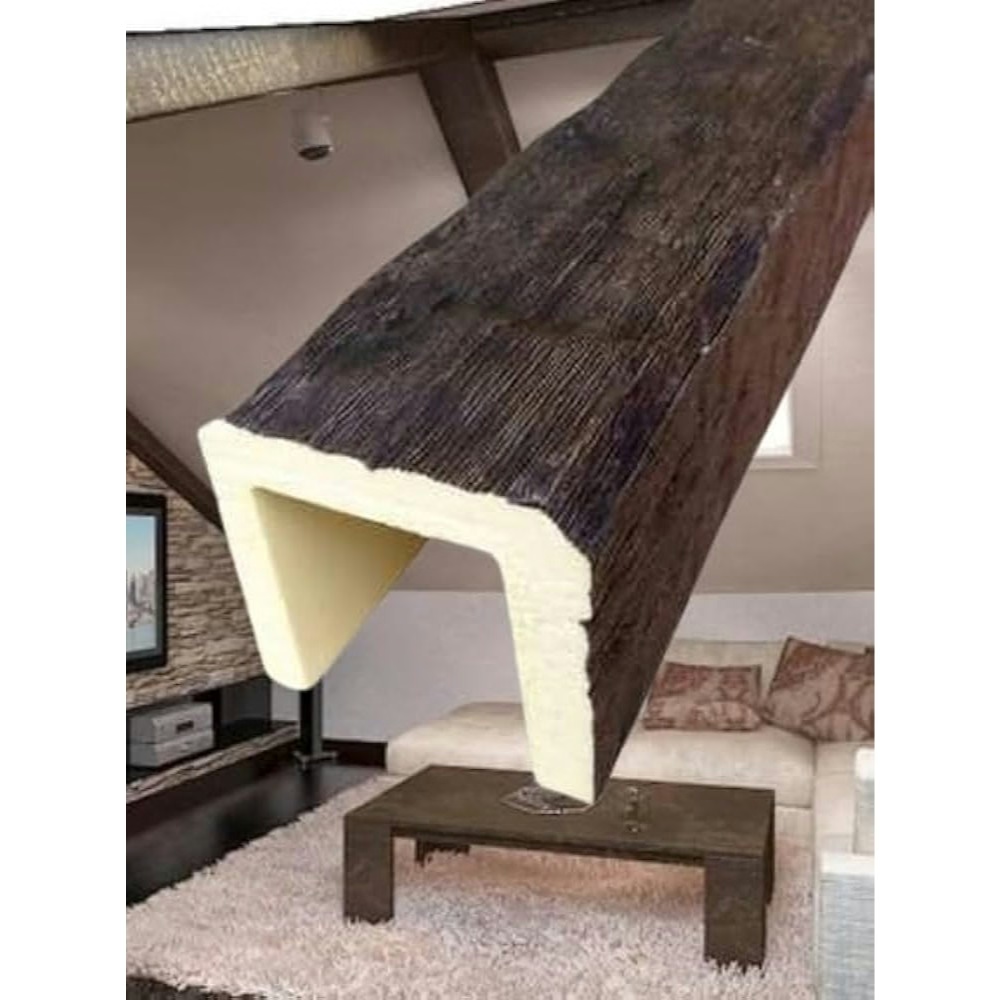
Color Coordination Strategies
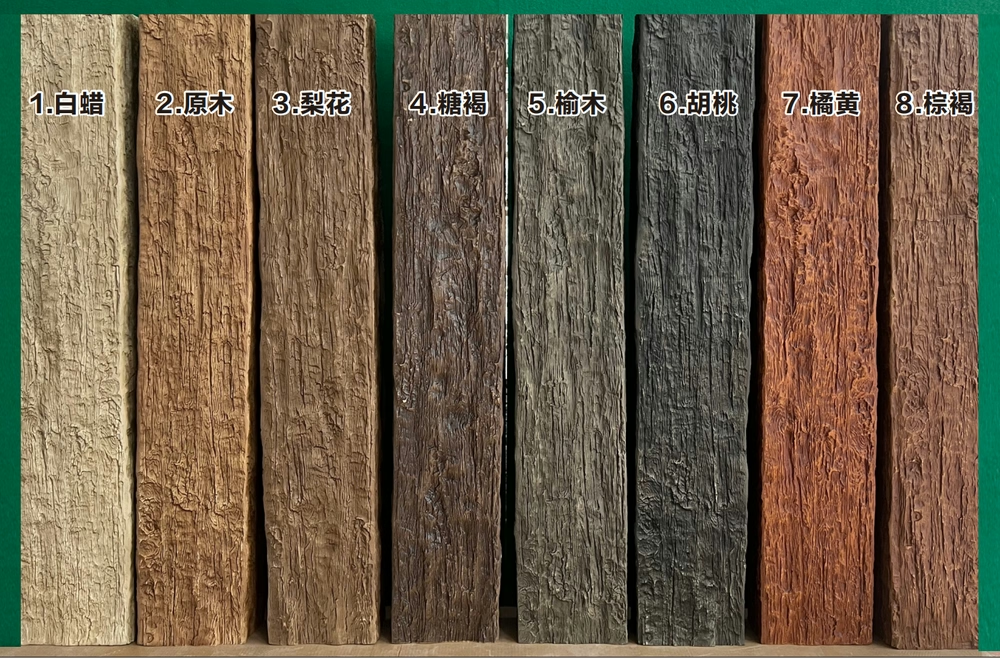
Selecting beam finishes that complement rather than clash with stone colors requires understanding the existing palette and planning appropriate responses. Several approaches yield attractive results depending on the specific stone hues and desired overall mood.
Matching wood tones to stone undertones creates subtle coordination. Cool gray stones pair beautifully with lighter gray-toned beams or weathered wood finishes with gray undertones. Warm brown or tan stones harmonize with honey, amber, or chocolate wood tones. This tonal matching feels natural and intentional, creating cohesion without demanding exact color matching that rarely proves achievable or desirable.
Deliberate contrast offers another valid approach. Deep, almost-black beams can create dramatic tension against light-colored stones, drawing the eye upward and emphasizing ceiling height. This high-contrast approach works particularly well in contemporary or industrial-influenced spaces where the stark contrast reads as a deliberate design choice rather than an oversight.
Consider how lighting affects both materials throughout the day. Morning light, evening light, and artificial illumination reveal different qualities in stone textures and wood finishes. Evaluate proposed combinations under multiple lighting scenarios before finalizing selections, either through physical samples in the actual space or through detailed documentation of how materials appear under different conditions.
Ceiling Treatment Integration
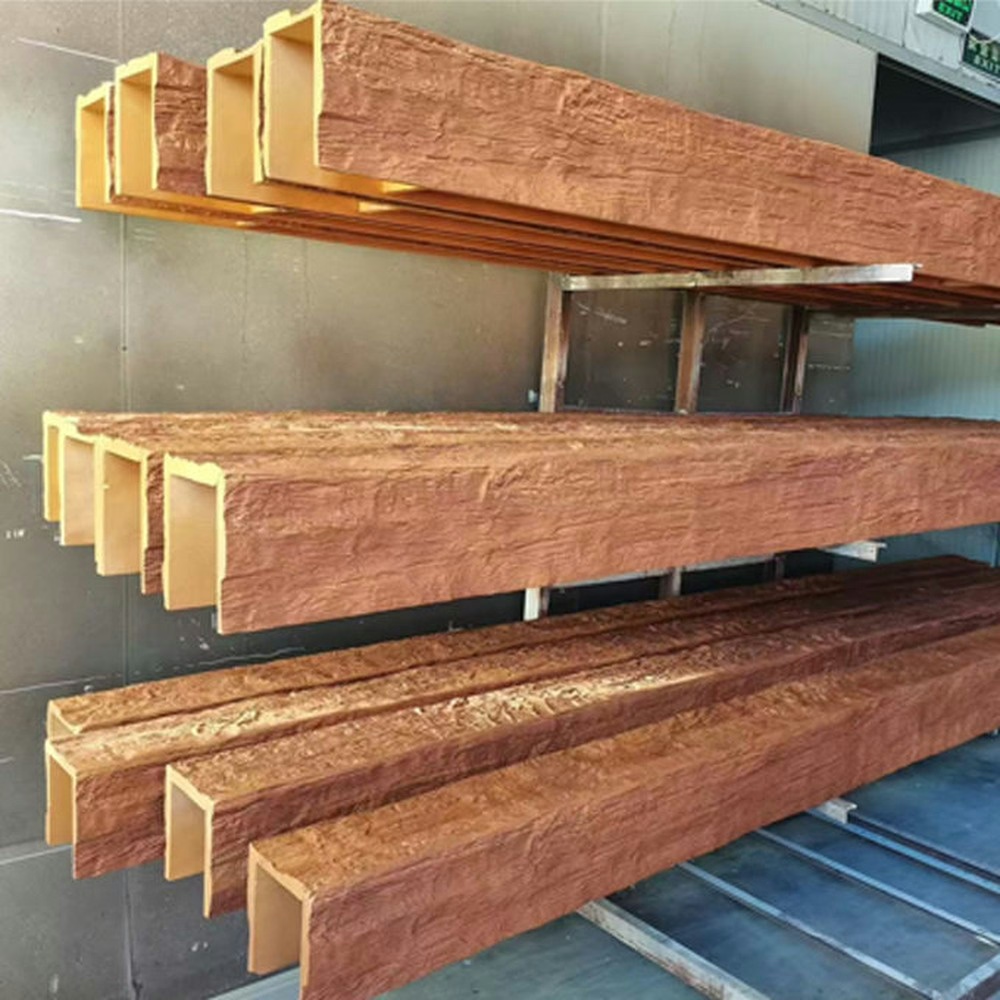
The most impressive stone-and-beam combinations extend beyond the fireplace to incorporate beams throughout the ceiling plane. This integration creates architectural completeness rather than a single impressive element surrounded by generic space. Thoughtful planning addresses how beams transition between areas and terminate appropriately throughout the room.
Coffered ceiling patterns using beams as framework elements create formal structure that frames the stone fireplace as the room's centerpiece. The beams define spatial zones within the ceiling while maintaining visual connection across the entire plane. This approach works particularly well in larger rooms where the architectural detail can be appreciated from multiple vantage points.
Simpler implementations might feature beams running parallel above the fireplace and extending into adjacent ceiling areas without creating full patterns. This linear approach feels more casual and contemporary while still acknowledging the fireplace as a design priority. The beams might also connect to the fireplace structure itself through mantel beams that visually anchor the ceiling treatment to the stone mass below.
Beams crossing perpendicular to the fireplace create different impressions than beams running parallel. Parallel orientation emphasizes length and can make rooms feel larger by drawing the eye across the space. Perpendicular beams create visual barriers that define zones more distinctly, working well in open floor plans where the fireplace area needs definition against adjacent spaces.
Installation Considerations for Fireplace Environments
Fireplace proximity introduces environmental factors that affect both material selection and installation approach. Heat exposure, moisture fluctuation, and combustion byproducts all require consideration to ensure lasting satisfaction with the installation.
Quality polyurethane beams tolerate the intermittent heat exposure typical of fireplace environments without degradation. However, proximity matters significantly—beams directly above the firebox in a traditional open fireplace face more challenging conditions than beams at the room's far edges. Understanding your specific fireplace configuration and designing beam placement accordingly prevents future disappointments.
Ventless gas fireplaces and certain electric installations create different heat profiles than wood-burning options. Gas flames produce more consistent but potentially drier heat, while electric units generate minimal actual heat but may cause warming of nearby surfaces. Each scenario warrants individual assessment rather than assuming one approach works universally.
The mantel beam above the fireplace deserves particular attention as both a visual and functional element. This horizontal beam serves as a display surface for seasonal decorations and treasured objects, requiring adequate projection from the stone to prevent items from falling into the fire. The beam must also appear substantial enough to serve its architectural purpose while remaining proportionally appropriate to the overall composition.
Creating Cohesive Room Schemes
Stone fireplaces and faux wood beams rarely exist in isolation—they appear within fully furnished rooms requiring coordination with flooring, wall treatments, furniture, textiles, and accessories. Creating coherent schemes requires understanding how these various elements interact and reinforce each other.
Flooring choices significantly impact the overall impression of stone-and-beam rooms. Hardwood floors in coordinating tones extend the wood theme and create visual grounding for the stone and ceiling treatments above. Stone or tile floors provide textural variety but may create cooler overall impressions unless balanced with warmer elements elsewhere in the room.
Area rugs define conversation zones and introduce color, pattern, and softness that balance the hard surfaces dominating the upper portions of the room. A substantial rug in earth tones or complementary colors ties together the stone and wood elements while providing acoustic benefits that reduce echo in rooms with hard surfaces throughout.
Lighting design deserves attention in rooms featuring stone and beam combinations. Both materials respond dramatically to lighting direction and quality, revealing texture and color variation when illuminated effectively. Consider recessed lighting, track systems, or decorative fixtures that highlight ceiling beams while creating comfortable illumination at human height for daily use.
The combination of stone fireplaces with complementary faux wood beams creates interiors that feel genuinely crafted, architecturally significant, and warmly inviting. By understanding the principles that govern successful stone-and-wood pairings, designers and homeowners can achieve results that honor classical design traditions while embracing modern materials and techniques that make such transformations more accessible.
Technical References
ASTM standards cited in every specification
Test Data
Lab results from internal testing program
Updated 2026
Reviewed against current product specs


