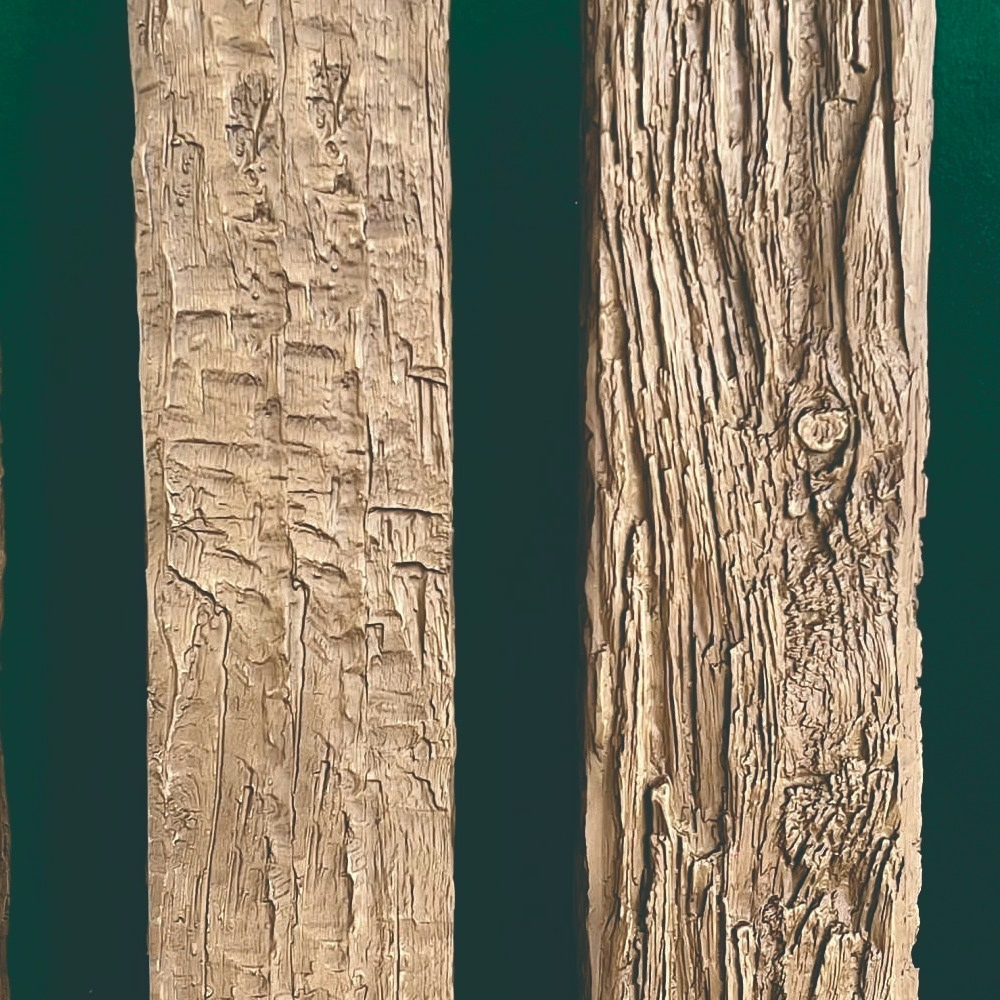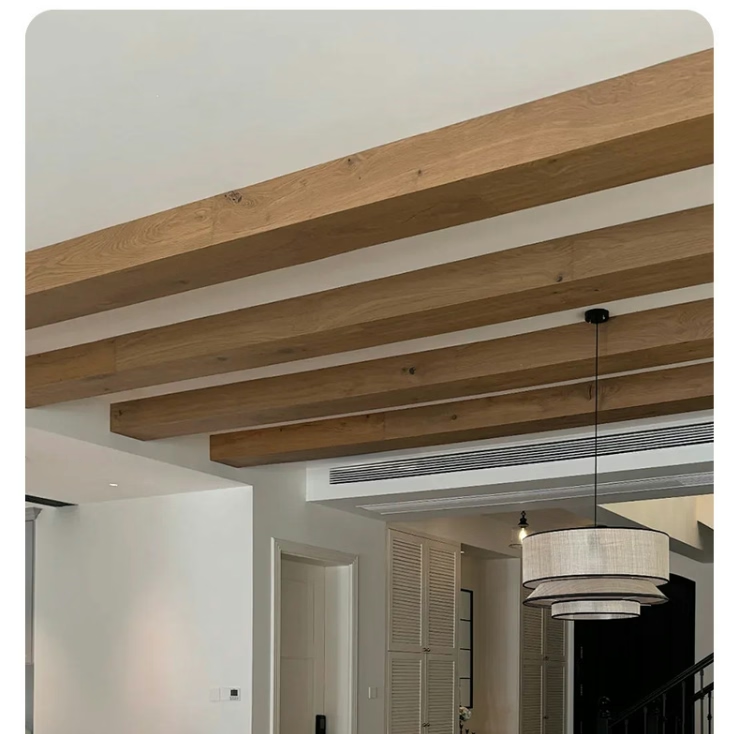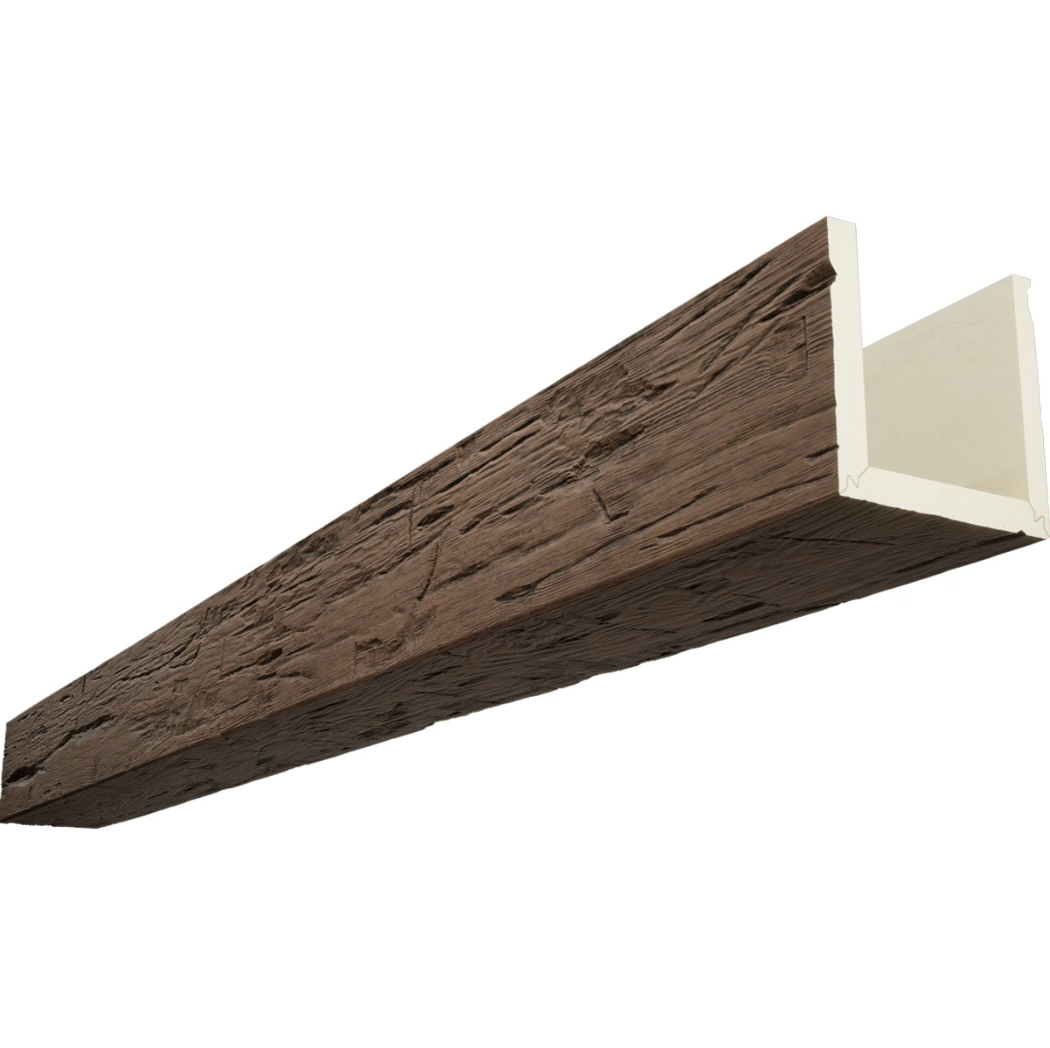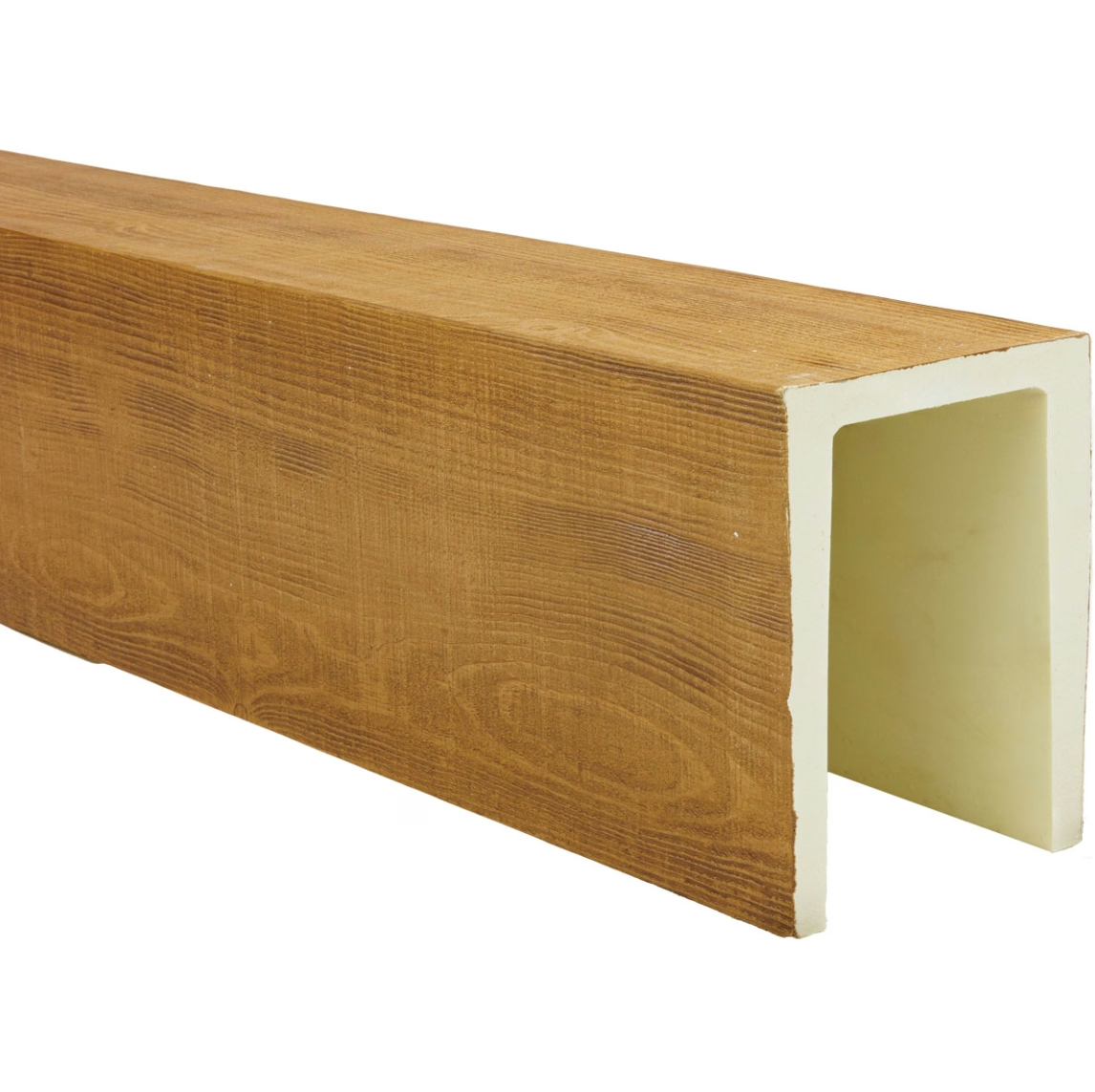
Sourcing faux wood ceiling beams from China has become an increasingly attractive option for building material importers, interior design firms, and home improvement retailers around the world. Chinese manufacturers have refined their polyurethane casting and finishing processes over the past two decades, producing beams that rival real timber in appearance while offering superior consistency, lighter weight, and competitive pricing. For anyone new to international procurement of these products, the process can seem daunting, but a clear understanding of the key steps and considerations will help ensure a successful importing experience.
Understanding the Chinese Manufacturing Landscape
China hosts a significant concentration of manufacturers specializing in polyurethane architectural moldings, including faux wood beams, corbels, crown moldings, and decorative panels. The industry is centered in several provinces, with concentrations of factories producing similar product lines in clustered industrial zones. This geographic clustering means that suppliers often have well-established supply chains for raw materials, molds, and finishing components, which translates to competitive pricing and relatively short lead times for standard products.
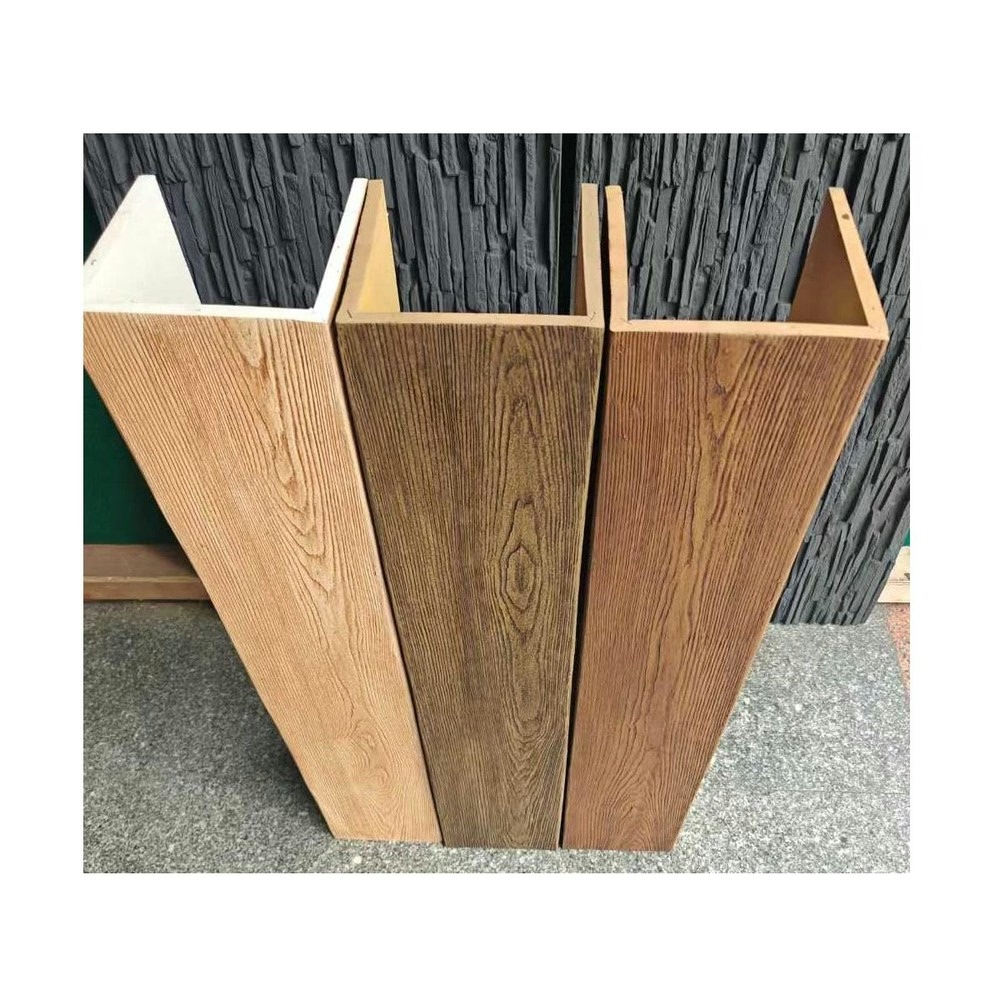
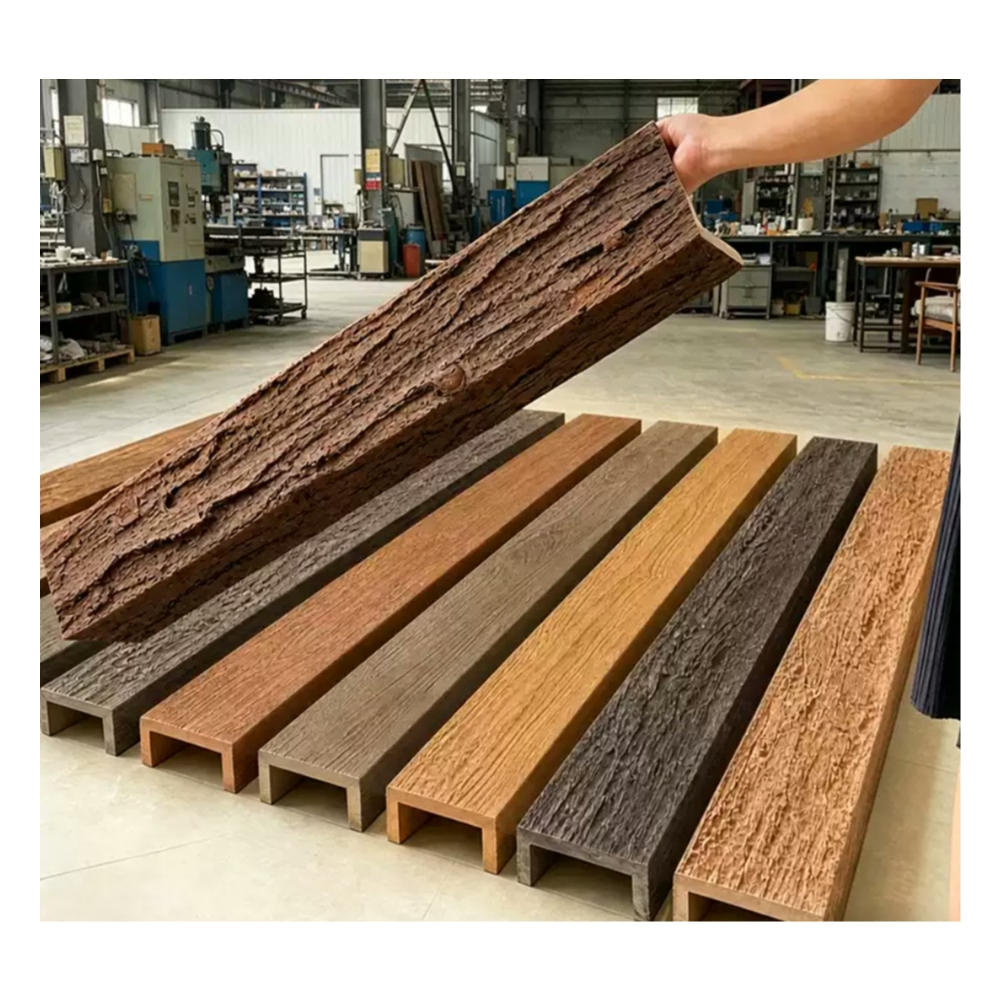
Most Chinese PU beam manufacturers operate on a mix of standard catalog production and custom OEM capabilities. Standard beams are produced in common profiles—traditional beam cross-sections, rustic hand-hewn styles, contemporary clean-line designs—and finished in popular colors such as natural oak, dark walnut, weathered gray, and whitewash. Custom orders, including non-standard dimensions, specialized finishes, or branded packaging, typically require longer lead times and higher minimum order quantities.
When evaluating manufacturers, look for companies with established export experience, ideally those who regularly ship to your country or region. These suppliers are more likely to understand international packaging requirements, documentation standards, and the expectations of foreign buyers. Factory audits, either conducted in person or through a third-party inspection service, provide valuable insight into production capacity, quality management systems, and working conditions.
Minimum Order Quantities and Pricing Structures
Minimum order quantities represent one of the first practical hurdles for new importers. MOQs for PU faux wood beams vary considerably depending on the manufacturer and the level of customization involved. Standard catalog items may be available with MOQs as low as 10 to 20 pieces per SKU, particularly for smaller profile beams. Larger, heavier, or more elaborately finished beams typically carry higher MOQs, sometimes 50 or more units per style, because the molds and production setups represent a meaningful investment for the factory.
Custom colors, custom finishes, or non-standard dimensions will almost always increase MOQs. A manufacturer may require an order of 100 or more pieces to justify the setup costs for a new finish color or a bespoke profile. This is where planning ahead becomes essential—consolidating custom requirements across multiple projects or aligning custom orders with existing MOQ commitments can significantly reduce per-unit costs.
Pricing structures generally follow a tiered volume discount model. The per-unit price drops as order quantities increase, with the most dramatic price reductions occurring at the transition between small test orders and full container loads. Importers who plan their purchasing to coincide with container minimums—typically 20-foot containers for lighter PU products—achieve the best landed costs. Working with a freight forwarder to optimize container loading and consolidate shipments across multiple SKUs is a common and effective strategy.
Shipping, Logistics, and Landed Costs
Shipping PU faux wood beams from China involves choosing between sea freight and air freight, with sea freight being the dominant choice for cost-sensitive importers. Faux wood beams are relatively bulky but not extraordinarily heavy, meaning that a 20-foot container can typically accommodate a substantial order, but cubic capacity rather than weight often becomes the limiting factor.
Ocean freight rates fluctuate with market conditions, fuel costs, and seasonal demand. Importers should monitor freight rate trends and, where possible, lock in rates during periods of stability. Port congestion, weather disruptions, and geopolitical factors can occasionally create significant delays, so building buffer time into project schedules is advisable.
Insurance is a non-negotiable component of international shipping. All but the smallest orders should be covered by marine cargo insurance that protects against loss or damage during transit. Most freight forwarders offer this coverage, or it can be purchased separately through insurance providers specializing in cargo.
Landed cost calculations must account for more than the product price and shipping. Customs duties, import taxes, port handling fees, customs brokerage charges, inland transportation from the destination port, and warehouse storage all contribute to the final cost. Duty rates for polyurethane architectural moldings vary by country—importers should consult with a customs broker or trade specialist to understand the applicable tariff classifications before placing orders.
Quality Control and Compliance Considerations
Implementing a robust quality control process is perhaps the most important step an importer can take to protect their investment. Even the most reputable Chinese manufacturers can produce batches with minor defects, color inconsistencies, or dimensional variations. Without inspection, these issues may only become apparent after the shipment arrives, by which point the cost of remediation or replacement is substantially higher.
Pre-shipment inspection by a third-party quality control company is the industry standard for international building material imports. Inspectors visit the factory or warehouse before shipment, randomly sampling products from the production batch and checking them against agreed specifications. Common inspection criteria include dimensional accuracy, color match to approved samples, surface finish quality, packaging integrity, and structural integrity of the beam ends and mounting channels.
Requesting pre-production samples before the main order is placed is another critical practice. A small sample order—often 2 to 5 pieces—allows the importer to physically evaluate the beam's appearance, weight, finish quality, and compatibility with mounting hardware. These samples serve as the reference standard against which the production batch is judged during inspection.
On the compliance side, polyurethane faux beams are generally subject to standard building material regulations governing fire resistance, VOC emissions, and structural performance. Different markets have different requirements: the US market may involve ASTM testing and California Proposition 65 compliance for certain chemical emissions, while the European market requires CE marking and REACH compliance. Confirming the specific requirements for your target market with the manufacturer early in the process prevents costly compliance gaps.
Payment Terms and Relationship Building
Payment terms for international trade with Chinese manufacturers typically start with safer arrangements for new buyers and evolve toward more favorable terms as relationships develop. The common starting point is a 30% deposit paid via wire transfer, with the remaining 70% paid before shipment, upon presentation of shipping documents, or through a letter of credit issued by a bank.
Letter of credit arrangements offer the highest level of security for both parties, but they involve bank fees and administrative complexity. Escrow services, where a third party holds the payment until the buyer confirms receipt of goods in acceptable condition, are an increasingly popular middle-ground option for smaller orders.
Building a long-term relationship with a reliable manufacturer offers significant advantages. Established relationships often unlock better pricing, more flexible MOQs, priority production scheduling during busy periods, and access to new product development collaboration. Regular communication, prompt payment, and respectful negotiation all contribute to a productive supplier relationship that benefits both parties over time.
Importing faux wood ceiling beams from China is a well-established and viable path to competitive pricing and product variety for the global market. Success depends on thorough preparation, disciplined quality control, and realistic cost planning that accounts for all components of the landed cost.
Technical References
ASTM standards cited in every specification
Test Data
Lab results from internal testing program
Updated 2026
Reviewed against current product specs