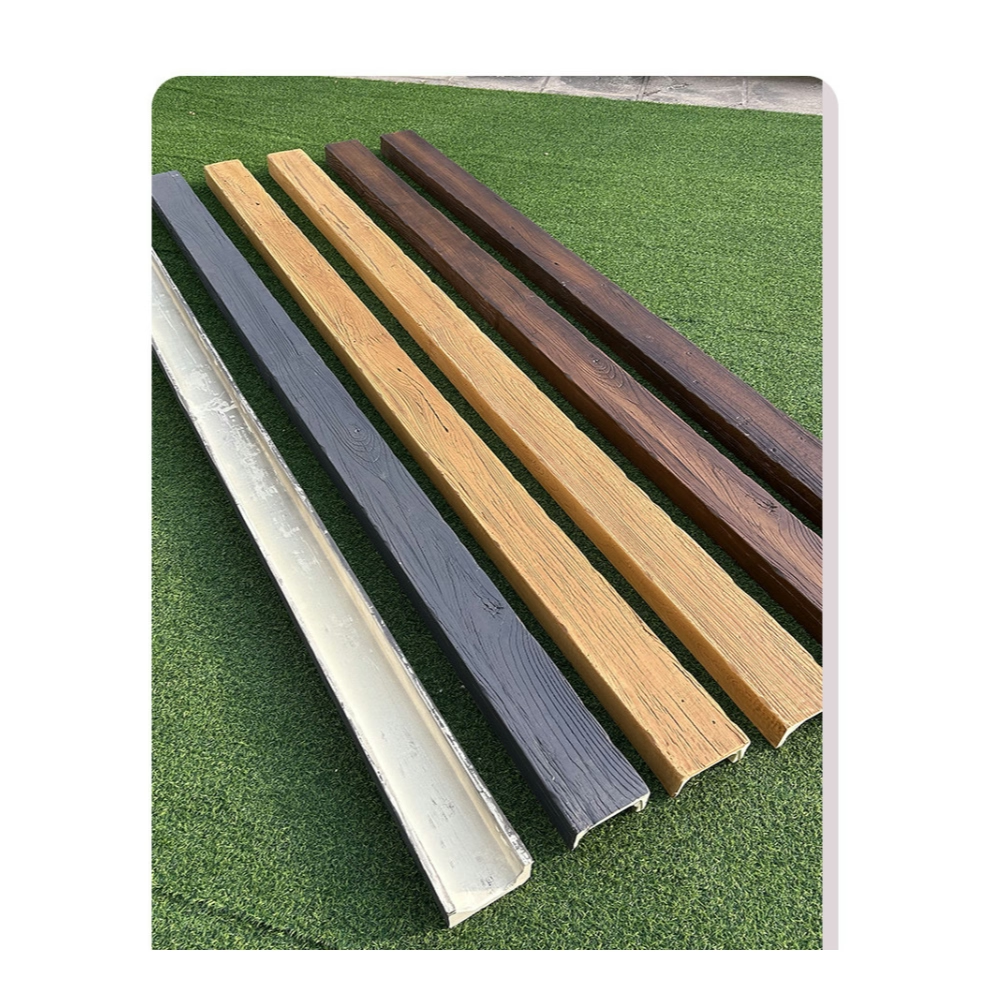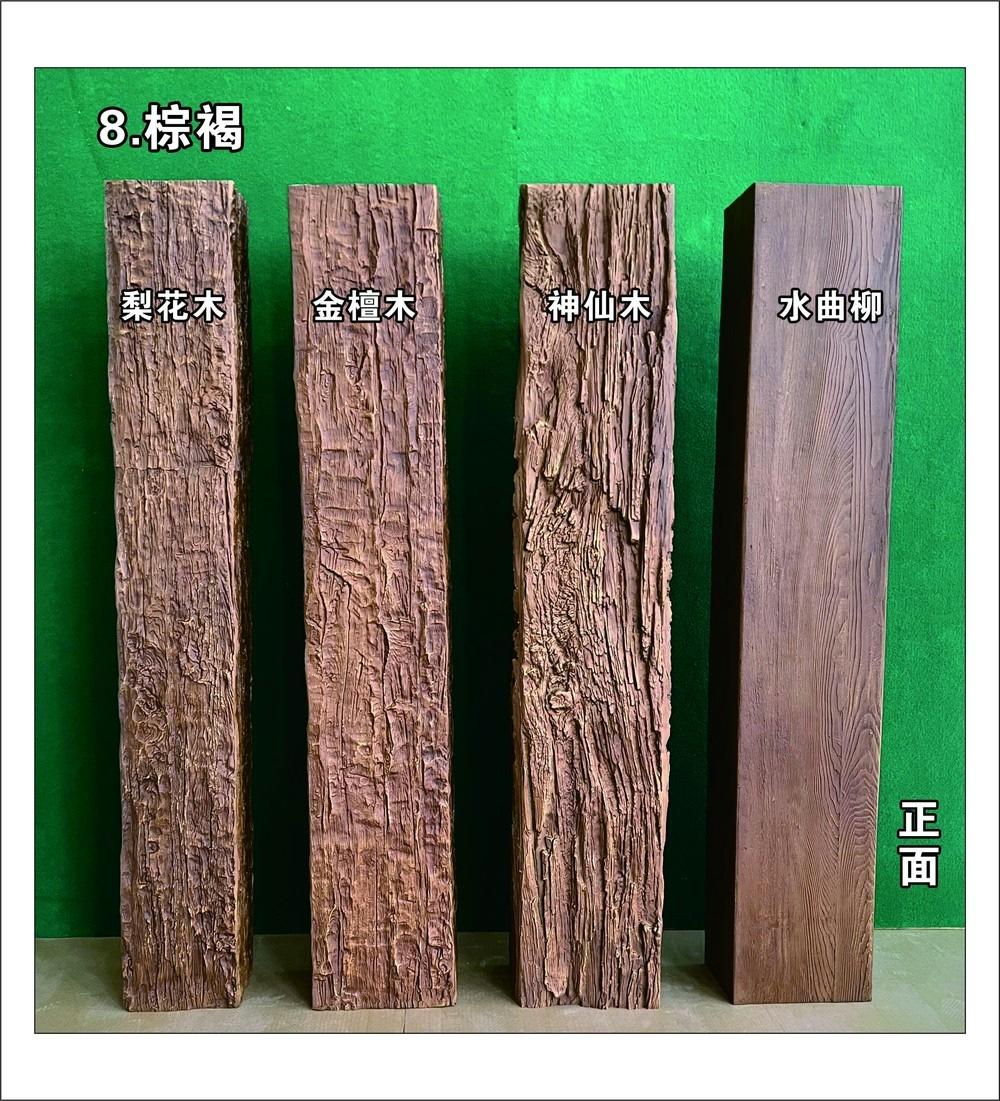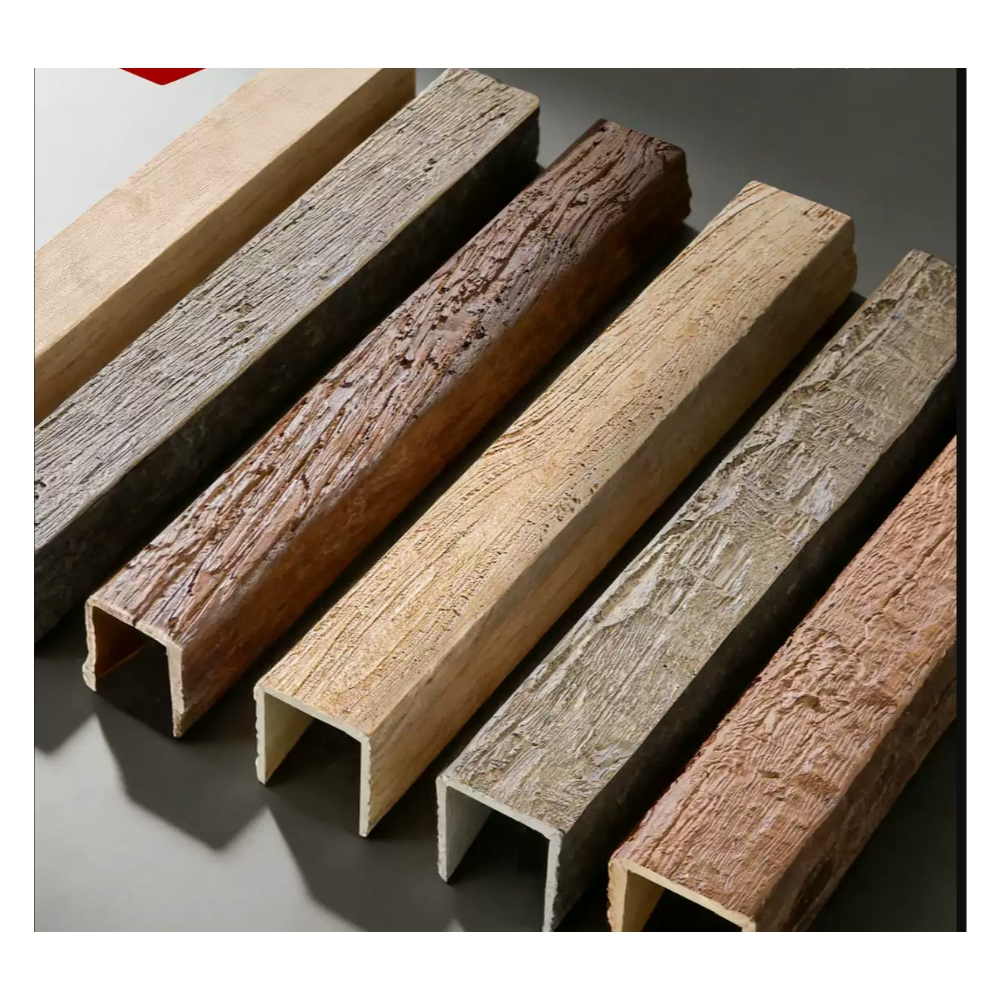
The days and weeks immediately following the installation of polyurethane faux wood beams are particularly important for ensuring that the finished installation performs well over its full service life. While PU beams are remarkably stable and durable compared to many decorative materials, a thoughtful post-installation care routine addresses the early-period issues that can affect any newly installed architectural element and establishes practices that benefit the installation for years to come.
Immediate Post-Installation Steps
Within the first 24 hours after installation, several immediate care steps help ensure that the beams settle into their final position correctly and that any installation-related issues are identified before they become problems.
Inspection of all joints and connections should be performed as the first step. The installer should systematically check every beam-to-bracket connection, every end-to-end splice, and every beam-to-wall or beam-to-ceiling junction for any signs of movement, separation, or misalignment. Even beams that appeared perfectly positioned at the end of the installation can shift slightly as the adhesive cures or as the building settles, and early identification of these movements allows for prompt correction.
Screw and fastener verification is the next priority. Any fasteners that were not fully seated during installation should be tightened, and any fasteners that have worked loose due to installation stresses should be re-secured. The finish plugs that cover screw heads should be checked to ensure they are fully seated and flush with the surrounding beam surface.
Cleaning of the beam surfaces removes any installation-related dust, adhesive residue, or fingerprints. A soft microfiber cloth is appropriate for most surfaces, and any adhesive smears that did not fully cure should be carefully removed with an appropriate solvent recommended by the adhesive manufacturer. Caulk lines at beam-to-wall or beam-to-ceiling junctions should be inspected for completeness and any gaps should be filled before the surrounding work continues.
Documentation of the completed installation is a valuable practice that supports future maintenance and any warranty claims. Photographs taken from multiple angles capture the installation's appearance as a baseline for comparison with future conditions. As-built measurements and a record of the specific product codes, finish colors, and batch numbers used help with ordering replacement components or matching new beams in adjacent spaces.
The First 30 Days: Settling Period
The first month after installation represents a settling period during which the materials adjust to their final position and any installation-related stresses resolve. During this period, attention to a few specific concerns helps ensure that the installation matures into a stable, long-lasting feature.
Adhesive curing continues for several days after installation, and during this period the beam connections are at their most vulnerable to disturbance. Heavy impacts, vibration, or pressure on the beams should be avoided, and any work in the immediate vicinity—other trades, painting, electrical work—should be coordinated to avoid accidental contact with the freshly installed beams.
Temperature and humidity stability benefits the settling process. Maintaining normal indoor environmental conditions—temperature between 18°C and 24°C and relative humidity between 40% and 60%—during this period allows the materials to stabilize under typical operating conditions. Extreme temperature swings or humidity levels should be avoided if possible.
A second inspection at the two-week mark often reveals issues that were not apparent at the end of the installation. Beam alignment may have shifted slightly as the adhesive cured, any settling of the building structure may have introduced minor gaps or misalignments, and any installation issues that the installer did not catch initially become easier to identify once the dust has settled and the work area is calm.
Final touch-ups are typically performed at the end of the first month. Any finish plugs that have loosened are re-secured, any small gaps that have appeared are filled with color-matched caulk or filler, and any minor surface scuffs from the installation process are touched up with matching paint or stain. These final details make a significant difference in the long-term appearance of the installation.
Ongoing Maintenance Practices
Once the initial settling period has passed, the maintenance requirements for PU faux wood beams become minimal but consistent. A few regular practices keep the installation looking its best and identify any emerging issues before they become significant problems.
Annual cleaning is the foundation of ongoing maintenance. A thorough dusting of all beam surfaces, followed by spot cleaning of any areas with visible buildup, keeps the installation looking fresh. In commercial installations with higher exposure to airborne contaminants, more frequent cleaning may be appropriate. The cleaning products and methods used should follow the manufacturer's recommendations and should avoid harsh chemicals or abrasive materials.
Periodic fastener inspection catches any loosening that may occur over time. While properly installed PU beams should not develop significant fastener loosening for many years, building movement, seasonal expansion and contraction, and vibration from mechanical systems can occasionally cause fasteners to work loose. An annual check of visible fasteners, supplemented by a more thorough inspection every three to five years, identifies these issues early.
Surface inspection identifies any damage or wear that has occurred since the previous inspection. This includes checking for any cracks in the beam material, any signs of joint separation, any finish deterioration, and any other conditions that may affect the installation's appearance or performance. Documentation of inspection findings creates a maintenance history that supports both ongoing care and any future warranty or insurance claims.
For commercial installations, the post-installation care program should be formalized and assigned to specific personnel. Documentation of maintenance activities, inspection results, and any corrective actions taken creates a clear record of the installation's care history and supports compliance with any warranty terms or regulatory requirements that apply.
Special Considerations for Specific Environments
Certain installation environments require additional post-installation care considerations beyond the standard practices. Understanding these environment-specific concerns helps installers and building owners provide appropriate care.
Bathrooms and high-humidity environments require attention to moisture-related issues even though PU beams themselves are not affected by moisture. The surrounding wall and ceiling surfaces may experience moisture-related changes that affect the beam-to-wall interface. Periodic inspection of these interfaces ensures that any moisture-related issues are addressed before they affect the beam installation.
Kitchens expose beams to airborne grease and steam. More frequent cleaning may be necessary to prevent grease buildup on beam surfaces, and the beam installation near the cooking area should be inspected periodically for any heat-related issues if the beams are positioned near cooking appliances.
Outdoor covered installations—porches, verandas, and similar spaces—are subject to greater environmental variation than interior spaces. These installations benefit from more frequent inspections, particularly after seasonal weather changes, and may require refinishing or touch-up more often than fully interior installations.
Commercial installations with high occupant loads have additional considerations related to safety and liability. Periodic inspections by qualified personnel, combined with prompt attention to any damage or deterioration, support both the safety of occupants and the building owner's compliance with applicable regulations.
The post-installation care of PU faux wood beams is fundamentally straightforward, but the practices described in this guide ensure that the installation performs as intended over its full service life. Establishing these practices early and maintaining them consistently is the surest way to maximize the value and enjoyment that PU beam installations provide.
Technical References
ASTM standards cited in every specification
Test Data
Lab results from internal testing program
Updated 2026
Reviewed against current product specs