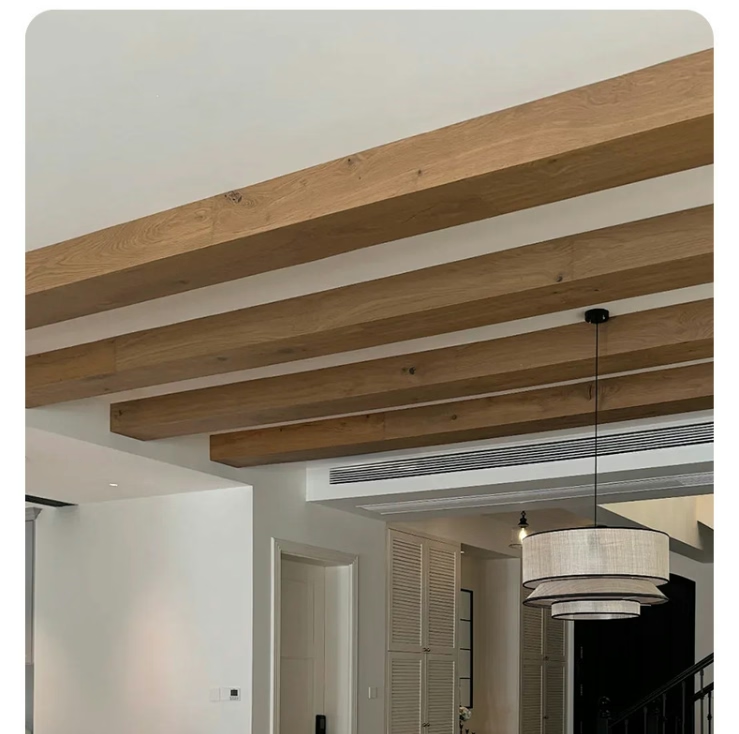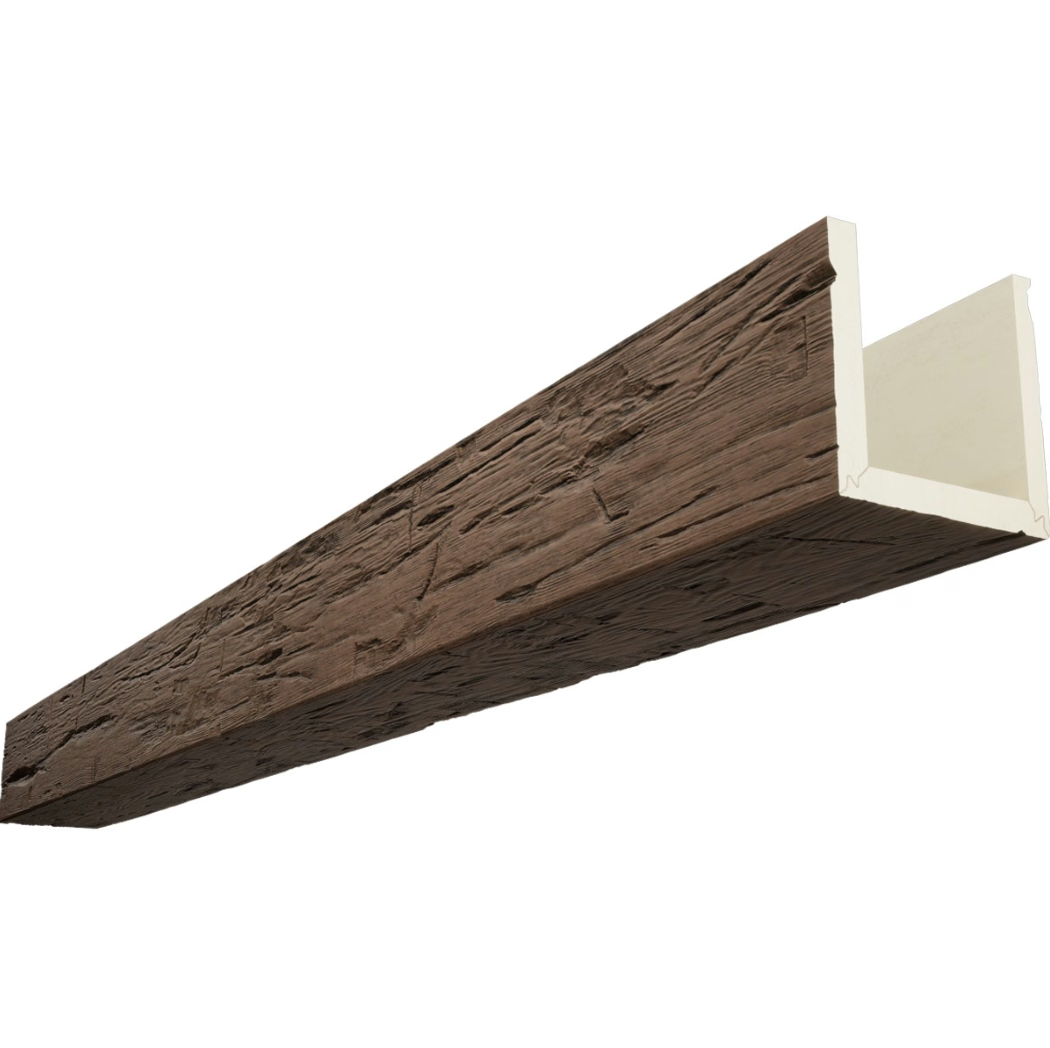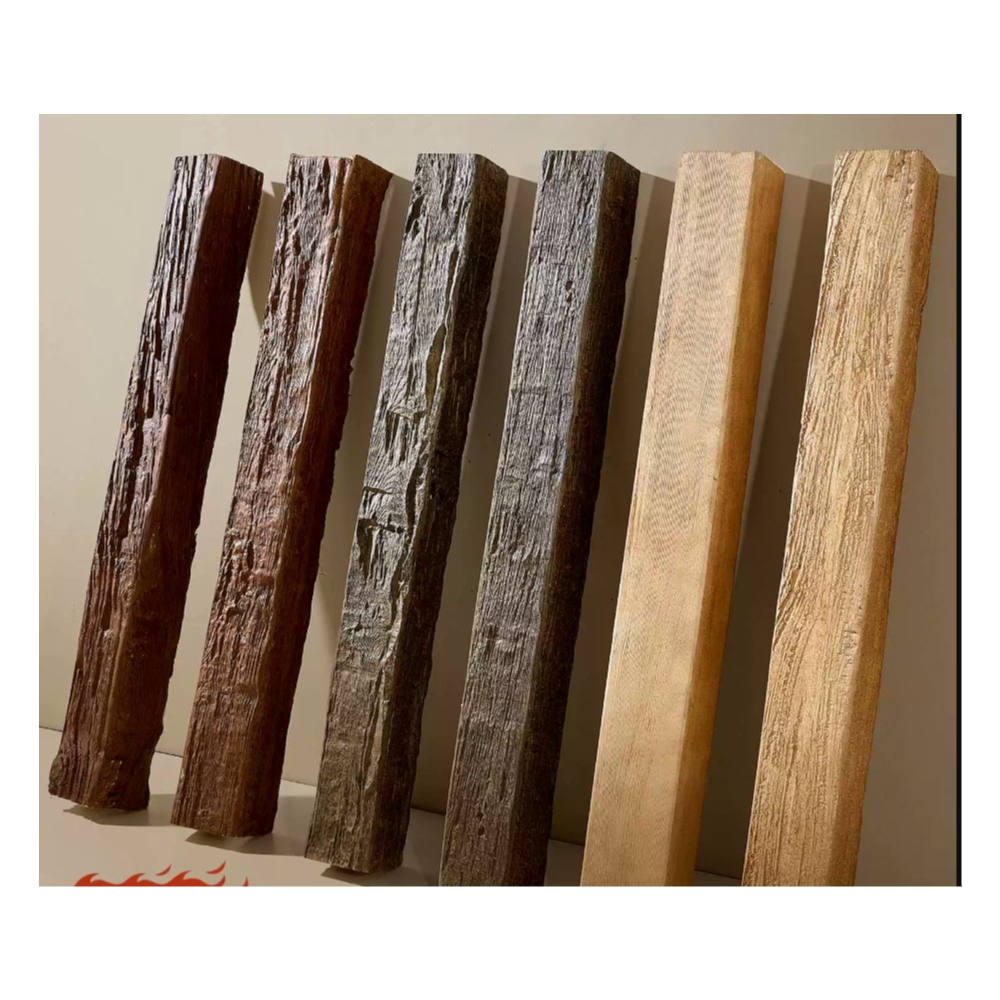
Restaurant interiors present some of the most demanding and rewarding applications for polyurethane faux wood beams. The hospitality industry depends on atmosphere, character, and visual storytelling to differentiate its brands and create memorable dining experiences. Beams play a central role in establishing the architectural personality of a restaurant—from rustic farmhouse bistros to contemporary urban eateries to refined fine-dining establishments. A complete PU beam accessory pack designed specifically for restaurant fit-outs bundles all the components needed to deliver a fully realized beam installation that meets the technical, aesthetic, and operational requirements of hospitality environments.
Core Beam Components for Restaurant Ceilings
The ceiling treatment is typically the largest and most visually prominent element of a restaurant's beam installation. The accessory pack addresses the ceiling beams as the primary component, with multiple profiles and sizes available to support different design directions.
Primary ceiling beams form the main structure of the ceiling treatment. In most restaurant applications, these beams span the dining room in parallel runs, often oriented to direct attention toward focal points such as the bar, the chef's pass, or a signature wall feature. Beam dimensions are typically larger than residential installations—a depth of 8 to 12 inches and a width of 6 to 10 inches is common—creating the substantial visual presence that hospitality design demands.
Secondary or accent beams add visual variety and create hierarchical interest within the ceiling plane. These may be perpendicular cross-beams, shorter stub beams that punctuate the ceiling rhythm, or transitional beams that define different functional zones within an open dining room. The accessory pack provides a coordinated set of these secondary beams in matching finish and proportion to the primary beams.
Soffit beams address the perimeter of the ceiling where it meets the walls, creating a defined edge that frames the entire ceiling composition. Soffit beams often serve double duty as a mounting surface for lighting tracks, speaker systems, or HVAC diffusers, making their design and installation particularly important to coordinate with other building systems.
Integrated Lighting Components
Lighting is integral to restaurant atmosphere, and beam installations frequently serve as the primary mounting surface for both functional and decorative lighting. A complete accessory pack includes the components needed for various lighting integration approaches.
Pendant light brackets attach to the beam's internal mounting channel and provide a secure attachment point for suspended pendant fixtures. These brackets are designed to support the weight of typical restaurant pendant fixtures—often several kilograms—and they are pre-engineered to engage with the beam structure without compromising its appearance. The brackets include provisions for wiring routing through the beam's hollow interior.
Track lighting adapters convert the beam surface into a mounting rail for line-voltage or low-voltage track lighting systems. These adapters are particularly useful in restaurants that require flexible lighting that can be repositioned as the dining room layout changes. The adapter installs flush with the beam surface, maintaining the beam's appearance while providing full track lighting functionality.
Recessed lighting housings designed for beam integration allow downlights to be installed within or beneath beams. For beams with sufficient hollow cavity, lighting can be mounted inside the beam itself, with the beam surface serving as the visible trim. For beams without adequate cavity space, surface-mounted fixtures or adjustable accent lights mounted beneath the beam provide similar visual effects.
Dimming and control components address the operational need for restaurants to adjust lighting throughout service periods. While most dimming equipment is installed elsewhere in the building, the beam accessory pack may include junction boxes, low-voltage wiring channels, or mounting provisions for control components that need to be accessible at the beam location.
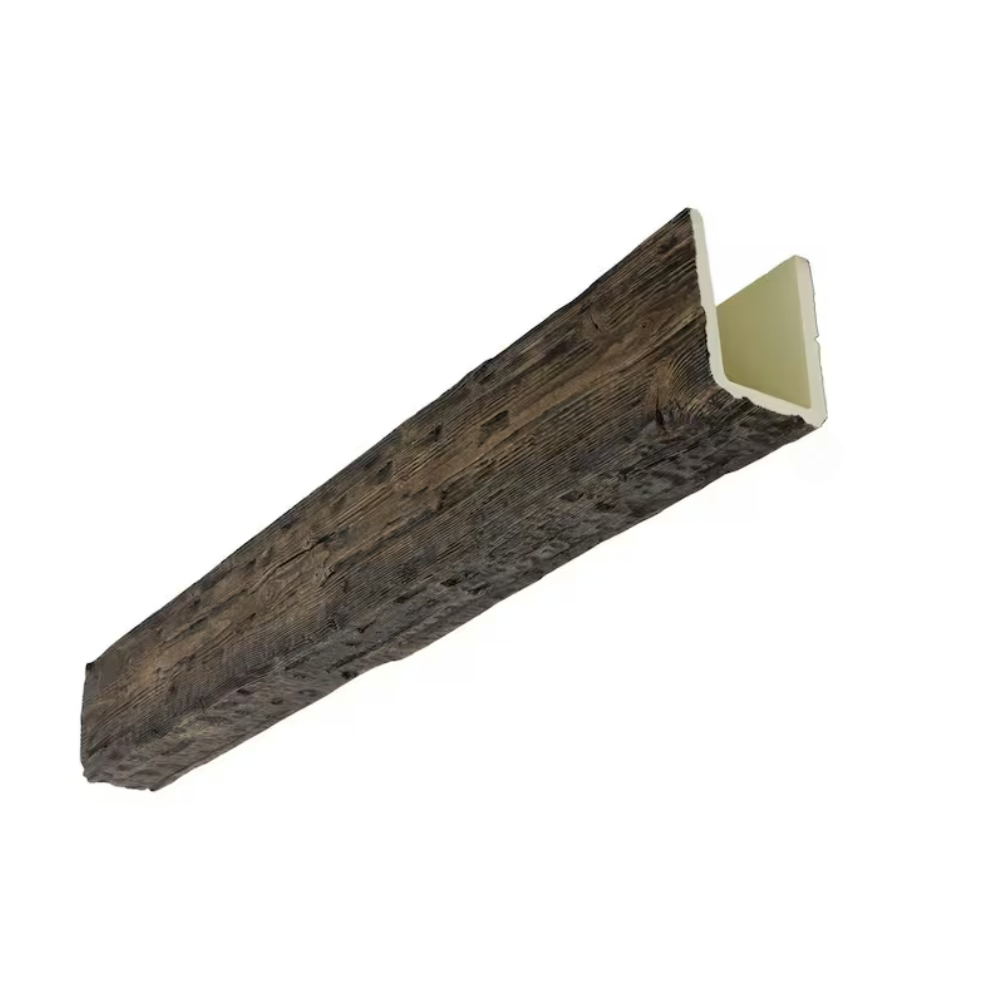
Decorative Accessories for Hospitality Detail
Beyond the functional components, a complete restaurant beam accessory pack includes the decorative elements that elevate the installation from a structural treatment to a refined design feature.
Corbels and knee braces add visual weight and architectural detail to beam ends and intersections. In restaurant design, corbels are often more elaborate than residential applications, with larger scale, more complex profiles, or additional carved details that support the design's narrative. The accessory pack provides corbels in the same finish as the beams and in sizes appropriate to the larger beam dimensions.
Ceiling medallions and rosettes address the junctions where pendant lights, chandeliers, or fans attach to beams. These decorative elements are sized to coordinate with the larger scale of restaurant beams and finished to match the beam color and texture. Medallions are particularly important in restaurants with statement light fixtures that require a substantial ceiling attachment.
Beam straps and decorative ironwork accessories add textural contrast to wood-finished beams. Many restaurant designs—particularly those with farmhouse, industrial, or Spanish colonial influences—incorporate black iron straps, hinges, or decorative metalwork as design accents. The accessory pack may include coordinating polyurethane-look straps or actual metal hardware for these applications.
Wall-mounted beam brackets support restaurant designs that incorporate beams on walls as well as ceilings. Menu board surrounds, bar backdrops, hostess station accents, and feature wall treatments all benefit from coordinated beam applications that extend the design language beyond the ceiling plane.
Operational and Maintenance Components
Restaurants operate in demanding environments with long hours, intensive cleaning routines, and high customer turnover. The accessory pack addresses these operational realities with components that support ongoing maintenance and service.
Fire-rated beam treatments may be required by local building codes, particularly in restaurants with high occupant loads. The accessory pack includes fire-retardant beam formulations or field-applied fire-retardant treatments that bring the installation into compliance with applicable codes.
Cleaning-compatible finishes address the need for restaurant beams to be cleaned regularly with commercial cleaning products. The standard factory finishes on PU beams are compatible with most cleaning chemicals used in restaurant settings, but the accessory pack may include upgraded finish formulations for restaurants that use particularly aggressive cleaning protocols.
Replacement beam sections and components support the inevitable need to repair or replace individual beams due to accidental damage during service or during periodic renovation. Keeping spare components on hand allows the restaurant operator to address damage quickly without waiting for special orders.
The complete PU beam accessory pack for restaurant fit-outs reflects the unique demands of hospitality design and operations. By bundling the necessary components into a coordinated package, restaurant designers and contractors can specify, procure, and install a comprehensive beam system that supports the brand identity, enhances the dining experience, and operates reliably in a demanding commercial environment.

Technical References
ASTM standards cited in every specification
Test Data
Lab results from internal testing program
Updated 2026
Reviewed against current product specs