
One of the most valuable steps in any polyurethane faux timber beam project is the verification of the beam's appearance and fit before committing to a full production order. Mockup sets—carefully selected samples of the actual beam products—allow designers, contractors, and end clients to evaluate grain patterns, color tones, and dimensional fit in the actual installation environment. This pre-installation verification step reduces the risk of dissatisfaction with the final result, prevents costly mistakes, and provides confidence that the chosen product will deliver the expected outcome.
What a Mockup Set Contains
A comprehensive PU faux timber beam mockup set typically includes several types of samples, each serving a distinct verification purpose. Understanding what each sample type provides helps in evaluating mockup sets and using them effectively in the decision-making process.
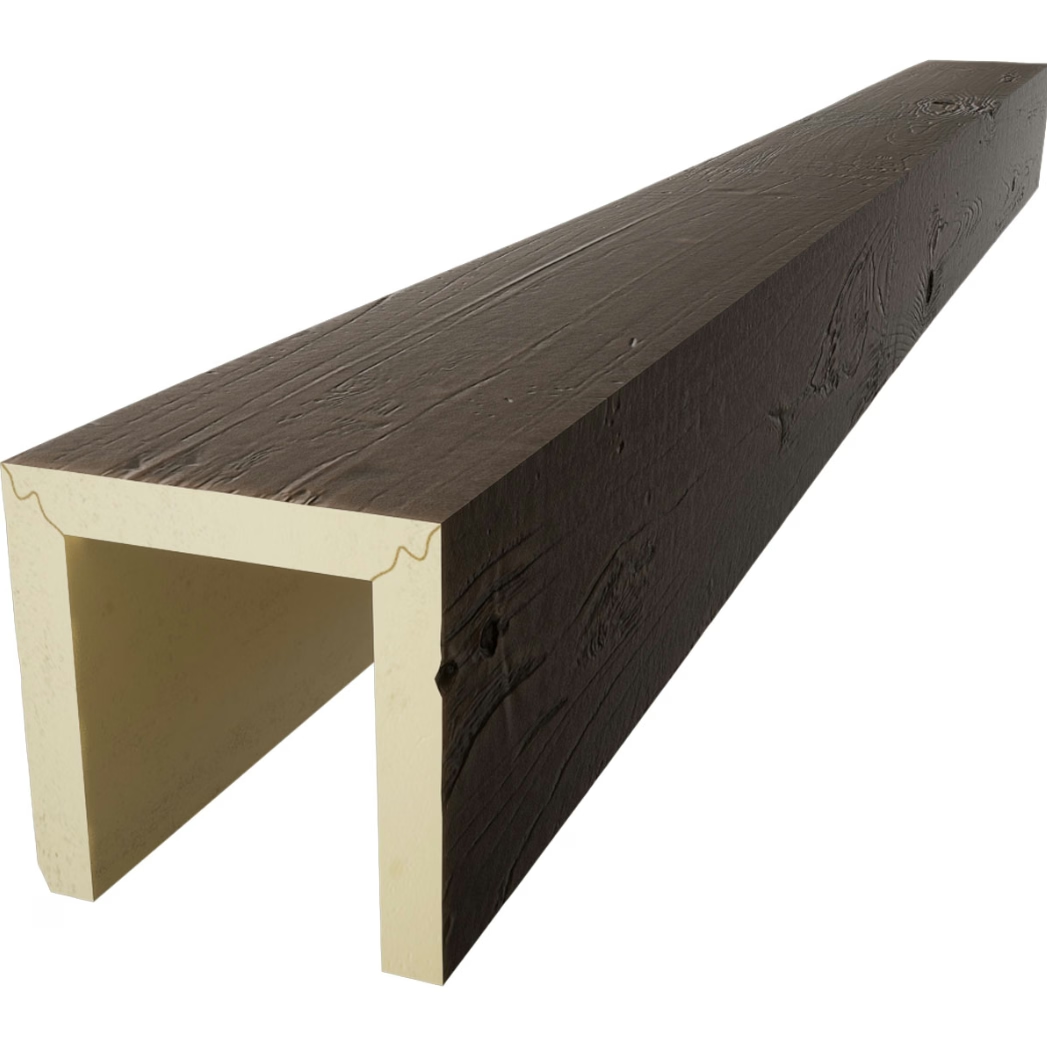
Full-size beam sections are the primary component of most mockup sets. These are short sections—usually between 12 and 24 inches long—of the actual beam product, manufactured using the same production process as full-length beams. These sections allow evaluation of the beam's surface texture, grain pattern, color tone, and profile shape in three dimensions. The sample includes the full cross-section of the beam, allowing inspection of the thickness, edges, and mounting channel details.
Color and finish swatches provide focused comparison of different finish options. While the full-size beam sections show the finish in context with the beam's profile and texture, the swatches isolate the finish for direct comparison between options. Swatches are typically small flat panels finished in each of the available beam finishes, allowing them to be held up against walls, flooring, and other design elements to evaluate color coordination.
Corner and joint samples demonstrate how the beams handle mitered corners, end-to-end joints, and other connection details. These small samples show the appearance of these details and help designers and installers plan joint placement, evaluate joint visibility, and develop finishing techniques that hide joints effectively.
Installation demonstration samples show how the beam engages with its mounting hardware. These samples may include a short beam section with brackets installed, demonstrating the mounting system and showing how the beam sits relative to a ceiling or wall surface. For curved beams, curved sample sections show the achievable radii and the appearance of the curve.
Verifying Grain and Texture
The grain and texture of PU faux timber beams is one of the most important visual characteristics to verify before committing to a full order. While product photography and digital renderings provide useful approximations, the actual material can only be truly evaluated through physical samples that show the grain pattern, surface texture, and color variation in person.
Grain pattern verification involves examining the sample to evaluate whether the grain lines and patterns look natural and consistent with the design intent. Some beams feature pronounced grain lines with high contrast, while others have more subtle grain patterns with smoother tonal transitions. The mockup sample allows the designer or client to assess whether the grain pattern matches the aesthetic they are seeking.
Surface texture evaluation looks at the tactile quality of the beam surface. Hand-hewn beams may have rough, irregular textures that suggest aged timber, while smooth beam profiles offer refined surfaces suitable for modern interiors. The mockup sample allows the texture to be examined and touched, providing a more complete impression than viewing a photograph.
Color variation refers to the subtle differences in tone that exist across the surface of a single beam and between different beams in the same finish. Real timber naturally varies in color, and PU faux beams are designed to replicate this variation. The mockup sample shows the range of variation in a specific finish, helping to determine whether the variation is appropriate for the project's aesthetic.
Color Coordination with the Design Environment
One of the most valuable uses of a mockup set is verifying how the beam color interacts with other design elements in the actual space where the beams will be installed. Lighting conditions, surrounding colors, and adjacent materials all affect how the beam color is perceived.
Lighting conditions have a significant impact on color perception. Beams viewed in a showroom under fluorescent lighting may appear different from the same beams installed in a room with warm-toned incandescent or LED lighting. Mockup samples can be taken to the actual installation site and viewed under the actual lighting conditions that will prevail after installation, providing a much more accurate color assessment than showroom viewing alone.
Wall colors and finishes affect how the beam color is perceived. Beams viewed against white walls in a showroom may appear different from the same beams installed against a colored wall in the customer's home. The mockup samples can be temporarily mounted or held against the actual walls to evaluate the interaction between the beam color and the wall color.
Adjacent materials including flooring, cabinetry, furniture, and textiles all contribute to the overall color environment of the room. Mockup samples can be positioned near these elements to evaluate how the beam color coordinates with them. This evaluation often reveals color interactions that were not apparent in the initial design phase, allowing adjustments to be made before production begins.
Verifying Dimensional Fit
Beyond the visual characteristics, mockup sets help verify that the chosen beam dimensions will work in the actual installation space. Dimensional fit issues are among the most common sources of project difficulty, and mockup verification is the most effective way to identify and address them before production.
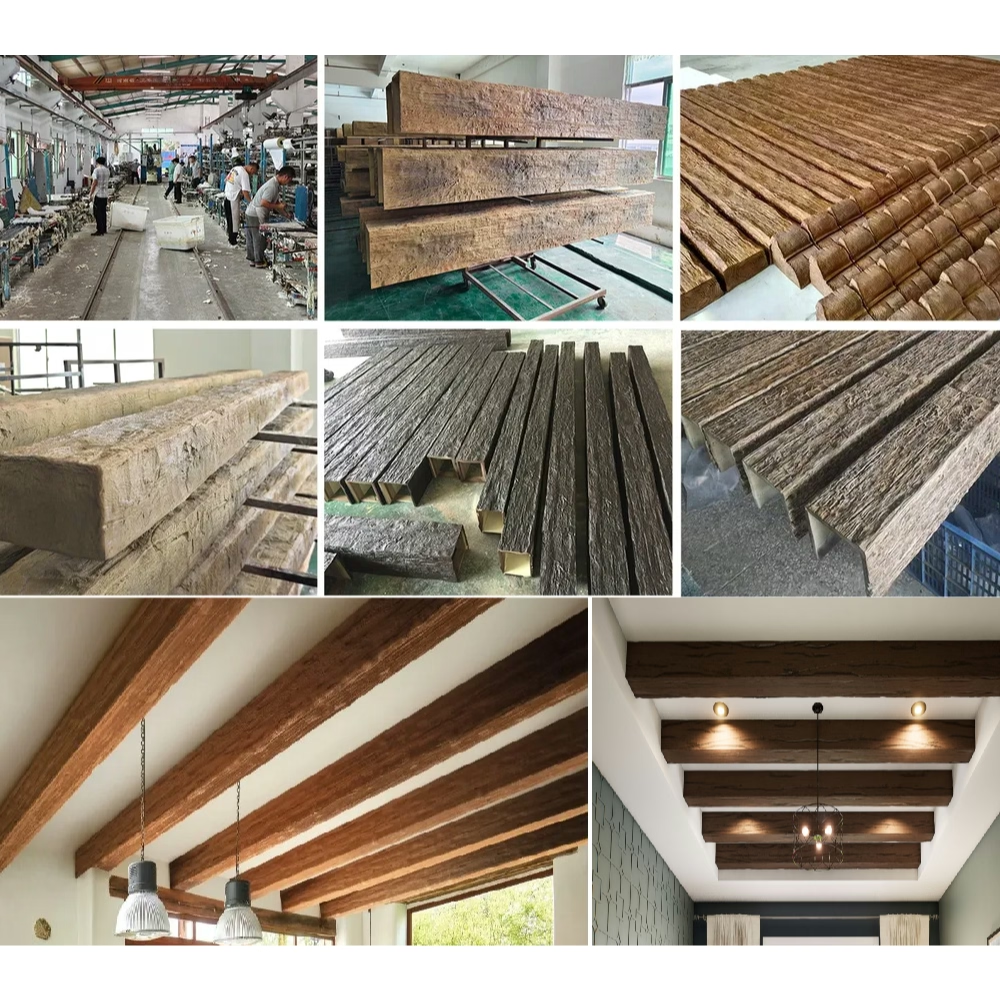
Beam-to-proportion evaluation compares the mockup beam section to the room dimensions and ceiling height. A beam that appears appropriate in a showroom or in a computer rendering may feel too large or too small in the actual room. The mockup section held up to the ceiling or mounted temporarily in position provides a much clearer sense of the beam's proportional relationship to the space.
Mounting feasibility verification involves examining the ceiling structure and confirming that the chosen beam can be mounted securely in the intended location. The mockup sample allows the installer to identify any structural challenges, such as ceiling joists that do not align with the planned beam position or wall studs that cannot support a planned wall-mounted beam configuration.
Integration with other design elements including lighting fixtures, ceiling fans, HVAC equipment, and existing architectural features can be evaluated using mockup samples. By positioning the samples in the actual installation space, the designer can identify any spatial conflicts and adjust the beam specification or the conflicting element as needed.
Working with Mockup Sets in the Design Process
Incorporating mockup sets into the design process follows a logical sequence that maximizes their value. Each step builds on the previous one, leading to a final specification that has been thoroughly verified.
Initial evaluation involves requesting mockup sets for the beam profiles and finishes that are most likely to match the project requirements. This initial evaluation may include several alternatives to allow direct comparison.
On-site evaluation moves the samples to the actual installation location, where they are viewed under the actual lighting conditions and in the context of the surrounding design elements. This evaluation typically narrows the field of candidates significantly.
Stakeholder review involves presenting the narrowed field of options to all project stakeholders—designer, contractor, client, and any other decision-makers. The mockup samples provide a common reference that all parties can evaluate, reducing the risk of miscommunication or differing expectations.
Final specification commits to a specific beam profile, finish, and supplier based on the mockup evaluation. This specification becomes the basis for the production order, with confidence that the final product will meet expectations.
Mockup sets are an investment in project quality that pays dividends in reduced risk, improved stakeholder satisfaction, and confidence in the final result. For projects of any meaningful scale, this verification step is among the most cost-effective practices available.

Technical References
ASTM standards cited in every specification
Test Data
Lab results from internal testing program
Updated 2026
Reviewed against current product specs


