Understanding PU Material
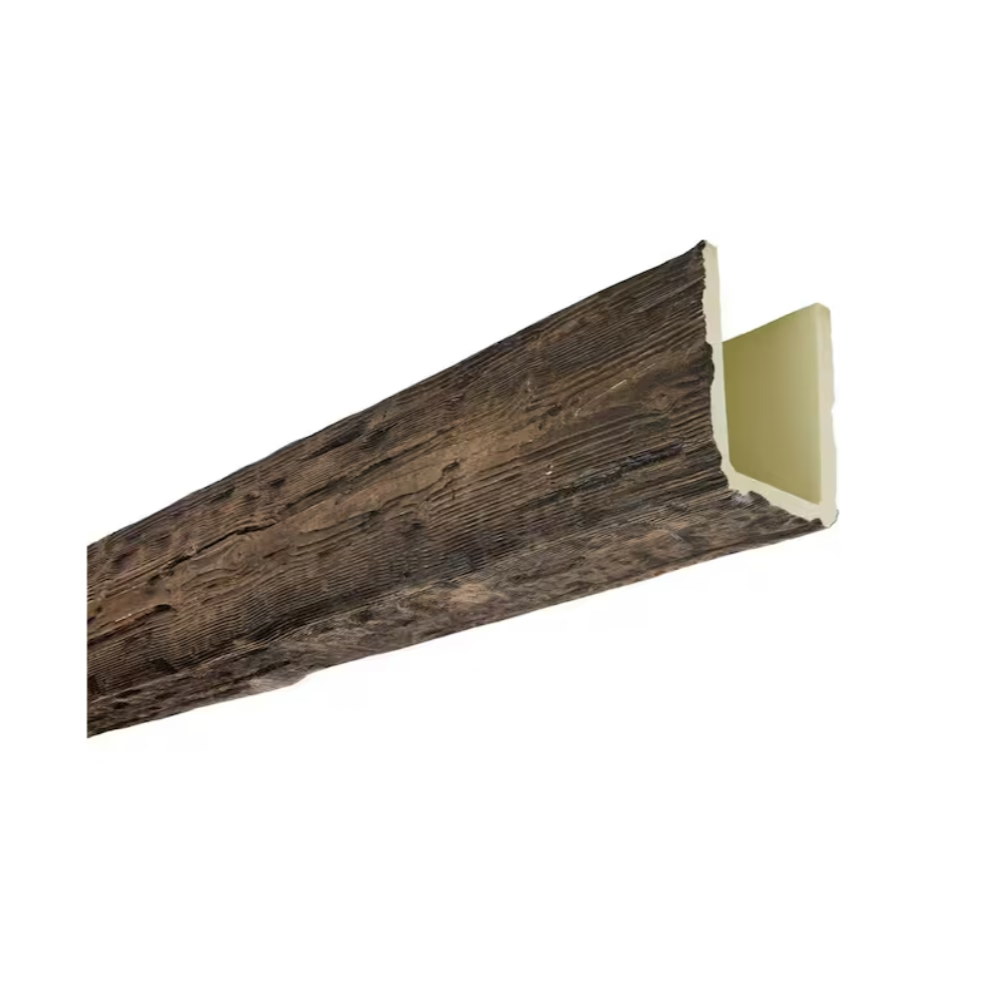
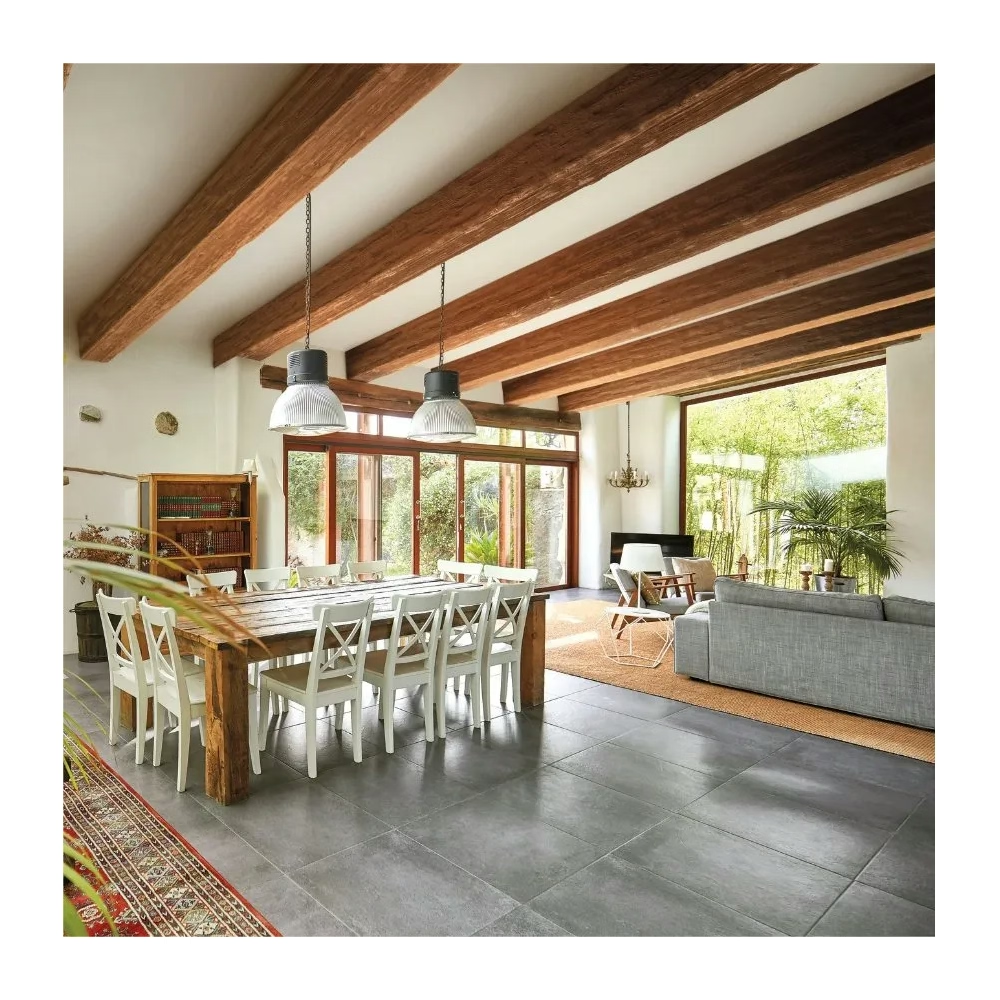
Polyurethane (PU) faux wood beams are manufactured products designed to replicate the appearance of natural timber while offering practical advantages. Understanding the material helps you make informed purchasing decisions.
Quality varies significantly.
PU Material Basics
What is Polyurethane
PU is a synthetic polymer:
- Created from petroleum derivatives
- Molded into wood-like shapes
- Can replicate any wood grain
- Available in various densities
PU offers design flexibility.
Manufacturing Process
Production involves:
- Liquid PU mixture injection
- Mold creation from real wood
- High-pressure forming
- Surface texturing and painting
Process affects quality.
Material Properties
PU characteristics include:
- Lightweight construction
- Consistent quality
- Shape variety
- Paintable surface
Properties serve practical needs.
Density Considerations
Low-Density PU
Budget option characteristics:
- Lightest weight
- Lower cost
- Softer surface
- More prone to damage
Low density suits low-impact areas.
Medium-Density PU
Mid-range option features:
- Balanced weight and durability
- Good value proposition
- Suitable for most applications
- Reasonable impact resistance
Medium density serves general use.
High-Density PU
Premium option benefits:
- Most realistic appearance
- Best durability
- Superior surface hardness
- Most authentic texture
High density delivers quality.
Surface Quality
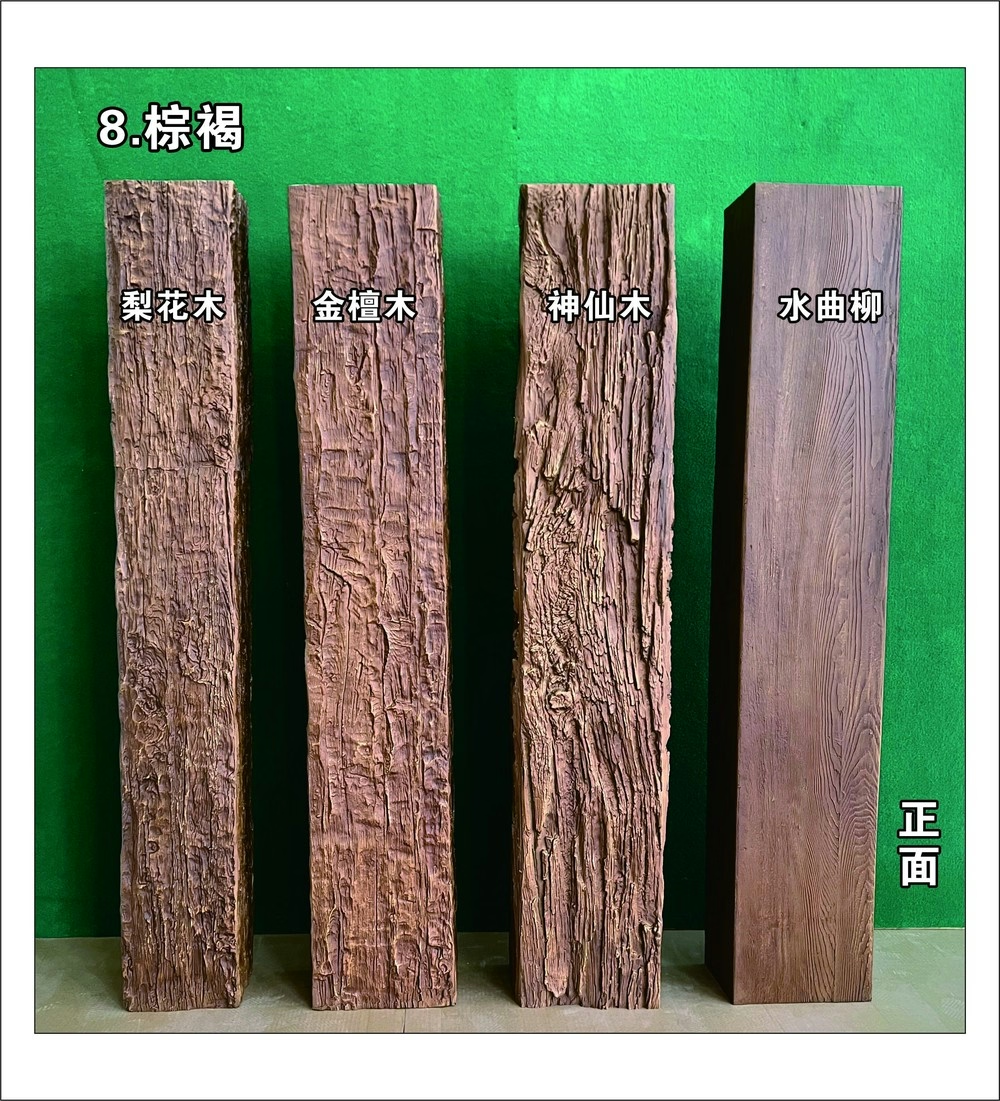
Texture Reproduction
Quality varies in:
- Wood grain accuracy
- Knot simulation
- Weathering detail
- Edge definition
Texture affects realism.
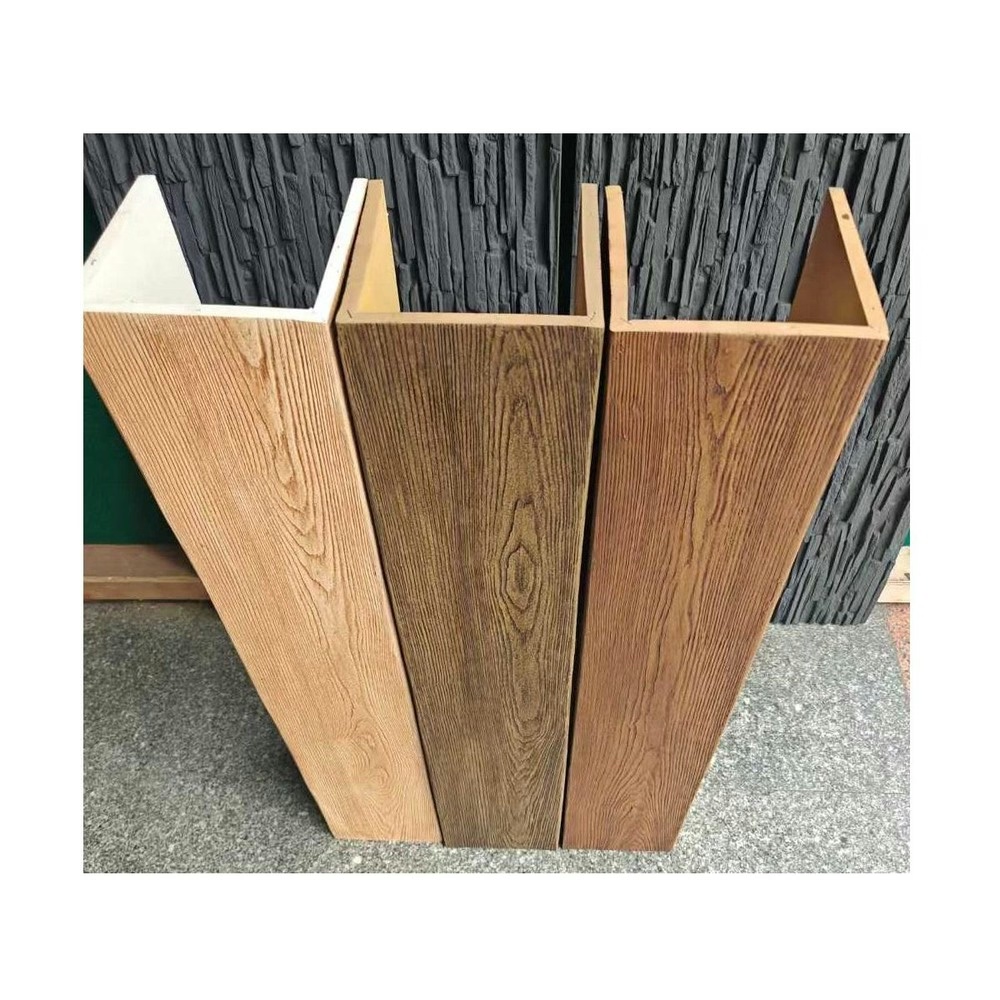
Surface Finish
Finish options include:
- Raw/textured for painting
- Pre-finished solid colors
- Stained wood tones
- High-gloss coatings
Finish affects final appearance.
Edge Quality
Quality indicators:
- Clean edge definition
- Consistent profile
- Smooth transitions
- No visible seams
Edges reveal manufacturing quality.
Color and Finish Options
Wood Tone Finishes
Available wood looks:
- Natural oak tones
- Rich walnut browns
- Warm honey tones
- Weathered gray finishes
- White/cream painted looks
Wood tones offer variety.
Custom Finishing
Paintable surfaces allow:
- Custom color matching
- Staining to specific tones
- Distressing techniques
- Aging effects
Custom finish enables creativity.
Finish Durability
Durability considerations:
- UV resistance rating
- Scratch resistance
- Cleanability
- Longevity expectations
Durability affects maintenance.
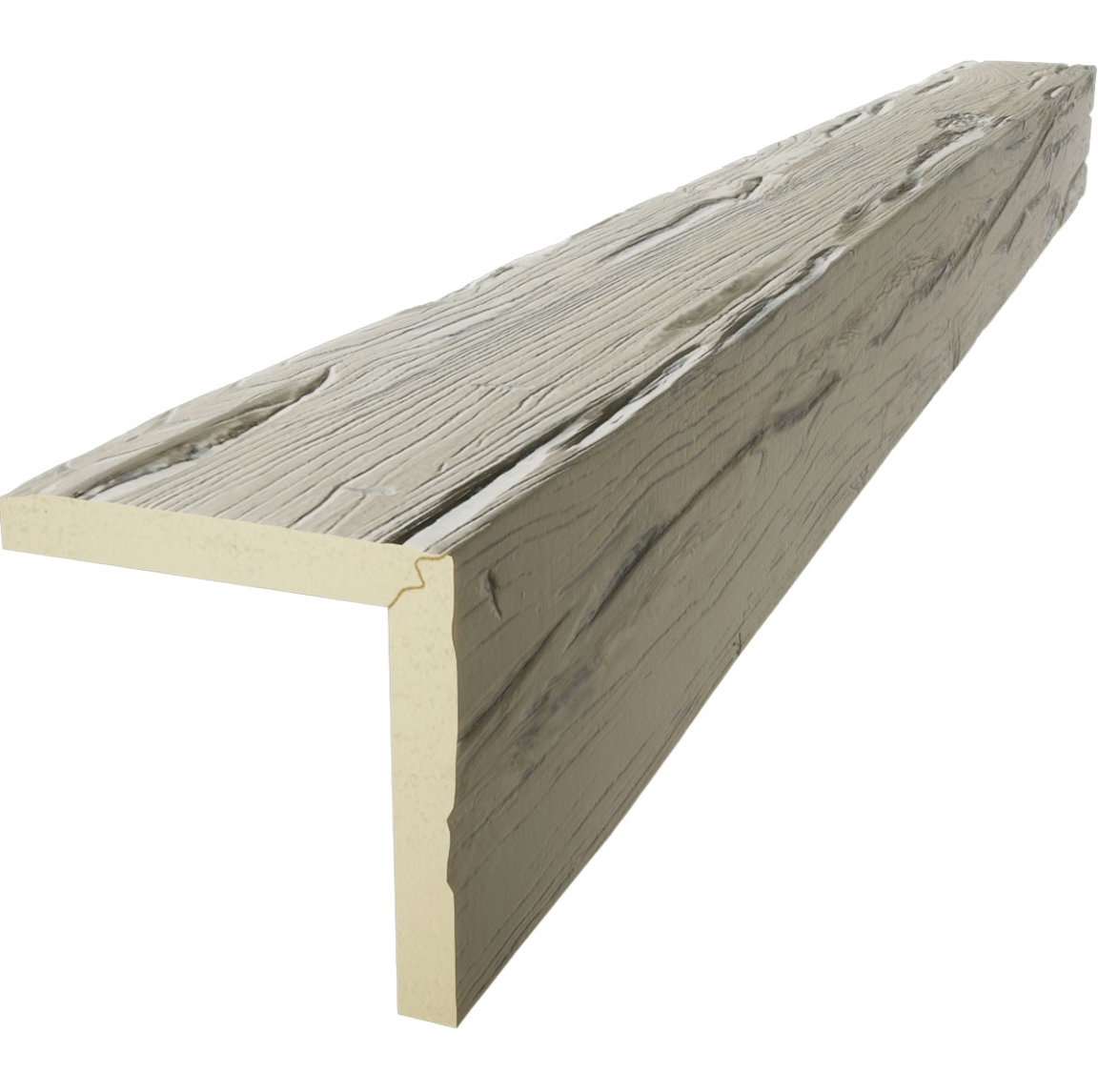
Size and Profile Options
Standard Profiles
Common beam shapes:
- Square beams
- Plank beams
- Box beams
- Cathedral beams
- Custom profiles
Profile affects style.
Length Options
Available lengths:
- Standard 8-foot beams
- Common 10-foot beams
- Long 12-16 foot beams
- Custom cut lengths
Length affects installation.
Width Selection
Width ranges:
- Narrow 4-6 inch beams
- Medium 8-10 inch beams
- Wide 12+ inch beams
- Oversized statement beams
Width creates visual impact.
Quality Indicators
Weight Testing
Quality assessment:
- Consistent density throughout
- No hollow sections
- Proper wall thickness
- Stability under pressure
Weight indicates quality.
Surface Testing
Quality checks:
- No bubbling or pitting
- Consistent color application
- Clean detail definition
- Smooth transitions
Surface reveals quality.
Structural Quality
Structural indicators:
- Clean mounting surfaces
- Proper attachment points
- Consistent dimensions
- No warping or bowing
Structure enables installation.
Cost Considerations
Price Factors
Cost influenced by:
- Density level
- Size and length
- Finish quality
- Brand reputation
- Quantity ordered
Multiple factors affect price.
Value Assessment
Evaluating value:
- Cost per linear foot
- Installation savings
- Maintenance requirements
- Longevity expectations
- Visual quality
Value exceeds simple price.
Budget Planning
Budget considerations:
- Material cost
- Installation cost
- Finish materials
- Mounting hardware
- Total project budget
Complete budgeting prevents surprises.
PU faux wood beam material quality significantly affects appearance and durability. Density, surface reproduction, finish options, and structural quality vary across products. Understanding these differences helps homeowners select appropriate beams for their application and budget. High-density PU offers the best combination of realistic appearance and practical durability. Budget options suit low-impact applications where cost matters more than longevity. Quality indicators—weight, surface, structure—help assess product quality before purchase.
Technical References
ASTM standards cited in every specification
Test Data
Lab results from internal testing program
Updated 2026
Reviewed against current product specs