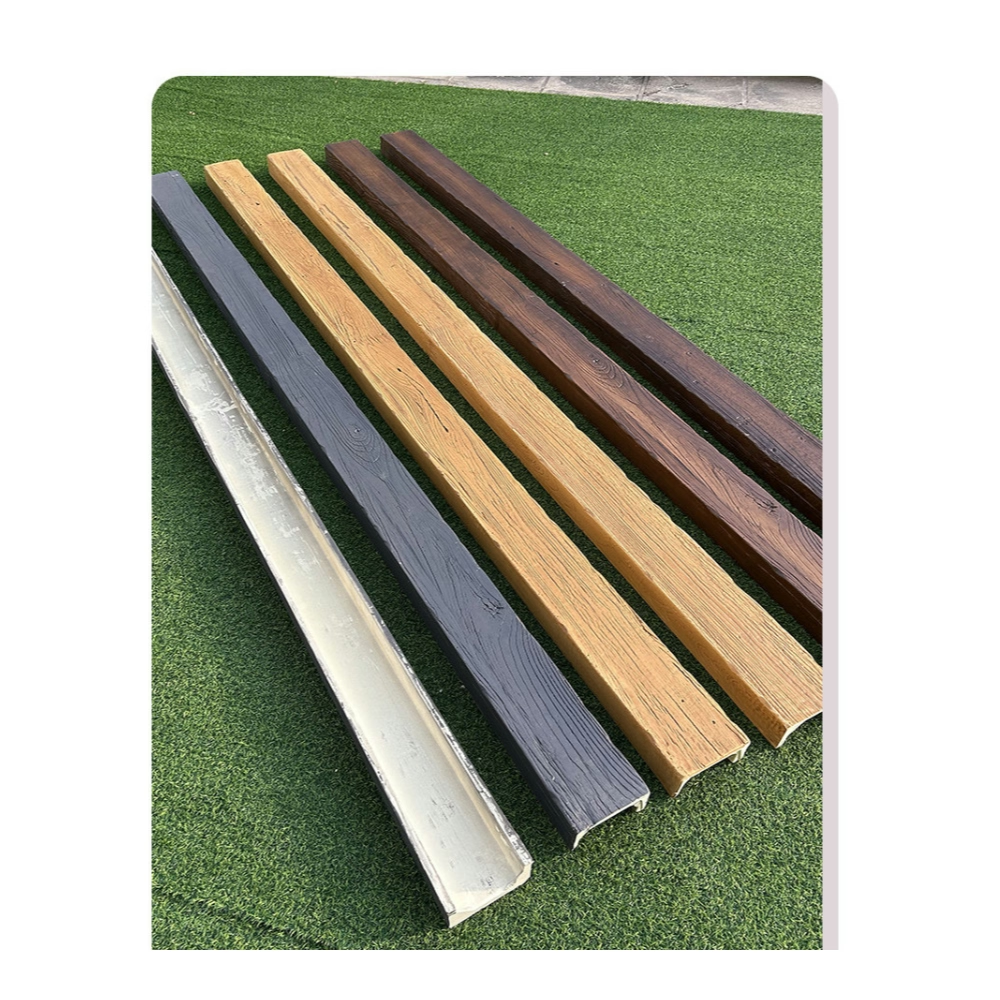
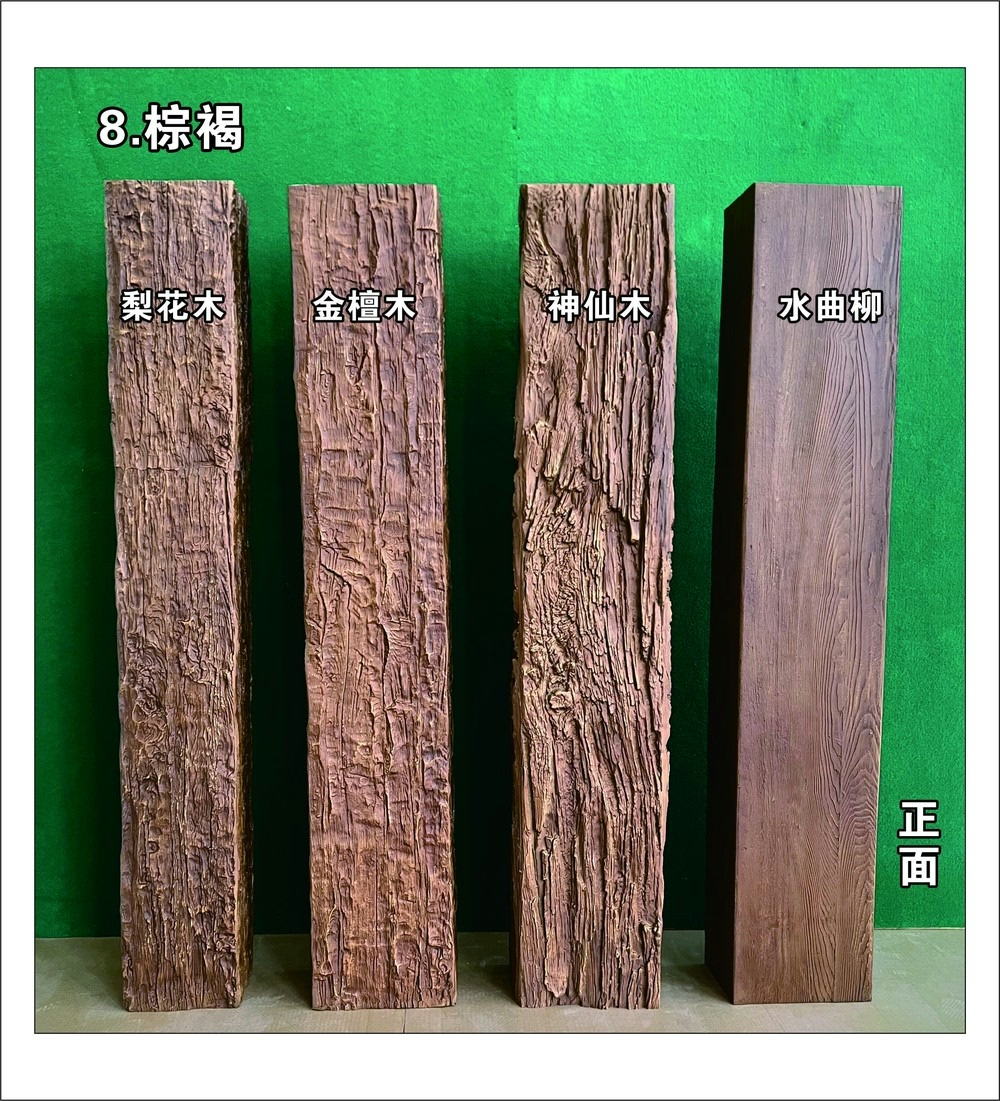
Job site conditions present challenges that showroom-quality materials cannot always survive intact. Dust, moisture, impact stress, and handling during installation take tolls that fine finishes cannot tolerate. Contractor grade PU faux beams address these realities directly, offering products engineered for the rough-and-tumble environment of active construction rather than the controlled conditions of design studios or finished homes. For professionals who specify and install decorative beams regularly, understanding what contractor grade designation actually implies helps match products appropriately to project conditions.
The practical advantages of contractor grade materials begin with packaging designed for job site delivery. Unlike individually wrapped showroom pieces, contractor packaging protects products during palletized shipping, forklift handling, and jobsite staging. Bulk packaging reduces per-unit packaging costs while accepting the inevitable scratches and scuffs that occur when workers move materials through active construction zones. This packaging philosophy accepts that beams will be handled by multiple tradespeople who lack the delicate touch that fine furniture moving requires.

Surface durability distinguishes contractor grade through resistance to the impacts and abrasions that occur during installation. Minor dings that would expose raw material in premium-finish products remain less visible on contractor grade surfaces designed to accept some handling wear. This durability does not mean rough or poorly finished—rather, surfaces maintain appearance through conditions that would damage more delicate alternatives. When selecting contractor grade products, verify that durability improvements do not compromise finish quality beyond acceptable tolerances for the intended application.
Workability characteristics directly influence installation efficiency and finished appearance. Contractor grade PU beams cut cleanly using standard carpentry tools without chipping, splintering, or tear-out that might require touch-up finishing. Router bits and saw blades designed for wood cutting work equally well with polyurethane materials, eliminating the need for specialized tooling that would add expense and complexity to job site operations. This compatibility with familiar tools accelerates installation while reducing skill requirements for workers unfamiliar with synthetic trim materials.
Weight considerations prove particularly relevant on job sites where workers handle materials repeatedly throughout installation. Polyurethane beams weigh substantially less than natural wood or reconstituted wood alternatives of comparable dimensions, reducing fatigue and injury risk during ceiling installation work. This weight reduction also simplifies mounting, often allowing installation using fewer workers or lighter-duty mounting hardware than genuine timber would require. The practical labor savings accumulate across projects, contributing to competitive installation pricing that benefits both contractors and their clients.
Dimensional consistency across contractor grade products simplifies layout and installation planning. Unlike natural wood that varies in width, depth, and straightness, manufactured polyurethane beams arrive with predictable dimensions that allow accurate layout before mounting begins. This consistency proves particularly valuable when installing multiple beams in parallel configurations or when integrating beams with other architectural trim elements. Planning based on spec sheet dimensions produces results matching expectations without the unexpected adjustments that natural material variation necessitates.
Moisture resistance provides contractor grade performance advantages in job site conditions where humidity levels fluctuate unpredictably. Unlike organic wood materials that absorb moisture and may warp, swell, or develop mold during storage or installation, polyurethane remains dimensionally stable regardless of atmospheric moisture. This stability eliminates concerns about material conditioning before installation and allows job site storage without climate control. Contractors appreciate this reliability when scheduling pressures push installation into damp conditions or when material deliveries arrive before spaces are fully enclosed.
Cost efficiency enables competitive project bidding while maintaining acceptable margins. Contractor grade products achieve lower price points through packaging simplification, finish durability specifications appropriate for job site conditions, and manufacturing processes optimized for volume production. These savings pass directly to contractors who can specify and purchase with confidence that costs align with competitive project requirements. The value proposition becomes clear when comparing total installed costs rather than unit prices alone.
Finish options for contractor grade products typically emphasize paintable surfaces that accept field finishing to match surrounding architectural elements. While pre-finished options exist, the ability to paint beams on site after installation allows color matching to ceiling surfaces that may be finished after beam installation. This flexibility proves valuable in renovation projects where existing elements establish color requirements that pre-finished products cannot easily match. Standard white or primed surfaces provide blank canvases for whatever finish the design requires.
Storage and material handling guidelines help contractors maintain product quality through project completion. While polyurethane resists moisture damage better than wood alternatives, prolonged exposure to direct sunlight can cause surface chalking on some formulations. Recommend indoor storage or covered staging areas that protect materials from UV exposure until installation. These simple precautions prevent surface degradation that might require remediation before finishing.
Long-term performance justifies contractor grade specifications for permanent installations. The durability engineered into job site products ensures that finished installations maintain appearance through construction completion, occupancy, and years of subsequent use. Clients who observe beams handling normal traffic and cleaning without visible wear appreciate the practical value that contractor grade selection provides. This field performance builds reputation for contractors who consistently deliver installations that perform as specified.
Technical References
ASTM standards cited in every specification
Test Data
Lab results from internal testing program
Updated 2026
Reviewed against current product specs