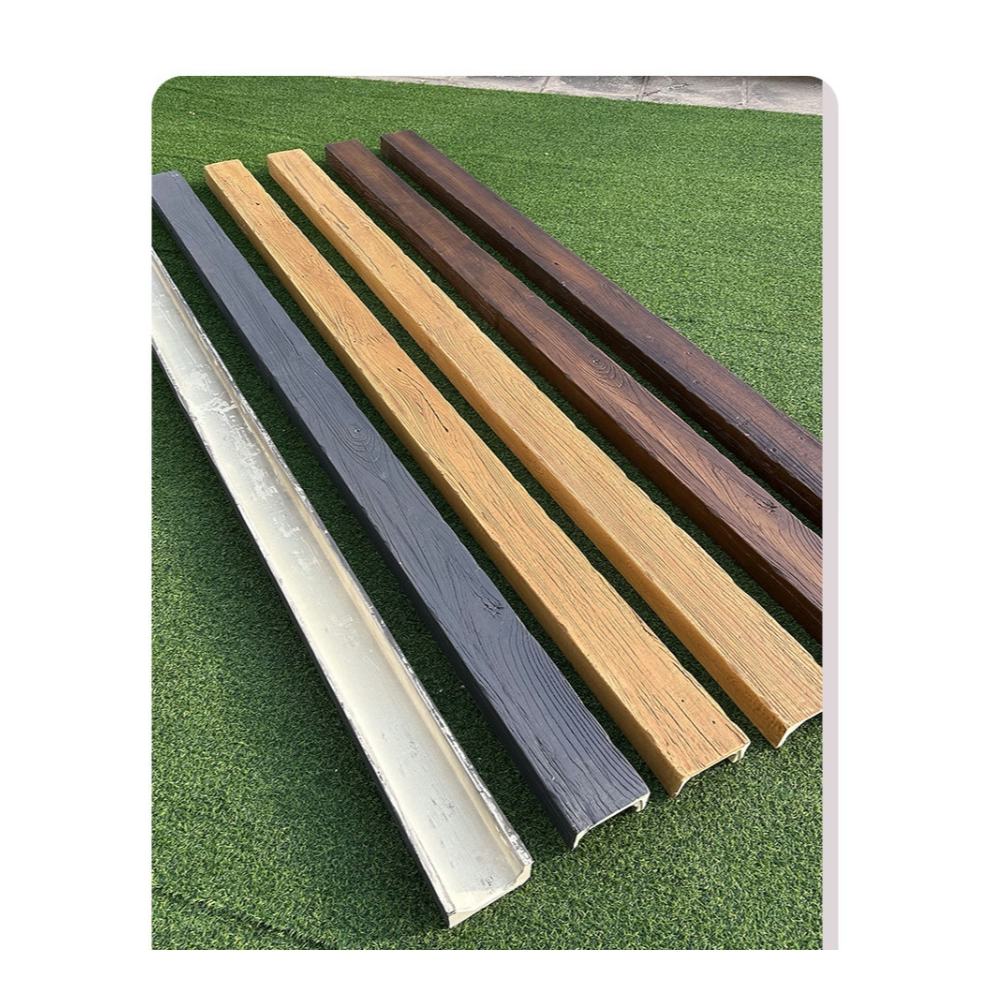
The difference between a stunning beam installation and a disappointing one often comes down to installation expertise. Even the finest quality faux wood beams fail to deliver their aesthetic potential when mounting proves sloppy, alignments drift, or finishing lacks attention to detail. Professional installation services exist precisely because achieving consistent, beautiful results requires experience, proper techniques, and the right equipment that most property owners and even many contractors lack. Understanding what professional installation involves helps decision-makers determine when this investment makes sense for their projects.
Professional installers approach each project with systematic planning that begins before any materials reach the site. Accurate measurements inform detailed layout planning that accounts for room proportions, existing architectural features, and the visual weight that beams will create. This planning phase identifies optimal beam placement, spacing, and orientation that will produce the desired effect while respecting structural realities and building code requirements. Thorough planning prevents the surprises that derail installations mid-project and force compromises that diminish final results.

Structural assessment constitutes a critical preliminary step that separates professional installation from amateur attempts. Installers evaluate ceiling construction, identify structural members capable of supporting beam weight, and determine appropriate mounting methods for specific conditions. This assessment prevents the catastrophic failures that occur when beams mount to inadequate framing or when weight loads exceed ceiling承受能力. Professional installers either possess engineering knowledge or collaborate with structural engineers when conditions warrant, ensuring that decorative elements remain safely secured indefinitely.
Mounting systems for faux wood beams range from simple visible brackets to concealed structural supports depending on aesthetic requirements and load considerations. Professional installers match mounting methods to project conditions, selecting hardware and techniques that provide secure attachment without compromising visual appearance. The complexity of concealed mounting systems often surprises observers who cannot identify any visible means of support yet observe beams that remain firmly positioned through years of use. This invisible engineering represents craft that professional installers develop through accumulated experience.
Alignment precision distinguishes professional work from amateur attempts that even untrained observers notice immediately. Professional installers use precision levels, measurement systems, and alignment techniques that achieve consistent positioning across multiple beams and throughout extended runs. When beams must transition around corners, intersect with walls, or integrate with other architectural elements, professional alignment ensures smooth transitions that appear intentional and designed rather than awkward or accidental. This precision requires time and attention that rushed amateurs rarely provide adequately.
Seam treatment between beam sections and at intersections requires particular skill that affects overall visual continuity. Professional installers possess techniques for concealing joints that casual observers cannot detect, creating the appearance of single continuous pieces rather than assembled segments. These techniques involve careful cutting, precise fitting, and appropriate filler application followed by finishing that blends seamlessly with surrounding surfaces. The difference between professional and amateur seam treatment often determines whether observers perceive beams as authentic timber or recognize them as assembled components.
Finishing expertise completes installations by addressing nail holes, gaps, and surface inconsistencies that would distract from otherwise well-mounted beams. Professional installers match finishes precisely to surrounding surfaces or achieve the authentic weathering treatments that make new beams appear aged and established. This finishing work often involves multiple applications with proper drying intervals, careful sanding between coats, and attention to texture that mimics natural wood aging. The patience and skill required for professional finishing frequently exceeds what initial installation demands.
Coordination with other trades prevents the conflicts that delay projects and compromise results. Professional installers communicate with painters, electricians, HVAC contractors, and other specialists whose work intersects with beam installation. This coordination ensures that mounting hardware installs before ceilings finish, that electrical fixtures position appropriately relative to beams, and that painting schedules accommodate beam finishing without conflict. Professional installers accept this coordination responsibility, managing schedules and resolving conflicts that might otherwise fall on property owners or general contractors.
Cleanup and protection during and after installation maintains site quality that general contractors and property owners expect. Professional installers contain dust and debris generated during cutting and fitting, protecting existing finishes and furnishings from damage. They dispose of packaging materials and waste responsibly, leaving sites clean and ready for subsequent work. This professional site management reflects respect for property and project that distinguishes professional service from casual labor.
Warranty and service follow-up provide accountability that protects investment over time. Professional installation services typically include documentation of mounting methods, hardware specifications, and maintenance requirements that enable future service if needed. This documentation proves valuable when modifications become necessary or when property changes hands and new owners seek information about existing installations. Professional installers stand behind their work, returning to address issues that proper installation should have prevented.
Cost considerations for professional installation balance against the value delivered through quality, efficiency, and reduced risk. While professional services require investment, they eliminate the costs of correcting amateur mistakes, the delays that result from inexperienced work, and the disappointment that follows disappointing results. For projects where beam installation contributes significantly to overall aesthetic impact, professional installation represents insurance against outcomes that could undermine design intent and property value.
Technical References
ASTM standards cited in every specification
Test Data
Lab results from internal testing program
Updated 2026
Reviewed against current product specs