Winter Changes What a Cabin Needs
A cabin that is comfortable in July can feel cold in January. The difference is not the temperature outside — it is the quality of the interior, the visual warmth that makes a space feel like a refuge. In winter, a cabin needs to work harder visually, and the ceiling is a large part of that work.
Rust
ic PU faux beams add warmth to a cabin ceiling in a way that a flat plane cannot. The wood tone brings the room down from the ceiling and creates the visual enclosure that makes a space feel contained and safe. The texture adds the tactile quality that winter interiors depend on — the sense that everything in the room is soft, worn, and comfortable.
For cabin owners, adding beams to a flat-ceiling cabin is one of the most impactful winterization moves available. The cost is modest, the install is fast, and the result changes the room's character completely. For designers, the beams are the starting point for the rest of the winter interior.
The Winter Cabin Color Palette
Winter cabin interiors are warm. This is not the season for cool coastal tones or bright Scandinavian whites. The palette shifts toward the deep, rich end of the wood spectrum, and the beams anchor that shift.
A few directions that work particularly well in winter cabins:
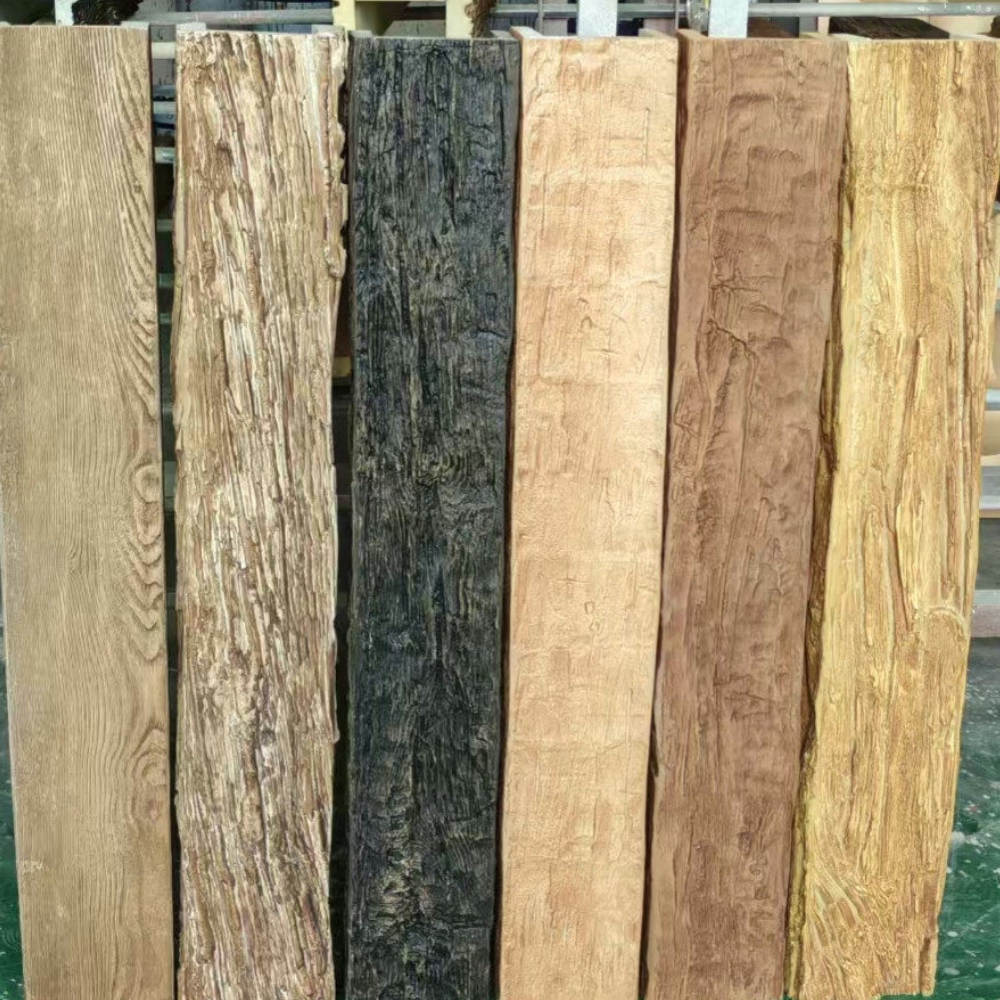
- Honey pine and golden oak are the workhorses of the winter cabin palette. The warm tones bring immediate warmth to the room, and the light texture reads as cozy rather than busy.
- Warm walnut and rich oak suit winter cabins with deeper wall colors and heavier textiles. The darker tone grounds the room and reads as substantial.
- Reclaimed barnwood suits rustic winter cabins with stone fireplaces, leather furniture, and heavy wool throws. The irregular surface and the color variation read as authentic.
- Smoke-darkened timber suits winter cabins with a darker, more dramatic aesthetic. The tone suggests years of fireside evenings and reads as deeply established.
The winter palette should be viewed under the cabin's actual lighting. Winter cabins rely on firelight and warm lamps, which shift the beam tone toward amber. A finish that looks right under the bright showroom lights can look slightly too warm under the cabin's evening lighting.
The Great Room as the Winter Hub
The great room is the hub of the winter cabin. It is where the family gathers, where the fire burns, and where the outside is kept at a visual distance. The beam layout in the great room sets the tone for the rest of the cabin.
For a standard cabin great room, two to four parallel beams running across the ceiling define the space and create the visual warmth the winter cabin needs. The beams should align with the fireplace wall for visual coordination, and the fireplace should be the room's focal point.
For cabin great rooms with vaulted ceilings, the beams run perpendicular to the ridge. The angles are pre-cut in the factory, and the layout should be specified with the roof pitch in mind. The vaulted ceiling with beams is one of the most dramatic winter cabin details available, and the beams should be specified in a heavier profile to match the ceiling's scale.
Layering Textiles and Light
Winter cabin interiors layer textiles heavily. The goal is to create a sense of enclosure and warmth that contrasts with the cold outside. The beams contribute to this layering:
- Wool throws and knit blankets on the sofa and chairs. The warm tones of the textiles should coordinate with the beam tone, reinforcing the wood palette rather than contrasting with it.
- Natural-fiber rugs on the floor. The warm texture of the rug adds to the tactile quality of the room and coordinates with the beams.
- Candles and warm lamps for evening lighting. The warm light plays off the wood beams and creates the glow that defines the winter cabin atmosphere.
- Seasonal greenery on the mantel and shelves. The green of the greenery contrasts with the warm wood tones and brings a natural element into the room.
The lighting should be warm and layered. Recessed lights on dimmers provide the base layer, and table lamps, wall sconces, and candles provide the accent layers. The combination creates the depth of light that winter interiors need — bright enough to function, warm enough to relax.
The Bedroom Transition
Winter cabin bedrooms should feel like a continuation of the great room's warmth. The beam treatment in the bedroom should match the great room in profile and finish, even if the beam count is smaller.
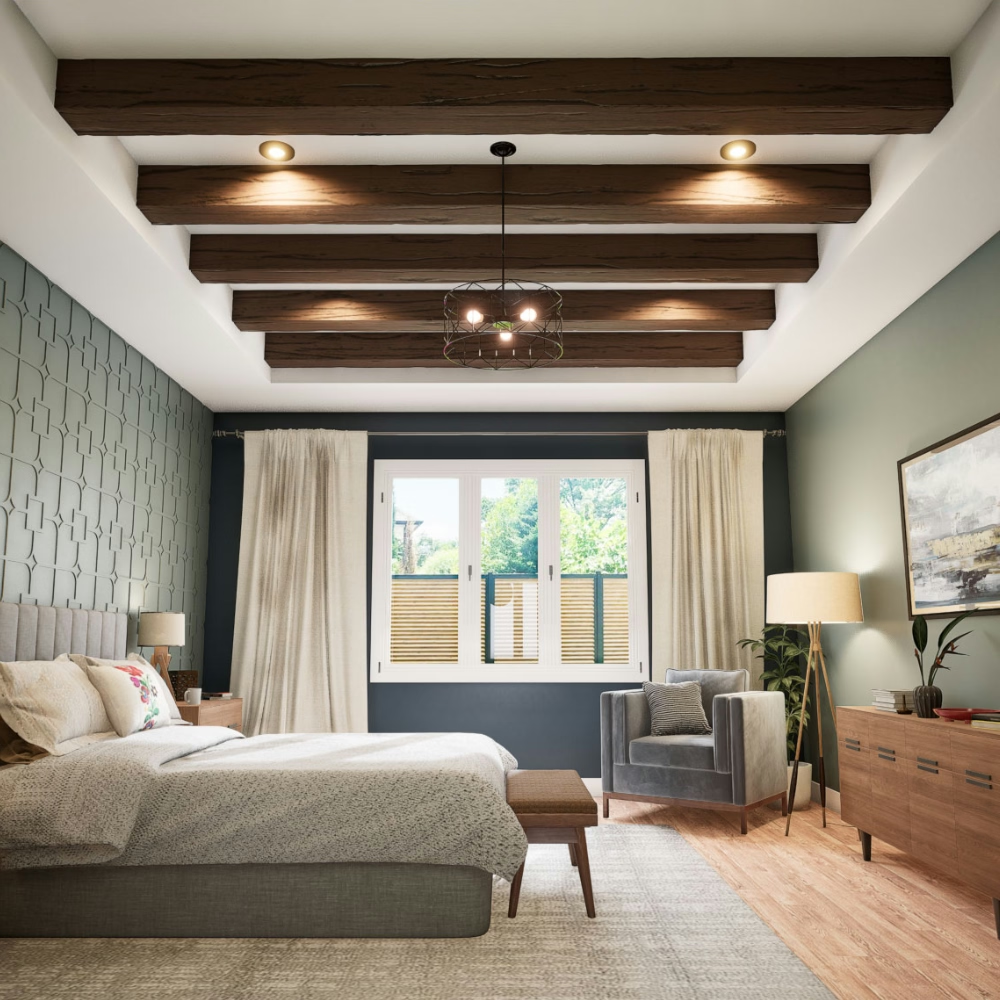
For a cabin primary bedroom, two to three beams running across the ceiling above the bed create the sense of enclosure the bedroom needs. The beams should be aligned with the headboard wall, and the bed should be positioned to take advantage of the beam rhythm.
The bedroom textiles should layer heavily in the winter — heavier quilts, wool blankets, and warm throws replace the lighter summer bedding. The warm wood tone of the beams coordinates with these textiles and reinforces the cabin's winter atmosphere.
Working With Fireplaces and Wood Stoves
The fireplace or wood stove is the centerpiece of the winter cabin, and the beam layout should respond to it. The most common configuration is a heavy beam directly above the mantel, aligned with the fireplace and visually extending the stone or brick mass.
For wood stoves, the beam should be positioned with clearance from the stove pipe in mind. The clearance requirements are specified by the stove manufacturer and enforced by local code, and the beam layout should be planned to meet those requirements. In most cases, the beam can be positioned above the stove at a height that clears the stove pipe while still creating the visual relationship with the stove.
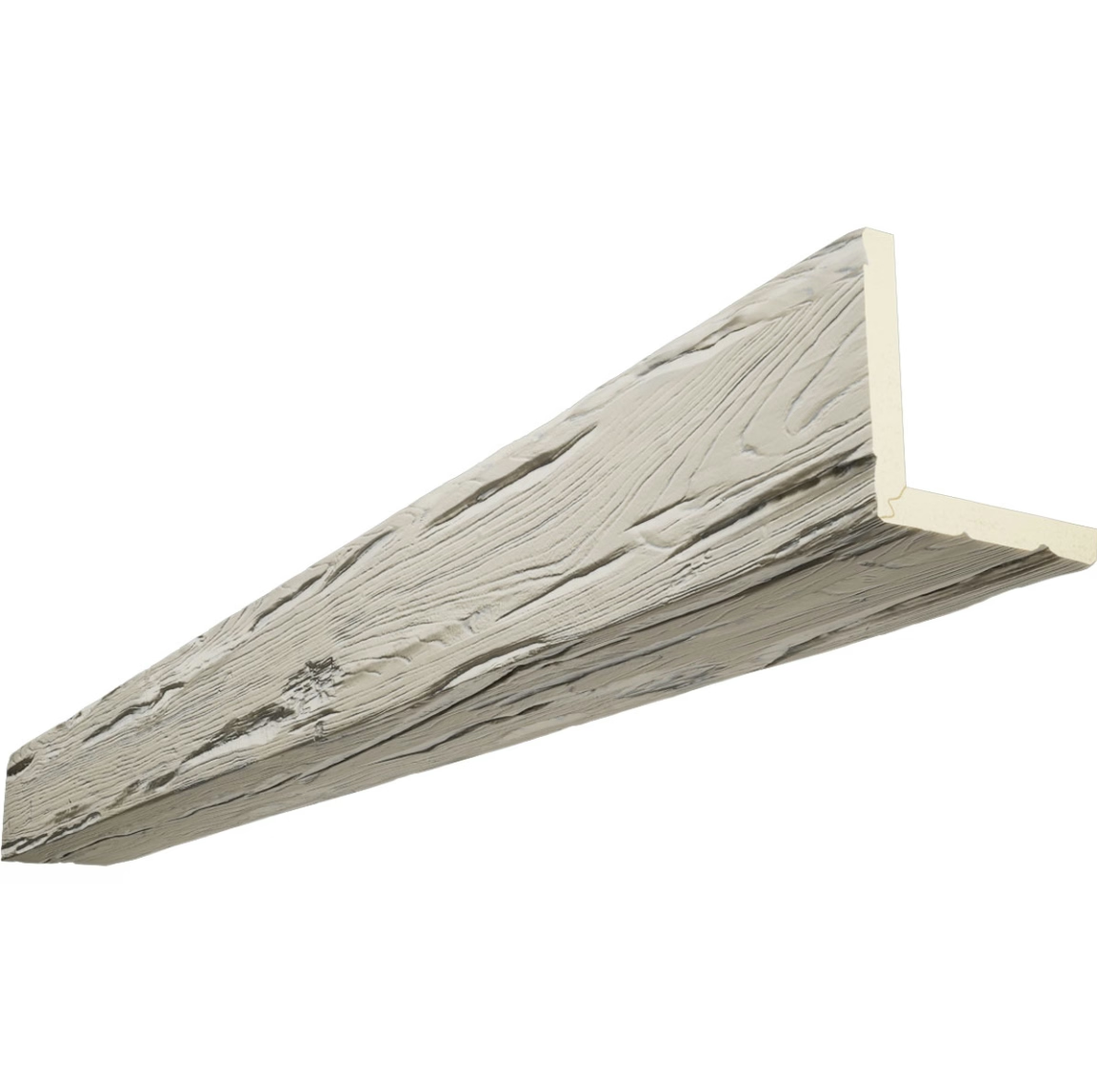
For fireplaces with a stone or brick surround, the beam tone should complement the stone's color family. A warm beige stone pairs with a honey or pine beam. A gray stone pairs with a weathered or driftwood beam. The contrast between the rough stone texture and the wood beam texture is part of the winter cabin aesthetic.
The Entry and Mudroom
Cabin entries and mudrooms are often overlooked in the beam conversation, but they are the first space a visitor enters in winter. A small beam over the entry — even a single statement beam — sets the tone for the rest of the cabin and makes the entry feel like part of the interior rather than a transitional zone.
For mudrooms with lower ceilings, a single beam perpendicular to the entry direction defines the space without overwhelming it. The beam should be in the same profile and finish as the rest of the cabin for consistency.
The mudroom should be practical for winter use. The beam should not be positioned where it interferes with hanging gear or where it would be bumped by bulky winter coats. The practical consideration is worth planning before the beam is specified.
Styling for the Winter Season
Once the beams are in, the styling is the next step. A few details that reinforce the winter cabin atmosphere:
- A blanket ladder leaning against the wall, stocked with wool throws. The natural wood of the ladder coordinates with the beams and provides a practical storage solution.
- A basket of firewood next to the fireplace. The visual reminder of the fire contributes to the winter cabin atmosphere even when the fire is not lit.
- Lantern-style lights on the mantel or on the beams. The warm glow of the lanterns reads as cozy and coordinates with the beam tone.
- A seasonal wreath on the fireplace or above the mantel. The natural greenery and the warm wood tones are a natural combination.
- Dark, warm-colored accessories — deep red, forest green, warm brown — on the shelves and tables. The colors coordinate with the beam palette and reinforce the winter atmosphere.
The Result
A winter cabin with rustic PU faux beams is a space that earns its keep in December. The beams deliver the visual warmth that makes the cabin feel like a refuge, and the durable PU material keeps that look through years of hard winter use. For cabin owners, the beams are one of the most reliable winter upgrades available. For designers, the beams are the starting point for a cohesive winter interior. For developers building winter-use cabins, the cost-to-comfort ratio is strong.
Technical References
ASTM standards cited in every specification
Test Data
Lab results from internal testing program
Updated 2026
Reviewed against current product specs