Accent walls have evolved from bold color statements to sophisticated textural treatments that add depth and character to interior spaces. The most successful accent walls create visual interest through dimension and texture rather than relying solely on paint color or wallpaper pattern. Faux wood beams provide one of the most effective tools for creating accent walls with genuine architectural presence that transforms ordinary surfaces into memorable design features.
Why Walls Deserve Beam Treatment
While ceiling beam installations receive most attention in design discussions, walls offer equally compelling opportunities for beam treatment. The vertical orientation creates different visual dynamics than overhead placement, with viewers able to examine texture and detail at close range.
Wall-mounted beams add warmth to surfaces that typically receive the most visual attention in furnished rooms. Sofas, beds, and seating arrangements present their backs to walls throughout daily use, creating ongoing exposure to wall treatments. Beam-textured walls provide organic visual interest that softens the hard surfaces common in contemporary construction.
The scale of wall treatment differs fundamentally from ceiling work. Beams installed at eye level reveal surface detail that distant ceiling viewing cannot perceive. This proximity allows finer textures and smaller-scale details to contribute meaningfully to overall appearance, expanding the design vocabulary available for wall applications.
Horizontal Beam Installation on Walls
Horizontal wall beam installations create the most common accent wall treatment, using beams oriented parallel to the floor to establish strong horizontal lines that visually widen spaces.
Single-course horizontal installations place one or two substantial beams at strategic wall heights, typically aligned with furniture tops or architectural trim. This restrained approach adds warmth and texture without overwhelming the wall surface, working well in rooms where wall art or other treatments compete for attention.
Multi-course horizontal installations cover significant wall areas with parallel beams at regular spacing. These treatments create strong textural presence that dominates the visual field, suitable for feature walls in living rooms, dining spaces, or entry areas. Spacing typically ranges from 12 to 24 inches depending on the desired density and beam dimensions.
Horizontal beams work particularly well above furniture where they frame and anchor arrangements. A substantial beam above a sofa back creates visual connection between seating and wall surface. Similarly, beams above beds establish headboard-like boundaries that add warmth to bedroom environments.
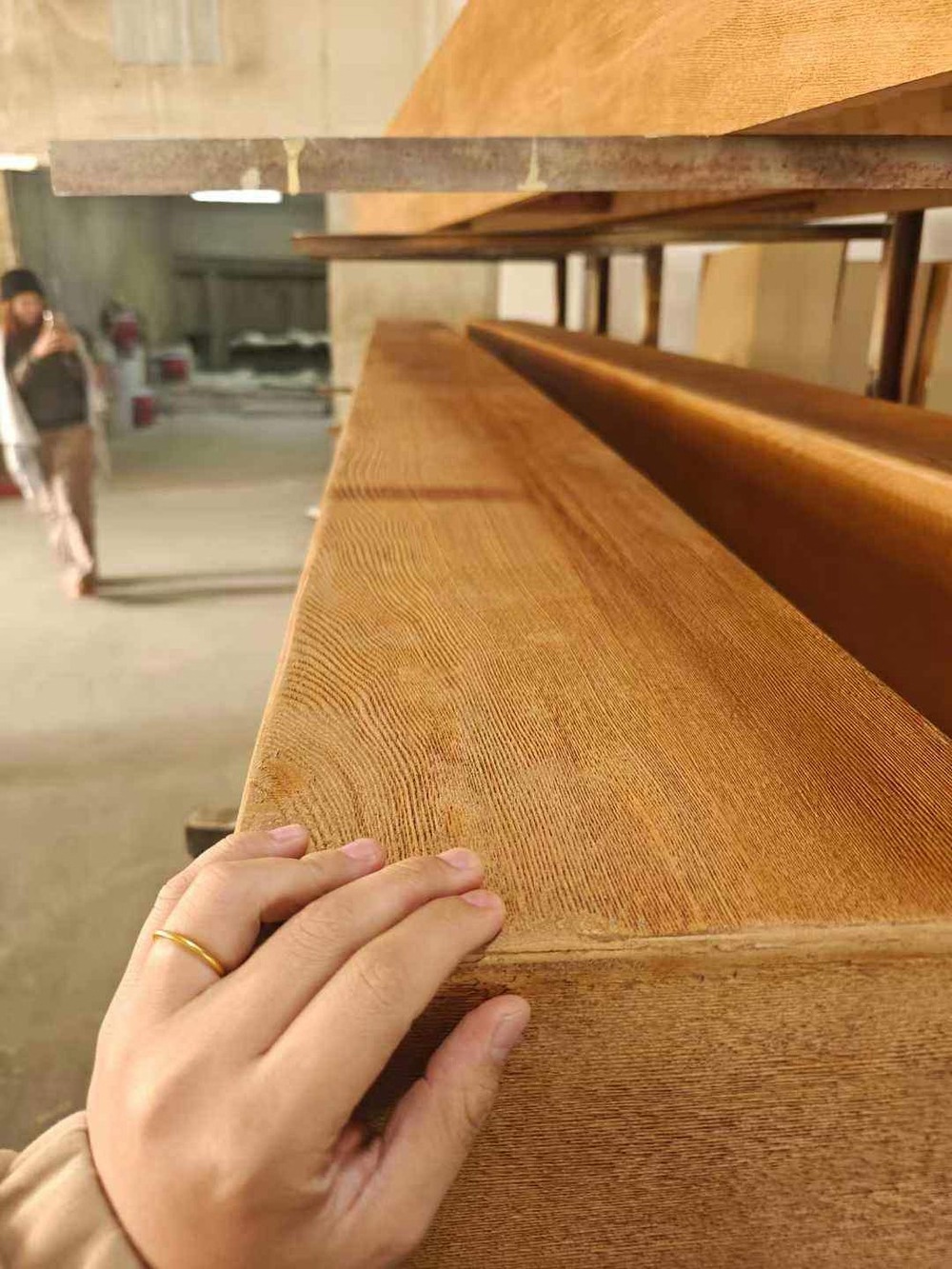
Vertical and Diagonal Wall Beam Configurations
Vertical and diagonal orientations create different visual effects than horizontal installation, offering alternatives that suit various interior styles and spatial conditions.
Vertical beams run from floor to ceiling, creating strong vertical lines that can visually raise ceiling height and add grandeur to modest spaces. This orientation suits contemporary interiors seeking clean, directional aesthetics. Vertical installations work particularly well flanking fireplace surrounds, windows, or architectural features that benefit from vertical framing.
Diagonal wall installations introduce dynamic energy uncommon in wall treatments. Angled beams crossing walls at 30 or 45 degrees create movement and visual interest that horizontal or vertical orientations cannot achieve. This approach works well in contemporary spaces and children's rooms where playful treatment aligns with overall design direction.
Mixed-direction configurations layer different beam orientations to create complex textural patterns. Combining horizontal and vertical beams in the same wall area creates geometric interest and visual depth. These ambitious treatments require careful planning to avoid appearing busy or arbitrary.

Beam Installation Above Specific Features
Strategic beam placement above particular room features creates focal points that guide attention and establish design hierarchy.
Fireplace surrounds represent prime locations for beam treatment. Beams spanning above mantels add substantial visual weight that frames the fireplace and establishes the wall as dominant room feature. This treatment works particularly well with natural stone or brick surrounds that benefit from the organic warmth of wood-textured beams.
Window walls with significant glazing often feel exposed or institutional without appropriate treatment. Beams framing windows add warmth that complements natural light while creating visual connection between interior and exterior. Horizontal beams above windows read as traditional cornice alternatives, while vertical beams flanking windows create modern casement treatment.
Bed headboards naturally accommodate beam treatment that adds bedroom warmth. Beams spanning the full width of the bed wall create architectural headboard presence that supplements or replaces conventional furniture pieces. This approach works particularly well in minimalist bedrooms seeking texture without fabric or upholstered elements.
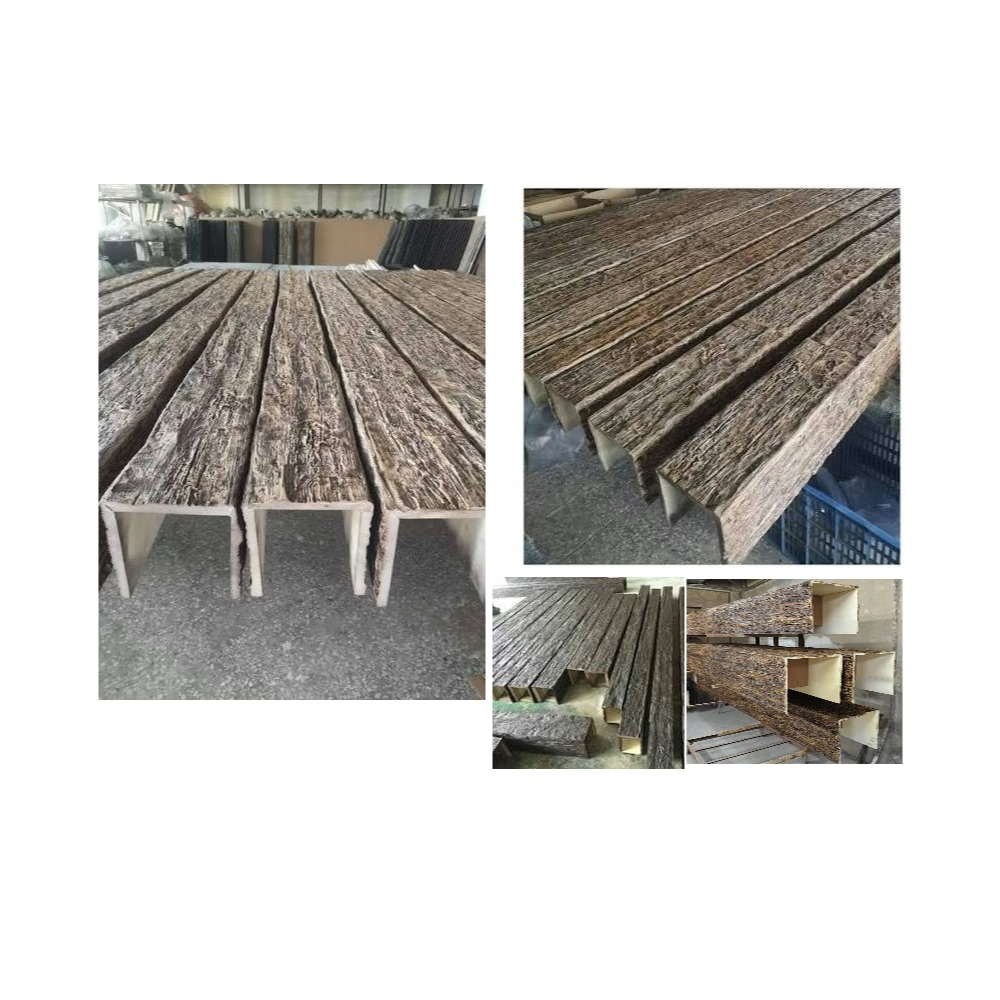
Combining Wall and Ceiling Beam Treatment
Coordinated beam installations that extend from ceiling to walls create unified design statements with maximum impact. These comprehensive treatments require careful planning but produce results that isolated wall or ceiling work cannot match.
Beam-to-wall continuity places beams that transition smoothly from ceiling plane to wall surface, creating the impression of structural elements continuing through space. This treatment suggests exposed post-and-beam construction that adds authentic architectural character to interiors lacking actual timber framing.
Perimeter treatments frame wall surfaces with beam elements that create visual boundaries between wall and ceiling planes. These casings establish room dimensions and create architectural detail that enriches plain wall surfaces. The framing effect works particularly well in contemporary spaces seeking warmth without complex ornamentation.
Partial integration combines ceiling beams that extend partially down adjacent walls, creating asymmetrical compositions that suggest incomplete structural exposure. This approach adds visual interest while maintaining cleaner appearance than full perimeter treatment, suitable for spaces where restrained aesthetics are preferred.
Material and Finish Considerations for Walls
Wall applications present different requirements than ceiling work that affect material and finish selection. Understanding these differences ensures appropriate specification.
Surface durability becomes more critical at eye level where accidental contact is more likely than on ceilings. Polyurethane beams provide good impact resistance but may show damage from sharp impacts or abrasive contact. Protective placement away from high-traffic zones or furniture positioning ensures lasting appearance.
Cleanability considerations favor smooth-finish options for wall applications in kitchens, children's rooms, or other high-traffic areas. Textured beams may accumulate dust in relief areas that requires more intensive cleaning effort. Low-maintenance smooth finishes reduce ongoing care requirements while still providing wood aesthetic warmth.
Color coordination with wall surfaces affects how beam installations read visually. Beams installed directly on finished walls create strong contrast that emphasizes texture and dimension. Beams installed in recesses or with surrounding trim integrate more subtly with existing wall treatment.

Mounting Methods for Wall Applications
Wall beam installation requires attachment approaches suited to vertical surfaces and varying wall substrates. Several methods provide reliable mounting depending on conditions.
Adhesive mounting provides clean appearance without visible fasteners, using construction adhesive applied to beam backs and wall surfaces. This method works on smooth, sound substrates but requires careful surface preparation to ensure adequate bond. Adhesive-only installation may not meet code requirements in some jurisdictions, so local regulations should be verified.
Mechanical fastening with countersunk screws provides secure attachment that satisfies code requirements for overhead applications. Screws penetrate wall substrates and engage structural backing, transferring loads reliably. Fastener positions are concealed with wood plug buttons or spackling that accepts paint or stain.
French cleat systems allow beam removal for access or replacement while maintaining secure attachment during normal use. This method suits beam installations that may require adjustment or removal for wall access, such as panels concealing electrical panels or storage areas.
Budget Optimization for Wall Beam Projects
Wall beam installations typically cost less than equivalent ceiling work due to simpler access and reduced material quantities. Several strategies maximize impact within practical budgets.
Selective placement concentrates beam treatment on walls that receive the most attention rather than covering every wall surface. Primary walls in living rooms, dining spaces, or entries benefit most from beam treatment, while secondary walls in closets, hallways, and utilitarian spaces may receive simpler treatment.
Profile simplification reduces manufacturing costs while maintaining visual impact. Simple rectangular beams with minimal detail achieve warmth and texture more economically than elaborate corbelled or textured profiles. The key is appropriate proportion and finish rather than decorative complexity.
DIY installation by capable homeowners reduces labor costs significantly for wall beam work. The straightforward attachment methods suitable for walls are accessible to handymen with basic skills. However, professional installation ensures clean results for projects where quality is paramount.
For design professionals and homeowners seeking distinctive accent wall treatments, faux wood beams provide proven approaches to adding warmth, texture, and architectural dimension that transform ordinary walls into memorable design features. The versatility of these elements enables creative responses to any interior design challenge.
Technical References
ASTM standards cited in every specification
Test Data
Lab results from internal testing program
Updated 2026
Reviewed against current product specs


