Luxury retail has evolved beyond transactional commerce into curated experience environments where merchandise exists within carefully crafted atmospheres. Showrooms for premium brands—jewelry, automotive, fashion, and home furnishings—must create contexts that justify premium pricing through exceptional surrounding environments. Curved polyurethane faux beams serve as essential architectural tools for achieving the dramatic, immersive settings that luxury showrooms require.
The Luxury Showroom Environment
Premium showrooms operate by different rules than standard retail environments. Understanding these differences shapes beam specification and installation approach.
Atmosphere creation takes precedence over merchandise display efficiency. While mass-market retailers maximize product exposure through dense merchandising, luxury showrooms create breathing room that signals exclusivity. The space itself communicates value, with architectural elements contributing to perceived product worth.
Experiential engagement transforms shopping from transaction to experience. Showroom visitors should feel transported into brand worlds that differ fundamentally from everyday environments. Architectural drama—including curved beam installations—creates the sense of discovery and special occasion that justifies luxury brand positioning.
Photographic optimization acknowledges that luxury consumers share experiences through social media. Spaces must photograph well from smartphone cameras, creating shareable content that extends brand reach beyond physical visitors. Curved beams create visual interest that photographs distinctly, generating social media exposure that standard retail cannot achieve.
Curved Beams in Showroom Applications
Several established applications demonstrate how curved beams enhance luxury showroom environments. Each approach creates characteristic effects suited to different retail contexts.
Display canopy installations feature curved beams overhead that frame product presentation areas without enclosing them. These floating elements create intimate zones within larger showroom spaces, providing visual boundaries that guide attention toward merchandise. The canopy effect suggests protection and special attention that aligns with luxury service values.
Circulation guidance uses curved beams to direct visitor movement through curated sequences of discovery. Rather than allowing random browsing, curved elements create paths that expose visitors to brand narrative in intentional order. Each curved section introduces new product categories or brand stories, building understanding progressively.
Focal framing employs curved beams to draw attention toward hero products or signature display installations. The curved element creates visual container that emphasizes whatever it surrounds, elevating featured merchandise above surrounding displays. This application proves particularly effective for limited editions, signature pieces, and new product introductions.
Material Performance for Retail Conditions
Luxury showrooms face operational challenges that influence beam specification requirements. Understanding these conditions ensures appropriate material selection.
Cleanability requirements in retail spaces exceed those of typical commercial applications. Merchandise handling, product demonstrations, and visitor contact create soil that accumulates on all surfaces. Polyurethane beam finishes should tolerate regular cleaning with appropriate retail-safe products without degrading or losing appearance.
Lighting intensity in showroom environments subjects materials to significant UV exposure from display lighting. Standard materials may yellow or fade under prolonged exposure to track lighting, halogen, or LED accent fixtures. UV-stable polyurethane formulations maintain appearance indefinitely under typical showroom lighting conditions.
Impact resistance in retail spaces must handle the accidental contact that occurs with merchandise movement, fixture adjustment, and visitor flow. Display cases, rolling racks, and product presentations require maneuvering through spaces that may include beam elements. Quality polyurethane absorbs incidental impacts without visible damage.
Design Coordination with Merchandise Strategy
Beam installations should support rather than compete with merchandise presentation. Several coordination approaches ensure productive relationship between architectural and merchandising elements.
Color harmony with merchandise palettes creates unified visual environments that feel intentional rather than arbitrary. Beam finishes should complement the color ranges of products displayed, enhancing rather than clashing with merchandise. This coordination is particularly critical for neutral-toned merchandise where environmental colors register strongly.
Scale relationship to merchandise ensures architectural elements enhance rather than overwhelm displayed products. Massive beams may dominate small jewelry or watch displays, drawing attention away from merchandise. Beam scale should relate appropriately to the products it frames, with smaller products generally requiring subtler architectural treatment.
Visual hierarchy establishment through beam placement reinforces merchandising priority. Primary display areas receiving beam treatment should align with hero merchandise positioning, while secondary products appear in unadorned spaces. This visual hierarchy guides visitor attention toward highest-value offerings first.

Lighting Design for Showroom Impact
Showroom lighting serves both functional and atmospheric purposes that beam installations can enhance. Professional coordination ensures effective integration.
Product illumination requires light levels and color rendering that showcase merchandise accurately. Beams should not interfere with product lighting fixture placement or performance. Coordination during design development ensures that beam geometry accommodates necessary lighting equipment and achieves required illumination levels.
Atmospheric lighting creates the dramatic shadows and highlights that distinguish luxury environments. Grazing light across curved beam surfaces emphasizes form and texture while providing ambient illumination. This layered approach creates the depth and dimension that simple general lighting cannot achieve.
Adjustable lighting systems accommodate the changing needs of different product categories and seasonal merchandising. Beam-mounted lighting should be flexible enough to address varied requirements without requiring beam removal or modification. Track systems, monorail fixtures, and adjustable pendants provide versatility that fixed installations cannot match.
Brand Expression Through Architectural Elements
Luxury brands express identity through every design choice, including beam installations. Several strategies ensure architectural elements reinforce brand positioning.
Design language consistency establishes recognizable patterns that carry brand meaning. Curved beams employed across multiple brand locations create architectural vocabulary that visitors associate with the brand. This consistency builds brand recognition and trust, signaling quality through design coherence.
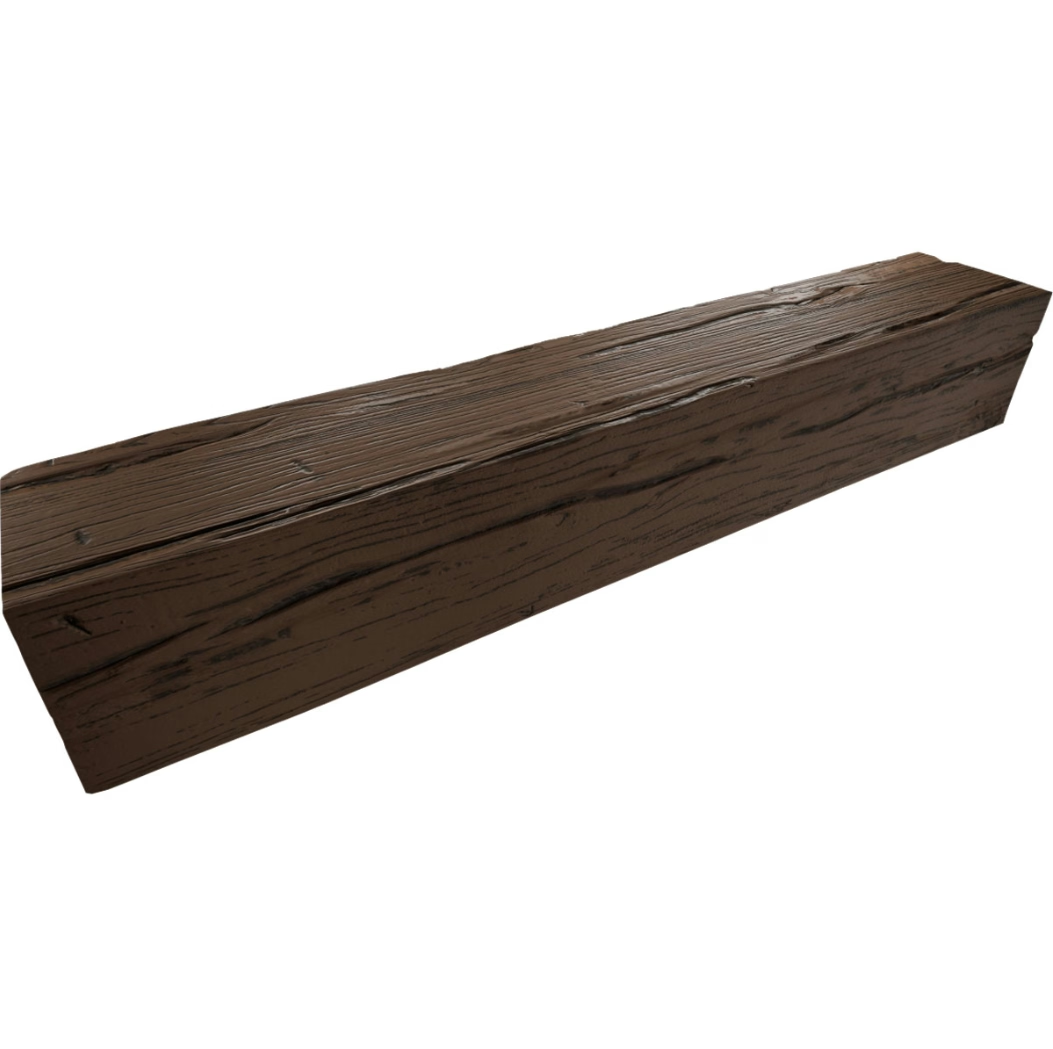
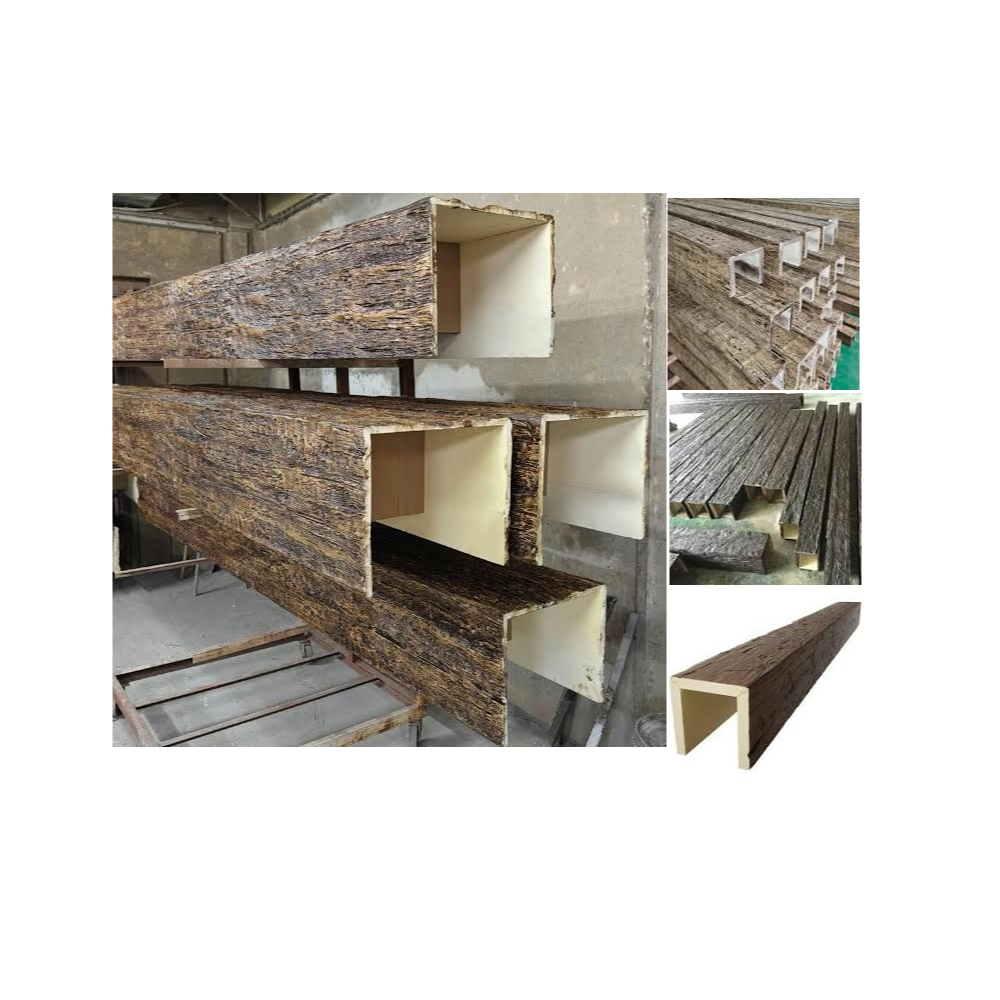
Material authenticity communicates values through material selection. The warmth and organic character of wood-textured beams suggests craftsmanship and natural origin that align with luxury values. Polyurethane faux timber delivers this aesthetic without the maintenance requirements of natural wood, supporting both aesthetic and practical brand objectives.
Detail refinement through proper beam specification signals attention to quality that luxury consumers expect. The visible quality of architectural elements provides evidence of the care that presumably went into product creation. Beams that appear cheap or poorly detailed undermine premium positioning, suggesting that product quality may similarly suffer.
Installation Considerations for Retail Environments
Showroom installations must proceed efficiently to minimize business disruption while achieving quality results. Several factors influence installation approach selection.
Business continuity planning schedules installation during low-traffic periods or in phases that maintain operational spaces. Luxury showrooms cannot afford extended closure, requiring installation approaches that fit within narrow windows. Prefabricated beam elements that install quickly minimize operational impact.
Phased installation sequences address large showrooms by treating areas sequentially rather than requiring complete space clearance. This approach allows business continuity while still achieving comprehensive design objectives. Clear phase boundaries and protection of completed areas enable multi-phase installation success.
Future flexibility accommodation plans for merchandising changes that will require beam adjustment or removal. Curved beams positioned to accommodate current merchandising should not prevent future repositioning for different product presentations. Concealed attachment systems that allow clean removal support this flexibility.
Showroom-Specific Technical Requirements
Luxury showroom environments present specific technical challenges that influence beam specification and installation approach. Understanding these requirements ensures appropriate product selection.
Lighting intensity in retail environments subjects materials to significant UV exposure from display lighting, track systems, and accent fixtures. Standard materials may yellow or fade under prolonged exposure, compromising the premium appearance that luxury showrooms require. UV-stable polyurethane formulations maintain appearance indefinitely under typical retail lighting conditions.
Acoustic considerations in open showroom environments affect how curved beams interact with sound. The varying angles of curved surfaces scatter sound waves differently than flat ceilings, potentially improving speech intelligibility in areas where sales conversations occur. This acoustic benefit complements the visual appeal of curved installations.
Display fixture coordination ensures that beam elements do not interfere with merchandise display systems. Lighting tracks, shelf standards, and display case positioning must all coordinate with beam placement to prevent conflicts. Early coordination during design development avoids expensive corrections during installation.
Return on Investment Analysis
Luxury showroom investments must demonstrate returns through improved sales performance, enhanced brand perception, or operational efficiency. Beam installations contribute to these outcomes in measurable ways.
Sales environment research demonstrates that premium atmosphere affects purchase behavior and price tolerance. Consumers spending in beautiful environments perceive greater value, accept higher prices, and report higher satisfaction than those in utilitarian settings. Curved beam installations contribute to the premium atmosphere that drives these outcomes.
Social media value through photogenic environments generates exposure that extends brand reach beyond physical visitors. Spaces designed for sharing attract attention that paid advertising cannot replicate. Curved beams create the distinctive visual interest that encourages sharing and generates earned media.
Competitive differentiation through exceptional environments creates advantages that competitors cannot easily replicate. The architectural investment signals commitment to quality that competitors offering basic retail spaces cannot match. This differentiation supports premium positioning that justifies luxury pricing.
For luxury showroom designers and brand managers, curved polyurethane faux beams offer proven approaches to creating the dramatic, immersive environments that premium retail requires. The investment in quality curved elements delivers returns through enhanced brand perception, increased sales, and competitive differentiation that sustain luxury brand success.
Technical References
ASTM standards cited in every specification
Test Data
Lab results from internal testing program
Updated 2026
Reviewed against current product specs


