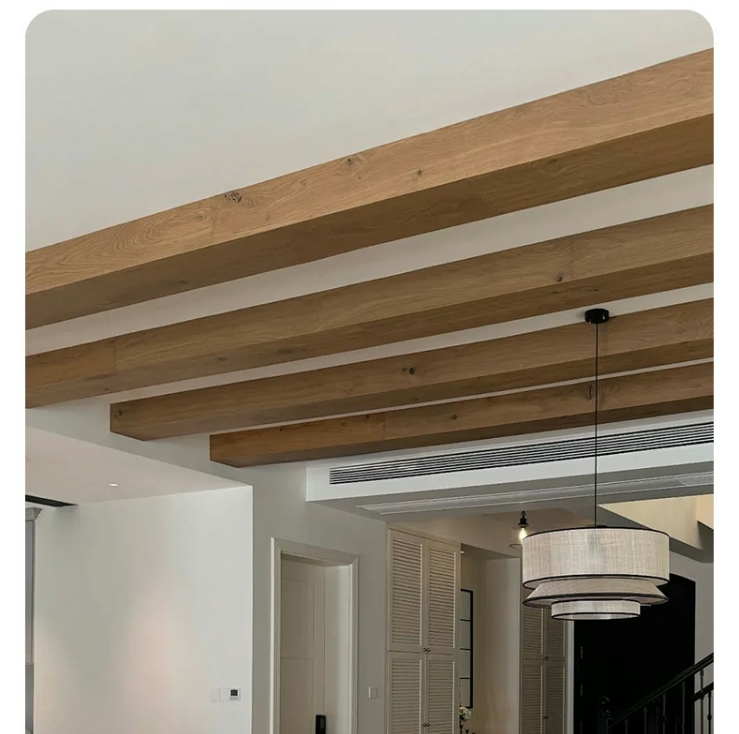
Contemporary interiors must accommodate increasingly complex technological infrastructure while maintaining the aesthetic quality that distinguishes exceptional spaces. Wiring for lighting, AV systems, networking, and charging stations accumulates in visible clutter that undermines even the finest architectural design. Curved polyurethane faux beams with integrated wire channels address this challenge directly, providing concealed routing pathways that simplify technology integration without compromising visual excellence.
The Challenge of Modern Electrical Integration
Technology requirements in contemporary spaces have grown substantially while traditional infrastructure accommodates these needs poorly. Understanding this challenge helps designers leverage integrated beam solutions effectively.
Visible wiring degrades interior aesthetics regardless of how carefully it is arranged. Cables running across ceilings, along walls, and around architectural elements create visual clutter that distracts from designed environments. This disorder undermines the investment in architectural quality, creating impressions of incompleteness or poor execution.
Code compliance for electrical installations requires proper support, protection, and accessibility that visible installations struggle to achieve. Exposed cables must be properly rated, supported at appropriate intervals, and protected from damage in ways that unsightly surface mounting cannot fully address. Concealed routing within building elements provides cleaner compliance pathways.
Future adaptability concerns require that technology infrastructure accommodate changes over building lifecycles. The systems installed today will not serve indefinitely—upgrades, additions, and replacements will be necessary as technology evolves. Infrastructure that enables easy modification reduces future disruption and cost.
Integrated Wire Channel Technology
Curved beams with integrated wire channels represent a practical solution to technology integration challenges. These dual-purpose elements combine aesthetic and functional benefits in single installations.
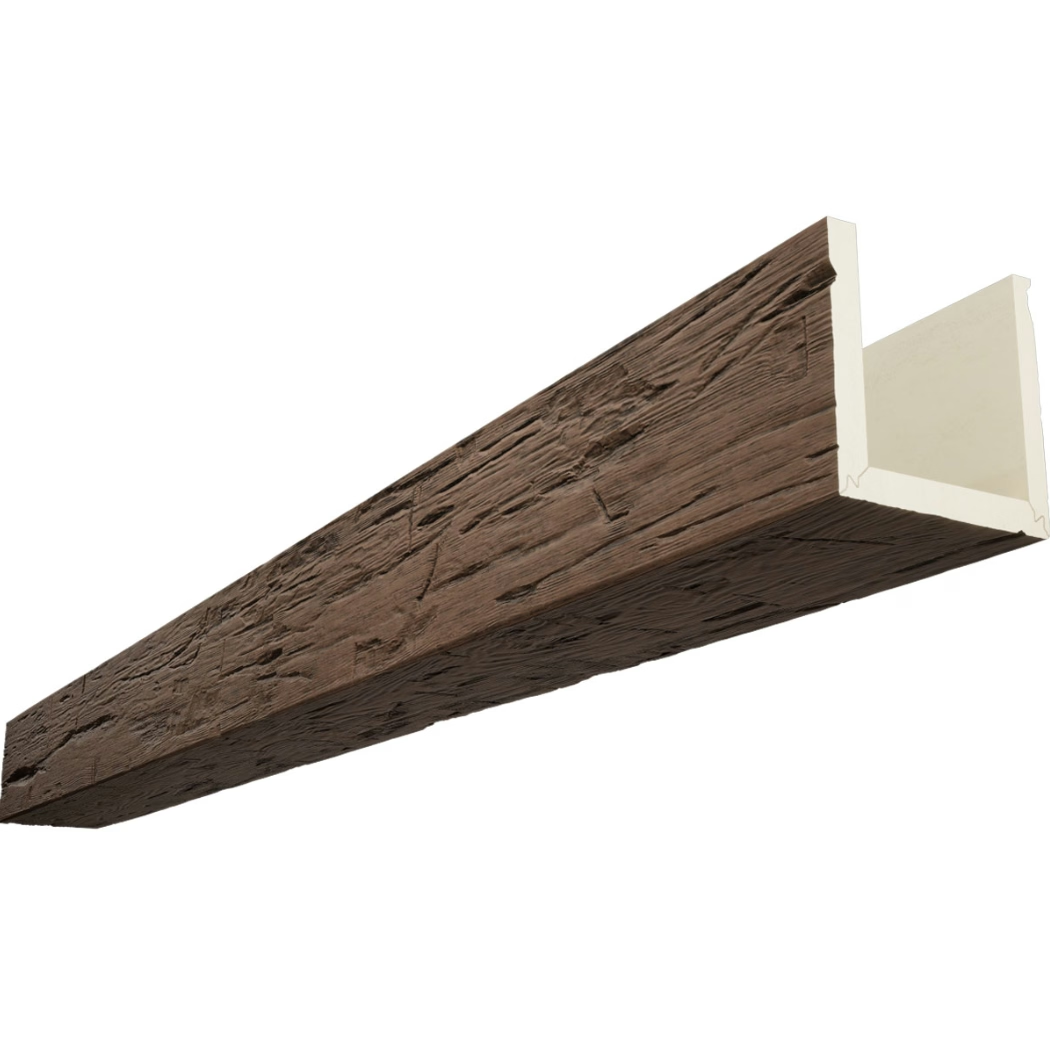
Channel configuration within beam profiles creates continuous pathways for cable routing throughout beam runs. These channels accommodate standard electrical cables, low-voltage wiring, and fiber optic connections without external conduit or surface raceway. The concealed routing maintains clean appearance while enabling proper cable management.
Capacity planning ensures adequate channel volume for current and future wiring needs. Technology infrastructure tends to expand rather than contract, requiring generous channel dimensions that accommodate growth. Professional assessment of likely requirements prevents the inadequate sizing that would necessitate alternative routing later.
Accessibility provisions enable cable addition and modification without beam removal. Access panels at interval positions allow cables to enter and exit channels at any point. These provisions maintain the flexibility that changing technology requirements demand while preserving concealed appearance.
Design Applications for Wire Channel Beams
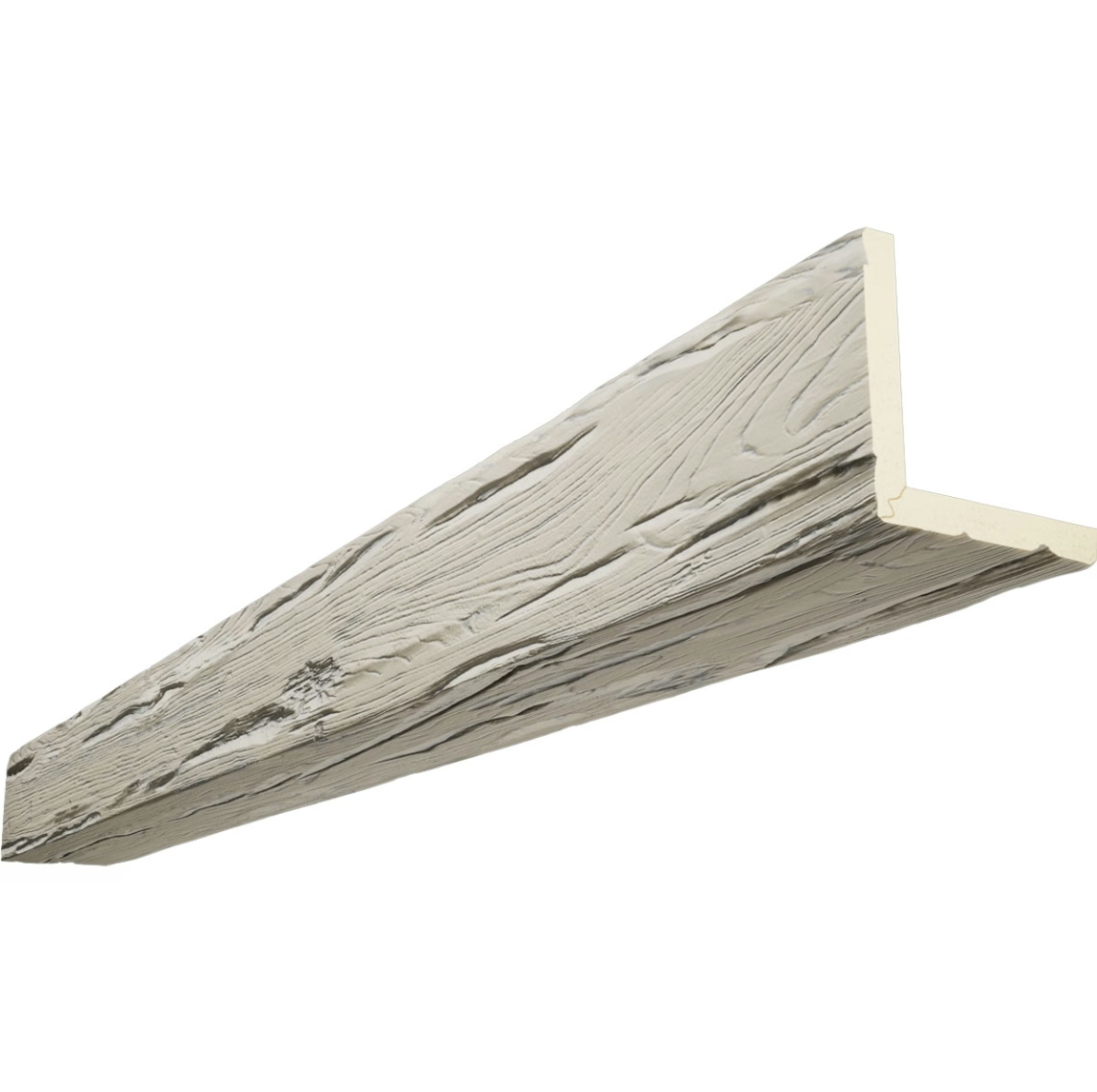
Several applications benefit particularly from integrated wire channel functionality. Understanding these opportunities helps designers leverage beam capabilities appropriately.
Conference and meeting rooms require extensive AV infrastructure including display connections, video conferencing equipment, and power delivery. Wire channel beams simplify this complexity by providing clean routing pathways for all necessary cables. The curved ceiling treatment adds architectural interest while accommodating technology requirements that would otherwise create visible clutter.
Hospitality environments increasingly integrate technology for guest services, entertainment, and operational systems. Charging stations, mobile check-in kiosks, and digital signage require infrastructure that beam wire channels can provide. Curved beams in hospitality spaces add aesthetic quality while simplifying the technology deployment that guests increasingly expect.
Retail environments with digital displays, interactive kiosks, and POS systems benefit from wire channel beam infrastructure. The clean routing pathways enable technology deployment without compromising the premium atmosphere that luxury retail requires. Curved beams add architectural drama while accommodating the digital infrastructure that contemporary retail demands.
Structural Considerations for Wire Channel Beams
Wire channel integration affects beam structural characteristics in ways that require engineering attention. Understanding these effects ensures appropriate specification.
Material distribution within channeled beams differs from solid beam sections. Channel formation removes material from beam interiors, potentially affecting strength and rigidity. Engineering analysis verifies that channel configurations maintain adequate structural performance for intended applications.
Support spacing requirements may increase for wire channel beams compared to solid equivalents. The reduced cross-sectional area can affect load-carrying capacity, requiring closer support spacing or additional reinforcement. Manufacturer guidance combined with engineering judgment addresses these requirements.
Channel reinforcement addresses localized stress concentrations that channel geometry creates. Internal structural members or localized reinforcement maintain beam integrity at critical points. These details ensure long-term performance despite the stress concentrations that hollow sections create.
Electrical Code Compliance
Integrated wire channel beams must meet applicable electrical code requirements for cable routing. Understanding these requirements ensures compliant installations.
Cable rating compatibility ensures that channeled beams accommodate properly rated conductors for intended applications. Standard building wiring, low-voltage cabling, and specialized systems each have specific requirements that affect routing options. Channel specification should verify compatibility with all cable types intended for use.
Fill capacity limits prevent overcrowding that could cause cable damage or overheating. Channel dimensions should accommodate all intended cables with adequate space for heat dissipation and future additions. Professional cable tray and raceway design principles apply to wire channel beam specification.
Separation requirements between different cable types may affect channel configuration. Power and low-voltage cables often require separation to prevent interference, which may necessitate multiple channels or partitioned configurations. These requirements should be identified during design development.
Installation Best Practices
Proper installation ensures that wire channel beams perform reliably throughout their service lives. Several practices contribute to successful outcomes.
Cable preparation before beam installation simplifies final routing and reduces field labor. Running cables through channel pathways before beam mounting eliminates the awkward threading that installed beams would require. This preparation phase investment pays dividends during installation.
Labeling and documentation at installation enables future maintenance and modification. Cables within concealed channels should be clearly labeled at access points so that maintenance personnel can identify circuits without exploratory investigation. Documentation of routing paths complements physical labeling.
Testing and verification before concealment ensures that all systems function correctly before beams are permanently installed. Power testing, network verification, and AV system checks should all complete successfully before access becomes limited. This verification prevents the costly discoveries that concealed problems create.
Finish and Aesthetic Integration
Wire channel beams should maintain the aesthetic quality that standard beams provide. Several considerations ensure visual consistency.
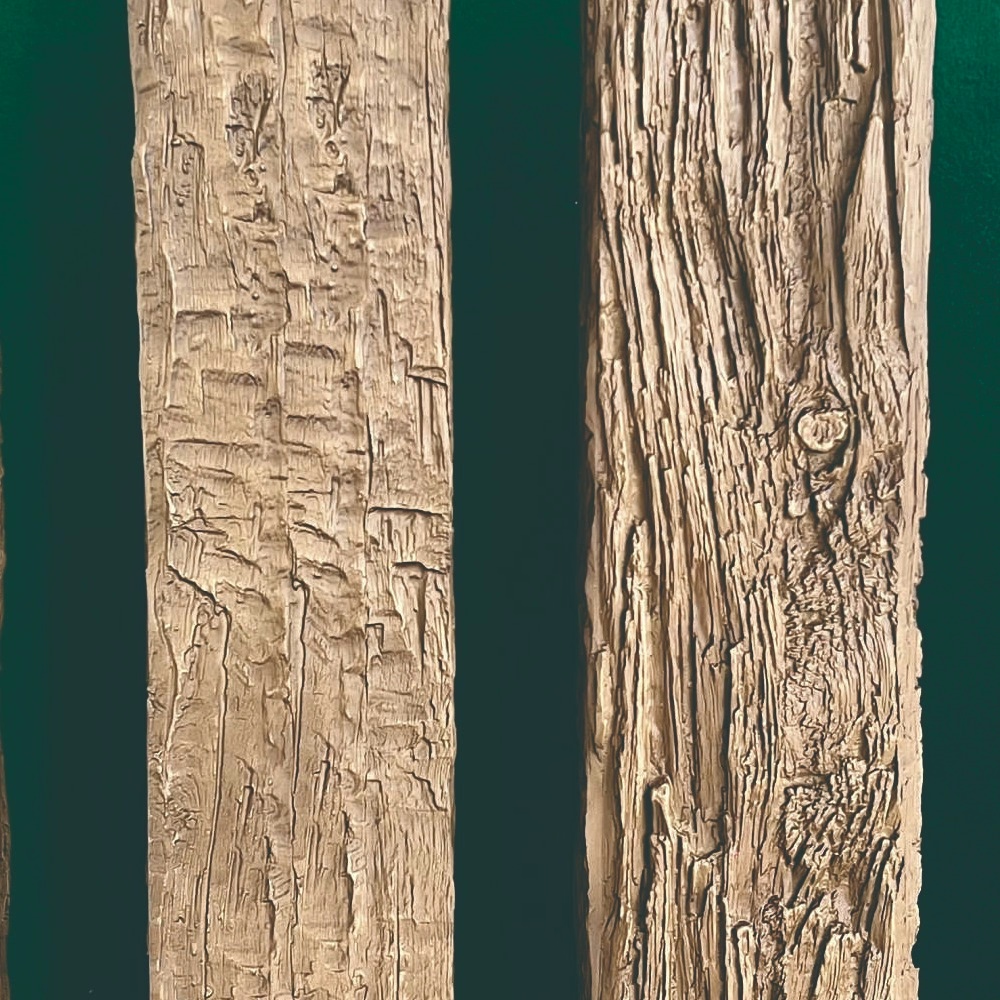
Surface continuity ensures that channel beams present the same refined appearance as solid beams. Channel openings should be concealed with access panels matching beam surface texture and finish. These panels should appear as integral beam features rather than visible hardware.
Finish matching across beam runs including channeled and standard sections ensures coherent appearance throughout installations. Factory finishing provides the most consistent results, with panels finished alongside beams using identical processes. Site finishing introduces variability that may create visible differences between beam sections.
Lighting interaction with channel beam surfaces should match standard beam behavior. The reflective properties of channel sections should not differ noticeably from solid beam areas, preventing visible inconsistency under different lighting conditions. Sample verification under actual installation conditions confirms appropriate matching.
Future-Proofing Through Flexible Infrastructure
Technology infrastructure evolves continuously, requiring building systems that accommodate change. Wire channel beams provide infrastructure flexibility that supports long-term adaptability.
Cable access points at regular intervals enable future cable addition without beam modification. These provisions allow technology upgrades to proceed efficiently without the construction disruption that alternative routing would require. The access point positions should align with likely future requirements based on space function and technology trends.
Capacity reserves ensure that channel volume accommodates growth beyond initial specification. Technology infrastructure tends to expand over building lifecycles, requiring generous sizing that prevents premature channel saturation. Professional guidance on capacity planning identifies appropriate reserves for specific applications.
Documentation for facility management ensures that infrastructure remains accessible and maintainable. As-built documentation showing channel routing, access point locations, and cable identification enables efficient future modification. This documentation should transfer to building management systems for ongoing reference.
Cost-Benefit Analysis
Wire channel beams involve higher initial costs than standard beams due to manufacturing complexity. Understanding the value proposition helps justify this investment.
Installation efficiency through integrated routing reduces labor costs compared to surface raceway systems. The combined beam-and-routing approach eliminates separate conduit installation, reducing both labor hours and material costs for discrete routing components.
Maintenance simplification through accessible routing reduces ongoing costs for system modification and repair. The ability to add or modify cables without construction disruption provides ongoing value that surface routing cannot match. This flexibility has particular value in rapidly changing technology environments.
Aesthetic value through clean appearance protects the investment in architectural quality. The visible wiring that alternative routing creates undermines designed environments, reducing the value that premium interiors deliver. Wire channel beams preserve aesthetic investment while enabling technology deployment.
For architects and designers seeking to integrate technology infrastructure without compromising interior quality, curved polyurethane faux beams with integrated wire channels offer practical solutions that combine aesthetic excellence with functional routing capability. The investment in wire channel beam technology delivers returns through cleaner appearance, simpler installation, and flexible infrastructure that serves evolving technology needs.
Technical References
ASTM standards cited in every specification
Test Data
Lab results from internal testing program
Updated 2026
Reviewed against current product specs